Central Asia Startup Cup: A Call for Regional Unity Through Innovation

There has been a significant growth in tech events in Central Eurasia throughout the last few years. Several years back you would only see these on a national level, it is hard to find something that isn’t regional these days. There is the Central Eurasian Venture Forum, the largest regional venture capital forum, which will take place on June 5 this year in Kazakhstan, which is also home to Digital Almaty and Digital Bridge. Tashkent has its ICT Week on September 23-26, 2025. Tajikistan hosts the Startupstan Summit, Georgia has the Central Eurasia Venture Summit, Azerbaijan the Baku ID & INMerge, and the list goes on.
At the end of last month, Bishkek hosted the Central Asia Startup Cup, the largest tech conference to date in the Kyrgyz Republic focused on startups and venture capital. As reflected in the name of the event, the country is not an exception and is following the trend of regional cooperation.
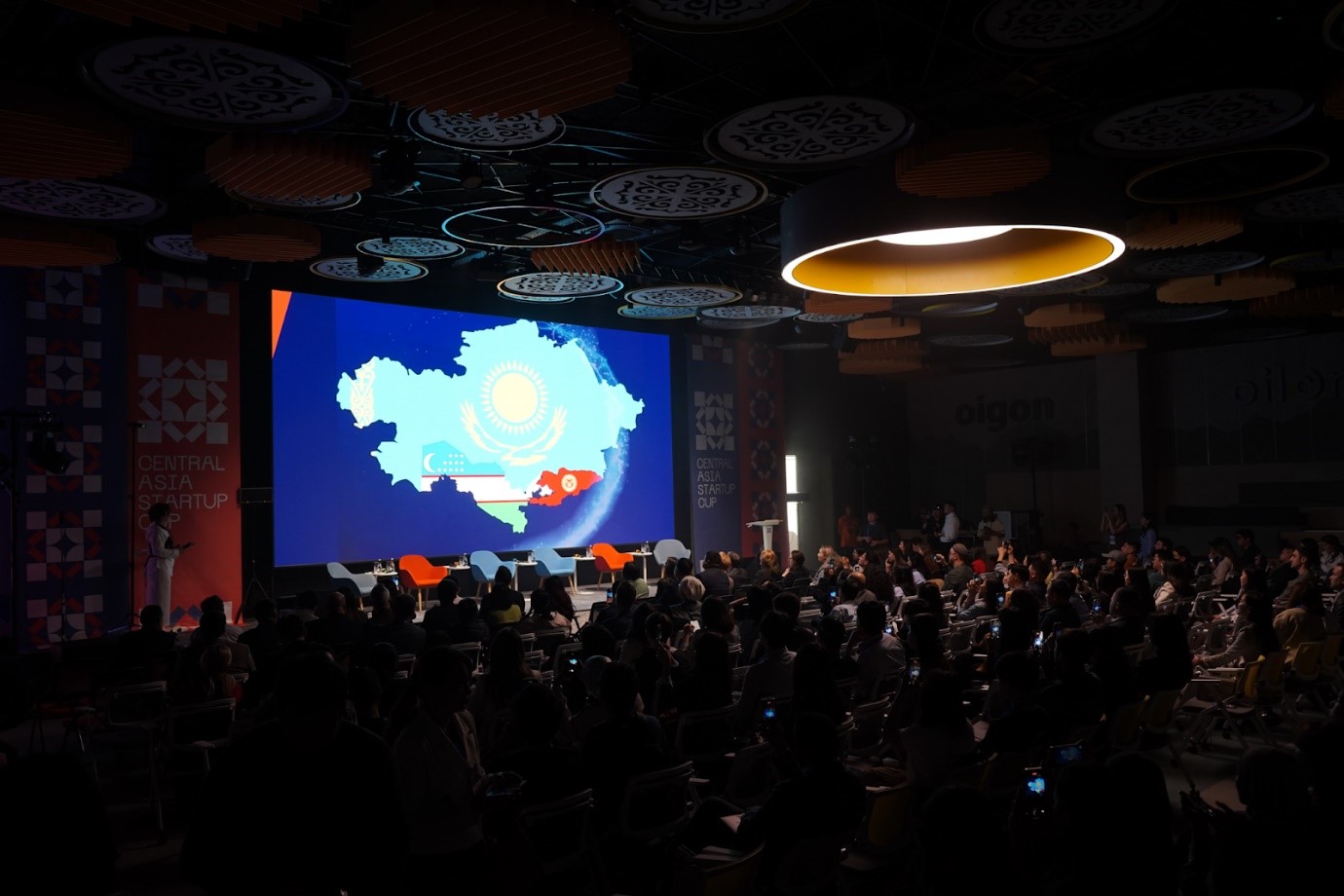 The keynote speaker came from the UK, Kyrgyz Republic-born Asel Sartbaeva, the CEO and Co-Founder of EnsiliTech, a startup with a technology that allows vaccines and other biopharmaceuticals to be stored and transported at room temperature. Aside from her keynote speech and presentation, Sartbaeva also participated in a panel session devoted to female founders.
 For the first time in the history of the Kyrgyz Republic, there were a huge array of venture capital investors — apart from domestic investors, the Central Asia Startup Cup hosted venture capital funds from Georgia, Kazakhstan, Tajikistan, Turkey, the UK, and Uzbekistan.
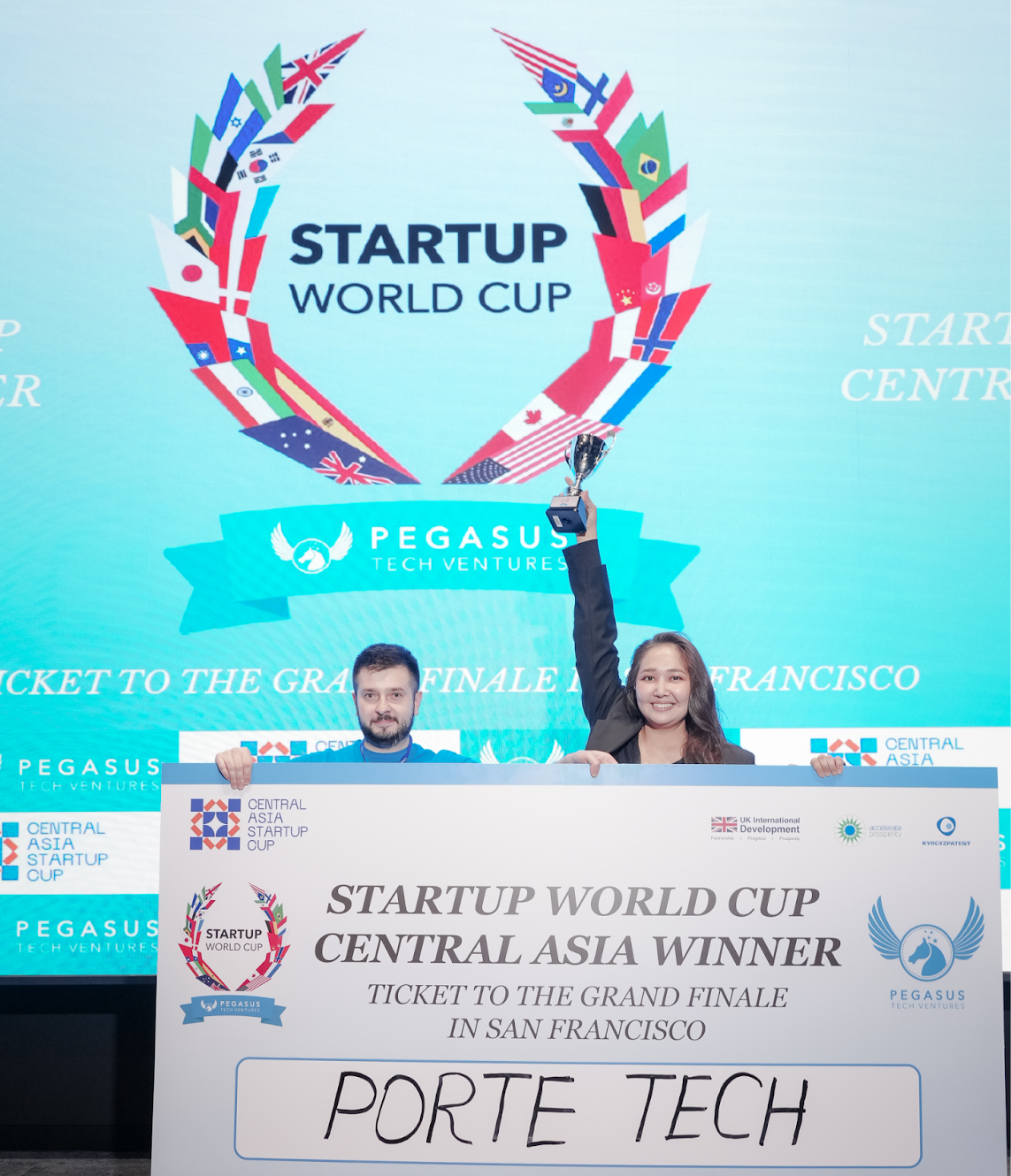
 The government’s interest in the startup ecosystem is also growing — a memorandum of cooperation was signed between Accelerate Prosperity, the organizing party of the conference, and the Ministry of Digital Development of the Kyrgyz Republic. Also, for the first time, the regional final of the Startup World Cup, organized in partnership with Pegasus Tech Ventures (USA), was held as a part of the Central Asia Startup Cup. The latter is a global contest with 100+ regional events held across North America, South America, Europe, Africa, Asia, and Australia, with each regional winner competing in the final in Silicon Valley. Porte Tech, a startup from Kazakhstan providing digital concierge solutions for hotels, was selected for the Startup World Cup Grand Final in San Francisco and will compete in for a $1,000,000 investment fund in October 2025.
 A traditional part of such tech conferences, the Startup Battle took place on the second day of the Central Asia Startup Cup, with eight teams reaching the finals. The Grand Prix of the conference and an equity-free prize of $10,000 were awarded to ArtSkin, a Kyrgyz hardware startup developing artificial skin for prosthetic limbs.
 Seven teams were also recognized with cash prizes of €5,000 each from the European Union’s Last-mile Connectivity to Promote Digital Green Education Opportunities project: Nomado, Tez Jumush, Sound Vision, Edu Test, WeSave, TilZone, and The Tech. VoiceDiary, an AI companion for emotional support, received a trip to Silicon Valley as part of the Dive into Silicon Valley program from the Kyrgyz Republic’s High Technology Park.
According to organizers of the conference, “Accelerate Prosperity, are creating a bridge between Central Asia and the global startup scene. The Central Asia Startup Cup is not just a forum, it is an impetus for the entire ecosystem of the region. My team and I are proud to be its active participants and those who promote and develop Kyrgyz startups,” Jyldyz Isabekova, the Accelerate Prosperity country director stated.
Such cooperation inspires hope that the region will be integrated into the global innovation ecosystem in the near future, especially given how important innovation industries are to the economies of the region, and it is unlikely that any single country can do it alone.