• KGS/USD = 0.01144 0%
  • KZT/USD = 0.00211 0%
  • TJS/USD = 0.10460 0.19%
  • UZS/USD = 0.00008 0%
  • TMT/USD = 0.28490 0%
  • KGS/USD = 0.01144 0%
  • KZT/USD = 0.00211 0%
  • TJS/USD = 0.10460 0.19%
  • UZS/USD = 0.00008 0%
  • TMT/USD = 0.28490 0%
  • KGS/USD = 0.01144 0%
  • KZT/USD = 0.00211 0%
  • TJS/USD = 0.10460 0.19%
  • UZS/USD = 0.00008 0%
  • TMT/USD = 0.28490 0%
  • KGS/USD = 0.01144 0%
  • KZT/USD = 0.00211 0%
  • TJS/USD = 0.10460 0.19%
  • UZS/USD = 0.00008 0%
  • TMT/USD = 0.28490 0%
  • KGS/USD = 0.01144 0%
  • KZT/USD = 0.00211 0%
  • TJS/USD = 0.10460 0.19%
  • UZS/USD = 0.00008 0%
  • TMT/USD = 0.28490 0%
  • KGS/USD = 0.01144 0%
  • KZT/USD = 0.00211 0%
  • TJS/USD = 0.10460 0.19%
  • UZS/USD = 0.00008 0%
  • TMT/USD = 0.28490 0%
  • KGS/USD = 0.01144 0%
  • KZT/USD = 0.00211 0%
  • TJS/USD = 0.10460 0.19%
  • UZS/USD = 0.00008 0%
  • TMT/USD = 0.28490 0%
  • KGS/USD = 0.01144 0%
  • KZT/USD = 0.00211 0%
  • TJS/USD = 0.10460 0.19%
  • UZS/USD = 0.00008 0%
  • TMT/USD = 0.28490 0%

Central Asia Tackles Plastic Pollution with Bag Ban Initiatives

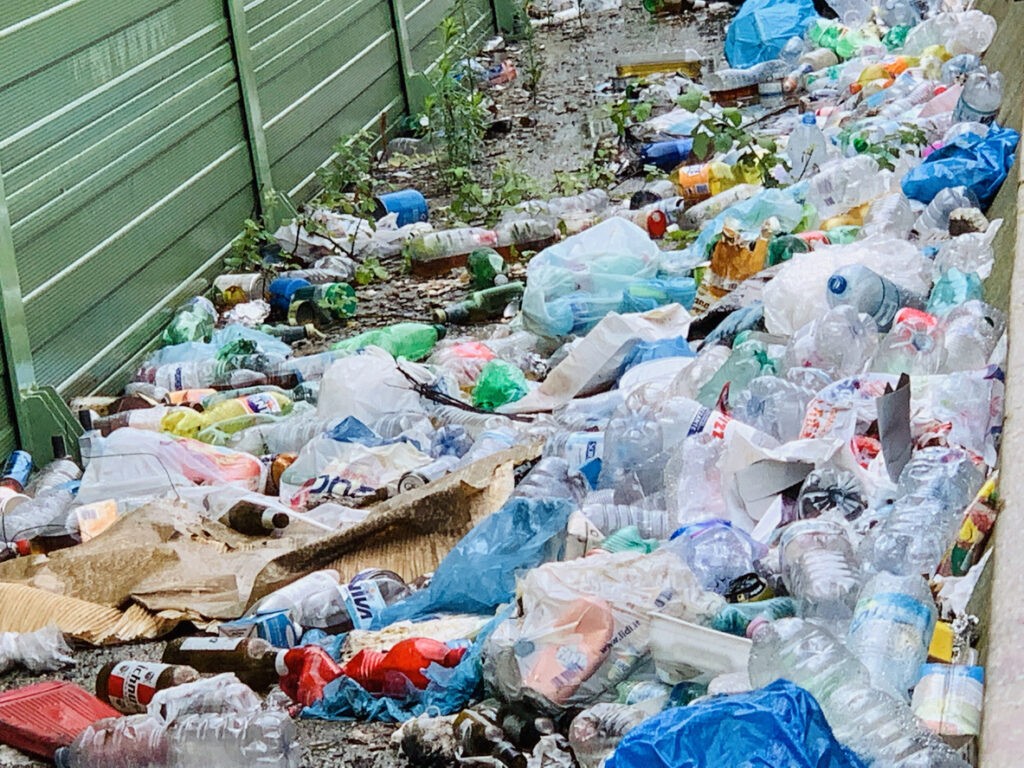
Globally, an estimated 5 trillion plastic bags are used every year. These bags take approximately 1,000 years to decompose in landfills and do not fully break down. Instead, they photodegrade into microplastics, which absorb toxins and continue to pollute the environment. Recognizing the urgency of this issue, Central Asian countries are committing to phasing out plastic bags, each pursuing distinct approaches.

Uzbekistan

Uzbekistan plans to introduce a draft national program to reduce plastic pollution for 2025–2027. This initiative is part of the draft State Program for the Implementation of the Strategy “Uzbekistan-2030” in the Year of Environmental Protection and Green Economy, currently under public discussion.

The proposal includes:

  • A ban on the production, import, and use of plastic bags starting in 2027.
  • Promoting environmentally friendly, biodegradable packaging.
  • Regulating harmful chemicals in plastic products.
  • Encouraging recycled plastic use in packaging through established coefficients.

The draft program is expected to be developed by September 2025 and submitted to the Cabinet of Ministers by November 2025. A related draft presidential decree outlines additional measures, such as:

  • Developing legislation requiring manufacturers and importers of plastic packaging to collect and dispose of plastic waste.
  • Establishing collection and disposal facilities.
  • Imposing a disposal fee for plastic waste by November 1, 2025.

Kazakhstan

Kazakhstan had initially planned to ban plastic bags by 2025. However, the Ministry of Ecology and Natural Resources determined that the country is not yet prepared for this transition. Research reveals a significant gap: while the consumption of plastic tableware and packaging exceeds 430 million pieces annually, the production of alternative materials is limited to only 10 million pieces. This disparity highlights the urgent need to develop sustainable packaging solutions before implementing a comprehensive ban.

Kyrgyzstan

Kyrgyzstan is set to ban the use of polyethylene bags and plastic nationwide starting January 1, 2027. The Law on Limiting the Circulation of Polymer Film and Plastic Bags in the Territory of the Kyrgyz Republic, signed by President Sadyr Japarov in 2023, outlines penalties for violations:

  • For citizens: Fines of 10,000 KGS (approximately $114.90).
  • For legal entities: Fines of 28,000 KGS (approximately $321.80).

Warnings will be issued for first-time violations involving the free distribution of plastic bags. Subsequent violations will incur fines:

  • For legal entities: 5,000 KGS (approximately $57.40).
  • For individuals: 1,000 KGS (approximately $11.40).

Tajikistan

Tajikistan will implement a ban on the import and use of plastic bags starting January 1, 2025. To support this transition, authorities have focused on developing environmentally friendly packaging alternatives made from materials such as cardboard, paper, fabric, ceramics, and biodegradable polymers.


These varied approaches reflect the commitment of Central Asian countries to tackling the global challenge of plastic pollution. By balancing environmental priorities with practical considerations, these nations aim to create a cleaner, more sustainable future.
Uzbekistan Plans to Strengthen Strategic Partnership with the U.S.

Uzbekistan is actively working to deepen its strategic partnership with the United States. The draft state program for 2025, currently under public discussion, outlines several measures to strengthen these ties. The Ministry of Foreign Affairs, led by Acting Minister Bakhtiyor Saidov, is tasked with expanding bilateral cooperation by the end of 2025. Key initiatives include a high-level visit to the U.S. and the inaugural round of the Enhanced Strategic Partnership Dialogue in Tashkent. The program also aims to bolster collaboration within the “C5+1” format, which features a ministerial meeting, working group discussions, and a summit in Samarkand to mark the format’s 10th anniversary.

The program also emphasizes increasing inter-parliamentary cooperation, attracting investors from the Americas, and promoting trade and investment through business forums, exhibitions, and events. Additionally, it prioritizes enhanced security collaboration and sustaining Uzbekistan’s strong rankings in U.S. human rights reports.

Daniel Runde, Senior Vice President of the Center for Strategic and International Studies, recently urged U.S. policymakers to prioritize relations with Uzbekistan. He described the country as a pivotal partner in maintaining regional stability and countering the influence of Russia and China. Despite geopolitical challenges, including Russia’s invasion of Ukraine and escalating competition with China, Runde highlighted the strategic importance of strengthening ties with Uzbekistan.

Uzbekistan’s relationship with the U.S. is longstanding. In 2018, President Shavkat Mirziyoyev met with then-President Donald Trump at the White House. Trump lauded Uzbekistan’s rising global stature during the visit, calling it “an honor” to host Mirziyoyev.

Russian or Kazakh? Questions, Security Concerns About Man Detained at U.S. Border

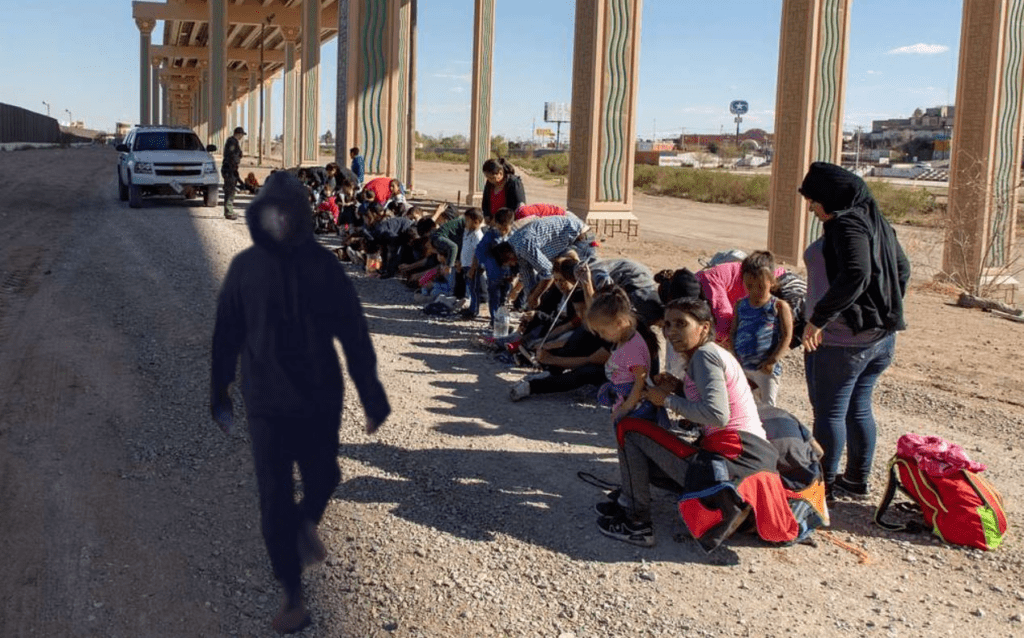
A man who said he is a citizen of Kazakhstan pleaded guilty this week to illegally entering the United States at the southern border with Mexico. But U.S. prosecutors said he was also carrying a Russian passport and that he admitted to being a member of the Wagner Group, a Russia-backed mercenary organization that is a target of U.S. sanctions, according to a media report in Texas.

A criminal complaint filed on Jan. 5 against the man, Timur Praliev, says U.S. Border Patrol agents encountered him on the previous day.

“When questioned as to his citizenship, defendant stated that he was a citizen and national of Kazakhstan, who had entered the United States illegally on January 4, 2025 by crossing the Rio Grande River near Roma, Texas,” read the complaint, which was filed in federal court in McAllen, Texas.

However, the ValleyCentral.com news site, which covers the Rio Grande Valley in south Texas, reported that Praliev was carrying both Russian and Kazakh passports, a total of about $7,000 in U.S. dollars and Mexican pesos and also had a drone in his backpack. The news site attributed information about Praliev to Assistant U.S. Attorney Amanda McColgan.

The federal prosecutor requested that Praliev be sentenced to 15 days in prison because of concern about his association with Wagner, which has fought in Western-backed Ukraine and also projected Russian power in Syria and several African countries, with sometimes brutal methods.

On Jan. 7, Praliev pleaded guilty to illegal entry into the United States and U.S. Magistrate Judge J. Scott Hacker sentenced him to time served, meaning that he had completed his prison sentence while waiting in detention for the hearing.

Dave Hendricks, the journalist who reported on the case for ValleyCentral.com, said on X that “he’ll almost certainly remain in federal custody until he’s deported.”

EDB Forecasts 8.4% GDP Growth for Tajikistan in 2025

Tajikistan’s real GDP is projected to grow by 8.4% in 2025, driven by favorable trade and investment dynamics, rising gold export prices, and decreasing energy import costs, according to the Eurasian Development Bank (EDB). This optimistic forecast surpasses the Tajik government’s minimum expectation of 8.0% growth.

The EDB predicts that inflation will rise to 5.9% in 2025, returning to the National Bank of Tajikistan’s (NBT) target range of 6.0% (+/- 2 percentage points) by the end of the year. Analysts attribute this inflationary uptick to strong domestic demand.

In 2024, Tajikistan recorded a historic low inflation rate of 3.6% – the lowest since the country’s independence. However, a slight increase in the refinancing rate, by 1 percentage point, is expected as inflation adjusts back to the target range. The refinancing rate has remained at 9.0% since August 5, 2024.

The EDB also forecasts a slight devaluation of the somoni, Tajikistan’s national currency, with the exchange rate expected to reach 11 somoni per US dollar by the end of 2025. This adjustment is attributed to higher imports and a decline in remittance volumes.

Currently, the somoni trades at 10.9450 per dollar, reflecting a 0.2% appreciation against the dollar in 2024, according to data from the National Bank for Reconstruction and Development.

The Times of Central Asia previously highlighted the main short-term risks for Tajikistan’s economy from 2024 to 2026, but the EDB’s projections signal a positive outlook for 2025. Key growth drivers, such as trade, investment, and favorable market conditions, are expected to bolster economic performance despite currency pressures.

Despite the fact that the Government of Tajikistan claims the poverty level in the country has decreased (the poverty threshold is not specified), in reality a huge swathe of the male population is working abroad in an attempt to feed their families. Up to 40% of households in Tajikistan have at least one member working abroad. According to the World Bank-KNOMAD, migrants’ remittances to Tajikistan in 2022 amounted to 5.346 billion dollars (39.6% of the country’s GDP). This makes Tajikistan one of the most remittance-based economies in the world.


This story was last updated on 10 January 2025 at 10:23GMT


Low Revenues Cast Doubt on Kyrgyzstan’s Casino Legalization Efforts

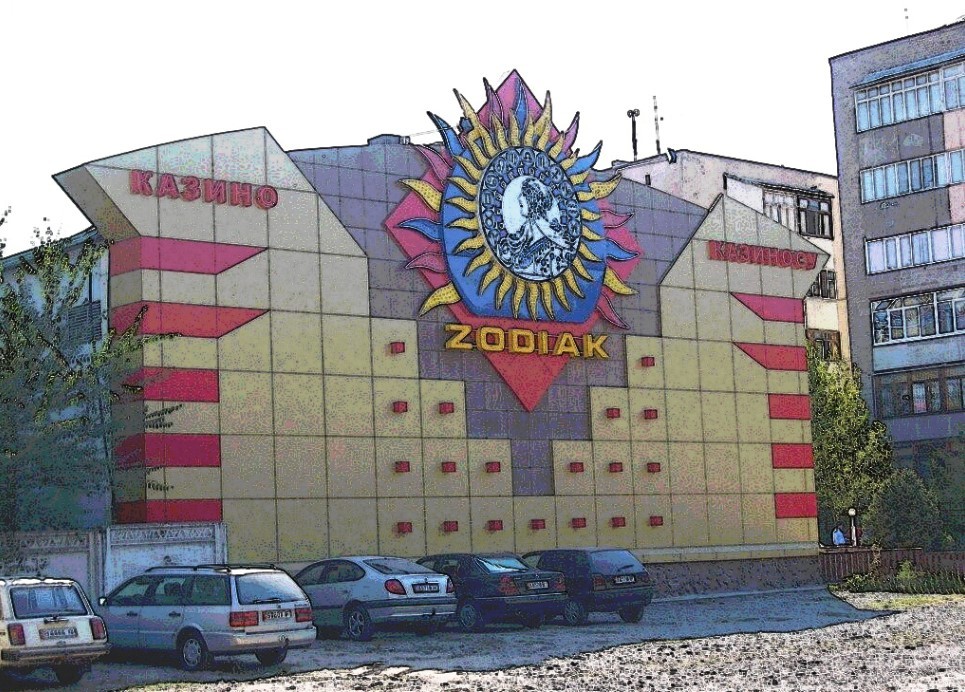
After a decade-long prohibition, Kyrgyzstan legalized gambling – for foreigners – in 2022, anticipating a substantial boost to state revenues. Authorities projected billions of Kyrgyz Som (KGS) in revenue from casinos, betting shops, and slot machines. However, the actual contributions to the state budget have been far more modest, amounting to only a few hundred million KGS.

According to official figures, Kyrgyzstan currently hosts three operating casinos. In their first year, these establishments paid KGS 97 million (approximately $1.1 million) in taxes and other budgetary contributions. By 2024, this figure is expected to rise to KGS 270 million ($3.1 million). While this reflects growth, it remains below the ambitious expectations set by the government.

The underwhelming results have sparked criticism from legislators. Last year, members of parliament voiced dissatisfaction with the meager revenues. MP Sultanbay Aizhigitov expressed frustration, stating: “There is almost no benefit to the state from casino activity. It is a business controlled by five or six individuals, and it causes significant harm. The initiative has not justified itself. Do we need casinos at all? Perhaps it’s better to shut them down.”

Recent data reveals that the majority of gambling revenue – KGS 258 million ($2.8 million) -came from casinos. Betting shops contributed KGS 11 million ($125,000), while slot machine operators added a mere KGS 1.8 million ($20,500).

Notably, the 2022 legislation legalizing gambling in Kyrgyzstan stipulates that only foreign citizens may participate in such activities. Kyrgyz nationals caught gambling face fines, along with the casino hosting them. In an effort to boost revenues, the government has permitted casinos to operate in state-owned buildings and hotels with government stakes.

Despite these measures, however, the financial benefits of gambling legalization remain a contentious issue, with critics questioning its overall value to the country.

‘Made in Kyrgyzstan’ Program Aims to Boost Exports and Strengthen Global Presence

Kyrgyzstan’s Ministry of Economy and Commerce has launched the National Export Program “Made in Kyrgyzstan” for 2025-2028. Coordinated by the Kyrgyz Export Center, the initiative aims to help domestic producers access international markets, enhance the country’s export potential, and establish the “Made in Kyrgyzstan” brand as a recognizable symbol abroad.

Program Goals and Priorities

The program focuses on increasing Kyrgyzstan’s export volumes and foreign trade revenues by strengthening the position of Kyrgyz-made goods in global markets. It prioritizes key industries, including textiles, food, jewelry, and halal products, with the goal of making Kyrgyz exports more competitive internationally.

To achieve these objectives, the program will:

  • Support local entrepreneurs by promoting participation in international exhibitions and trade fairs.
  • Facilitate access to financing and preferential loans for exporters.
  • Streamline bureaucratic processes to expedite export procedures.
  • Ensure domestic products meet international quality standards and certification requirements.

Additionally, the program emphasizes increasing the export of high value-added goods and diversifying Kyrgyzstan’s export portfolio to reduce its negative foreign trade balance.

Foreign Trade Trends

According to the National Statistical Committee, Kyrgyzstan’s foreign trade turnover for January – October 2024 totaled $13.4 billion, marking a 6.4% increase compared to the same period in 2023. However, the trade balance remained negative, with exports accounting for 23.3% and imports for 76.7% of the total turnover​.

Key highlights include:

  • Exports: Grew by 25.2% to $3.1 billion, largely driven by gold exports, which made up 34.1% of the total. Excluding gold, exports reached $2.1 billion, an increase of 21.9%.
  • Imports: Rose by 1.8%, amounting to $10.3 billion.

Trade with member states of the Eurasian Economic Union (EAEU) – Armenia, Belarus, Kazakhstan, and Russia – amounted to $4.2 billion, a 13.7% increase. Russia (71.8%) and Kazakhstan (26.4%) remained Kyrgyzstan’s largest trading partners within the EAEU.

Meanwhile, trade with countries outside the EAEU reached $9.2 billion during the same period.

Strengthening Export Potential

The “Made in Kyrgyzstan” program aspires to boost exports of diversified, high-quality products while addressing the country’s trade deficit. By empowering local businesses, improving export infrastructure, and fostering global competitiveness, the initiative represents a significant step forward for Kyrgyzstan’s economic growth and international trade ambitions.