• KGS/USD = 0.01144 0%
  • KZT/USD = 0.00196 -0%
  • TJS/USD = 0.10899 -0%
  • UZS/USD = 0.00008 -0%
  • TMT/USD = 0.28490 0%
  • KGS/USD = 0.01144 0%
  • KZT/USD = 0.00196 -0%
  • TJS/USD = 0.10899 -0%
  • UZS/USD = 0.00008 -0%
  • TMT/USD = 0.28490 0%
  • KGS/USD = 0.01144 0%
  • KZT/USD = 0.00196 -0%
  • TJS/USD = 0.10899 -0%
  • UZS/USD = 0.00008 -0%
  • TMT/USD = 0.28490 0%
  • KGS/USD = 0.01144 0%
  • KZT/USD = 0.00196 -0%
  • TJS/USD = 0.10899 -0%
  • UZS/USD = 0.00008 -0%
  • TMT/USD = 0.28490 0%
  • KGS/USD = 0.01144 0%
  • KZT/USD = 0.00196 -0%
  • TJS/USD = 0.10899 -0%
  • UZS/USD = 0.00008 -0%
  • TMT/USD = 0.28490 0%
  • KGS/USD = 0.01144 0%
  • KZT/USD = 0.00196 -0%
  • TJS/USD = 0.10899 -0%
  • UZS/USD = 0.00008 -0%
  • TMT/USD = 0.28490 0%
  • KGS/USD = 0.01144 0%
  • KZT/USD = 0.00196 -0%
  • TJS/USD = 0.10899 -0%
  • UZS/USD = 0.00008 -0%
  • TMT/USD = 0.28490 0%
  • KGS/USD = 0.01144 0%
  • KZT/USD = 0.00196 -0%
  • TJS/USD = 0.10899 -0%
  • UZS/USD = 0.00008 -0%
  • TMT/USD = 0.28490 0%
08 December 2025

Kazakhstan Refuses to Finance an Artificial Rain Project over the Aral Sea

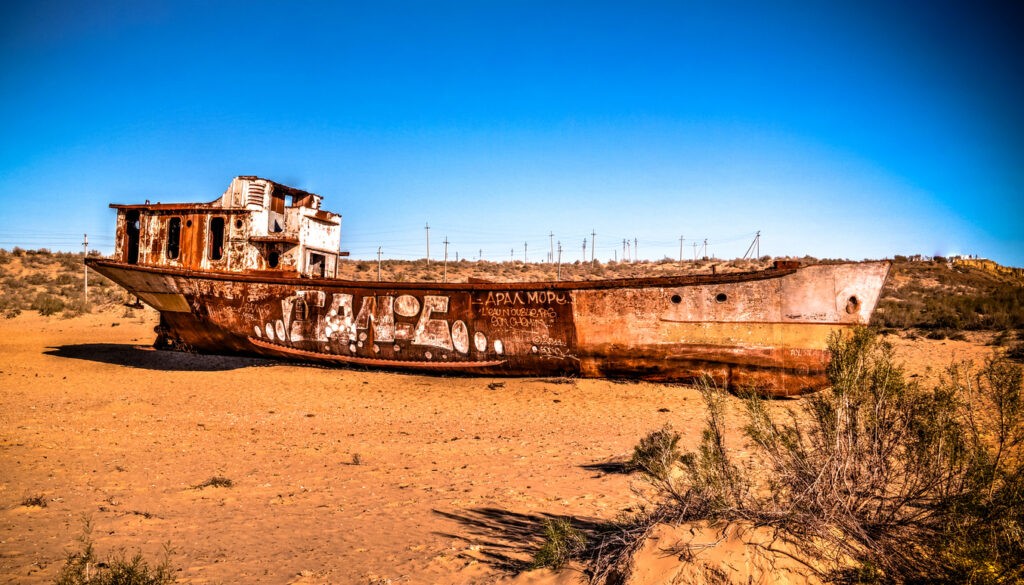
Kazakhstan’s Ministry of Agriculture has decided not to support a project by inventor Altay Ainabek aimed at bringing artificial rain over the Aral Sea to revive it. At a recent government briefing, the deputy minister for agriculture, Azat Sultanov, answered journalists’ questions about public interest in the project.

Sultanov said that the decision not to fund the project is related to environmental and legal issues. Firstly, artificially inducing precipitation could negatively affect the ecosystems and natural resources of the region where the experiment will be conducted, leading to unintended consequences and environmental harm.

In addition, according to Sultanov, the legality and legitimacy of using such technologies is questionable. The agriculture ministry does not yet have a scientific conclusion and does not have sufficient experience in this area. These factors make it impossible to finance such projects from the state budget.

The deputy minister added: “We have researched the law many times. Specialists from abroad have already come to us with questions. You probably know that in Mangistau and West Kazakhstan regions 2-3 years ago, there were problems with water. Then, it was suggested to cause precipitation to make it rain. However, there are several aspects to this problem. On the one hand, there are environmental issues; it’s nature. Even though it rained in one place, it can cause harm in another.”

In 2021, artificially inducing rain was tested for the first time in Mangistau. The sprinkler system works using Clear Sky Manager technology.

However, a little later, it became known that the installations affected the amount of rainfall. Abnormal rains led to floods and river overflows in the traditionally arid region, so the experiment was halted.

EFSD to Build Nine Schools in Kyrgyzstan

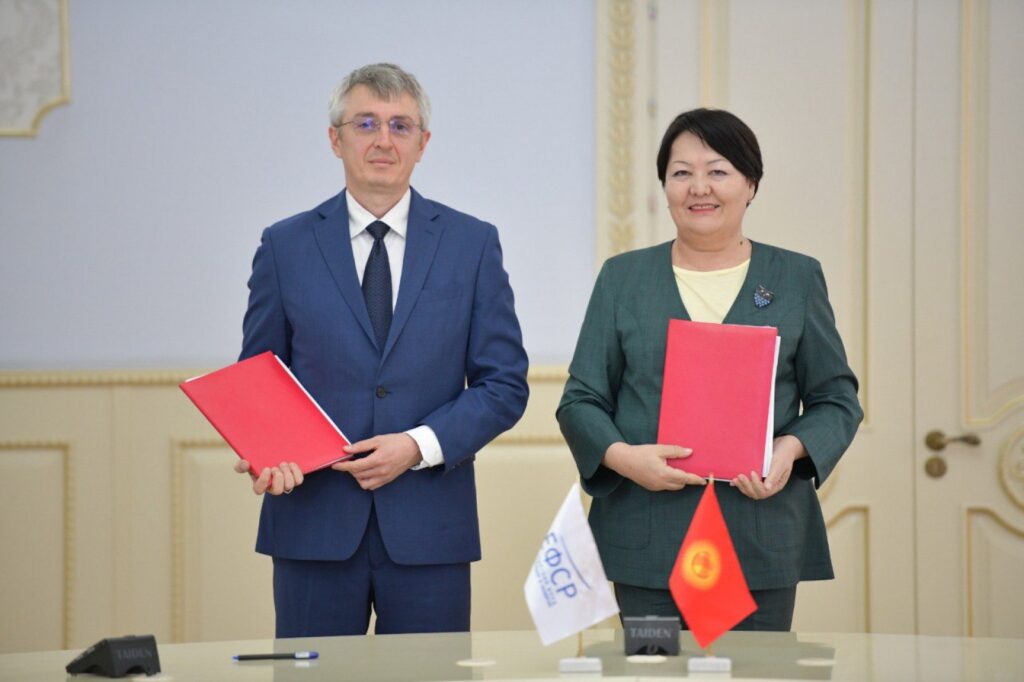
On July 23, Dogdurkul Kendirbaeva, Minister of Education and Science of Kyrgyzstan, and Andrey Shirokov, Executive Director of the Project Unit at the Eurasian Fund for Stabilization and Development (EFSD), signed an agreement to construct and fully equip nine secondary schools in Kyrgyzstan on a grant basis.

The EFSD is a financial institution established in 2009 by Armenia, Belarus, Kazakhstan, Kyrgyzstan, Russia, and Tajikistan to promote economic and financial stability in its member states.

The document was signed following a meeting between Andrey Shirokov and Akylbek Japarov, Chairman of the Kyrgyz Republic’s Cabinet of Ministers, during which the latter reiterated the parties’ commitment to cooperate on the implementation of projects prioritized by his country.

In addition to the schools,  a $60 million project will be launched to provide drinking water to 32 villages in the southern Osh region. Other proposed initiatives include improving the country’s irrigation system and purchasing ambulances.

EFSD is also invested in cooperating on improvements to Kyrgyzstan’s roads and as stated by Japarov, “the planned Aral–Suusamyr highway project is expected to reconstruct approximately 80 km of the road connecting the Bishkek–Osh and North-South transport corridors, vital to the Kyrgyz Republic. The successful implementation of this project will promote the socio-economic development of the Naryn and Talas regions and the remote areas of the Chui region, reduce travel times, and significantly improve road safety in the country.”

ADB to Support Climate-Friendly Business Environment in Tajikistan

The Asian Development Bank (ADB) says it has approved a $50 million policy-based grant for a program that will help the government of Tajikistan foster a climate-responsive business environment and support small and medium-sized enterprises (SMEs) in the country.

The program aims to transform Tajikistan’s business environment through digitization, reforms to increase exports, improvement of infrastructure governance, fiscal transparency, and support for climate-friendly SMEs.

Underscoring ADB’s commitment to supporting Tajikistan in its transition to a green economy, ADB Director General for Central and West Asia Yevgeniy Zhukov commented, “By promoting climate-responsive investments and improving the overall business environment, we aim to stimulate economic growth, create green jobs, and enhance the country’s resilience to climate change.”

The program will support reforms subsidizing climate-friendly SMEs, and prioritizing funding for female entrepreneurs. It advances digitization and e-commerce through the Agency for Innovation and Digitization and the approval of the E-Commerce program.

The program will also support enhanced public investment management through assessments to recommend improvements and prioritize climate-focused projects. Fiscal transparency will improve the Ministry of Finance’s capacity to publish government finance statistics. The program will also promote international trade and investment by streamlining trade documentation processes and updating regulatory frameworks for issuing local and green bonds.

Kyrgyzstan to Introduce Tourist Tax for Foreign Visitors

Kyrgyzstan’s capital Bishkek plans to introduce a tourist tax for foreign visitors staying in the city.

The Kabar news agency reported that according to the draft resolution submitted by the mayor’s office for public discussion, visitors will be charged 50 KGS (approximately 0.59 dollars) for every day spent in the Bishkek’s hotels, hostels, campsites, guest houses, and holiday lets.

The fee is not included in the cost of accommodation. Instead, operators will be obliged to advise their guests of the charges and collect the fee when they register their stay.

Following the requirements of the Kyrgyz Republic’s tax legislation, cash register machines are mandatory in all types of accommodation and the fee, paid in Kyrgyzstan’s national currency, will be accepted either in cash or by bank card.

Ex-Chairman of Kazakhstan’s KNB Denied Pardon

President of Kazakhstan Kassym-Jomart Tokayev has refused to pardon the ex-head of the National Security Committee (KNB) Karim Massimov, who in 2023 was convicted of treason and the attempted seizure of power. This information was reported to Informburo.kz by the Presidential Administration.

On June 27, the Commission on Pardons considered the petition for Massimov’s pardon under the President of the Republic of Kazakhstan.
The Presidential Administration responded to Informburo.kz, stating that “following the results of the study about the possibility of applying an act of pardon to Massimov, the Commission made a corresponding proposal to the Head of State, with which he agreed.”

Karim Massimov was detained during the events of January 2022. The criminal case against him was assigned “top secret”. In late April 2023, a court in Astana sentenced Massimov to 18 years in prison for treason, the attempted violent seizure of power, abuse of power, and abuse of authority.

Rise in Kyrgyzstan Foster Families

At the beginning of July, records showed that 218 children without parental care were being raised by 110 foster families in Kyrgyzstan; an increase of 29% compared to the previous year.

Active in promoting fostering as a far better alternative to orphanages , the Kyrgyz Ministry of Labor reports, “A foster or adoptive family is a trained family that provides upbringing for children in difficult life situations for a certain period of time, based on a contract with the state.

Citizens between the ages of 30 to 65 are eligible to apply to become foster parents and to ensure the safety and wellbeing of their charges, receive specialist training as well as monthly checks by social service employees.  Contracted by the state, they also receive an allowance of $80 a month until the orphans come of age.

According to the Ministry of Social Services, “If applicants have one or two children, they can only foster three. If foster parents have no children of their own, they can raise up to five toddlers or teenagers from three to 16 years of age.”

Beneficial on many levels, fostering provides children with both a secure base and opportunities to master a trade, work in agriculture or follow a profession, to enable them to lead independent lives as adults.