• KGS/USD = 0.01144 0%
  • KZT/USD = 0.00210 0%
  • TJS/USD = 0.10559 0.19%
  • UZS/USD = 0.00008 0%
  • TMT/USD = 0.28530 0%
  • KGS/USD = 0.01144 0%
  • KZT/USD = 0.00210 0%
  • TJS/USD = 0.10559 0.19%
  • UZS/USD = 0.00008 0%
  • TMT/USD = 0.28530 0%
  • KGS/USD = 0.01144 0%
  • KZT/USD = 0.00210 0%
  • TJS/USD = 0.10559 0.19%
  • UZS/USD = 0.00008 0%
  • TMT/USD = 0.28530 0%
  • KGS/USD = 0.01144 0%
  • KZT/USD = 0.00210 0%
  • TJS/USD = 0.10559 0.19%
  • UZS/USD = 0.00008 0%
  • TMT/USD = 0.28530 0%
  • KGS/USD = 0.01144 0%
  • KZT/USD = 0.00210 0%
  • TJS/USD = 0.10559 0.19%
  • UZS/USD = 0.00008 0%
  • TMT/USD = 0.28530 0%
  • KGS/USD = 0.01144 0%
  • KZT/USD = 0.00210 0%
  • TJS/USD = 0.10559 0.19%
  • UZS/USD = 0.00008 0%
  • TMT/USD = 0.28530 0%
  • KGS/USD = 0.01144 0%
  • KZT/USD = 0.00210 0%
  • TJS/USD = 0.10559 0.19%
  • UZS/USD = 0.00008 0%
  • TMT/USD = 0.28530 0%
  • KGS/USD = 0.01144 0%
  • KZT/USD = 0.00210 0%
  • TJS/USD = 0.10559 0.19%
  • UZS/USD = 0.00008 0%
  • TMT/USD = 0.28530 0%

Kazakhstan’s Energy Ministry Discusses Nuclear Plant Construction With South Korea

From October 22 to 25, a delegation from Kazakhstan led by Energy Minister Almasadam Satkaliev visited South Korea. As part of the visit, meetings were held with representatives of leading Korean energy companies and government agencies.

The key topics of the talks were cooperation issues in the nuclear power industry. In addition, at the meeting with the South Korean Minister of Trade, Industry, and Energy, they discussed opportunities to expand cooperation in the oil and gas sector and renewable energy.

Satkaliev also met with the management of major Korean companies, including Doosan Enerbility, Korea Hydro & Nuclear Power (KHNP), Korea Electric Power Corporation (KEPCO), Korea National Oil Corporation (KNOC), and Samsung C&T.

During the talks, the parties considered the prospects of Korean companies participating in an international consortium, which Kazakhstan is studying as a model for implementing the project to build a nuclear power plant. As the minister specified, the final decision on this issue is expected in 2025.

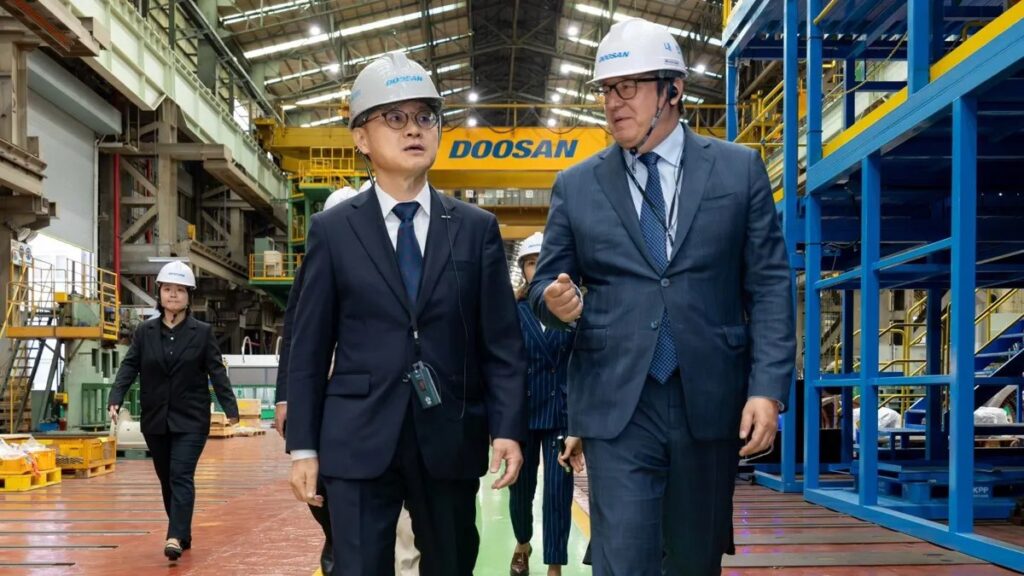
Negotiations with Doosan Enerbility concluded with the signing of a memorandum of understanding. This document provides for studying opportunities to localize the Korean company’s operation in Kazakhstan and establish a representative office of the plant in Astana.

Now, Doosan Enerbility cooperates with Kazakhstan to construct a gas turbine power plant with a capacity of 1000 MW in the Turkestan region. In addition, the company, together with KEPCO KPS, is conducting a technical audit of Kazakhstan’s energy infrastructure to reduce emissions and extend the life of the equipment.

After the October 6 referendum, in which Kazakhstanis supported the construction of the first nuclear power plant, President Kasym-Jomart Tokayev proposed the creation of an international consortium to implement the project. He emphasized that this project requires the participation of the world’s leading companies with modern technology and experience to ensure the safety and efficiency of construction. Russia’s Rosatom, South Korea’s KHNP, France’s EDF, and China’s CNNC are considered potential participants.

These companies are expected to work together to transfer technology and attract investment, which is particularly important for Kazakhstan as it seeks to reduce energy dependence and strengthen the country’s energy security. Construction of the plant is planned to begin on the shores of Lake Balkhash and be completed by 2035. A final decision on the structure of the consortium is expected by 2025.

Uzbekistan Opens Strategic Highway Link to Europe

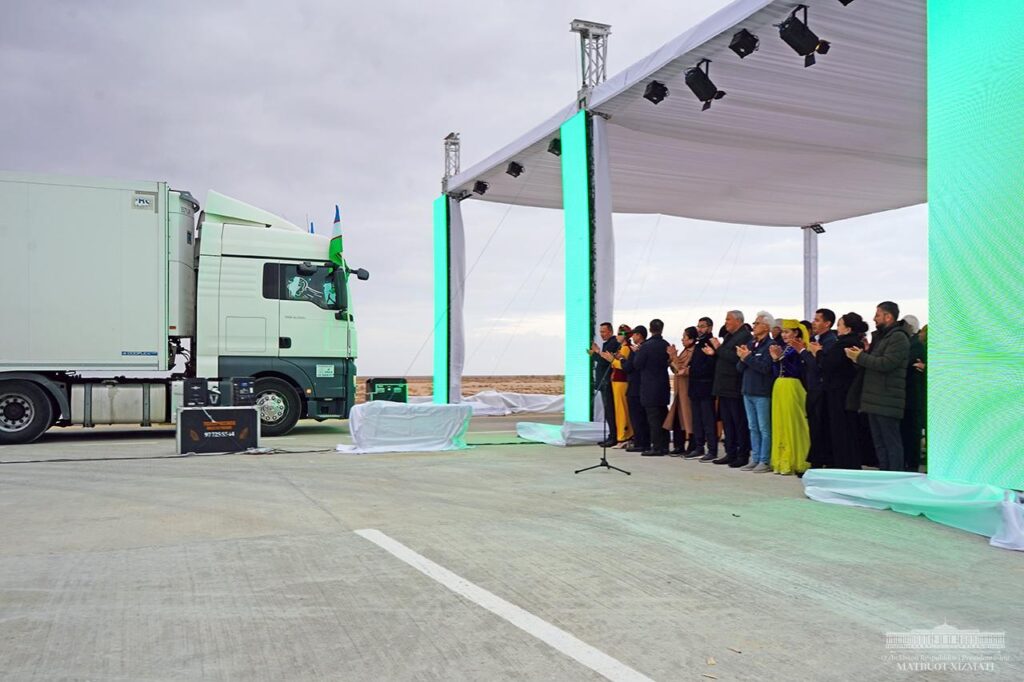
A 240km section of the Kungrad-Beineu highway in Uzbekistan has been reopened after reconstruction.

The road runs through Uzbekistan’s northwestern region of Karakalpakstan to the border with Kazakhstan. It is part of a strategic highway corridor connecting Uzbekistan with European countries.

Uzbekistan’s President Shavkat Mirziyoyev said that the distance of international transportation through Uzbekistan will now be reduced to 1,000 kilometers, and transportation costs will be lowered by 25 percent. “This road will become part of the logistics network reliably connecting our country with European markets through the Caspian and Black Sea ports. On this section of the international corridor “A-380” that passes through Uzbekistan, the daily traffic flow will increase threefold,” Mirziyoyev noted.

In recent years, double-landlocked Uzbekistan has been striving to become a key transit hub in trade turnover between the EU and Turkey and Kyrgyzstan, Tajikistan, and Afghanistan.

Chinese Investors to Build New Industrial Plants and Residential Compound in Kyrgyzstan’s Naryn

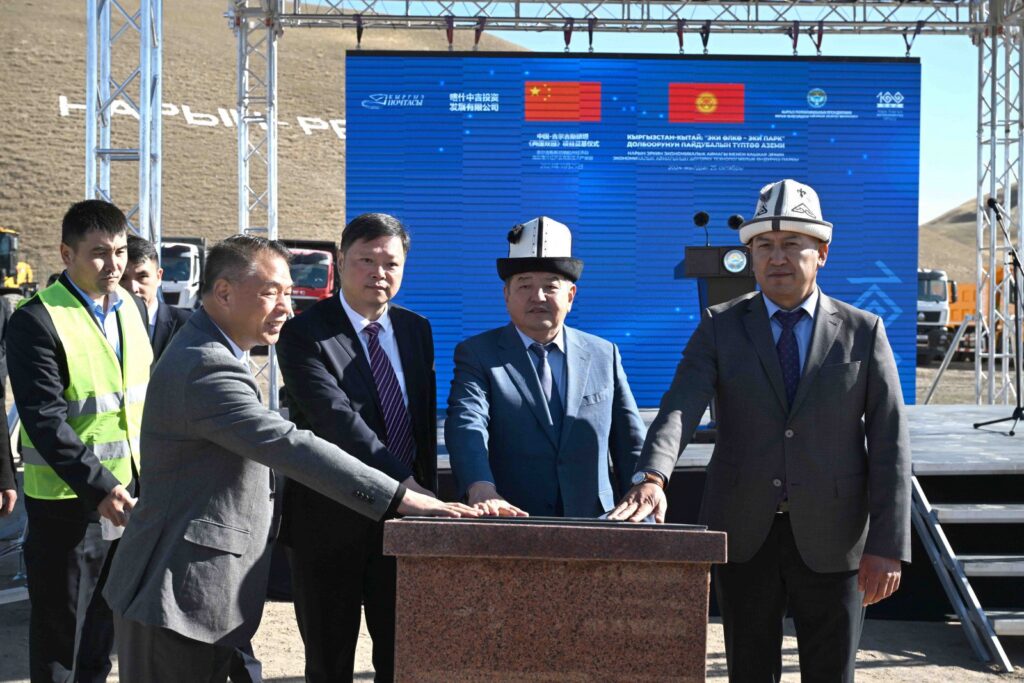
On October 25, Chinese investors launched the construction of four extensive production facilities in Kyrgyzstan’s Naryn region: a car assembly plant, an LED lamp manufacturing plant, a toilet paper and napkin plant, and an agricultural drone manufacturing plant.

At a capsule-laying ceremony, Akylbek Japarov, Chairman of the Cabinet of Ministers of Kyrgyzstan, emphasized that this event proves that Kyrgyzstan has reached “a new, higher level of relations” with its neighbor.

Chinese partners will invest $130 million in the Naryn-Shumkar car assembly plant, which will manufacture more than 20,000 cars annually and create 1,000 jobs.

$10 million will be invested in the LED lamp plant, which will produce 30 million lamps per year and create about 200 jobs.

Another $10 million will be invested in the toilet paper and napkin plant, which will produce 6,000 tons of paper annually and create more than 100 jobs.

On the same day, Japarov attended a ceremony to begin the construction of a new residential compound, Tien Shan City, in the town of Naryn.

The residential compound will consist of six 10-storey apartment blocks. The developer, a construction company from the Chinese city of Kashgar, plans to complete high-quality modern housing construction within a year. The company will also build an administration house for all government services for the local population.

Startups From Central Eurasia Set to Conquer Silicon Valley

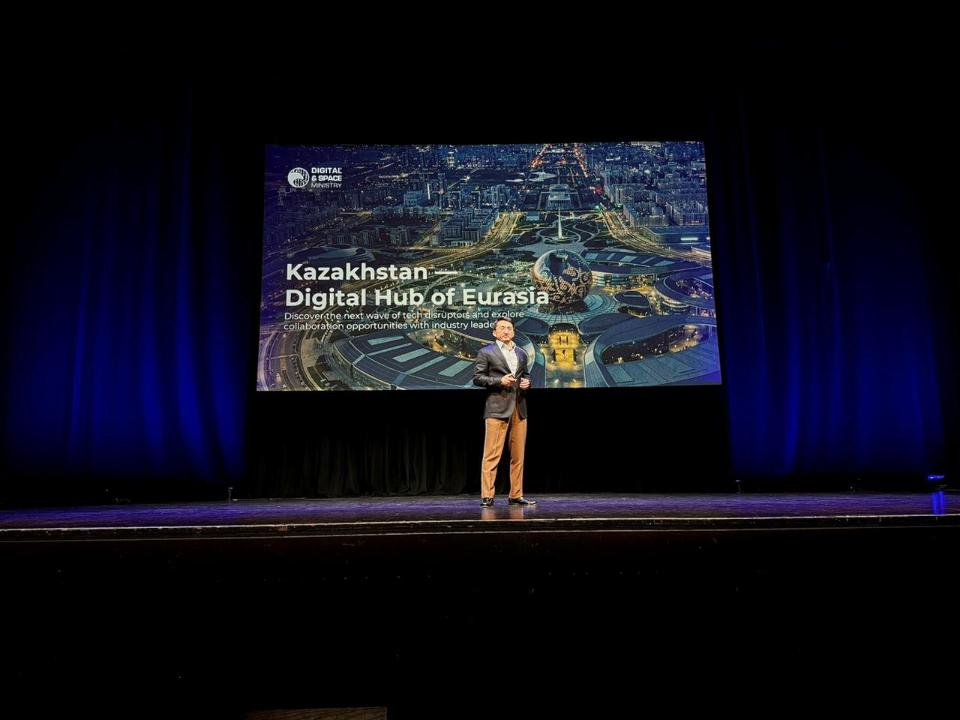
The following 10-15 years will see the birth of large tech companies originating from Central Eurasia, a vast region including Azerbaijan, Georgia, Kazakhstan, Kyrgyzstan, Mongolia, Tajikistan, Turkmenistan, Turkey, and Uzbekistan. This was stated at the first technology conference entitled Central Eurasia at Silicon Valley. The conference brought together the region’s top 100 startups, American venture investors, large company leaders, and tech giants from Silicon Valley.

According to the event organizers, Central Eurasia has enormous untapped potential. With a population of more than 100 million people and an average age of 27, about 200,000 young people in the region annually receive an education in the field of STEM (science, technology, education, mathematics). The area has everything necessary to develop the tech industry: universities, a startup ecosystem, venture funds, and its representative in Silicon Valley — Silkroad Innovation Hub, which, in the first year of its operation, attracted 80 resident startups and more than $30 million in investments.

At the conference, Zhaslan Madiyev, Minister of Digital Development, Innovation and Aerospace Industry of Kazakhstan, said that Kazakhstan accounts for 50% of GDP in Central Eurasia. Kazakhstan is in 10th place in the UN GLOBAL Online Services Index and 3rd place among Central and South Asian countries in the Global Innovation Index (after Iran and India).

“Recently, there has been a rapid development of new technologies, AI, blockchain, and all this stimulates the market and entrepreneurs to create startups,” Madiyev said.

The minister added that Kazakhstani investors are ready to invest $100,000-$200,000 in startups at an early stage. Still, finding $1 million or $2 million in investment can be challenging, even in a more mature stage. Therefore, he urged the promotion of Kazakhstani startups abroad, especially in Silicon Valley.

Kyrgyzstan Triples Ice Cream Exports

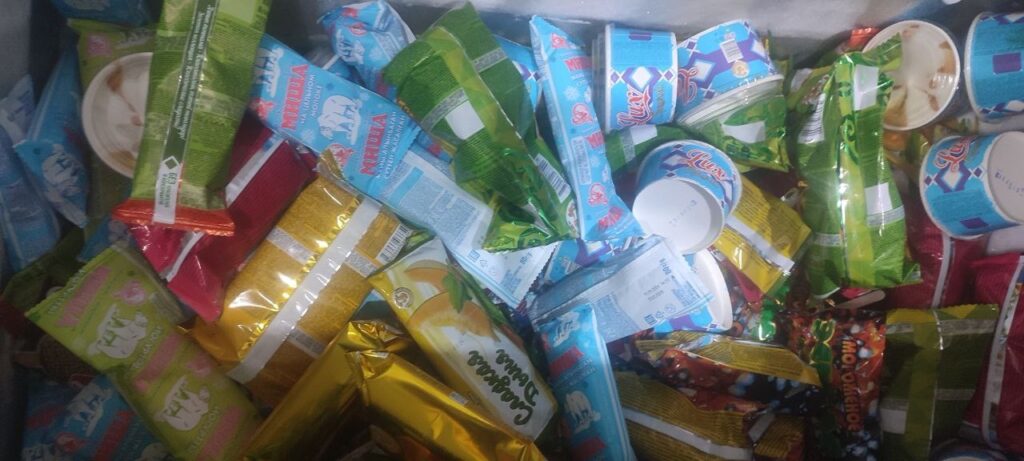
Kyrgyzstan has doubled its ice cream production in the last five years, and tripled its exports to other countries in the region.

Last year, the country produced 10,800 tons of ice cream, up from 5,200 tons five years earlier. This increase is due to growing demand for Kyrgyz ice cream in other Eurasian countries, primarily Kazakhstan, Uzbekistan, and Russia. Exports to these countries have increased from 2,800 tons per year to 6,100 tons since 2019.

“At the same time, imports of ice cream have shown good dynamics recently, and they have decreased from 2,788 tons (per year) to 1,969 tons. This indicates the substitution of imported products with domestic production,” said the Ministry of Agriculture of the Kyrgyz Republic.

According to official data, Kyrgyzstan imports ice cream from Turkey, Belarus, and Lithuania. While a kilogram of ice cream from Russia costs 240 KGS ($3), Lithuania and Turkey ask an average of 570 KGS ($7). The cost of one kilogram of ice cream from Kyrgyzstan is just over 200 KGS ($2.5).

Prosecutor’s Office Urges Caution in Reporting on Alleged Attack on Allamjonov

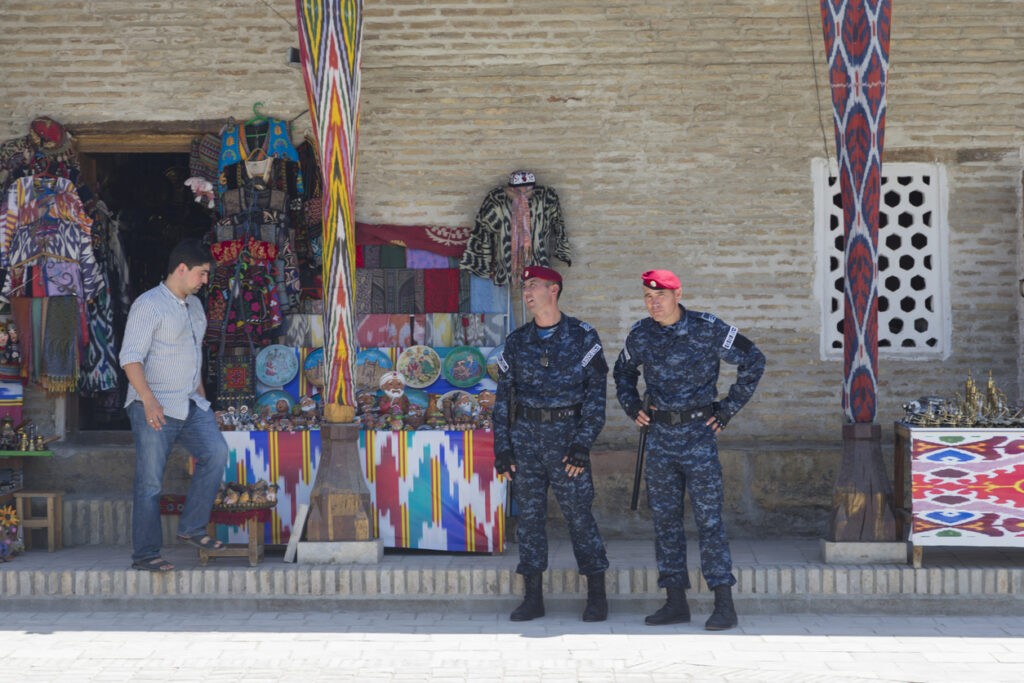
According to Uzbek media, an assassination attempt was made on October 26 against Komil Allamjonov, the former head of the presidential information department. At about 1:40am near Allamjonov’s home in Tashkent’s Kibray district, two unknown people fired several shots at the car he was sitting in and fled the scene. No-one was hurt.

The type of weapon used in the attack has not been determined. An attempted murder case has been opened, and a search is underway. However, in its statement, the General Prosecutor’s Office did not confirm that this was an assassination attempt against Allamjonov.

The media reported the incident under headlines about “Allamjonov’s assassination,” prompting an official response from the General Prosecutor’s Office. They clarified that the information being circulated about the shooting lacks confirmation from reliable official sources. The prosecutor’s office stated that the investigation was ongoing and promised further updates.