• KGS/USD = 0.01144 0%
  • KZT/USD = 0.00212 0%
  • TJS/USD = 0.10456 0.19%
  • UZS/USD = 0.00008 0%
  • TMT/USD = 0.28490 0%
  • KGS/USD = 0.01144 0%
  • KZT/USD = 0.00212 0%
  • TJS/USD = 0.10456 0.19%
  • UZS/USD = 0.00008 0%
  • TMT/USD = 0.28490 0%
  • KGS/USD = 0.01144 0%
  • KZT/USD = 0.00212 0%
  • TJS/USD = 0.10456 0.19%
  • UZS/USD = 0.00008 0%
  • TMT/USD = 0.28490 0%
  • KGS/USD = 0.01144 0%
  • KZT/USD = 0.00212 0%
  • TJS/USD = 0.10456 0.19%
  • UZS/USD = 0.00008 0%
  • TMT/USD = 0.28490 0%
  • KGS/USD = 0.01144 0%
  • KZT/USD = 0.00212 0%
  • TJS/USD = 0.10456 0.19%
  • UZS/USD = 0.00008 0%
  • TMT/USD = 0.28490 0%
  • KGS/USD = 0.01144 0%
  • KZT/USD = 0.00212 0%
  • TJS/USD = 0.10456 0.19%
  • UZS/USD = 0.00008 0%
  • TMT/USD = 0.28490 0%
  • KGS/USD = 0.01144 0%
  • KZT/USD = 0.00212 0%
  • TJS/USD = 0.10456 0.19%
  • UZS/USD = 0.00008 0%
  • TMT/USD = 0.28490 0%
  • KGS/USD = 0.01144 0%
  • KZT/USD = 0.00212 0%
  • TJS/USD = 0.10456 0.19%
  • UZS/USD = 0.00008 0%
  • TMT/USD = 0.28490 0%

Uzbekistan Has Ended Forced Labor, But Cotton Industry Faces New Challenges

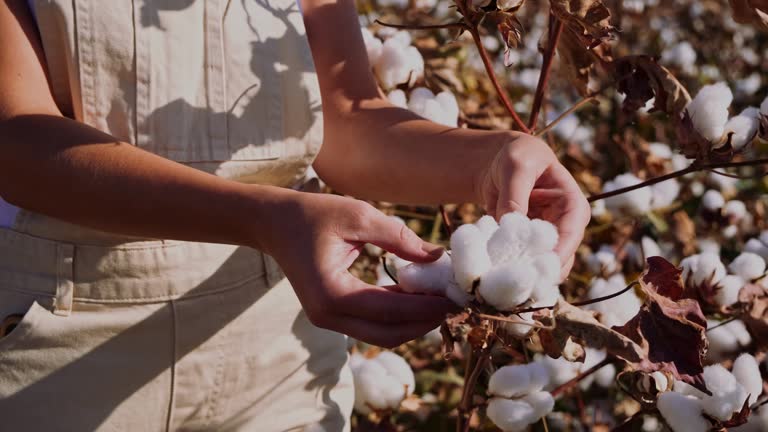
Global Voices reports that Uzbekistan has succeeded in phasing out forced labor in its cotton industry, but now faces new challenges.

The country has made progress in ending forced labor and modernizing its cotton sector, driven by economic and political reasons. Forced labor hurts businesses and the nation’s international image, which the government has aimed to improve since 2016. Cotton production accounts for 12% of GDP.

Since 2017, the government has introduced major reforms to modernize Uzbekistan’s cotton industry, led by President Shavkat Mirziyoyev after he took office in 2016. By 2018, labor control was strengthened, and the cotton cluster system, which controls the entire production process, began to take shape. Today, almost all cotton is grown through 142 clusters. Cotton quotas have been abolished by 2020, and the minimum wage will now be negotiated. The same year, the International Labor Organization reported that child labor was no longer a problem, and the international boycott was lifted in 2022.

Eradicating forced labor has been hailed as “one of the most significant victories anywhere in the world in the battle against forced labor in the twenty-first century,” said Bennett Freeman, co-founder of the Cotton Campaign in 2022. This achievement was possible thanks to the diligence of organizations such as human rights defenders of Uzbekistan and the Uzbekistan Forum for Human Rights, which monitored the cotton fields and recorded violations, as well as the government’s promptness in reviewing these reports.

Global Voices writes that despite the progress achieved in Uzbekistan’s cotton industry, there are still serious problems.

The report states, “Despite abandoning forced labor, the government still continues to exert strong control over cotton production and prevents farmers from fully operating on their own terms.”

Farmers receive resources and loans, but the system remains inefficient, with state-set cotton prices often differing from global rates.

The government and industry need to address these ongoing issues while pursuing international standards and export opportunities to build trust and transparency.


Freedom of Speech in Tajikistan Discussed at OSCE Conference

The deteriorating situation for journalists and freedom of speech in Tajikistan was discussed at the plenary session of the OSCE Human Dimension Conference in Warsaw on October 2.

Participants, including human rights defenders and civil society representatives, noted that arrests of journalists have become a common practice in the country. Some face harassment even outside Tajikistan.

Gulnoza Said, program coordinator for the Committee to Protect Journalists in Europe and Central Asia, said the situation with human rights and freedom of expression has reached a critical point. She said eight journalists, including Ulfatkhonim Mamadshoeva, Daler Imomali, and Khushruz Dzhumayev, are currently in Tajik prisons. Said also emphasized that the sentences handed down to the journalists are incredibly harsh, ranging from seven to 20 years in prison.

Muhammadjon Kabirov, editor-in-chief of Azda TV, broadcasting from Poland, noted that Tajikistan ranks 155th on the World Freedom of Expression Index, and its authorities have created a hostile environment for the media. Kabirov also recalled the transnational repression directed against journalists abroad. In his speech, he cited the conviction of journalists such as Hikmatullo Sayfullozoda and Abdukahor Davlat, who were sentenced to long prison terms in 2015.

A recent example of pressure on the independent press was the arrest of the editor-in-chief of Pike, Ahmadi Ibrohim, who has been charged with bribery and is awaiting trial.

The conference also raised the issue of Tajik authorities harassing journalists and their relatives to force them to stop their activities. Interestingly, although Tajikistan had previously taken an active part in such discussions, there were no representatives of Tajikistan at this year’s event.

International organizations have repeatedly criticized the situation with freedom of speech in Tajikistan. Organizations such as Amnesty International and Freedom House report the constant harassment of journalists, independent media, and activists. Opposition media outlets are banned in the country, and journalists face arrests and long prison terms on charges that human rights activists call trumped-up.

Kyrgyzstan Produces All Potatoes, Vegetables, Fruit, and Milk It Needs

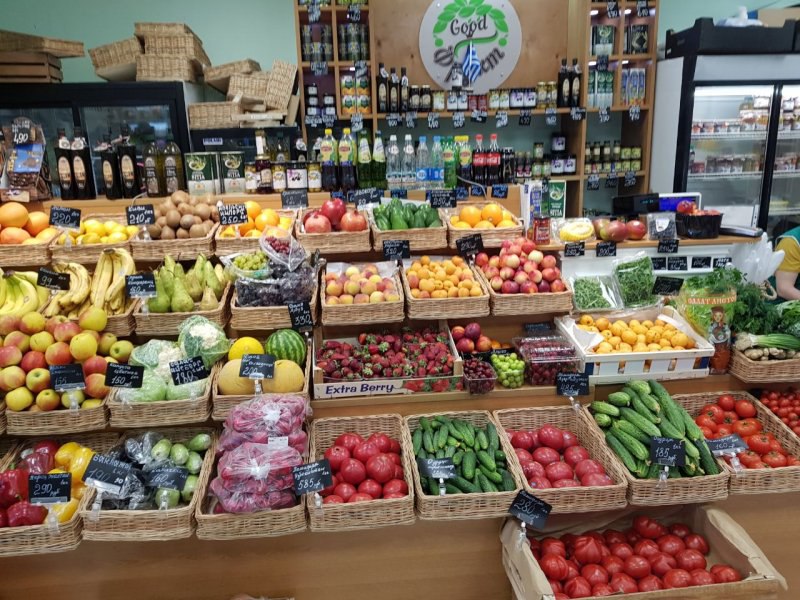
According to government data, of the eight basic socially significant food products in Kyrgyzstan, domestic production meets the demand only for potatoes, vegetables, fruits, and milk. The demand for bread and bakery products, meat, sugar, eggs, and vegetable (cooking) oil is partly satisfied with imports.

This was announced at the Council on Food Security and Nutrition meeting on October 3.

From January to July 2024, the levels of self-sufficiency were 86.5% for bread and bakery products, 162.8% for potatoes, 159% for vegetables and fruits, 79.1% for meat, 116.3% for milk, 49.2% for sugar, 71.4% for eggs, and 48.5% for vegetable oil.

Kyrgyzstan imports food from Russia, Kazakhstan, Belarus, Uzbekistan, and China.

At the meeting, Deputy Chairman of the Cabinet of Ministers – Minister of Water Resources, Agriculture and Processing Industry Bakyt Torobaev ordered additional measures to support agricultural production and incentivize local producers.

Torobaev also announced the establishment of the Research Institute of Food Security and Nutrition, which will become a center of knowledge and innovation that will help improve the country’s food security.

The institute’s creation will allow scientific research in agronomy and veterinary science and the development of recommendations for improving agricultural product production and processing technologies. It will also cooperate with international organizations and scientific institutions to implement the best global practices in food security.

Kazakhstan Recycles 24% of Waste It Produces

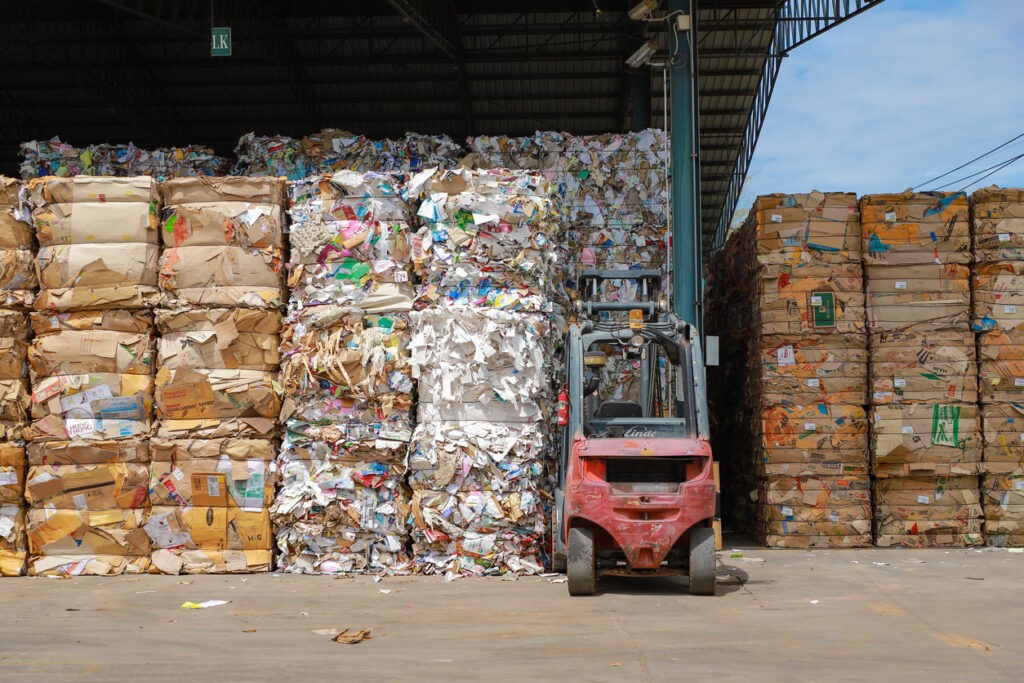
Deputy Minister of Ecology and Natural Resources Zhomart Aliyev said at the VIII Eurasian Business Forum “Green Energy & Waste Recycling” in Astana on October 3 that in 2023, 4.1 million tons of municipal waste were produced across Kazakhstan, and only 24% of that volume was recycled.

According to Aliyev, unauthorized landfills remain a big problem. A total of 4,868 such landfills have been identified, and only 32% of them have been recycled.

As of 2023, only 624 out of Kazakhstan’s 3,016 solid waste landfills met all the environmental requirements.

The government has approved 94 investment projects to construct waste processing plants in Kazakhstan, which is expected to increase the country’s municipal waste processing from 1 million to 2.2 million tons annually.

The government has also approved a resolution on preferential financing for the construction of waste sorting and recycling plants and a plan to modernize existing solid waste landfills.

The government has also drafted a Concept for the Development of Environmental Culture for 2024-2029, which aims to raise public awareness of proper waste management.

Kazakhstan Leads Central Asia in Global Knowledge Index

Kazakhstan performed best among Central Asian countries in the 2024 Global Knowledge Index, conducted by the United Nations Development Program in cooperation with the Mohammed bin Rashid Al Maktoum Knowledge Foundation. The country takes a respectable 74th place out of 133 countries; however, Kazakhstan is 60th out of the 61 countries with very high human development.

The index considers seven indicators covering the countries’ education, information and communication technology, and economic sectors.

Uzbekistan is in 78th place, and the country ranks 14th out of 28 countries with high human development.

Kyrgyzstan has a modest knowledge infrastructure. It is 84th in this rating and is a medium indicator of the country’s knowledge infrastructure. The country ranks 5th out of 25 countries with medium human development.

Tajikistan records the lowest result among the region’s countries in the Global Knowledge Index. With 36.1 points, it takes 111th place among the 133 countries. Regarding medium human development, the country shows the same result as Kyrgyzstan.

Reservoirs in Kazakhstan Make Room for Next-Year Meltwater

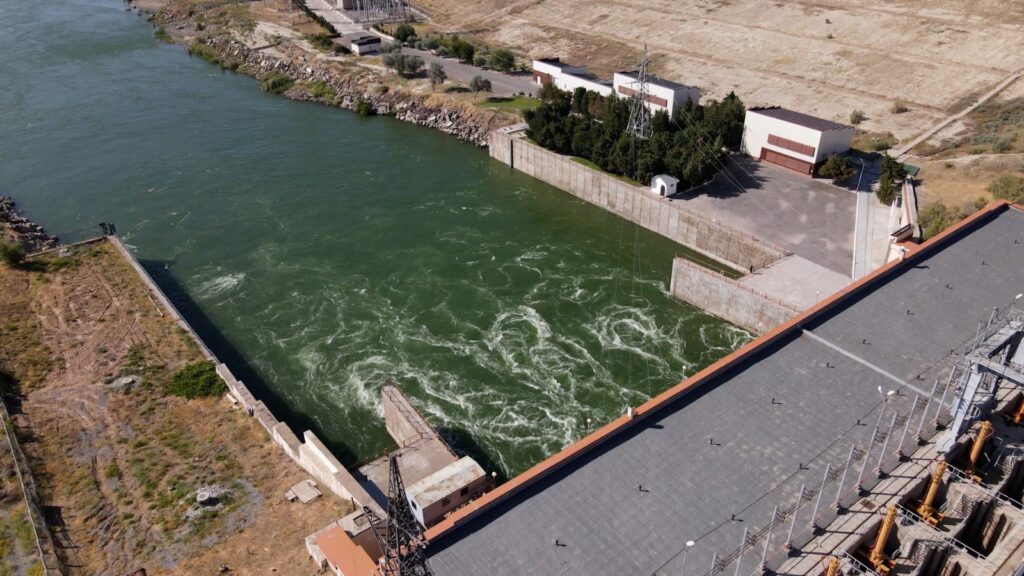
In preparation for potential floods next spring, Kazakhstan’s Ministry of Water Resources and Irrigation is gradually releasing water from reservoirs in the country’s northern, western, central, and eastern regions to ensure they can receive snowmelt water in case of flooding.

In Kostanay Region, the Karatomar reservoir releases 50 cubic meters of water per second.

In Aktobe Region, the Kargalinsky reservoir discharges 15 cubic meters of water per second, and 107 million cubic meters of water were released from the Aktobe reservoir from August 23 to October 1.

In western Kazakhstan, three cubic meters of water per second are released from the Kirov reservoir, 13 cubic meters per second from the Bitik reservoir, six cubic meters from the Dunguluk reservoir, and five cubic meters from the Pyatimar reservoir.

At the same time, reservoirs in dry southern regions of Kazakhstan keep accumulating water for next year’s growing season.

Deputy Minister of Water Resources and Irrigation Nurlan Aldamzharov commented that the country’s reservoirs accumulated 75 billion cubic meters of water this past spring, 15 billion cubic meters more than last year. More than 12 billion cubic meters of that water was flood water.

In the spring of 2024, Kazakhstan’s western and northern regions suffered from unprecedented floods caused by the rapid snowmelt. The floods destroyed thousands of homes and forced almost 100,000 people to evacuate from flood zones.