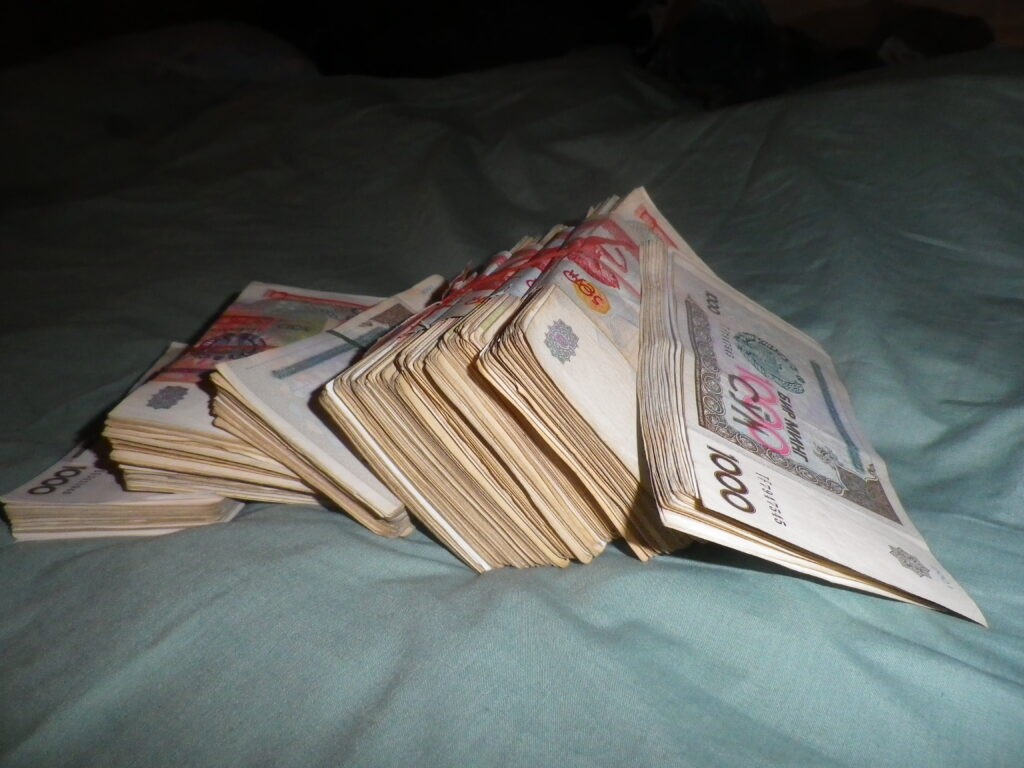
• KGS/USD = 0.01144 0%
  • KZT/USD = 0.00214 0%
  • TJS/USD = 0.10508 0.48%
  • UZS/USD = 0.00008 0%
  • TMT/USD = 0.28571 0%
  • KGS/USD = 0.01144 0%
  • KZT/USD = 0.00214 0%
  • TJS/USD = 0.10508 0.48%
  • UZS/USD = 0.00008 0%
  • TMT/USD = 0.28571 0%
  • KGS/USD = 0.01144 0%
  • KZT/USD = 0.00214 0%
  • TJS/USD = 0.10508 0.48%
  • UZS/USD = 0.00008 0%
  • TMT/USD = 0.28571 0%
  • KGS/USD = 0.01144 0%
  • KZT/USD = 0.00214 0%
  • TJS/USD = 0.10508 0.48%
  • UZS/USD = 0.00008 0%
  • TMT/USD = 0.28571 0%
  • KGS/USD = 0.01144 0%
  • KZT/USD = 0.00214 0%
  • TJS/USD = 0.10508 0.48%
  • UZS/USD = 0.00008 0%
  • TMT/USD = 0.28571 0%
  • KGS/USD = 0.01144 0%
  • KZT/USD = 0.00214 0%
  • TJS/USD = 0.10508 0.48%
  • UZS/USD = 0.00008 0%
  • TMT/USD = 0.28571 0%
  • KGS/USD = 0.01144 0%
  • KZT/USD = 0.00214 0%
  • TJS/USD = 0.10508 0.48%
  • UZS/USD = 0.00008 0%
  • TMT/USD = 0.28571 0%
  • KGS/USD = 0.01144 0%
  • KZT/USD = 0.00214 0%
  • TJS/USD = 0.10508 0.48%
  • UZS/USD = 0.00008 0%
  • TMT/USD = 0.28571 0%

The Yurt : More Than a Humble Abode

Attracted by the region’s spectacular, natural landscape, an ever-increasing number of tourists descends on Central Asia each year. For many, one of the highlights, is to experience a night or two in yurts, traditional, humble felt-clad tents which in use for over 2,500 years, were homes to most of Central Asia’s nomads until the 1930’s.
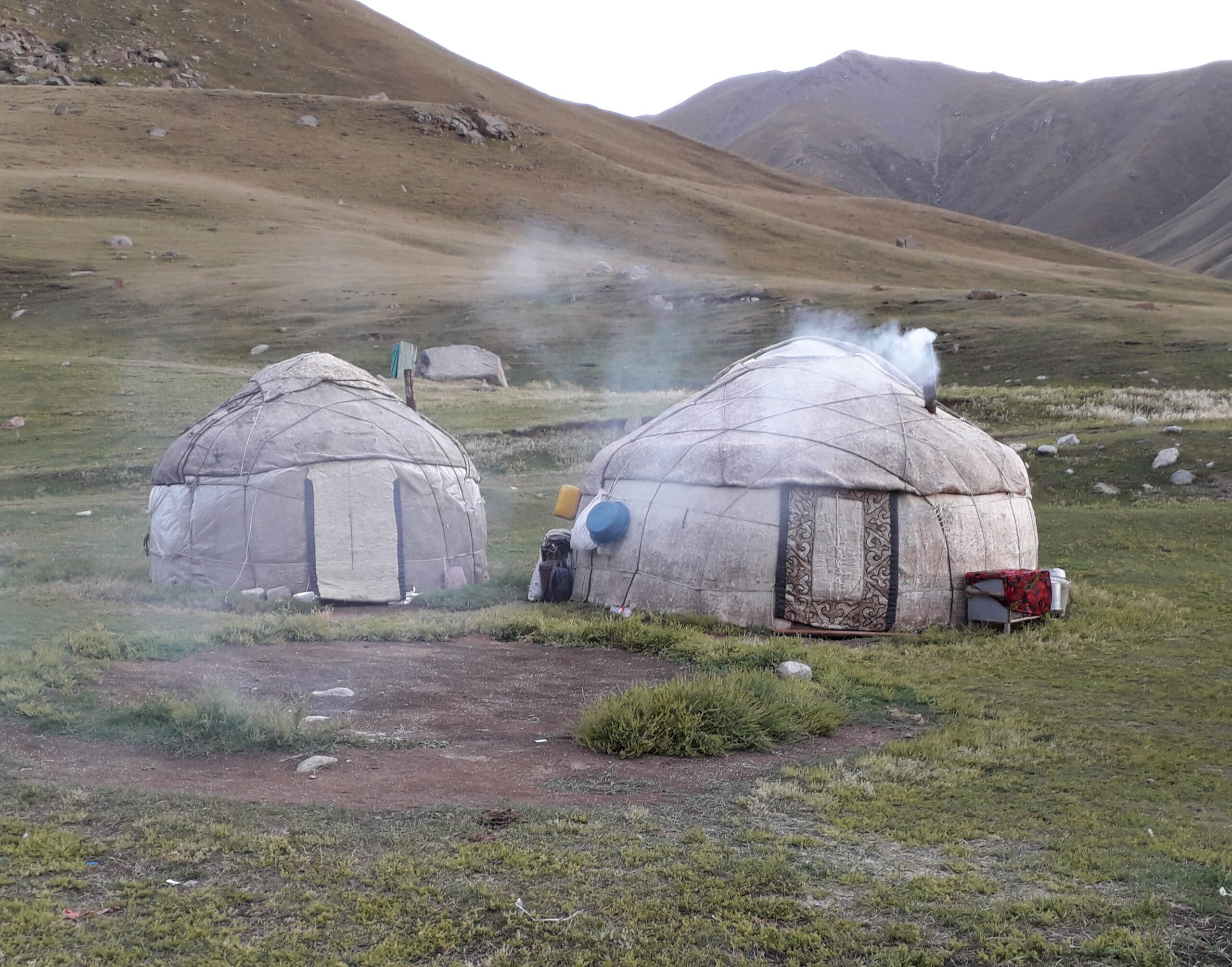
Photo LH: herders’ yurts

Today’s Kazakh, and Kyrgyz herders are semi-nomadic. Winters are spent in villages but during the warmer months, they migrate with their animals to summer pastures and like their ancestors before them,  live in yurts.

More than a humble abode, the yurt encapsulates the cultural, philosophical, and aesthetic values of both Kazakh and Kyrgyz people; a fact recognized by its inclusion in 2014, in the UNESCO Representative List of Intangible Cultural Heritage of Humanity.
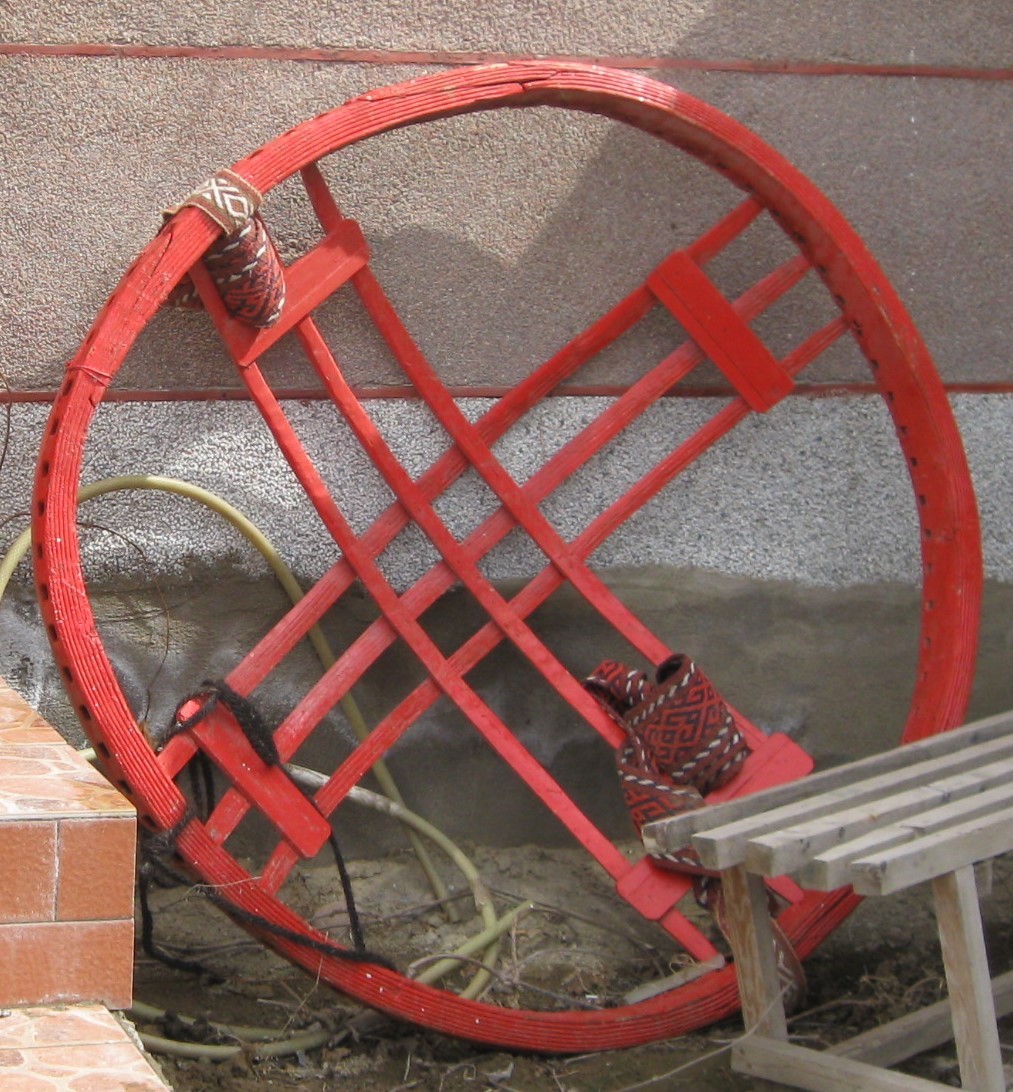
Photo LH: shanyrak

To gain a better understanding of the cultural significance of the Kazakh yurt in particular, TCA spoke to Art historian Raushan Yeschanova who explained:

“A yurt is not just a dwelling; it is a space that reflects the entire philosophy of Kazakh nomadic culture. It is a house that carries the idea of harmony, freedom and connection with nature. The yurt serves not only as a home, but also as a place for rituals, festivals, and gatherings, making it a central element of Kazakh society.”

A yurt consists of several key elements, each of which has a meaning beyond its mere function.
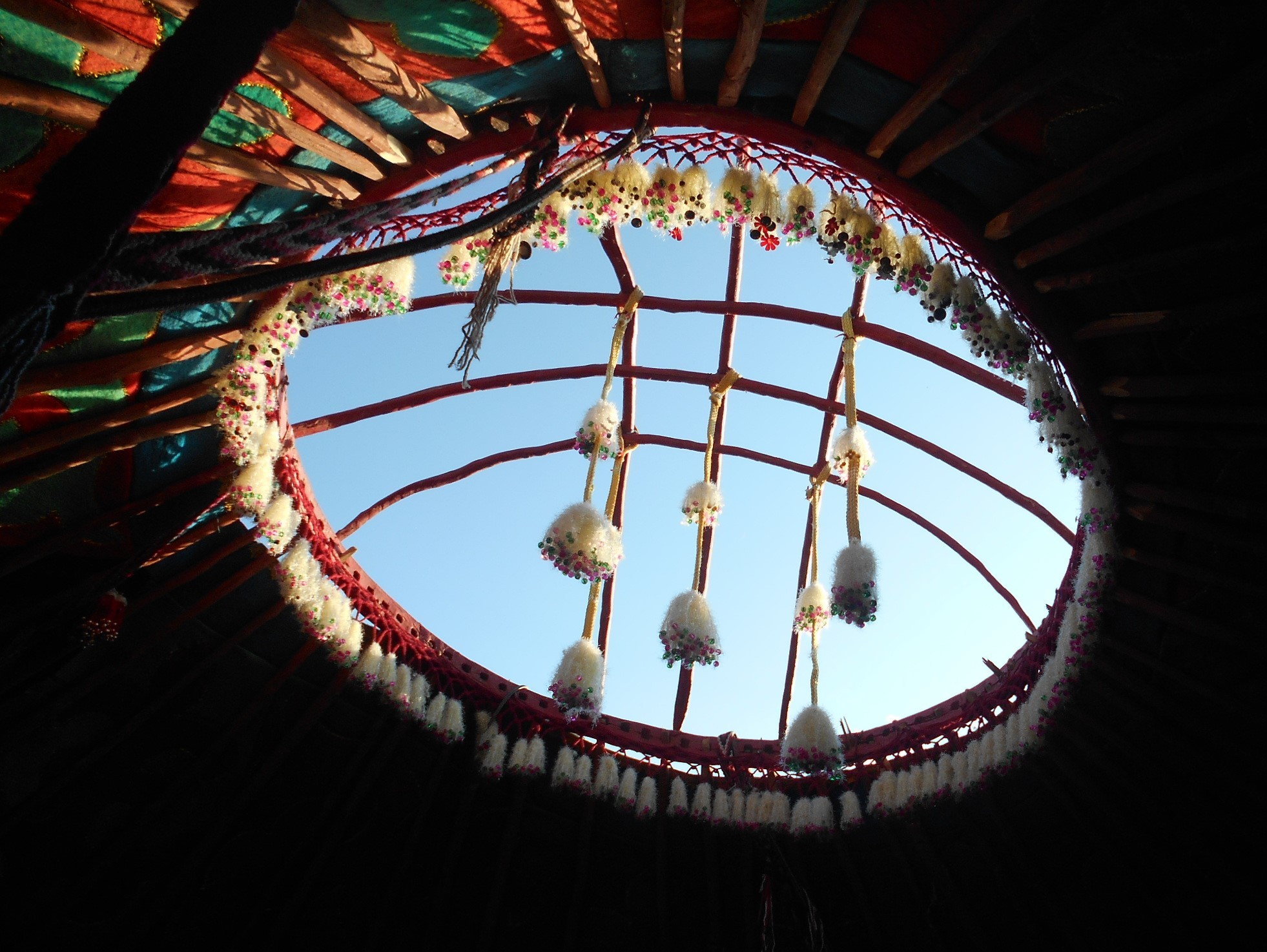
Photo LH: shanyrak in situ

The Shanyrak or Crown

The most cherished component of the yurt, carefully preserved and passed down generations from fathers to sons, the ‘crown’ is a circular structure of steam-bent wood located in the center of the roof to ventilate the interior and allow the escape of smoke from the stove. The cultural importance of the Kazakh shanyrak and Kyrgyz tunduk, is such that it features on the national flags of both Kazakhstan and Kyrgyzstan.

Regarding rules in erecting the yurt, Raushan states: “In spite of the fact that construction is, as they say, a ‘man’s business’, women are actively engaged in the construction of the yurt which takes up to three hours. Its assembly is a special ritual in which each element has its own sacral meaning. Only men are permitted to handle the shanyrak which is lifted to the upper part of the frame with a forked pole known as a bakan. Perceived as a symbol of masculinity, women are forbidden to touch the bakan except during childbirth when it is retained in place for them to lean on to ease their labour.”

Kerege

The circular foundation of the yurt comprises four or more sections of folding wooden lattice linked together on diagonal axes and to the doorframe with braided rope known as saganak.

Uyk

Traditionally fashioned from wild willow, these long, steam-bent, or straight wooden poles, extend from the kerege and slot into the crown, to form the roof of the yurt.
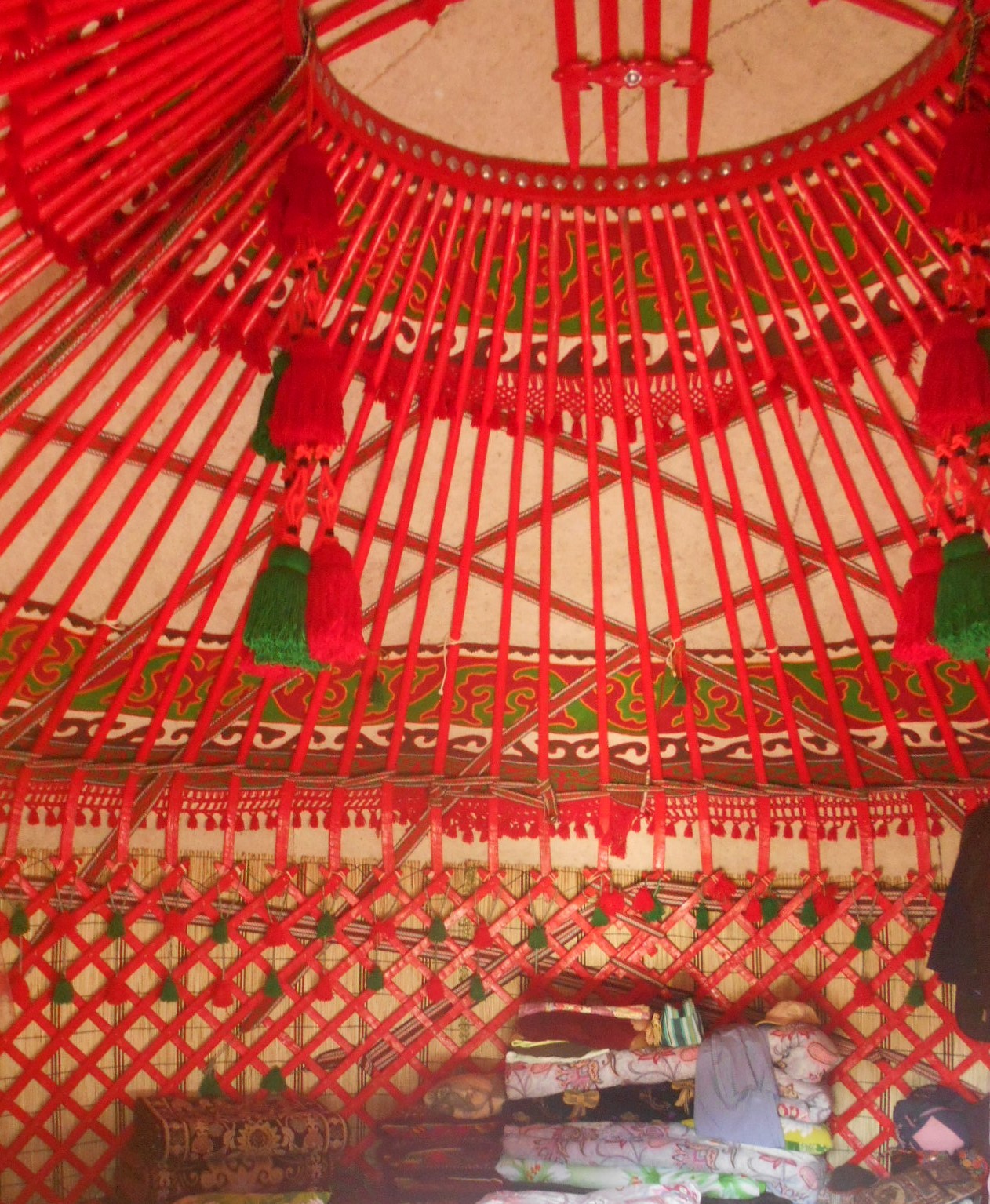
photo LH: yurt interior

Yerenek

The yurt entrance consists of three parts: a wooden jamb, often embellished with carved designs, a colourful, painted wooden door, and an embroidered felt cape.
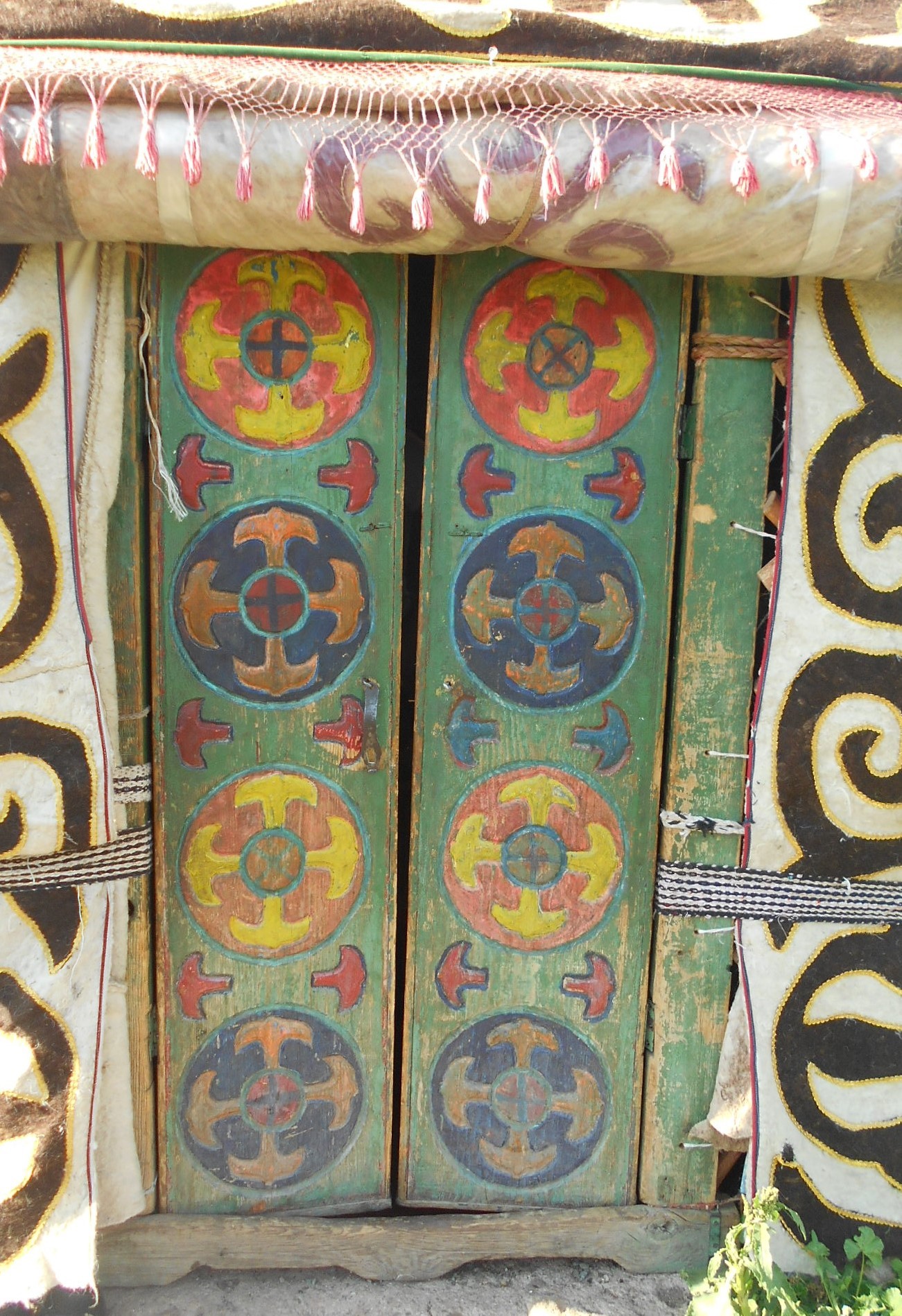
Photo LH: traditional doorway

The frame of the yurt is clad with felt, providing warmth and protection from the elements and Raushan notes: “Three types of felt are used to clad the frame, differing in size and shape according to function: turyrlyk for the base; uzyuk for the dome, and tundik covering the shanyrak. The creamy-white felt of pure wool, was traditionally made during the summer following specific, ancient rituals. The edges of the cloths are laced with hand-braided cord and each section, decorated with appliqued patterns of traditional geometric and zoomorphic motifs to denote the owners’ status.

“I personally believe,” said Raushan, “ that a yurt has a feminine soul, and like a woman, her body is adorned with robes and jewelry. Traditional measurements for different elements relate to parts of the human body and when we talk about the different sections, we can imagine talking about a living being. For example, each notch into which the dome’s poles are inserted is known as a kez meaning ‘eye’; the frame resembles the joints in the human hand, shoulder and forearm, reaching up to the palm-like shanyrak. The walls of the kerege are curved, echoing the shape of the human spine. The name for the dome’s felt cladding translates as ‘cape’ and the lower covering is called the hem. All the decorations of the yurt are vibrantly colourful, and what girl finds it impossible to love beautiful clothes and jewellery?!”

On a final note, Raushan stressed that in contrast to those of other Turkic peoples, Kazakh yurts are defined by their purpose, with guest yurts known as konak uy, those for newly-weds, as otau, and those erected to store and prepare food for special celebrations, as uy.

 In recent years, comparatively luxurious  yurts have become the go-to choice in glamping throughout Europe, but for Kazakhs and indeed, many Central Asian peoples, the traditional yurt is not just a dwelling, but a highly important symbol of their culture, traditions, and family values.


Turkmen Student Wins UNESCO Prize in AI Competition

Abdyleziz Saryev, a student from Turkmenistan’s International University of Humanities and Development, has won the award for “Best Idea and Approach” at the third UNESCO International Model competiton on the ethics of using artificial intelligence in education.

The event’s final stage was held from August 12-14 in Almaty, and Saryev won the jury’s recognition against stiff competition from students from 52 countries. In addition to Saryev, awards were given to representatives of Egypt and Hong Kong. Students from these countries were recognized for “Best Paper” and “Best Presentation”, respectively.

The Third UNESCO International Model is an educational event in which students try on the role of representatives of UNESCO member states by simulating official UNESCO meetings. Participants get an opportunity to study in-depth the international problems related to the use of AI, and propose solutions for their implementation in the education system.

Uzbekistan Targets Further Reduction in Poverty Rate

Uzbekistan has set itself the ambitious goal of reducing the rate of poverty in the country from 11% to 7% in the next three years. To achieve this, the government plans to introduce a series of systematic measures to improve the economic situation of low-income segments of the population.

The main emphasis will be placed on the development of the private sector and entrepreneurship, which should lead to the creation of new jobs. In addition to economic measures, attention will be paid to improving the social protection system, improving the quality and accessibility of education, and expanding access to healthcare.

Since 2020, Uzbekistan has made significant progress in fighting poverty: the poverty rate has fallen in this time from 17% to 11%. This has been achieved through a comprehensive approach that includes economic and social reforms. In the Syrdarya region, for example, the poverty rate has fallen by 6 percentage points, and in the Andijan region by 5.5 percentage points.

The authorities plan to allocate significant funds annually to fight poverty. This money will be distributed to regions and mahallas (local communities) with high levels of poverty, where individual support programs for each family will be introduced. Public control over the implementation of these programs will also be strengthened.

Chinese Yuan to Become Kyrgyzstan’s Fifth Official Currency

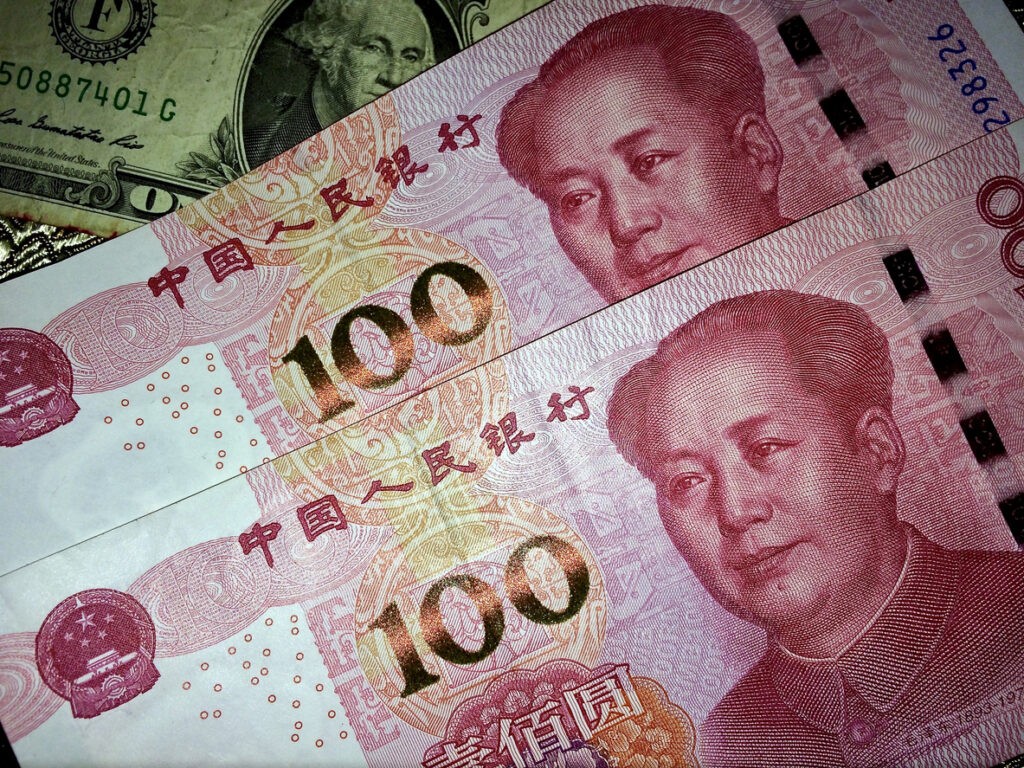
The National Bank of the Kyrgyz Republic has announced that from next month the Chinese yuan will be an official currency of Kyrgyzstan.

The yuan will join the Kyrgyz sum, the U.S. dollar, the euro, and the Russian ruble as official currencies, and an official exchange rate will be set.

This measure aims to facilitate trade transactions and improve economic ties with China, one of Kyrgyzstan’s largest trading partners. Introducing the yuan into official circulation will also help stabilize the country’s financial system amid global economic uncertainty and allow entrepreneurs and financial institutions to manage their currency risks better.

Notably, this initiative is being implemented against the backdrop of the yuan’s growing influence in international settlements and its emergence as a global reserve currency. It also opens up new opportunities for Kyrgyzstan to participate in Chinese investment projects, which could positively impact the development of infrastructure and other key sectors of the economy.

The change will take effect from September 1, 2024. The Chinese yuan exchange rate to the Kyrgyz sum will be calculated based on the cross rate with the U.S. dollar. This method is based on data from the agencies such as Reuters and Bloomberg.

Uzbekistan Brings Home Citizens Convicted Abroad

On August 13, Uzbekistan amended its Code of Criminal Procedure to compel Uzbekistan’s citizens who have been imprisoned for crimes in certain foreign countries to serve the rest of their sentences in Uzbekistan.

Uzbekistan has so far signed agreements with only 10 countries for imprisoned persons to be transferred to prisons in Uzbekistan to continue serving their sentences.

According to Sherzod Tokhtashev, a politician from the government-aligned Miliy Tiklanish (National Revival) party, this law does not concern Uzbeks currently imprisoned in Russia. He did however mention that there are separate appeals in parliament to return Uzbek nationals convicted of crimes in Russia to domestic jails. At the same time, there are also calls for these prisoners’ families to be brought home.

“We receive requests to return children and relatives of Uzbeks from Russian prisons to Uzbekistan. Due to the lack of an agreement with Russia on the exchange of prisoners, everyone is helpless,” said Tokhtashev.

According to Uzbek government, 20 citizens of Uzbekistan are currently serving terms in Italy, 250 in Turkey, and more than 450 in Kazakhstan.

Kyrgyz Farmers Unite Into Cooperatives To Maximize Export Potential

This year, 47 new agricultural cooperatives appeared in Kyrgyzstan — a total of 741 associations. Experts say that merging into large farms will allow farmers to increase yields and the export potential of their products.

In 2023, Kyrgyzstan exported more than 850,000 tons of agricultural products — vegetables, fruits, milk, and meat. More than 40% of these exports went to the countries of the Eurasian Economic Union (EAEU). However, to increase the export potential and the geography of supplies, it is necessary to move away from so-called “small-scale production.” When farmers produce goods in small batches, experts believe the way out of this situation can be the cooperation of farms.

“The issue of creating cooperatives is a sore point in Kyrgyzstan’s farming sector. For over 10 years, we have been saying there is a problem — small-scale commodity production. According to official data, we have more than 460,000 farmers in the country, but, unfortunately, there is no volume of production,” Rustam Baltalbayev, Executive Director of the Association of Agroindustrial Complex (AAC), told The Times of Central Asia.

Baltabayev said an agricultural co-op is the most convenient form of doing business in agriculture. It solves the problem of wholesale supplies abroad. According to the AAK, agrarians in Kyrgyzstan’s southern regions — producers of white rice and bell peppers — are actively joining agricultural cooperatives.

“This mechanism, in my opinion, is the most profitable and convenient regarding agricultural development. It is only necessary to finalize the legal forms so that large holdings could join associations,” he noted.