• KGS/USD = 0.01144 0%
  • KZT/USD = 0.00217 0%
  • TJS/USD = 0.10456 0%
  • UZS/USD = 0.00008 0%
  • TMT/USD = 0.28490 0%
  • KGS/USD = 0.01144 0%
  • KZT/USD = 0.00217 0%
  • TJS/USD = 0.10456 0%
  • UZS/USD = 0.00008 0%
  • TMT/USD = 0.28490 0%
  • KGS/USD = 0.01144 0%
  • KZT/USD = 0.00217 0%
  • TJS/USD = 0.10456 0%
  • UZS/USD = 0.00008 0%
  • TMT/USD = 0.28490 0%
  • KGS/USD = 0.01144 0%
  • KZT/USD = 0.00217 0%
  • TJS/USD = 0.10456 0%
  • UZS/USD = 0.00008 0%
  • TMT/USD = 0.28490 0%
  • KGS/USD = 0.01144 0%
  • KZT/USD = 0.00217 0%
  • TJS/USD = 0.10456 0%
  • UZS/USD = 0.00008 0%
  • TMT/USD = 0.28490 0%
  • KGS/USD = 0.01144 0%
  • KZT/USD = 0.00217 0%
  • TJS/USD = 0.10456 0%
  • UZS/USD = 0.00008 0%
  • TMT/USD = 0.28490 0%
  • KGS/USD = 0.01144 0%
  • KZT/USD = 0.00217 0%
  • TJS/USD = 0.10456 0%
  • UZS/USD = 0.00008 0%
  • TMT/USD = 0.28490 0%
  • KGS/USD = 0.01144 0%
  • KZT/USD = 0.00217 0%
  • TJS/USD = 0.10456 0%
  • UZS/USD = 0.00008 0%
  • TMT/USD = 0.28490 0%

Kazakhstan Has Selected a Site for Its Second Nuclear Power Plant

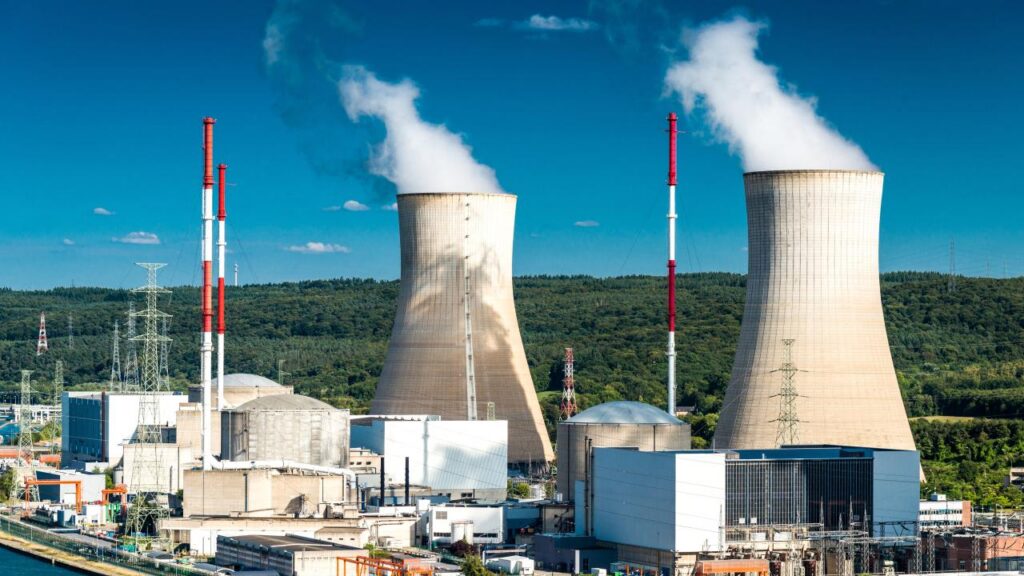
The Kazakh government has approved the location for its second nuclear power plant. According to an official decree, the facility will be constructed in the Zhambyl district of the Almaty region, adjacent to the site selected for the country’s first nuclear plant.

The Ministry of Justice published Government Resolution No. 40, dated January 26, 2026, titled On the Construction and Construction Site of the Nuclear Facility “Second Nuclear Power Plant”, in the Adilet system of regulatory legal acts. The resolution came into effect on the day of its signing.

Nuclear projects typically proceed through feasibility studies, environmental review, and financing arrangements, and timelines can shift as plans move from preliminary approval to full construction.

Earlier reports indicated that contracts for the construction of Kazakhstan’s second and third nuclear plants were awarded to China’s CNNC, with the first plant being developed by the Russian state corporation Rosatom. Its site is located in the village of Ulken, also in Zhambyl district, on the shore of Lake Balkhash, approximately 400 km northwest of Almaty. Thus, Kazakhstan’s first two nuclear power facilities will be concentrated in the country’s southern region.

The design capacity of the first plant is 2.4 GW, comprising two VVER-1200 reactors, each with a capacity of 1.2 GW. Rosatom has already begun preparatory work on the site. The foundation is scheduled to be poured in 2029, with commissioning planned for 2035.

Previously, Kurchatov in the Abai region, near the former Semipalatinsk nuclear test site, was considered as a possible location for one of the three planned plants. This site was reviewed with International Atomic Energy Agency participation. However, the current government decision confirms a focus on the Almaty region.

The Kazakh authorities view nuclear energy as a strategic solution to the country’s growing electricity shortage. At the same time, in January, Energy Minister Yerlan Akkenzhenov stated that Kazakhstan would be able to fully meet domestic energy demand by the end of the first quarter of 2027, without nuclear power, and by 2029, the country is expected to reach a surplus and begin electricity exports.

Italian Firm Explores Waste Recycling Projects in Kyrgyzstan

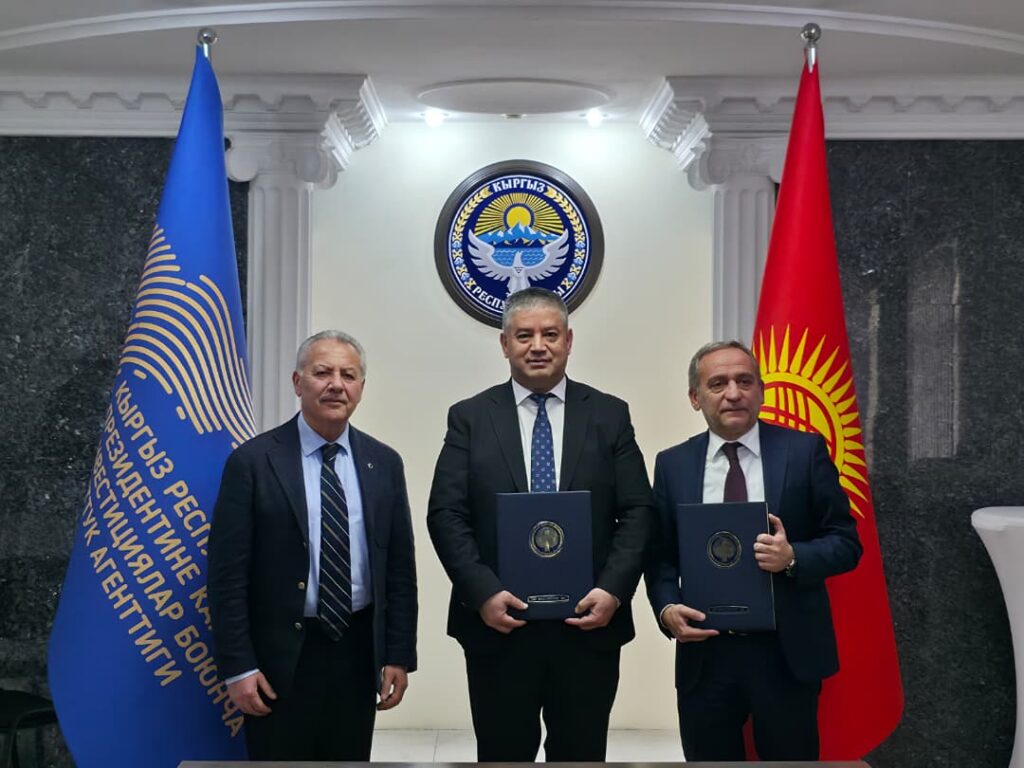
On February 2, the National Investment Agency under the President of the Kyrgyz Republic hosted representatives from Italian company TRITOR S.R.L., a firm known for its environmentally friendly waste recycling technologies, to discuss potential pilot projects in Kyrgyzstan.

The meeting brought together officials from Kyrgyz municipal governments and the Ministry of Health to explore investment opportunities focused on processing municipal solid waste and medical waste. Participants also discussed candidate locations for future recycling facilities.

Following the talks, the parties signed a memorandum of cooperation outlining several pilot initiatives. These include the processing of up to 200 tons of unsorted household waste per day, the supply of alternative environmentally friendly fuels to local cement plants, the introduction of modern technologies for landfill reclamation and cleanup, and the development of medical waste recycling systems in public healthcare institutions.

Ravshanbek Sabirov, head of the National Investment Agency, underscored the importance of such initiatives for the country.

“The problem of waste recycling is particularly acute today, and Kyrgyzstan is interested in implementing modern, environmentally friendly technologies. We value not just ideas but working solutions that can be adapted to local conditions. We are open to cooperation and ready to support such projects at all stages of implementation,” he said.

The initiative reflects Kyrgyzstan’s broader push to tackle growing volumes of household and industrial waste through the adoption of advanced, sustainable recycling technologies.

Tajikistan Admits Over 600 Students Following Expulsion or Entry Denial in Russia

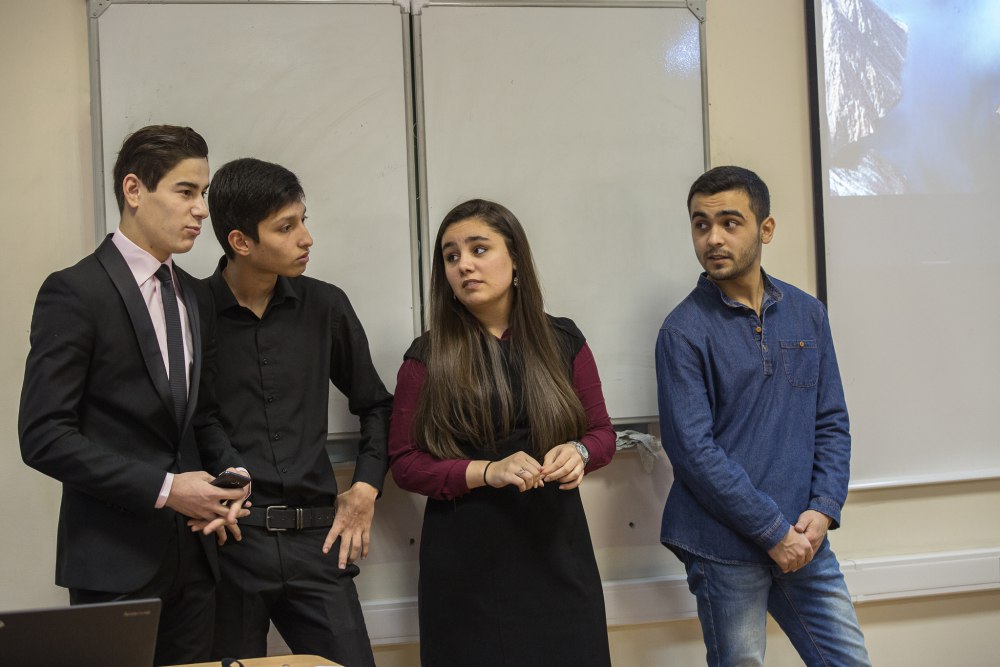
More than 6,000 applicants from Tajikistan were admitted to Russian universities in 2025, signaling that Russia is still the primary destination for Tajik students pursuing higher education abroad. The figures were announced by Tajikistan’s Minister of Education and Science, Rahim Saidzoda, during a press conference, according to Russia’s state news agency TASS.

Saidzoda reported that during the 2025-2026 academic year, a total of 6,665 Tajik applicants enrolled in foreign universities. Of these, 551 chose destinations other than Russia, while more than 6,000 began their studies at Russian institutions. Admissions took place both through government-allocated quotas and standard entry procedures.

At the same briefing, Deputy Minister of Education Lutfia Abdulholikzoda stated that over 600 Tajik students that had previously been expelled or denied entry to Russia in 2025 were subsequently admitted to universities in Tajikistan. She did not elaborate on the reasons for their removal but confirmed that they had been able to resume their education at home.

Russian education remains highly popular among Tajik students. Each year, Russia allocates approximately 1,000 government-funded study placements for Tajik nationals. In October 2025, Russia’s Ambassador to Tajikistan, Semyon Grigoryev, said that out of 43,000 Tajik students studying abroad, more than 30,000 were enrolled in Russian institutions.

Russian higher education is also present within Tajikistan. The Russian-Tajik Slavonic University enrolls over 6,000 students, while local branches of Moscow State University, the National University of Science and Technology MISIS, and the Moscow Power Engineering Institute collectively educate more than 8,000. In addition, several schools in Tajikistan operate entirely in Russian, and five Russian-funded schools built in 2022 follow Russian educational standards.

Kyrgyzstan Intends to Reduce the Storage Period for Negative Credit Information

Kyrgyz authorities are moving to ease regulations surrounding credit history retention in an effort to stimulate the banking sector and provide indirect support to small and medium-sized enterprises. A draft law from the Ministry of Economy and Commerce has been submitted for public discussion.

The proposed changes would reduce the retention period for negative credit information from five years to three, and for positive information from seven years to five.

According to estimates by local economists, the credit portfolio of Kyrgyzstan’s commercial banks reached approximately $5.27 billion last year. The share of overdue loans stood at around $151 million, or about 2% of the total.

The ministry believes that easing access to credit will help stimulate entrepreneurial activity. Broader borrowing opportunities could support business development, increase employment, and generate additional tax revenue. As of now, approximately 1.5 million Kyrgyz citizens have a credit history, of whom 302,000 have negative records, including nearly 200,000 individuals blacklisted by financial institutions.

If the law is enacted, a substantial number of these citizens may regain access to formal banking services. Authorities also expect the reform to reduce reliance on shadow lending and curb dependence on microloans outside the official financial sector.

Under the internal policies of most commercial banks, a loan delinquency of more than 90 days typically qualifies as negative credit history, severely diminishing a borrower’s chances of securing new financing.

The bill has already passed its first reading in parliament. Given that it has been approved by the relevant ministries and agencies, its eventual adoption appears likely.

Rhetoric, Disinformation, and Regional Responses: Central Asia Reacts to Debates in the Russian Media Space

In recent months, a series of sharp and at times openly threatening statements circulating within the Russian media space have drawn growing attention in Central Asia. As previously reported by The Times of Central Asia, rhetoric targeting several Central Asian states has become increasingly frequent on Russian television and social platforms, raising concern among analysts and the public over issues of sovereignty, coercive tactics, and broader regional security.

Russian officials have repeatedly stressed that commentary aired on television talk shows or circulated on social media does not necessarily reflect official state policy. Moscow has, on several occasions, distanced itself from provocative remarks made by media personalities, emphasizing that Russia’s foreign policy is articulated only through formal government channels.

Analysts note that such episodes unfold within a highly polarized information environment, where sensational or confrontational statements can spread rapidly online, often detached from their original context or intent. Even when later denied or debunked, these narratives can contribute to heightened tensions by reinforcing existing anxieties and testing political and societal reactions in neighboring states.

One recent and widely discussed episode involved a video that went viral on social media, allegedly showing Russian State Duma deputy and former heavyweight boxing champion Nikolai Valuev calling for a shift in Russia’s approach toward former Soviet republics from “carrots” to “sticks”, while also hinting at the possibility of a “special operation” in Central Asia. The footage sparked an immediate backlash and skepticism, particularly in Uzbekistan.

According to RIA Novosti, Valuev later publicly denied the authenticity of the video, asserting that it was a deepfake. The Russian news agency quoted him as saying the video “has nothing to do with me” and had been produced using AI. “I’m glad that technologies are developing so fast, but this was done with artificial intelligence,” he said, noting that he often discusses AI and deepfakes and that “apparently, AI has taken offense at me.”

Doubts about the video’s authenticity emerged almost immediately. Among those questioning it was Ruslan Chagaev, the former world boxing champion from Uzbekistan and one of Valuev’s former opponents, who publicly expressed his disbelief that the statements reflected Valuev’s actual views. Nonetheless, the incident fueled broader discussions in Central Asia about information manipulation, the role of deepfakes, and how aggressive narratives can gain traction, even when later debunked.

These concerns were echoed at a recent session of the analytical forum “Fikrat,” held in Tashkent under the theme National Interest and Global Pressure. The gathering brought together political scientists, economists, and historians to assess the growing volume of inflammatory rhetoric emerging from Russia and its implications for Central Asia. Participants stressed that, even when such narratives do not reflect or translate directly into policy, they can shape public perception and test societal and governmental responses.
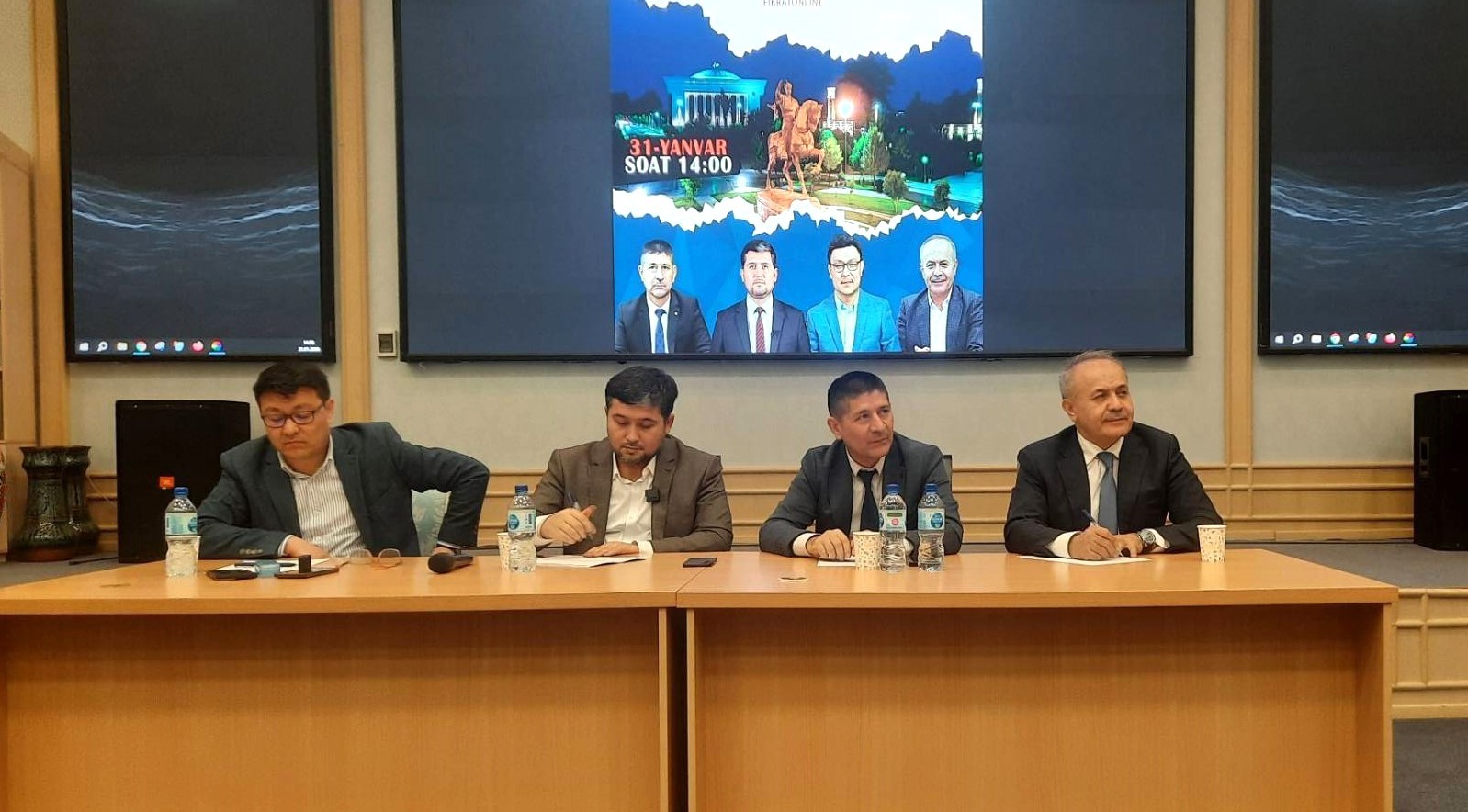
The Firkat Forum in Tashkent; image: TCA, Sadokat Jalolova.

Economist Abdulla Abdukadirov, First Deputy Director General of Uzbekistan’s Agency for Strategic Reforms under the President, addressed the ideological underpinnings of these narratives, identifying Russian nationalist figure Alexander Dugin as a central figure promoting imperialist ideas. “Dugin is an ideologue of Russian imperialism and a creator of narratives,” Abdukadirov stated. “It is not necessary that this narrative will be adopted by the authorities in Russia as a guide to action. But a narrative is a harbinger of popular and state ideology. It lays the groundwork and tests reactions.”

Abdukadirov emphasized that Central Asia’s response should be direct and unequivocal. “Enough talk about our sovereignty. You did not give it to us, and it is not for you to take it away,” he declared. Referencing the war in Ukraine, he called it a “hard and unambiguous lesson,” cautioning that reliance on coercion and violence would only provoke greater resistance. He further warned that external pressure could eventually backfire due to the strong centrifugal forces within the Russian Federation itself.

When asked by The Times of Central Asia whether Russia holds significant economic leverage over Uzbekistan, Abdukadirov identified labor migration as a key vulnerability. “First of all, migrants are our biggest vulnerability,” he said. He also noted that by 2022, Russian companies had acquired substantial assets in Uzbekistan’s energy, telecommunications, and media sectors. “They have very large control,” he said, though he added that their influence should not be exaggerated.

At the same time, Abdukadirov argued that control of assets alone is not decisive if market dynamics shift. “If the state manages the market correctly, a thousand assets can turn into nothing in one day,” he said. He pointed to China as a country that understands how market conditions determine asset value. “The market environment is more important than assets. The state creates that environment together with society,” he said, underscoring the need for continued dialogue.

Political scientist Hamid Sodiq focused on how the tone of external pressure has evolved, observing that rhetoric once limited to fringe voices has become mainstream. “Today, it has taken a naked form. No one is ashamed anymore,” he said, recalling that in earlier years, even provocative commentators were more cautious when discussing Uzbekistan’s sovereignty. According to Sodiq, this change reflects a shift in the nature of geopolitical discourse and heightens the need for internal resilience.

Sodiq warned that mounting external pressure can result in internal consequences, including the risk of political tightening if societies are unprepared. In such an environment, he argued, it is vital to maintain a balance, defending sovereignty while preserving the relationship between the state and society. “This is the time when we must join hands and act together,” he said, urging solidarity and open discourse.

The discussion in Tashkent also reflected on regional and global dynamics. Abdukadirov cited remarks by Canada’s prime minister at the World Economic Forum in Davos: “The middle powers must act together, because if we’re not at the table, we’re on the menu.” He added that when Central Asian nations act collectively, “we will not be on the menu, but among those placing the order.”

Uzbek Migration Agency Clarifies Legal Status Rules for Citizens in Turkey

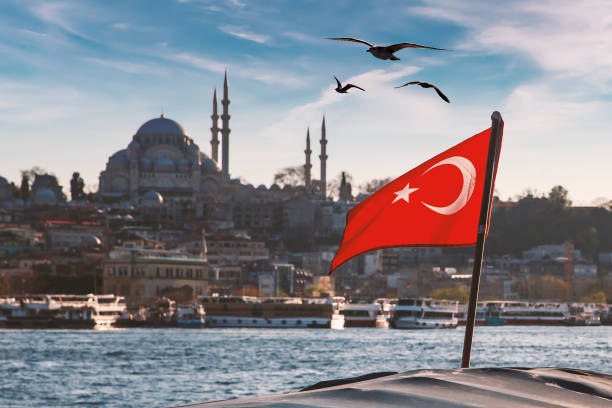
Uzbekistan’s Migration Agency has issued an official clarification in response to social media posts and Telegram channel reports claiming that Uzbek citizens are no longer being deported from Turkey. The agency stated that such interpretations are misleading and do not reflect existing agreements or procedures.

According to the agency, the issue at hand is not the cancellation of deportations, but rather the possibility of legalizing migration status strictly within the boundaries of Turkey’s current legal framework.

“Responsibility for illegal stay and violations of migration law in Türkiye remains in force,” the agency said, urging citizens to rely exclusively on official sources and to view a detailed explanatory video published by the agency.

The clarification follows what the agency described as inaccurate portrayals of ongoing consultations. Officials stressed that some outlets had distorted the nature of the discussions, leading to confusion among the public. The agency emphasized that the safety and legal protection of citizens abroad can only be guaranteed when migrants comply with the laws of host countries.

Addressing the situation of undocumented migrants, the agency stated that Uzbek citizens currently residing or working illegally in Turkey may apply to Turkish migration authorities or to the agency’s representative office in Turkey to legalize their status, without facing deportation, provided they follow the established legal procedures. However, it warned that this does not mean individuals can leave Turkey without consequence if they have violated migration rules.

The clarification comes amid heightened attention to the status of Uzbek migrants in Turkey following a high-profile criminal case in Istanbul. As previously reported by The Times of Central Asia, on January 24 the body of an Uzbek woman, identified as Durdona H., was found in a garbage container in Istanbul. Two Uzbek men were detained while attempting to flee to Georgia in connection with the case. The killing sparked protests in Turkey, where women called for justice for Durdona and other victims.

On January 30, Uzbekistan’s Consulate General in Istanbul announced that Durdona’s body and her two children had been repatriated. The consulate stated that all related expenses were covered by the diplomatic mission and the Migration Agency.

The Migration Agency concluded its statement by reiterating its call for responsible information sharing, and warning against the spread of unverified claims that could endanger citizens abroad.