• KGS/USD = 0.01144 0%
  • KZT/USD = 0.00216 0%
  • TJS/USD = 0.10456 0%
  • UZS/USD = 0.00008 0%
  • TMT/USD = 0.28490 0%
  • KGS/USD = 0.01144 0%
  • KZT/USD = 0.00216 0%
  • TJS/USD = 0.10456 0%
  • UZS/USD = 0.00008 0%
  • TMT/USD = 0.28490 0%
  • KGS/USD = 0.01144 0%
  • KZT/USD = 0.00216 0%
  • TJS/USD = 0.10456 0%
  • UZS/USD = 0.00008 0%
  • TMT/USD = 0.28490 0%
  • KGS/USD = 0.01144 0%
  • KZT/USD = 0.00216 0%
  • TJS/USD = 0.10456 0%
  • UZS/USD = 0.00008 0%
  • TMT/USD = 0.28490 0%
  • KGS/USD = 0.01144 0%
  • KZT/USD = 0.00216 0%
  • TJS/USD = 0.10456 0%
  • UZS/USD = 0.00008 0%
  • TMT/USD = 0.28490 0%
  • KGS/USD = 0.01144 0%
  • KZT/USD = 0.00216 0%
  • TJS/USD = 0.10456 0%
  • UZS/USD = 0.00008 0%
  • TMT/USD = 0.28490 0%
  • KGS/USD = 0.01144 0%
  • KZT/USD = 0.00216 0%
  • TJS/USD = 0.10456 0%
  • UZS/USD = 0.00008 0%
  • TMT/USD = 0.28490 0%
  • KGS/USD = 0.01144 0%
  • KZT/USD = 0.00216 0%
  • TJS/USD = 0.10456 0%
  • UZS/USD = 0.00008 0%
  • TMT/USD = 0.28490 0%

Increased Funding for Science in Kazakhstan Has Yet to Yield Results

Kazakhstan has significantly increased its spending on research and development, but this has yet to translate into a noticeable economic impact. Analysts point to structural imbalances and a weak link between science and business.

According to the National Bureau of Statistics, research and development (R&D) funding in 2025 amounted to approximately $549 million, an increase of 19% compared to the previous year and nearly threefold over the past five years. At the same time, the funding structure has shifted toward greater state involvement. The share of budgetary funds rose to 81.5%, up from 51.3% in 2020, while private sector participation has declined to minimal levels.

Experts note that this model limits the commercialization of scientific developments, which in most countries is primarily driven by the business sector.

Kazakh President Kassym-Jomart Tokayev has previously stated that science funding has yet to deliver practical results, highlighting systemic inefficiencies and the ineffective use of resources.

More than half of total funding, about $282 million, is allocated to research staff salaries. Meanwhile, approximately $117 million is spent on equipment, materials, and infrastructure. Funding for experimental design and development work, critical for bringing technologies to market, has declined to around $29 million, down from the previous year. Most expenditures continue to be directed toward basic and applied research.

Despite increased investment, science’s contribution to the economy remains limited. R&D spending accounted for approximately 0.16% of GDP in 2025, unchanged from the previous year. Industry participation in scientific research also remains low, with spending in key sectors such as metallurgy, mechanical engineering, and the chemical industry lagging behind.

Analysts argue that without a stronger role for the private sector and more effective commercialization mechanisms, increased funding is unlikely to produce significant technological outcomes.

Uzbekistan Launches “Clean Air” Project to Cut Pollution by 2030

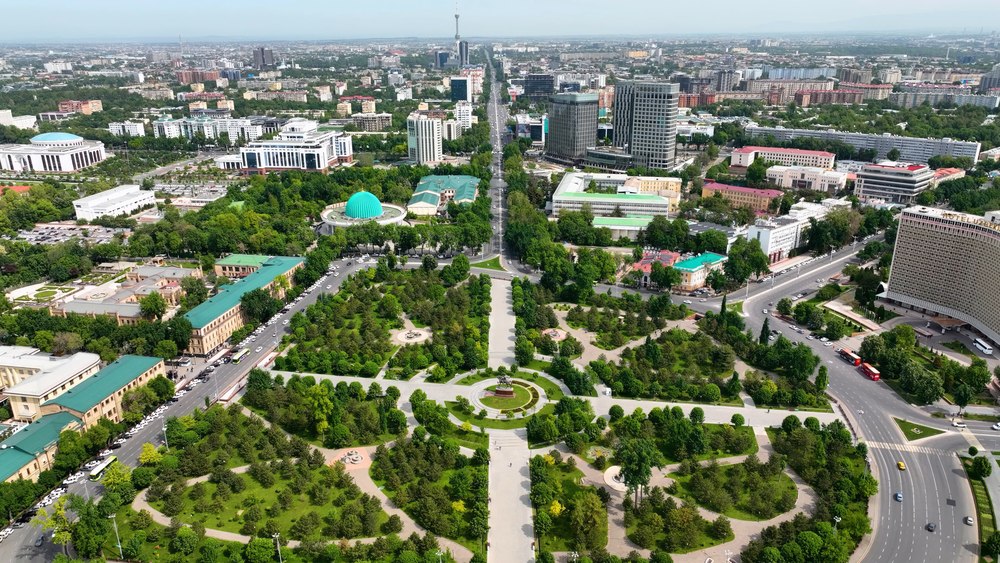
Uzbekistan has approved a nationwide environmental initiative aimed at improving air quality and reducing pollution over the next five years, according to a presidential decree published on March 25.

The decree outlines the implementation of the “Clean Air” national project for 2026-2030. The program sets a target of reducing harmful emissions into the atmosphere by 10.5% and strengthening environmental monitoring across key industrial sectors.

Under the plan, enterprises classified as having a significant environmental impact will be required to install automatic monitoring systems, as well as dust and gas purification equipment. The initiative also aims to reduce the number of days when air pollution levels, particularly fine particulate matter (PM2.5), exceed national safety standards.

Special attention is being given to the capital. Authorities have extended the mandate of a government commission tasked with addressing environmental challenges in Tashkent until March 1, 2027. The body has also been elevated to a national-level commission, reflecting its expanded scope of responsibility.

From April 1, 2026, a moratorium will be introduced on the creation of new industrial zones in Tashkent, with no specified end date. The measure is intended to limit additional pressure on the city’s already strained air quality.

The decree also introduces stricter environmental requirements in the construction sector starting June 1. Developers will be required to equip building sites with environmental monitoring systems linked to a centralized database managed by the Ecology Committee. In addition, construction sites must install online surveillance cameras to ensure compliance with environmental standards.

Companies found to be in violation of environmental regulations will face penalties through a rating system within the national “Transparent Construction” platform. Environmental impact assessments will also become mandatory for all major construction and urban planning projects.

New building designs exceeding specified size thresholds must allocate at least 30% of land area to green spaces, reflecting a broader effort to expand urban greenery.

In recent years, air quality in Tashkent has deteriorated significantly. Experts attribute the problem to industrial emissions, seasonal dust storms, rapid urban development, and the loss of green spaces. Despite a formal ban, an estimated 49,000 trees have been cut down since 2019.

According to the Ministry of Ecology, PM2.5 levels in the capital frequently exceed World Health Organization guidelines. During severe smog episodes in early 2024, pollution levels reached up to 22 times the recommended annual limits, posing serious risks to public health.

Kyrgyz School in Tajikistan Closes Due to Lack of Students

The only Kyrgyz-language school in the Tajik town of Kanibadam has been reorganized following a sharp decline in student enrollment. By the time it closed, only one student and one teacher remained.

According to an order from the mayor of Kanibadam, School No. 28 in the village of Sanjizor was converted into a branch of School No. 41, located in the neighboring village of Jahonzeb. Authorities attributed the decision to the low number of students. Firuza Abduvokhidzoda, head of the town’s education department, said the sole student and teacher were transferred to Boarding School No. 40.

Previously, the school had just one third-grade student, taught by a single teacher who also served as principal.

Regional authorities attribute the situation to population outflow. Gulsara Mirzozoda, head of the Sughd Region Education Department, said the number of students and teachers has significantly decreased in recent years due to migration to Kyrgyzstan.

Despite the lack of students, the school’s support staff continued to work. The building has a capacity of 208 students.

School No. 28 was founded in 1932. At various times, up to 500 students attended, and the curriculum included instruction in the Kyrgyz language alongside standard subjects.

As recently as last year, the school had three students, but a further decline in enrollment made it impossible to continue operating in its previous format.

Local authorities have also linked the situation to broader regional developments, including border tensions and security concerns. The town previously gained notoriety following a series of violent incidents.

As previously reported by The Times of Central Asia, between March and December 2024, 23 people from seven families were killed in a wave of violence in the area. The killings began on the night of March 28-29, when five members of a single family were found dead in their home.

Chinese Firm Begins Construction of Wind Farm in Kazakhstan

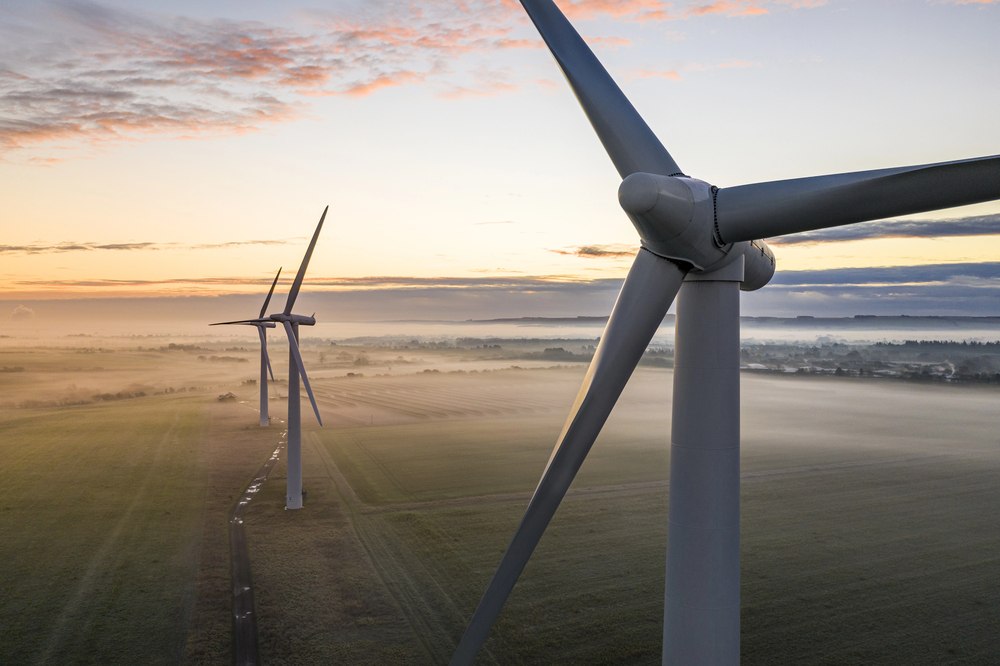
China’s State Power Investment Corporation has begun construction of a 1 GW wind farm in northern Kazakhstan. The project, located near the city of Ekibastuz in the Pavlodar region, is being implemented jointly with Pavlodar Green Energy LLP under agreements signed with the Energy Ministry on January 29.

According to the ministry, foreign direct investment in the project will total approximately $1.2 billion, with commissioning scheduled for 2029.

The wind farm will include a 300 MW energy storage system designed to stabilize electricity output and support Kazakhstan’s unified power grid. Once operational, the facility is expected to generate around 3.4 billion kWh of electricity annually.

The project is also projected to reduce greenhouse gas emissions by up to 2 million tonnes of CO₂ per year.

In 2025, renewable energy generation reached 8.6 billion kWh, exceeding official targets by 19.4%. Renewables accounted for 7% of total electricity output, up from 6.43% in 2024.

Kazakhstan currently operates 162 renewable energy facilities with a combined capacity of approximately 3.5 GW. In 2026, authorities plan to increase renewable output to 8.8 billion kWh through the launch of 10 new projects, including wind, solar, and hydropower plants.

Despite growth in renewables, Kazakhstan remains heavily dependent on coal and natural gas. Total electricity generation stood at 123.1 billion kWh in 2025 and is expected to rise to 126.5 billion kWh in 2026.

The government is also advancing plans to add 7.6 GW of coal-fired generation capacity, supported by reserves estimated at over 33 billion tonnes.

At the same time, Kazakhstan aims to increase the share of renewables to 15% by 2030 and 50% by 2050, alongside plans to update legislation on alternative energy and hydrogen development.

The Times of Central Asia previously reported that Kazakhstan is launching a large-scale investment program in the energy sector. By 2030, the country plans to attract at least $15.5 billion for the development of coal-fired power generation. The corresponding national project has been approved by the government.

Chinese Company Plans to Build Solar Power Plant in Tajikistan

Authorities in Tajikistan’s Khatlon region are in talks with a Chinese company over the construction of a 500-megawatt solar power plant, a project that could significantly reshape the region’s energy landscape.

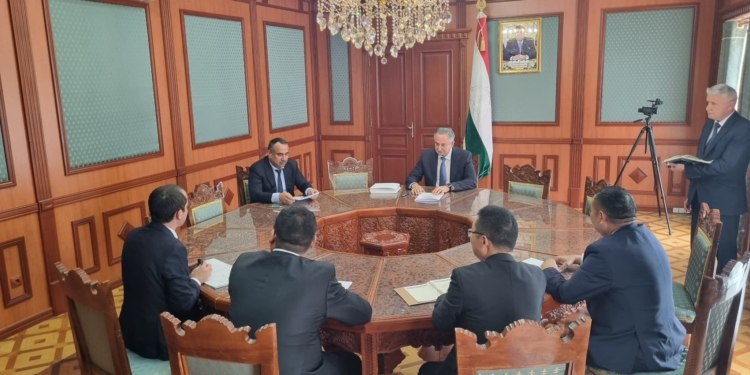
The proposal was discussed at a meeting between Khatlon regional head Davlatali Said and representatives of the Chinese company SETS.

For a region where power outages remain a persistent issue, the project could mark an important step forward. With population growth and rising energy demand placing increasing strain on the existing grid, authorities are turning to alternative energy sources. Regional officials expect the plant to help reduce electricity shortages and improve environmental conditions.

The Chinese side has expressed readiness to invest in the project and introduce modern technologies. The company reportedly has experience implementing similar energy projects, including in Central Asia.

Although the project remains at the discussion stage, the parties are already considering key aspects of implementation, including construction timelines and personnel training. If agreements are finalized, the solar power plant in Khatlon could become one of the largest renewable energy projects in Tajikistan.

Uzbekistan and Russia Focus on Trade and Transit at Termez Meeting

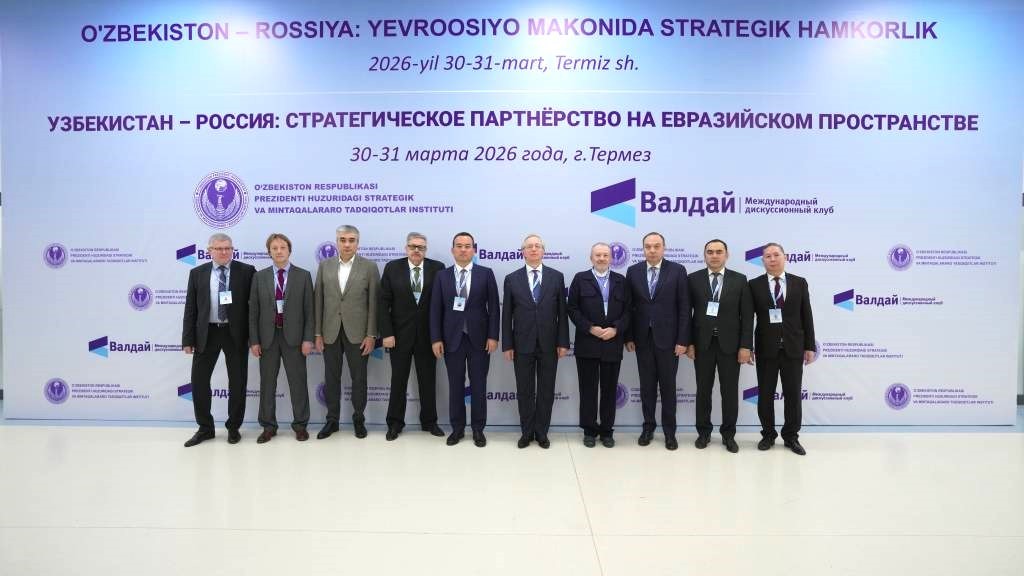
Uzbekistan and Russia used a conference in Termez on March 30–31 to highlight the breadth of their relationship, from trade and industrial projects to transport links and regional planning. The meeting was organized by Uzbekistan’s Institute for Strategic and Regional Studies and Russia’s Kremlin-linked policy forum, the Valdai Discussion Club. Participants included Russian Deputy Foreign Minister Mikhail Galuzin, Uzbek Deputy Foreign Minister Bobur Usmanov, ISRS director Eldor Aripov, Russian Ambassador Alexei Yerkhov, and other Uzbek and Russian officials, analysts, and business representatives.

The meeting comes at a time of shifting regional dynamics, as Central Asian states recalibrate ties with Russia while managing new economic and political pressures from multiple directions.

Termez sits by the Friendship Bridge on Uzbekistan’s border with Afghanistan and has become one of Tashkent’s main platforms for trade, logistics, and diplomacy aimed southward. The conference program focused on transport, infrastructure, interregional ties, and industrial cooperation, so the location matters. This aligns Uzbekistan’s relationship with Russia with a wider push for new routes across Eurasia and toward South Asia.

The economic backdrop is also substantial. Official Uzbek figures put bilateral trade with Russia at around $13 billion in 2025, making Russia Uzbekistan’s second-largest trading partner after China. Uzbek reporting says that trade has grown sharply since 2017, with Russian investment in Uzbekistan approaching $5 billion. Officials have described the relationship as moving beyond simple trade toward industrial cooperation, technological partnerships, and longer value chains.

The conference emphasized the growing role of direct regional links. Uzbek officials highlighted more than 200 regional initiatives worth over $4 billion and identified Tatarstan as a key partner in industry, petrochemicals, engineering, information technology, and education. Projects linked to the Himgrad industrial park model and branches of Kazan Federal University in Uzbekistan show how cooperation now extends through regions, universities, and industrial zones, not just central governments.

Energy remains a key part of the relationship. As previously reported by The Times of Central Asia, on March 24, Uzbekistan and Russia advanced work on Uzbekistan’s planned nuclear power project in the Jizzakh region. Uzbekistan’s nuclear agency, Uzatom, and Russia’s Rosatom signed new documents and began initial concrete works for a small-capacity unit, describing the step as moving the project into a new implementation phase.

Transit formed another major part of the agenda. Uzbek reporting states that participants discussed modernizing northern routes and developing a southern route through Afghanistan toward ports on the Indian Ocean. This fits Uzbekistan’s longer effort to turn Termez into a logistics hub for Afghan and South Asian trade. The city hosts the Termez International Trade Center, designed to simplify border trade and business access.

The timing also reflects wider regional pressures. TCA previously reported that the war involving Iran is placing a strain on southern routes and increasing the importance of alternative corridors. In that context, a Russia–Uzbekistan meeting focused on trade and transport in Termez underscores how both countries are linking bilateral cooperation to shifting regional logistics.

The meeting in Termez did not produce a major treaty or a single headline project. It showed instead that Uzbekistan is expanding practical cooperation with Russia across trade, industry, energy, and transport while maintaining a broader multi-vector foreign policy. It also highlighted Termez as a key node where Uzbekistan’s ties with Russia connect to its wider ambitions in Afghanistan and South Asia.