• KGS/USD = 0.01144 0%
  • KZT/USD = 0.00193 -0%
  • TJS/USD = 0.10811 -0.28%
  • UZS/USD = 0.00008 0%
  • TMT/USD = 0.28490 0%
  • KGS/USD = 0.01144 0%
  • KZT/USD = 0.00193 -0%
  • TJS/USD = 0.10811 -0.28%
  • UZS/USD = 0.00008 0%
  • TMT/USD = 0.28490 0%
  • KGS/USD = 0.01144 0%
  • KZT/USD = 0.00193 -0%
  • TJS/USD = 0.10811 -0.28%
  • UZS/USD = 0.00008 0%
  • TMT/USD = 0.28490 0%
  • KGS/USD = 0.01144 0%
  • KZT/USD = 0.00193 -0%
  • TJS/USD = 0.10811 -0.28%
  • UZS/USD = 0.00008 0%
  • TMT/USD = 0.28490 0%
  • KGS/USD = 0.01144 0%
  • KZT/USD = 0.00193 -0%
  • TJS/USD = 0.10811 -0.28%
  • UZS/USD = 0.00008 0%
  • TMT/USD = 0.28490 0%
  • KGS/USD = 0.01144 0%
  • KZT/USD = 0.00193 -0%
  • TJS/USD = 0.10811 -0.28%
  • UZS/USD = 0.00008 0%
  • TMT/USD = 0.28490 0%
  • KGS/USD = 0.01144 0%
  • KZT/USD = 0.00193 -0%
  • TJS/USD = 0.10811 -0.28%
  • UZS/USD = 0.00008 0%
  • TMT/USD = 0.28490 0%
  • KGS/USD = 0.01144 0%
  • KZT/USD = 0.00193 -0%
  • TJS/USD = 0.10811 -0.28%
  • UZS/USD = 0.00008 0%
  • TMT/USD = 0.28490 0%
10 December 2025

Europe-Uzbekistan Association for Economic Cooperation Launched in Tashkent

The Tashkent based Europe-Uzbekistan Association for Economic Cooperation (EUROUZ) was officially launched on December 5th. Speaking at the inauguration event, Charlotte Adriaen, the EU Ambassador to Uzbekistan, said that the EU has been supporting the establishment of a Europe-Uzbekistan business association for years.

“We believe that the inclusion of EUROUZ in the worldwide European Business Organizations network will encourage more business exchanges between Europe and Uzbekistan, and in turn strengthen our partnership,” Adriaen said, noting that the EU supports the ambitious path of reforms Uzbekistan has embarked on, and will continue to assist the country with all tools, one of which is GSP+ (the EU’s Generalised Scheme of Preferences).

The ambassador also presented areas of opportunity for Uzbekistan’s exporters to improve their access to the EU market. “As we anticipate growth in the production of machinery, automotive, hi-tech goods and medical equipment, the demand will increase for various electronic sub-components and metal parts,” she said. “Moreover, as both the EU and Uzbekistan are transitioning to a greener economy, there is another sector of opportunity that could further boost exports from Uzbekistan to the EU, including supplies of critical raw materials.”

The EU ambassador added that 2024 will be a year marked by high-level visits, including the first ever EU-Central Asia Summit, which is planned to be hosted in Uzbekistan.
Kyrgyzstan, Tajikistan Agree on More Disputed Border Areas

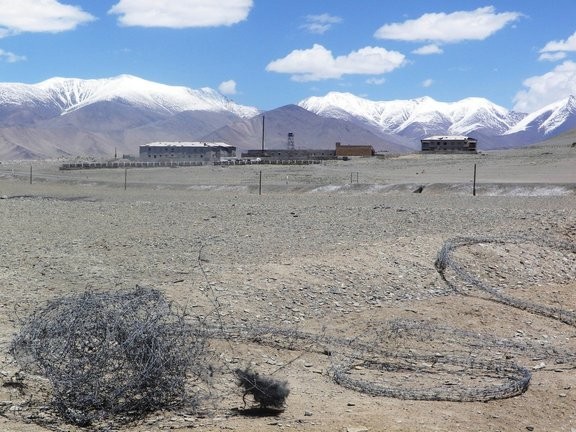
As reported by RFE/RL, officials from Kyrgyzstan and Tajikistan say the two countries agreed on another 24 kilometers of the border between the two former Soviet republics after special talks on the issue were held over the past week, RFE/RL’s Kyrgyz Service reported. Tajikistan’s State Committee for National Security said on December 5th that the talks were held in the northern town of Buston, near the Kyrgyz border. According to the Kyrgyz government, the next round of talks regarding other parts of the border will be held on Kyrgyzstan’s territory on a day that is yet to be determined.

In a sign of thawing relations, back on November 9th 2023, the Cabinet of Ministers of the Kyrgyz Republic announced that a further 17.98 kilometres of its border with Tajikistan had been agreed upon, with another meeting of the of topographic working groups due to be held in Batken from November 11th to17th. A long-standing source of conflict between the two nations, it is emblematic of the problem that even the length of the border – sometimes cited as being 975-kilomtres long, and at others times 972-kilomteres – is rarely agreed upon. As of January 2023, Tajikistan’s President Rahmon stated that 614-kilometres have been agreed upon, backtracking on a previously stated figure of 664.

The delimitation and demarcation of the Kyrgyz-Tajik border has been an issue for decades, but turned into an extremely urgent problem in recent years after several deadly clashes took place along disputed segments of the frontier. With its scant natural resources and dwindling water supplies, the border has been the scene of numerous skirmishes for many years. In 2014, all borders between Kyrgyzstan and Tajikistan were closed indefinitely to Kyrgyz and Tajik citizens following clashes over a bypass road in disputed territory; mortars were fired and both armies suffered casualties. In the spring of 2021, trouble flared up again when an armed conflict along one segment of the border left 36 Kyrgyz nationals, including two children, dead, and 154 injured on the Kyrgyz side. The Tajik authorities officially said that 19 Tajik citizens were killed and 87 were injured during the clashes.

Many border areas in Central Asian former Soviet republics have been disputed since the collapse of the Soviet Union in 1991. The situation is particularly complicated around the numerous exclaves in the volatile Ferghana Valley, where the borders of Tajikistan, Uzbekistan, and Kyrgyzstan meet.

Window to Europe for Uzbekistan to Remain Open Until December 2027

The European Union has decided to extend the validity of the General System of Preferences Plus (GSP+) for beneficiary countries, including Uzbekistan, for the next four years until December 31st 2027. This decision gives serious impetus to the development of Uzbekistan’s private sector, providing easier access to the European market, stimulating closer cooperation between European and Uzbek companies, and leading to significant savings at borders.

As a result of the measures taken to strengthen trade relations with the EU and expand the global geography of Uzbekistan’s exports by the end of 2022, 628 enterprises (an increase of 116 on the corresponding period in 2021) were exporting local products to European markets in the amount of U$647-million. This is more than double the $292-million figure recorded in 2020.

In particular, within the framework of the GSP+ textile industry products worth $177.4-million were exported to the EU markets (an increase of 126.4% compared to 2021), agriculture and food industry products totaled $19.7-million (a 103% increase), the electrical industry recorded $9-million (a 117% increase), whilst the chemical industry totaled $138.3-million (a 4.7-times expansion).

In 2022, thanks to GSP+, Uzbek exporters saved $30.65-million in duties, thus signaling a major contribution by the EU to the development of the private sector in Uzbekistan. Over the period from 2019 to 2022, EU investment in the private sector in Uzbekistan has grown more than tenfold.

Turkmenistan Preparing for Accession to Global Methane Pledge Program

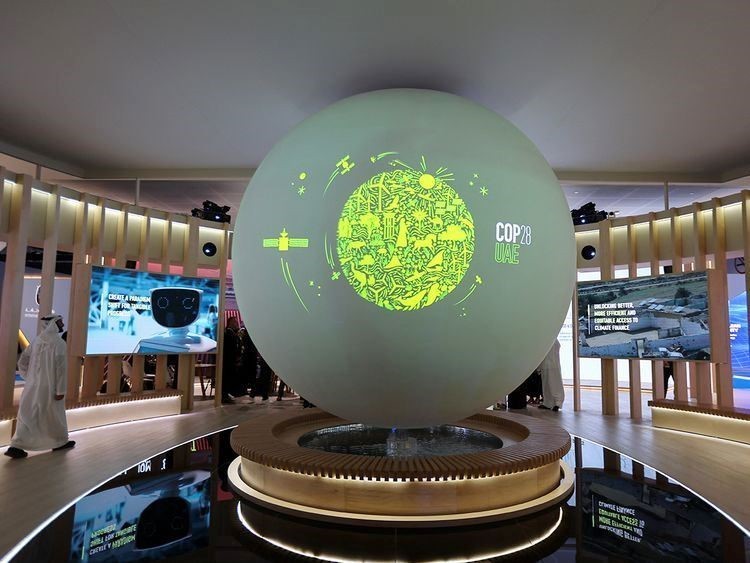
The upcoming Climate Change Conference to be held in Dubai became the main topic of a recent cabinet meeting held by President Serdar Berdimuhamedov. At the meeting, Foreign Minister Rashid Meredov reported on preparations for participation in the 28th Conference of the Parties to the UN Framework Convention on Climate Change (COP-28) to be held from November 30th to December 12th. Turkmenistan’s accession to the Global Methane Pledge (GMP) program will be announced at the meeting as one of the main steps in countering climate change.

At the meeting, Meredov proposed that Turkmenistan “continue cooperation with international organizations and partner countries in the framework of joint projects and programs aimed at fulfilling GMP conditions at a national level.” In other words, in order to meet GMP quotas, Turkmenistan is counting on the support of and joint projects with international organizations and partner countries.

Advisor to the President on Oil and Gas Issues, Ashyrguly Begliyev reported on the work of the Natural Gas Research Institute of the State Concern, Turkmengaz and the Institute Nebitgazylmytaslama of the State Concern, Turkmenneft. Their work is related to the fulfillment of the conditions of the GMP. Begliyev also spoke about taking “concrete steps to reduce methane emissions into the atmosphere, including through the use of modern technologies in the fields of energy, industry and transport.” Precisely what actions will be taken remain unclear, however.

Deputy Prime Minister Batyr Amanov, who oversees the oil and gas industry, also reported on cooperation with German partners to increase the volume of hydrocarbon production. In particular, the importance of modernizing gas compressor stations subordinated to Turkmengaz was emphasized.

Reserve Fund of the President of Tajikistan set to Exceed US$50 Million

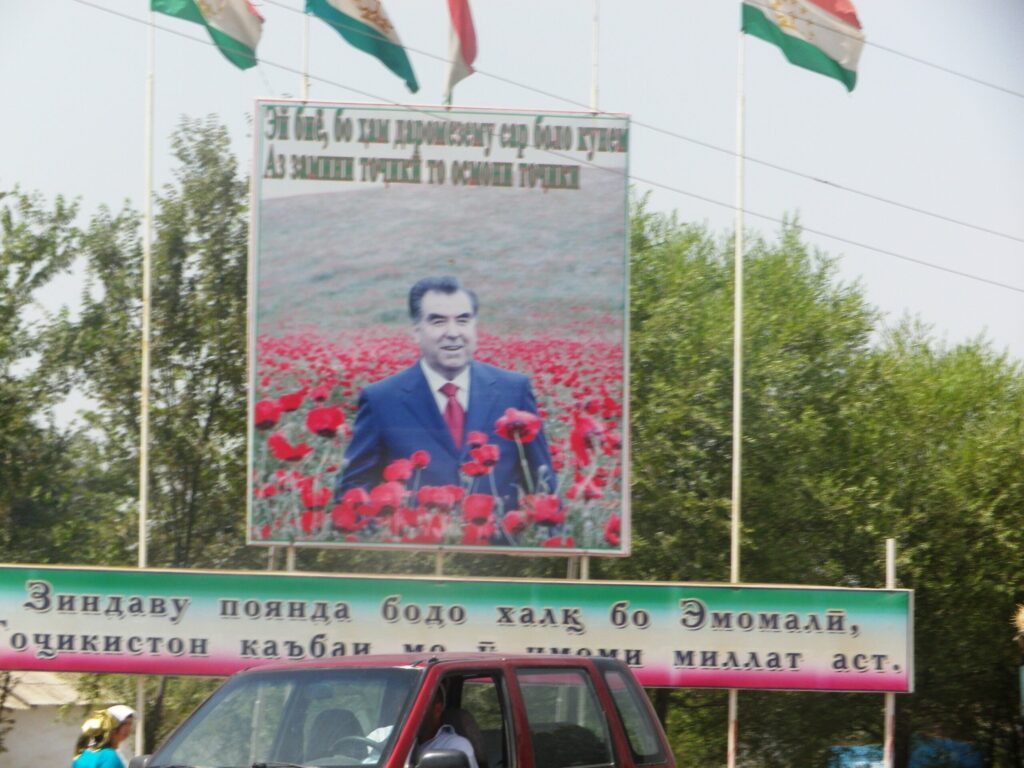
The amount held in the reserve fund of the President of Tajikistan, which is spent at the discretion of the head of the country, will increase by 68-million somoni (US$6.25-million) next year, bringing the total set to be held by 2024 to over 563-million somoni (US$51.73-million).

This figure was revealed in the law on the state budget of Tajikistan for the next year, which will come into force on January 1st. The volume of the fund has increased year on year from 404-million somoni in 2021 and 438.5-million somoni in 2022. The volume of the fund is used as an indicator on accounts, and will be used in the calculation of taxes and fines in Tajikistan.

The funds are used at the discretion of President Emomali Rahmon for charity, social work, and emergency situations. In particular, in recent years, republican Olympiads in the field of education and culture have been held using the reserve funds. In 2020, additional allowances were paid from the fund to doctors who worked under the conditions of the coronavirus pandemic. At the same time, prizes were paid from the President’s fund to athletes who won medals in international competitions.

The allocation of scholarships for the education of Tajik citizens in higher educational institutions abroad is estimated from other sections of the fund’s expenses.

Plans Approved to Complete the Gasification of Bishkek within Three Years

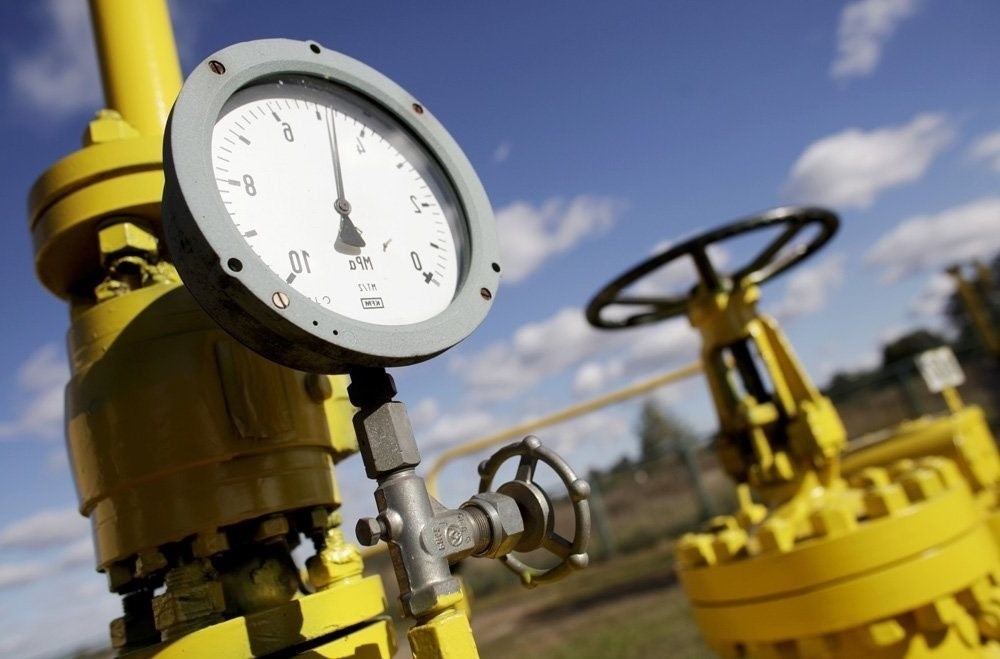
Speaking at a briefing on ‘How the authorities want to accelerate the gasification of residential communities in Bishkek’, the Deputy Director General for Economics and Finance of Gazprom Kyrgyzstan LLC, Arzymat Aldayarov stated that it is planned to fully gasify Bishkek within three years.

During the company’s operations so far, 53 settlements have been gasified, 1,250 kilometers of street gas distribution pipelines have been laid, and 53,000 households have been able to connect to gas. This year, the investment program included the possibility of the gasification of residential complexes and villages, but due to the environmental situation and the need to reduce the load on electrical networks, it was decided to carry gas to eleven facilities, including a handful of residential complexes. In part of the points, the supply of blue fuel has already been provided.

“In 2023, we signed a road map with Bishkek City Hall,” the Deputy Director General said. “Within this framework, it is planned to fully complete the gasification of the capital within the next three years. Together with the Cabinet of Ministers, the issue of preferential loans for gasification through state banks has been resolved.”