Mounting insecurity along the Tajikistan-Afghanistan border is increasingly threatening Chinese interests and heightening Beijing’s concerns about regional stability, Al Jazeera has reported, citing recent incidents and official statements from Dushanbe. According to the report, the Tajik authorities have recorded multiple armed infiltrations from Afghan territory in recent months, resulting in more than a dozen deaths. Among the victims were five Chinese nationals working on infrastructure and mining projects in remote areas of Tajikistan. The attacks reportedly targeted Chinese companies and personnel specifically, prompting alarm in Beijing.
Al Jazeera noted that China is Tajikistan’s largest creditor and one of its most significant economic partners. Chinese firms have a major presence in road construction, infrastructure, and extractive industries, many of which are situated near the porous Afghan border. The growing threat of violence has raised serious concerns among Chinese officials about the safety of their citizens and investments.
Tensions escalated dramatically on November 26, when a drone strike hit a Chinese-operated gold-mining facility, and gunfire targeted workers at a state-owned enterprise. Several Chinese nationals were reportedly killed in the coordinated attacks. In response, the Chinese embassy in Dushanbe advised Chinese citizens and enterprises to withdraw from border areas and called on Tajik authorities to take “all necessary measures” to protect Chinese nationals and assets.
Citing regional analysts, Al Jazeera reported that although no group has claimed responsibility, the tactics are consistent with those used by Islamic State Khorasan Province (ISKP). Analysts believe ISKP is attempting to undermine the Taliban’s claims of providing security by deliberately targeting foreign nationals, particularly Chinese workers.
Tajik officials described the incidents as evidence of the Taliban’s “irresponsibility” and repeated failure to deliver on its international commitments. Dushanbe has demanded an official apology and concrete guarantees regarding border security. Most of the recent attacks, according to Tajik authorities, have originated from Afghanistan’s Badakhshan province, a complex and fragile security zone. The Taliban’s crackdown on poppy cultivation, which has provoked resentment among local farmers, is believed to have further destabilized the area.
The Taliban have expressed regret over the incidents, blamed unspecified non-state actors, and insisted that Afghanistan poses no threat to neighboring countries. They reaffirmed their commitment to the Doha Agreement and regional stability.
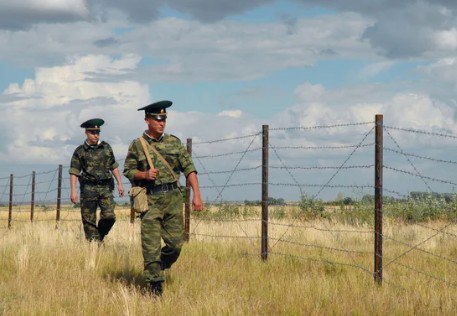
In December, Tajikistan’s State Committee for National Security (SCNS) reported another armed incident on the southern frontier. According to the SCNS, three armed individuals crossed into Tajik territory late on December 23 and attempted to attack a border post in the Shamsiddin Shohin district. The intruders, who refused to surrender, were killed in a firefight. Two Tajik border guards also died in the clash, underscoring the persistent volatility along the border.