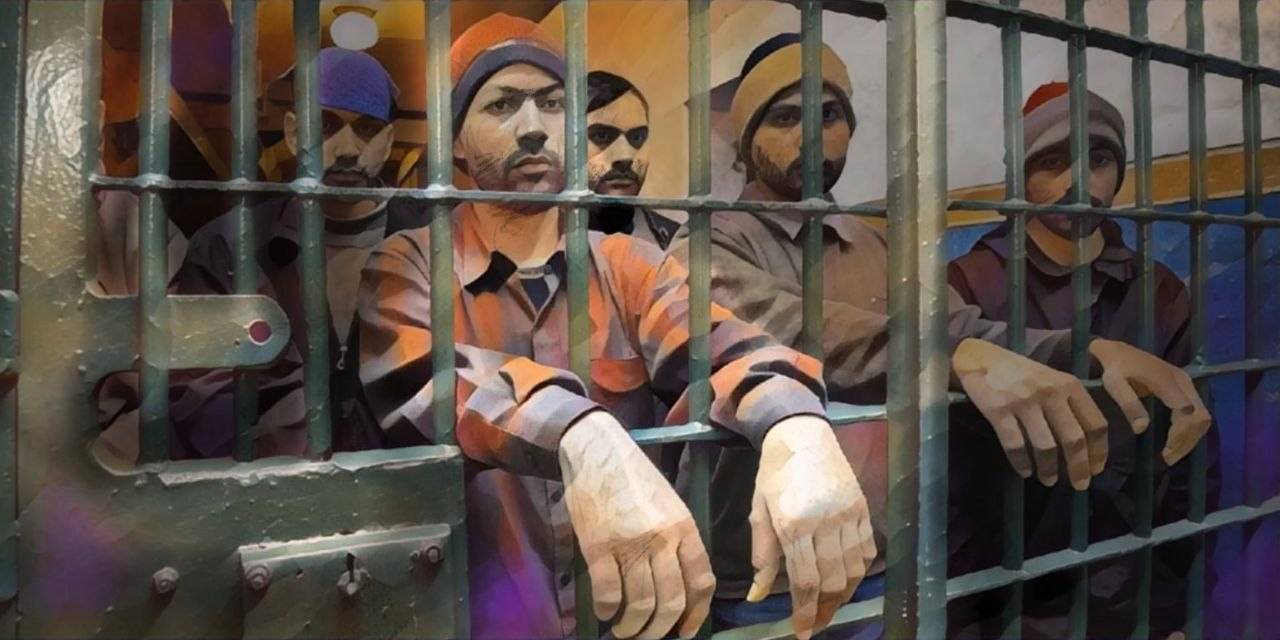
Tajik citizens imprisoned in the Russian city of Volgograd say they are being put under pressure to sign military contracts and fight in Ukraine, allegations which the Russian prison authorities have rejected. The prisoners are asking Tajikistan to facilitate their transfer home.
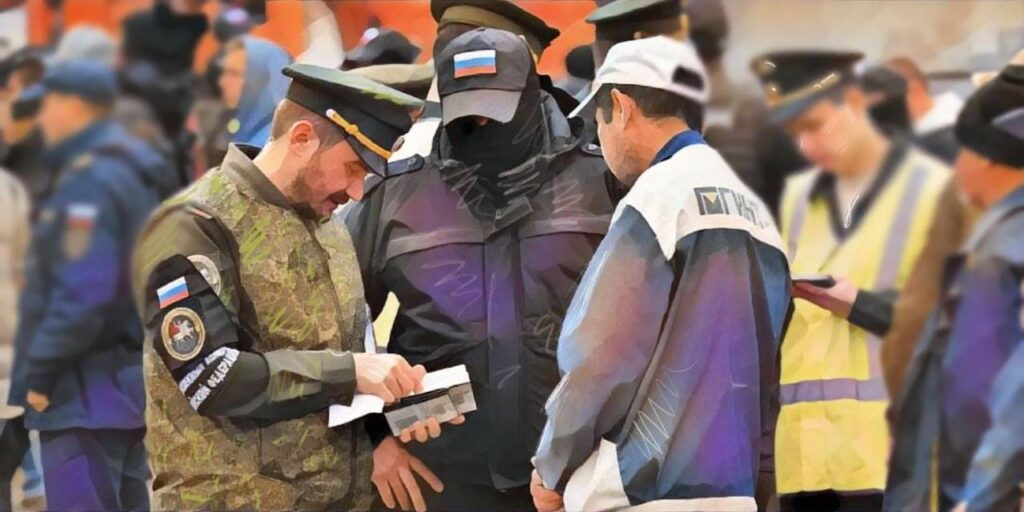
Two inmates contacted Radio Ozodi, the Tajik service of Radio Free Europe/Radio Liberty, on October 29. They said about 150 prisoners from Central Asia were facing pressure, including approximately 60 Tajik citizens. The outlet said it knew the men’s identities but had withheld them for their safety.
The men said that despite difficulties, they had obtained a mobile phone, contacted Tajikistan’s embassy in Moscow, and hoped to complete their prison sentences in Tajikistan rather than face military service.
“We want to go home. We are ready to serve our sentences there,” one prisoner said, even offering to work without pay on Tajikistan’s Rogun hydropower project if that would secure his return.
“Here they are taking us to our deaths,” he added.
The inmates said Central Asian prisoners were being held in blocks with particularly harsh conditions. They described facilities used for inmates considered dangerous and claimed many convictions were based on false accusations.
More seriously, the men alleged that over 100 Central Asian inmates had left one Volgograd prison for the Ukraine war during the previous year. They said about 40 were Tajik citizens and claimed none of those sent had survived.
There is no independent confirmation of those figures, the alleged deaths or the circumstances in which the men entered military service. The original report did not identify the prison by name.
On October 31, the Federal Penitentiary Service’s Volgograd regional directorate issued a denial, stating that claims Tajik inmates were being pressured to sign military contracts “do not correspond to reality.”
The outlet said its calls to Tajikistan’s embassy on October 30 went unanswered.
Earlier Warnings from Volgograd
The latest allegations follow an earlier warning from the same Russian city. In April 2025, relatives said eight Tajik prisoners had been taken from Correctional Colony No. 26, apparently for deployment to Ukraine.
Another inmate at that facility described attempts to secure military contracts. “First they try to persuade us, then they start threatening us,” he said. He alleged that prisoners who refused were put in punishment cells and denied calls or visits.
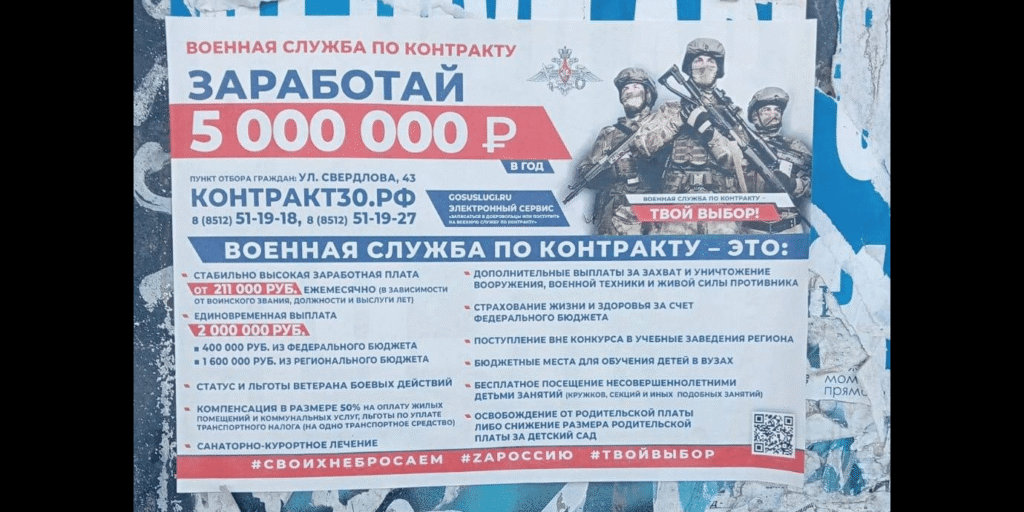
Russia has recruited prisoners for its war since the invasion began in February 2022. The Wagner private military group initially conducted much of that recruitment before the Defense Ministry took a larger role. Changes to Russian legislation in 2023 and 2024 expanded opportunities for convicted people and criminal defendants to sign military contracts to gain relief from criminal prosecution or punishment under specified circumstances.
An August 2026 UK government assessment summarized reports of coercion in Russian detention facilities, including beatings and threats.
A Request to Serve Sentences at Home
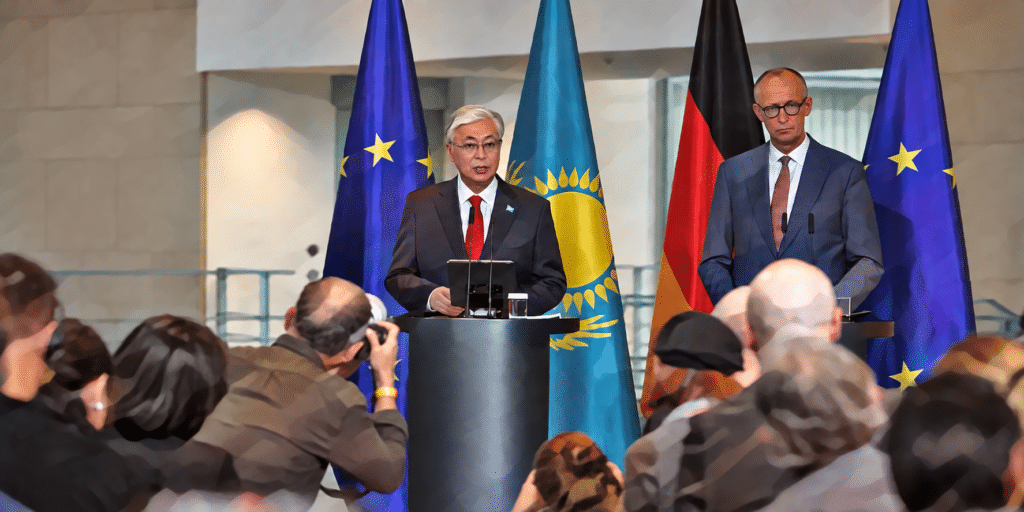
The prisoners are not asking for their convictions to be overturned, but to serve out the remainder of their terms in Tajikistan, beyond the reach of the alleged recruitment campaign. There is a precedent for such discussions between Moscow and Dushanbe. In April, Russian human rights commissioner Tatyana Moskalkova said President Emomali Rahmon had responded positively to a proposal involving approximately 200 Tajik women serving sentences in Russia.
Moskalkova had previously acknowledged that requests from Central Asian families often became bogged down in paperwork. She cited differences between domestic laws and international agreements, as well as lengthy processing times.
On October 20, Ukraine’s state-run I Want to Live project said it had identified 20,437 citizens from five Central Asian states who had signed contracts with Russia since 2022. Its total included 5,308 citizens of Tajikistan.
Russian military bloggers have estimated that soldiers survive an average of just 20–35 minutes after entering frontline combat in Ukraine. Historian Peter Frankopan cited the figure in Foreign Policy in June. The same accounts put the period between arrival at training grounds and death at ten days to three weeks.
In July, CIA Director John Ratcliffe said U.S. intelligence was consistent with reports that newly deployed Russian soldiers survived just 20–30 minutes on the battlefield. He attributed the heavy losses partly to Ukrainian drone warfare, Defense News reported.
A 2024 investigation by BBC News Russia examined the cases of 1,040 prisoners killed in Ukraine whose recruitment and death dates could be established. Among those recruited by Russia’s Defense Ministry, half died within eight weeks of signing their contracts. The comparable period for Wagner recruits was three months. The BBC stressed that these figures did not establish the overall survival rate of prisoners sent to war.
In February, Tajikistan’s prosecutor general, Habibullo Vohidzoda, said the country’s laws prohibit unauthorized participation in foreign conflicts. He distinguished citizens who also hold Russian passports, saying they must meet their obligations under Russian law. The Tajik authorities acknowledged that they had not prosecuted anyone for involvement in the Ukraine war.