April 26 marks a date that changed the course of world history. This year marks the 40th anniversary of the Chornobyl nuclear disaster, one of the world’s worst nuclear accidents, the consequences of which are still felt today.
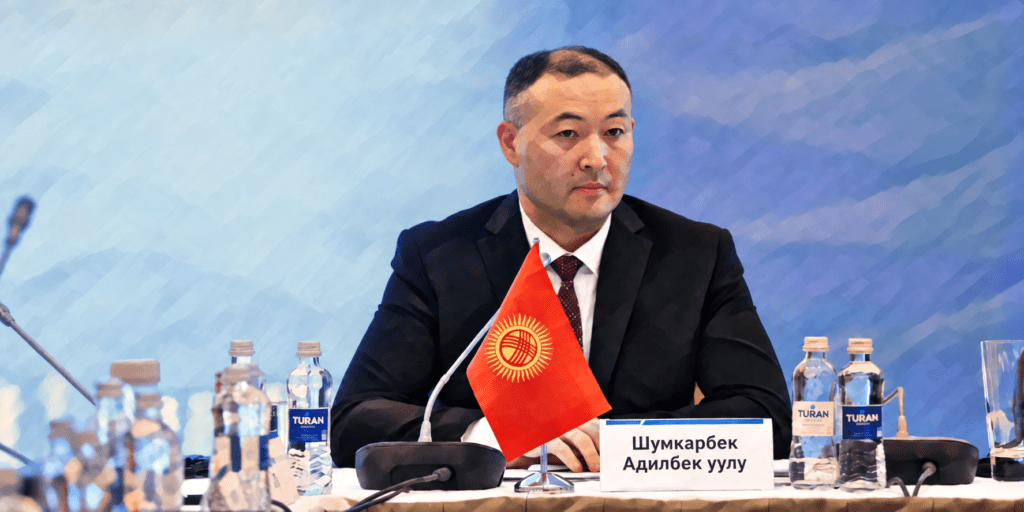
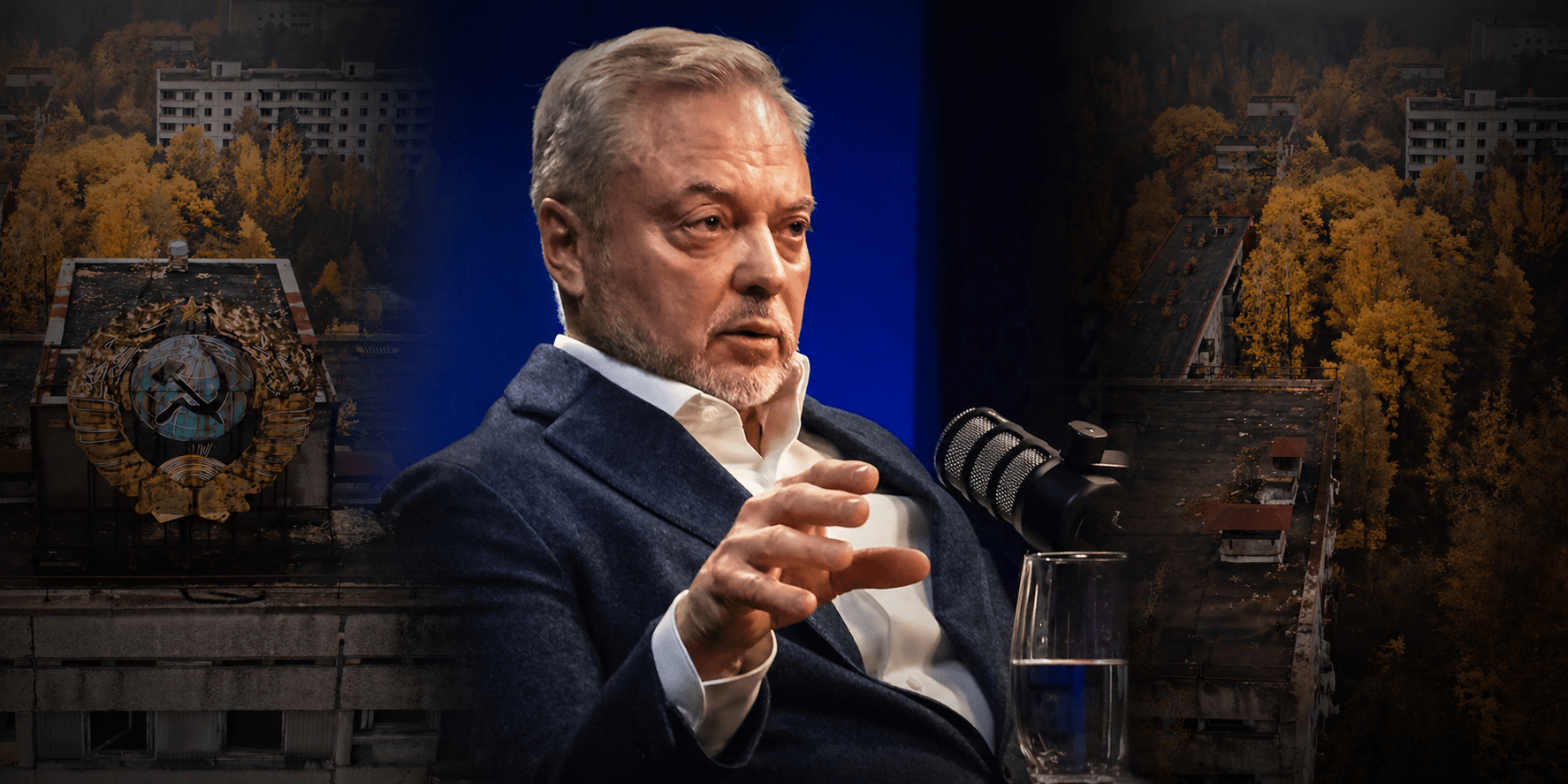
In an interview with The Times of Central Asia, Ukraine’s Ambassador Extraordinary and Plenipotentiary to Kazakhstan, Victor Mayko, spoke about the scale of the tragedy and emerging threats to nuclear safety.
TCA: Forty years have passed. Why does Chornobyl remain a relevant issue today?
Ambassador Mayko: Because it is not a story that has ended. It is an ongoing process, the consequences of which continue to unfold. Chornobyl is not only the explosion of a reactor; it is the long-term impact on people, nature, and the economy. In terms of scale, it is, without exaggeration, the largest manmade disaster in human history.
TCA: What exactly defines that scale?
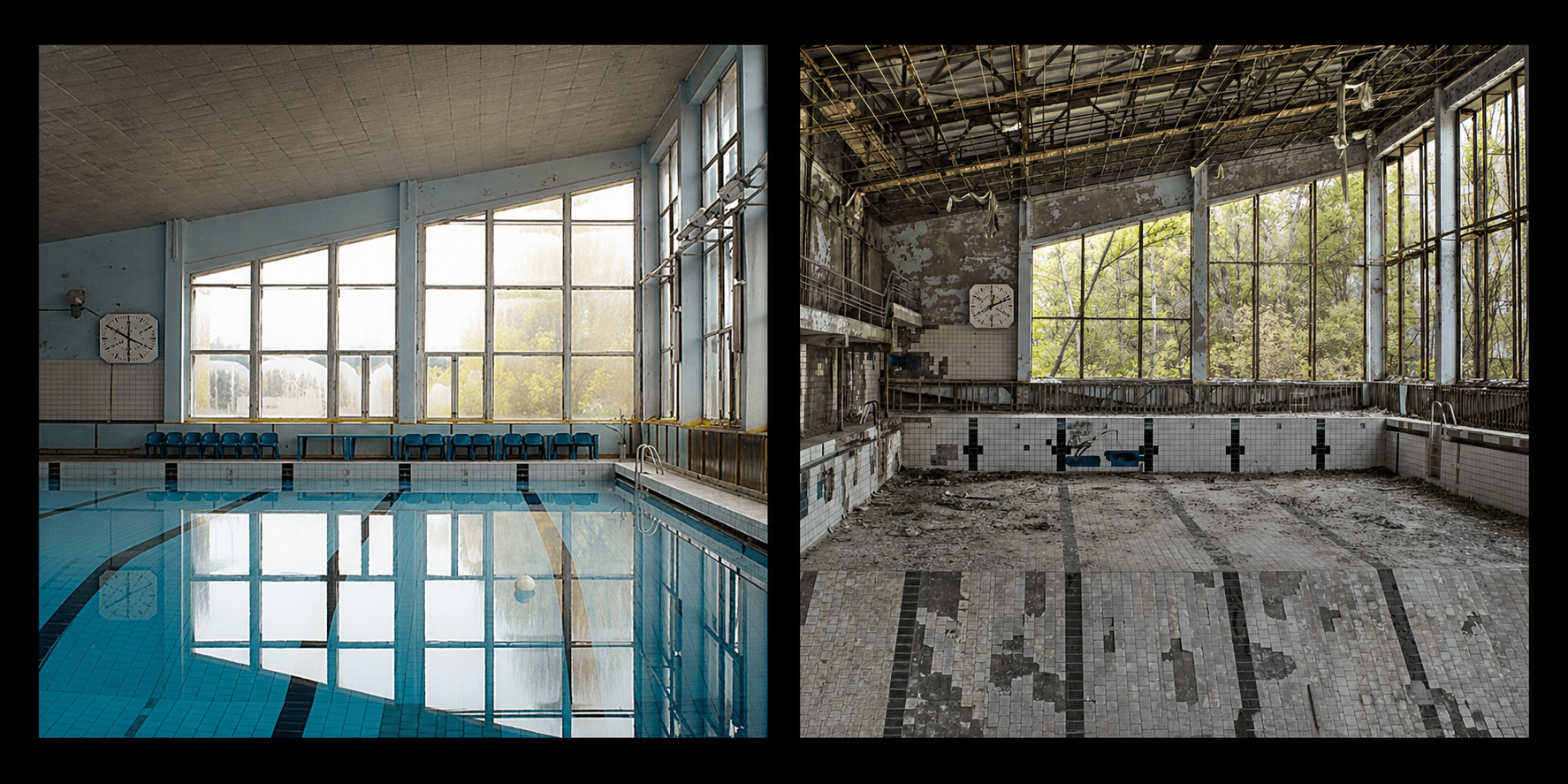
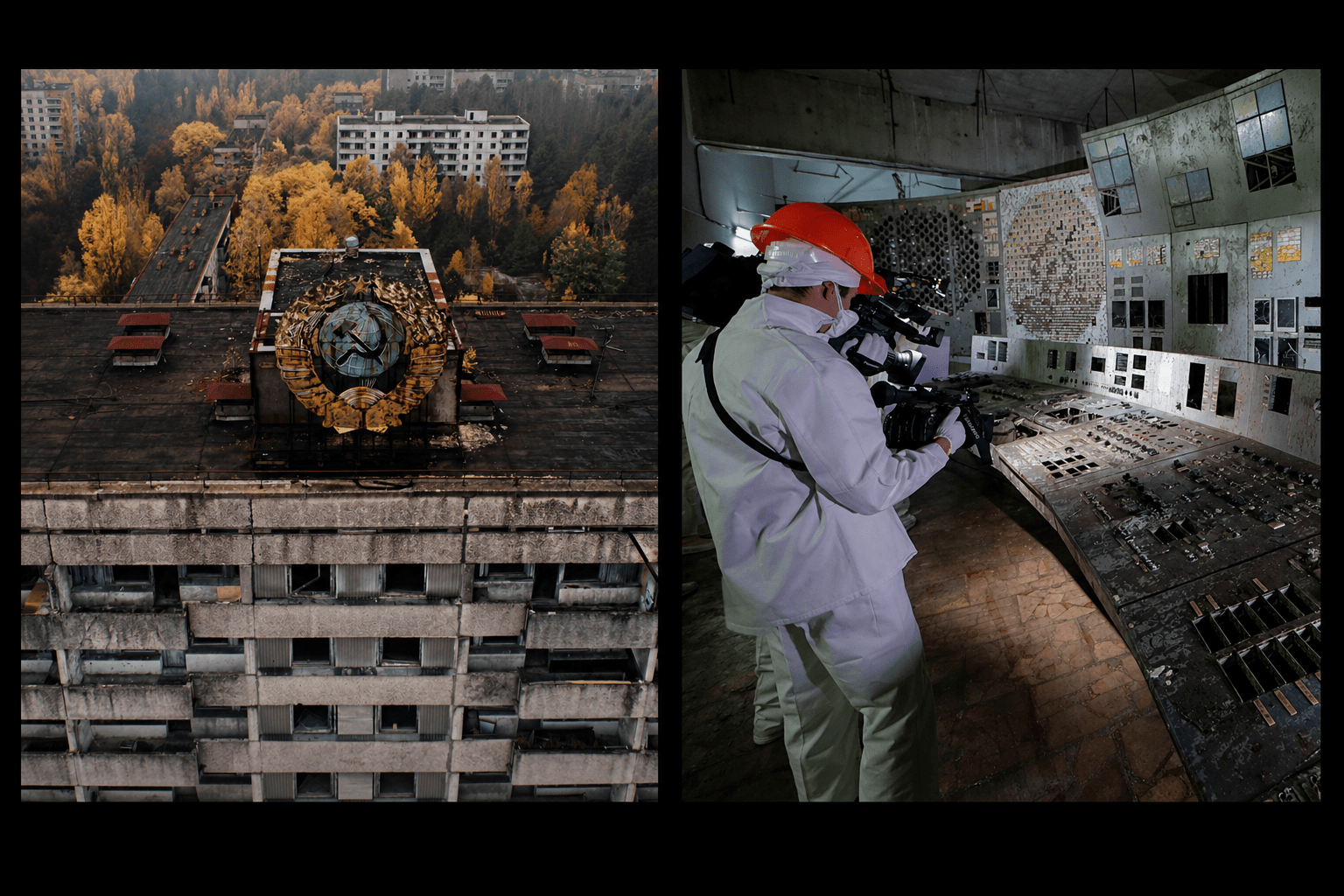
Ambassador Mayko: First and foremost, the territory. Around 150,000 square kilometers were contaminated. The most dangerous area is the 10-kilometer zone. Isotopes were recorded there that had not previously been observed; they were formed as a result of processes during the explosion.
According to estimates, this territory will only become suitable for habitation in about 20,000 years, once the decay of radioactive isotopes reaches safe levels.
These were fertile lands, chernozem soils suitable for agriculture. Today, the area is a protected zone, essentially a vast natural reserve where wild animals live. But this is a forced outcome.
TCA: As far as we know, you were personally a liquidator. What did you witness?
Ambassador Mayko: I was sent there through mobilization. I spent almost a month at the plant, in two rotations. I saw people working on the reactor roof, clearing debris and removing radioactive materials. These were difficult, frightening scenes. People went there understanding the risk, but not always fully realizing its scale.
TCA: How many people were affected?
Ambassador Mayko: We still don’t know the exact figures. The Soviet system concealed information. I believe the immediate death toll was at least 10,000. But if we include those who later died from radiation-related illnesses, thyroid cancer, stomach cancer, and others, the number rises into the hundreds of thousands.
In total, around 600,000 people took part in the cleanup. That is an enormous figure.
TCA: Why was information about the accident concealed for so long?
Ambassador Mayko: Because the system was built that way. Until the radioactive cloud moved beyond the borders of the USSR, there was silence. Only when elevated radiation levels were detected in Sweden, Finland, and the United Kingdom did international inquiries begin. Then the Soviet Union was forced to acknowledge the accident.
TCA: How did this affect people in the first days?
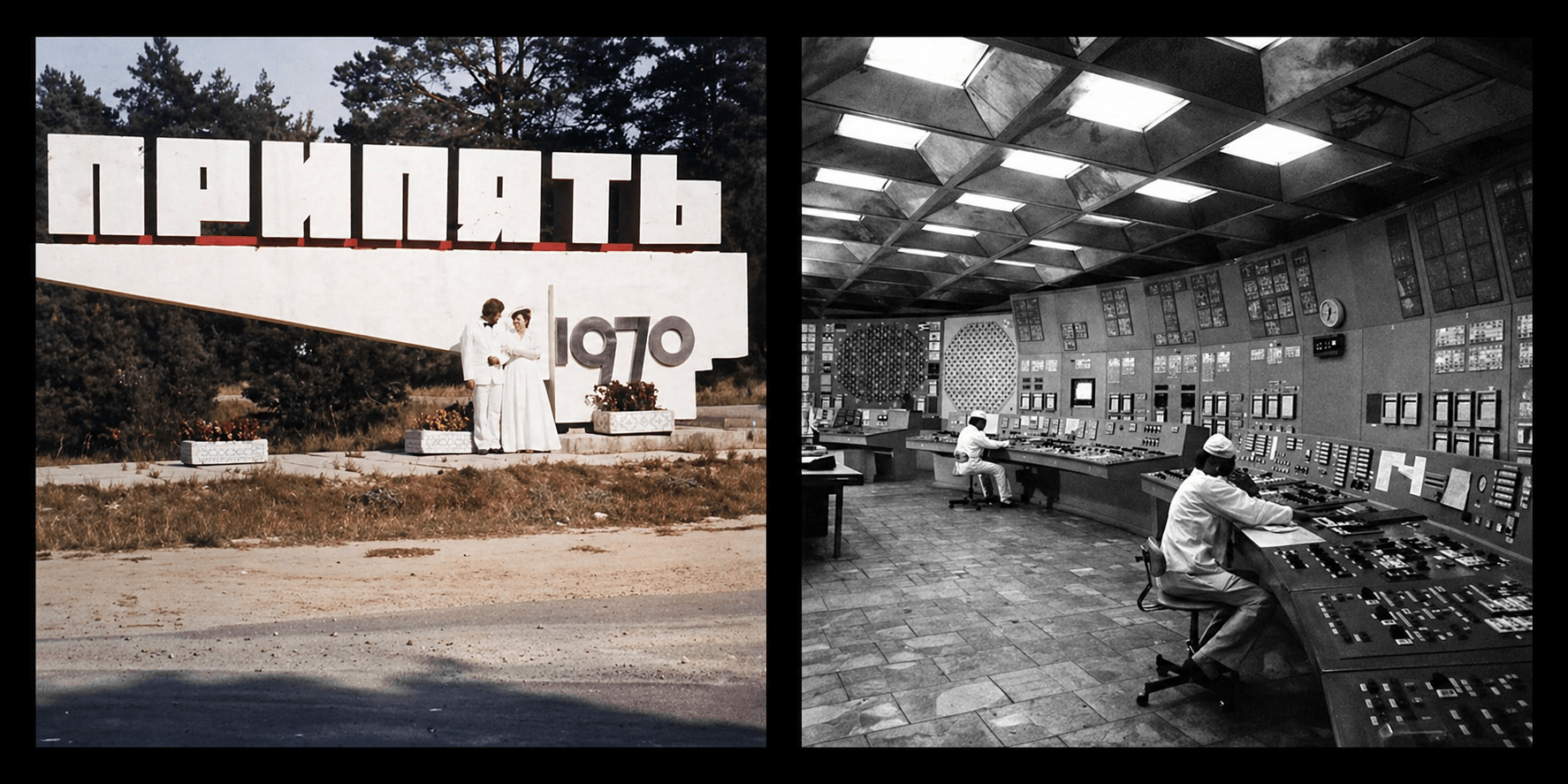
Ambassador Mayko: People continued living their normal lives. On May 1, there was a public demonstration. I was there myself with my family, with a small child. No one warned us about the danger. Many felt throat irritation and coughing, but didn’t understand the cause. If people had been informed in time to close windows and stay indoors, it would have been possible to reduce the impact. But that didn’t happen.
TCA: Was there panic?
Ambassador Mayko: It was more fear of the unknown. People didn’t understand what radiation was. Of course, many tried to take their children away. But over time, the situation stabilized. There was no mass panic; rather, anxiety that gradually faded as more information became available.
TCA: How do you assess the role of the liquidators?
Ambassador Mayko: They are heroes, without exaggeration. They saved millions of lives. If not for their actions, the consequences could have been far worse. People worked without fully understanding the level of the threat, but they carried out their task.
TCA: What is happening today at the Chornobyl plant?
Ambassador Mayko: After the accident, a sarcophagus was built, a complex engineering structure designed to isolate the destroyed reactor and prevent radiation leaks. It was an international project that cost billions.
Today, however, its integrity has been compromised. The structure was not designed for military activity. Following a strike by a Russian drone, it sustained serious damage. Now it is no longer simply a question of repair, but of potentially replacing the structure entirely. This presents a serious risk. Any loss of containment is a threat, especially given the structure’s age.
TCA: Much is being said today about the Zaporizhzhia Nuclear Power Plant. How alarming is the situation there?
Ambassador Mayko: Very alarming. The Zaporizhzhia Nuclear Power Plant is the largest nuclear facility in Europe. It is currently under the control of Russian forces and, according to available information, has been mined.
This in itself is unprecedented. There have also been instances when the plant lost external power supply and, therefore, cooling capacity for the reactors. This is a critical risk factor.
TCA: What consequences could this lead to?
Ambassador Mayko: According to some experts, a potential accident at Zaporizhzhia could be several times larger than Chornobyl. Some estimates suggest “up to 100 Chornobyls.” This would put all of Europe and a significant part of Asia at risk.
TCA: Can we say that humanity has learned the lessons of Chornobyl?
Ambassador Mayko: Partially but not fully. We see that even today issues of nuclear safety can be neglected.
The main lesson is that political interests must never be placed above human safety.
The second is transparency: information must be shared immediately, without concealment. And the third is memory. While witnesses are still alive, their stories must be heard and preserved. Only then can we hope to prevent such tragedies in the future.