Khiva, the ancient Silk Road city in Uzbekistan’s Khorezm region, will host the traditional Melon Festival, or “Qovun sayli,” from August 8–10. The celebration will be held across the historic Itchan-Kala complex and the Arda Khiva cultural space.
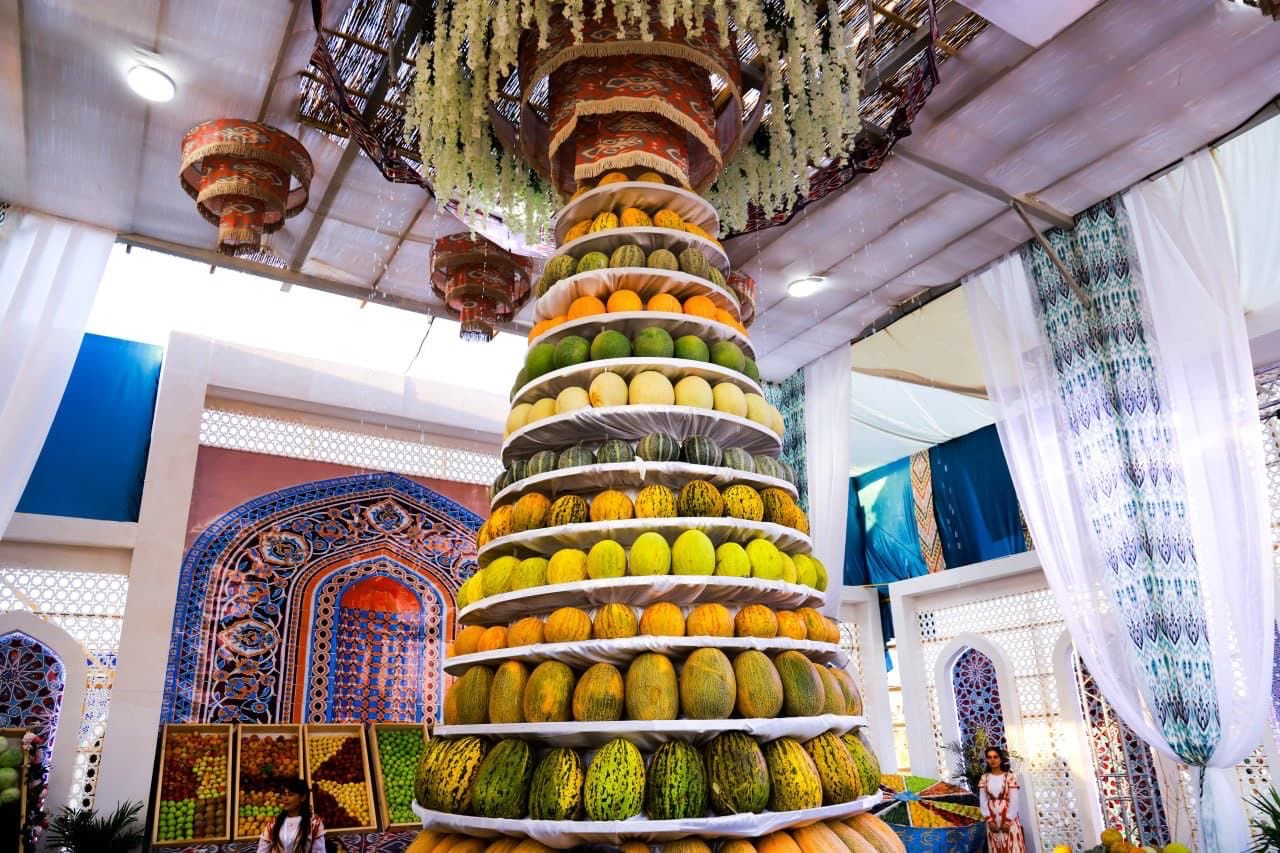
Organized by the State Tourism Committee and the Khorezm khokimiyat (local government), the festival promotes regional identity and agritourism by highlighting Khorezm’s famed melons. Farmers from across the region will exhibit scores of different melon varieties — around 125 types were showcased last year — in pavilions decorated with traditional designs.

More than a fruit fair, the festival offers puppet shows, folk music, national costume displays, and culinary exhibitions, including Khorezm bread and other regional dishes. Artisans will host workshops on handicrafts such as silk weaving and pottery, giving visitors hands-on exposure to Uzbek heritage and traditions. Evening gala concerts featuring local and international performers will take place on August 8–9 in the Itchan-Kala and conclude on August 10 in Arda Khiva.

Image: TCA, Stephen M. Bland
Qovun sayli will also have a competitive edge, with awards sponsored by the regional khokimiyat and private sponsors recognizing standout agronomists, artisans, and performers.

Image: TCA, Stephen M. Bland
Melons occupy a special place in Uzbek tradition. Over 150 varieties are grown nationwide, many prized for their sweetness and storied past. In Khorezm, melons are more than food — they are cultural icons. Ancient Uzbek kingdoms would send the fruit as gifts by camel caravan to Baghdad, and to the Russian tsars and Mughal emperors. Writing in 1876, British colonel and explorer Frederick Burnaby noted that the “taste was so delicious that anyone only accustomed to this fruit in Europe would scarcely recognize its relationship with the delicate and highly perfumed melons of Khiva.”

The festival has become a cornerstone of Khiva’s cultural calendar, attracting approximately 30,000 foreign and 400,000 domestic visitors in 2024 alone. Tourism officials view Qovun sayli as essential to boosting regional visibility and economic growth, with Khiva’s festivals, including the Lazgi International Dance Festival, a key part of Uzbekistan’s broader push to spotlight cultural tourism.