A Syrian government raid on a compound controlled by French foreign fighters in northern Syria threatened to evolve into a wider conflict after Uzbek Islamist militants arrived to reinforce the French group.
The fighting that started on Monday reflects the challenges that Syria’s transitional government faces as it tries to restore stability to the country after the 2024 ouster of former leader Bashar al-Assad and the end of more than a decade of civil war. Outbreaks of sectarian violence have disrupted progress. An additional problem is how to handle foreign fighters who originally arrived in Syria to fight al-Assad’s forces, but have turned down an invitation to join the new government’s military.
“The Syrian transitional government appears to be pursuing a low-level effort to target foreign fighters in Syria who have not integrated into the Ministry of Defense,” the Institute for the Study of War, a U.S.-based research group, said in a report on Wednesday.
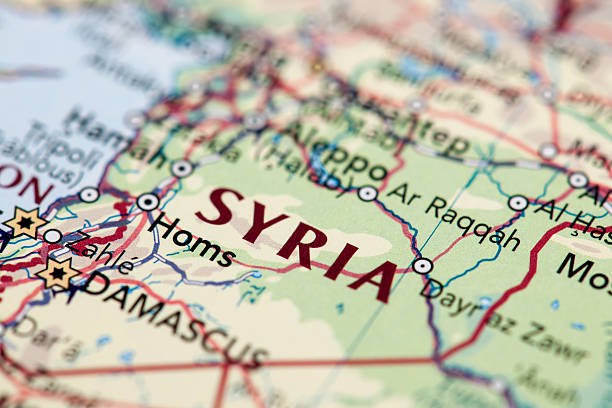
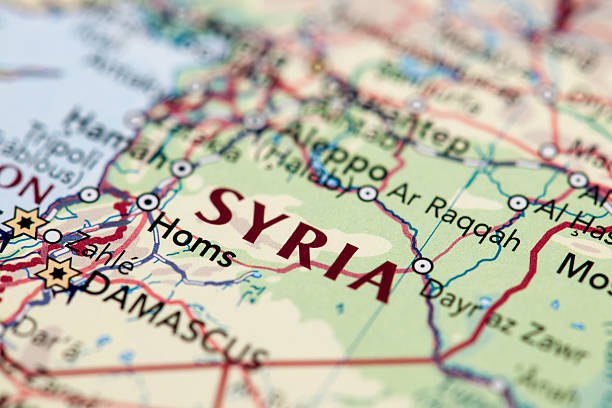
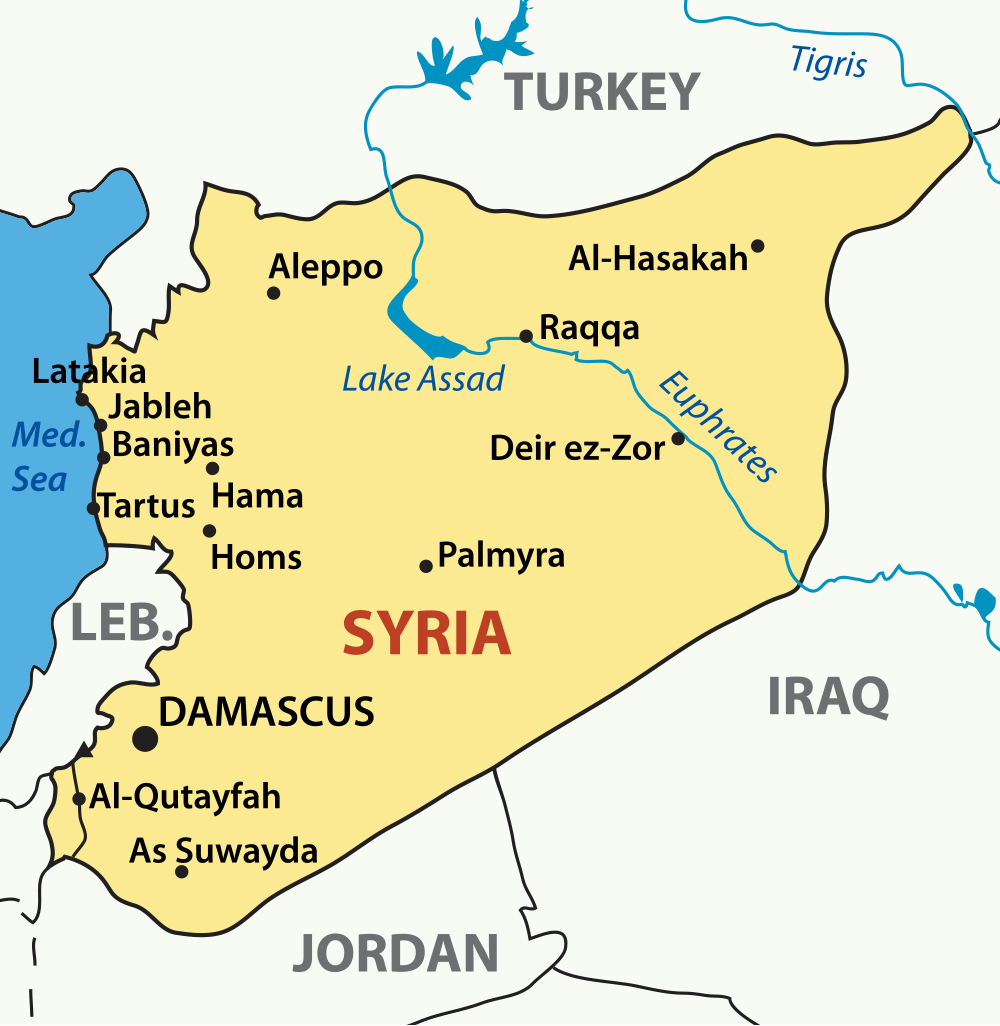
The institute said that Syrian forces targeted a compound run by a group of French militants called Fiqrat al-Ghuraba as well as fighters from the Caucasus in Harem, a city in Idlib province near the border with Türkiye. Fighting broke out and a group of Uzbek foreign fighters deployed to the compound to reinforce the militants, according to the institute.
Syrian security forces “previously arrested two prominent Uzbek foreign fighters in August 2025, which has led to increased discontent among Central Asian foreign fighter groups,” it said.
Videos purportedly showing ethnic Uzbek fighters arriving in Harem are circulating on social media.
An Arabic-language news platform, nabd.com, reported that an Uzbek fighter in one video clip said: “We have gathered in Idlib to support our French brothers.”
The Syrian Observatory for Human Rights, a Britain-based group that tracks events in Syria, said security forces tried to storm the jihadi camp with “light and medium weapons” and that fighting “left several casualties among French migrants and security forces, amid confirmed arrests of French jihadists.”
Syrian authorities said they took action this week after the militants in Idlib had kidnapped a girl and committed other “grave violations” against civilians, the state-run Syrian Arab News Agency reported.
Uzbek militants previously collaborated with Hayat Tahrir al-Sham, a group that led the rebel push to overthrow al-Assad. Hayat Tahrir al-Sham, or HTS, had al-Qaida roots but later split off and moved to project a more moderate image under leader Ahmed al-Sharaa, now Syria’s president. On Tuesday, Britain removed HTS from its list of terrorist organizations as it seeks to engage the new Syrian government. The United States took a similar step in July.
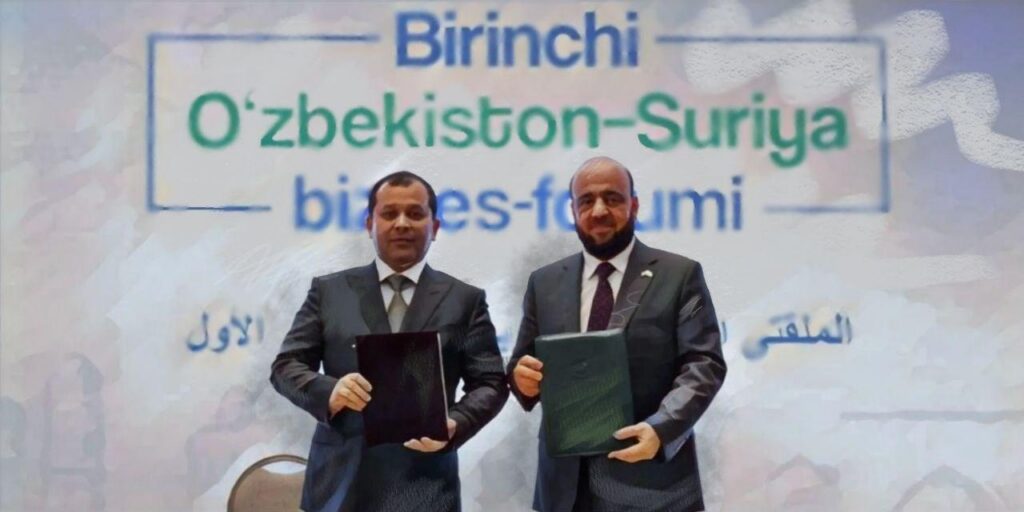
Two mainly ethnic Uzbek groups of foreign fighters in Syria, known by the acronyms KIB and KTJ, retain ties to al-Qaida and the Taliban in Afghanistan, according to an analysis by Kathleen Collins that was published last month by the Combating Terrorism Center at West Point, the U.S. military academy.
The two groups “constitute a resilient force of battle-hardened fighters, demonstrating remarkable staying power in Syria,” Collins wrote.