Kazakhstan has opened a new phase in its economic ties with China, with a large package of Hong Kong and mainland Chinese agreements arriving alongside Kazakhstan’s first sovereign borrowing in China’s domestic bond market. The two steps show Astana is moving beyond trade growth into finance, listings, yuan debt, and China-linked capital for infrastructure and industry.
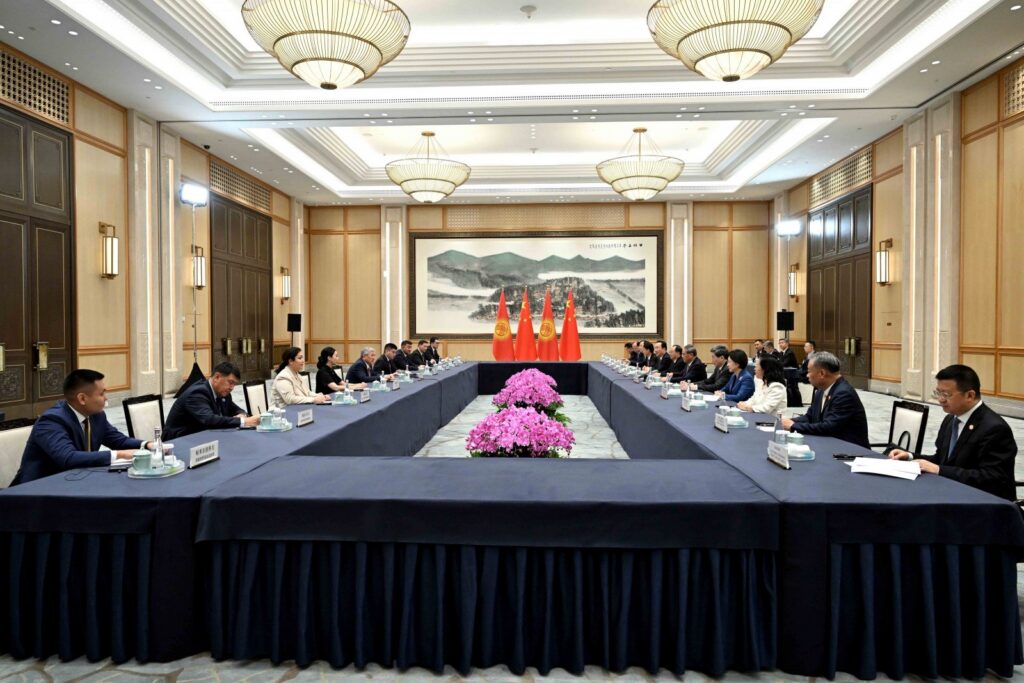
On June 2, Deputy Prime Minister and Minister of National Economy Serik Zhumangarin met a delegation of about 70 business representatives from Hong Kong and mainland China. Kazakhstan’s government said the group included 40 Hong Kong companies and 30 mainland Chinese companies working in finance, logistics, technology, energy, industry, and professional services. The visit produced four intergovernmental memoranda and 42 commercial agreements. Together, they covered aviation, finance, trade, innovation, technology, the digital economy, and green development.
Hong Kong’s government gave a separate count, saying its business delegation had so far concluded 43 memoranda and agreements in Kazakhstan. The same statement said Hong Kong and Kazakhstan would move ahead with exploratory talks on a comprehensive double-taxation agreement and an investment promotion and protection agreement. A Hong Kong airline plans to launch direct flights to Almaty in the first quarter of 2027, which would add a practical link to the new finance and trade agenda.
Officials discussed bond issuance, yuan funding, listings by Kazakh companies in Hong Kong, joint investment funds, and large investment projects. Baiterek National Managing Holding signed cooperation documents with Bank of China (Hong Kong), Invest Hong Kong, and Standard Chartered Hong Kong. Hong Kong Exchanges and Clearing Limited, which operates the Hong Kong Stock Exchange, also signed two memoranda in Kazakhstan, including one with the Astana International Exchange. The two exchanges plan to work on cross-border listings of shares and debt securities.
The agreements came days after Kazakhstan completed its debut sovereign panda bond, a renminbi-denominated instrument sold in mainland China by a foreign issuer. The Finance Ministry raised 3.4 billion yuan (about $500 million) through three-year sovereign bonds. The bonds carried a 1.9% yield, and demand exceeded supply by two times. The issue was listed on the Beijing Financial Assets Exchange and the Astana International Exchange.
The sovereign issue followed earlier yuan deals by state-linked Kazakh issuers. Development Bank of Kazakhstan placed 2 billion yuan in three-year yuan-denominated Eurobonds in September 2025, the first such issue in Central Asia. KazMunayGas raised 1.25 billion yuan in October through a five-year offshore yuan-denominated bond. Samruk-Kazyna, Kazakhstan’s sovereign wealth fund, closed the order book for 3 billion yuan in debut panda bonds in April 2026. Together with the sovereign bond, those issues total 9.65 billion yuan.
The figures cover more than central-government borrowing. The National Bank of Kazakhstan defines external debt as liabilities of residents to non-residents. It includes debt obligations of both the public and private sectors. A country breakdown drawn from National Bank data shows Kazakhstan’s external debt to Chinese creditors rose to $12.87 billion at the start of 2026, up from $9.29 billion at the end of 2024. The new panda bond adds sovereign borrowing to Kazakhstan’s wider China-linked financing, while earlier yuan placements came from national companies and development institutions.
The Ministry of Finance has presented the sovereign borrowing as affordable. Kapital reported that Kazakhstan placed the bonds on May 26 and that state debt remained at about 20% of GDP, against a 32% limit. However, the faster growth in China-linked credit still changes the shape of Kazakhstan’s financing, with more borrowing now passing through yuan markets, Chinese banks, Chinese clearing channels, and Hong Kong capital-market links.
Against this backdrop, there has been a sharp rise in Kazakhstan-China economic activity. According to the Kazakh Prime Minister’s office, bilateral trade reached $44 billion in 2024, with accumulated capital investment of $26 billion. Kazakh officials also cite a Kazakhstan-China investment portfolio of 224 projects worth about $66.4 billion. The sectors include industry, energy, transport, agriculture, technology, and value-added processing.
The latest agreements build on more than a decade of China-led regional investment. China’s Silk Road Economic Belt, later folded into the Belt and Road Initiative, was first proposed in Kazakhstan in 2013. Since then, China has become one of Kazakhstan’s main trading partners, and Kazakhstan has become a key overland route between China and Europe. Astana wants Chinese capital for ports, roads, rail, agriculture, power, and processing. It also wants more Kazakh companies to raise debt and equity outside dollar and euro markets.
Hong Kong gives the relationship a financial and services bridge. Its delegation promoted listings, bond issuance, fundraising, professional services, and access to mainland China. Kazakhstan offers Hong Kong and mainland Chinese companies a route into Central Asia’s largest economy and a base for logistics, food, energy, mining, and technology projects. Hong Kong also promoted its Northern Metropolis project, a large development plan that includes more than 3,000 hectares of new land and about 800 hectares set aside for industrial use.
The test now is whether these agreements turn into funded projects. Some have a clear route: direct flights, tax talks, exchange cooperation, and bank agreements can all move forward without waiting for a flagship deal. Others will take longer, especially if they depend on infrastructure financing or cross-border listings.
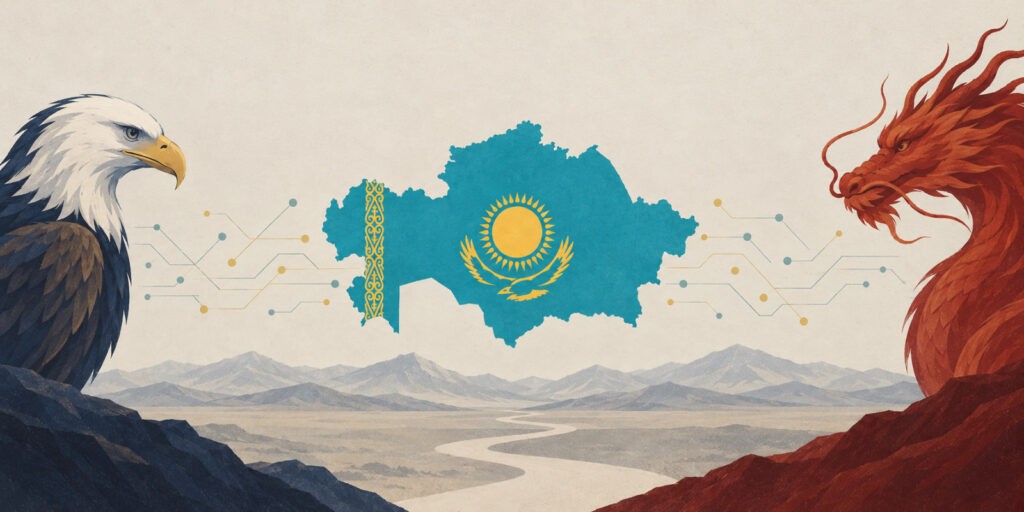
For Kazakhstan, the attraction is access to cheaper capital, deeper investor pools, and another route beyond dollar and euro funding. The constraints are also clear: more yuan borrowing and China-linked finance will tie a larger share of Kazakhstan’s investment plans to Chinese markets, banks, and rules.