“Building a hydroelectric power plant is a responsibility for our country!”
Displayed in Tajik at the entrance to the Rogun construction site, deep in the mountains of Tajikistan, the slogan captures the significance of what has become the most ambitious infrastructure project in the country’s history – and one of the largest hydropower developments in the world.
Nearly fifty years after the Soviet authorities launched construction in 1976, the mega-project is finally entering a decisive phase. Long delayed by the collapse of the Soviet Union, the civil war of the 1990s, and the economic struggles of Central Asia’s poorest country, the project has gained renewed momentum over the past decade.
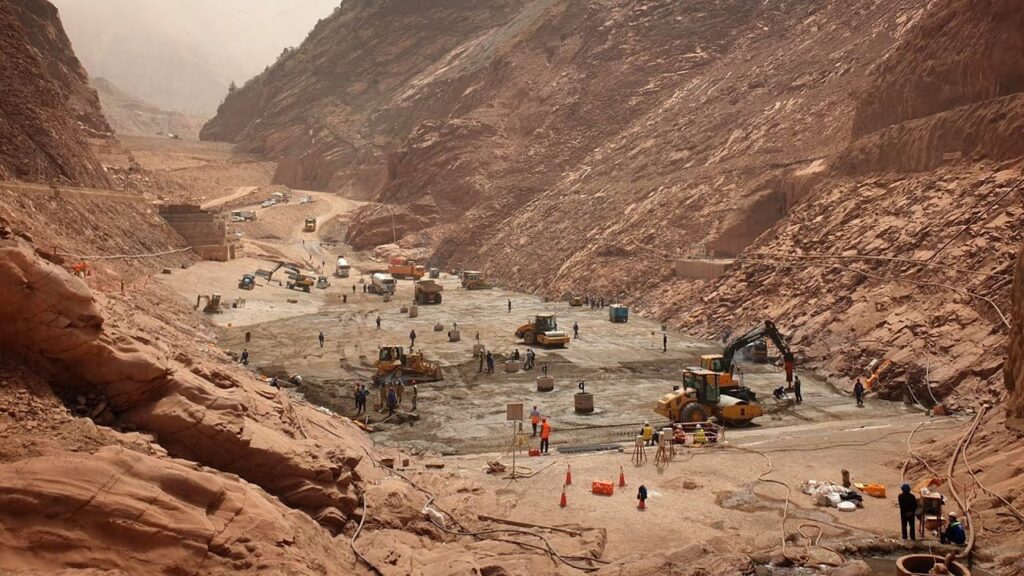
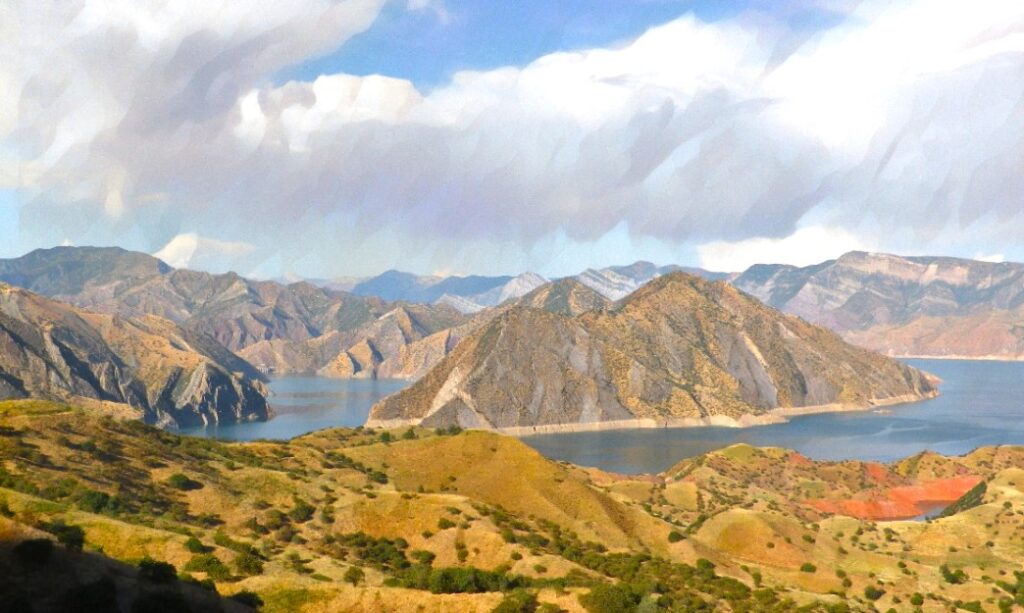
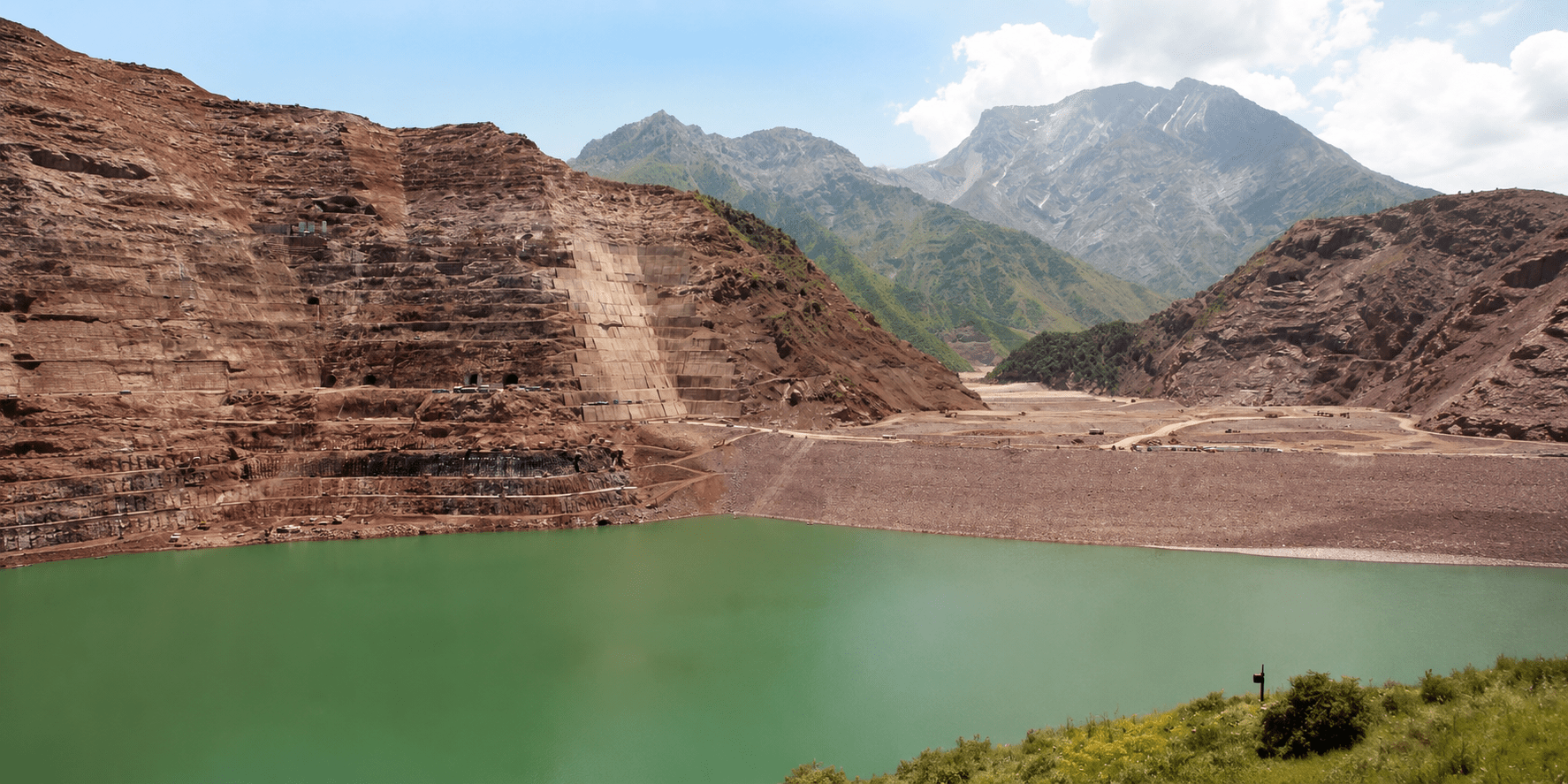
After a two-hour drive through the mountains east of Dushanbe, the scale of the site gradually comes into view. Located more than 1,300 meters above sea level, Rogun is far more than a dam. The complex includes dozens of kilometers of tunnels, diversion canals, underground power stations, and an extensive network of technical infrastructure carved into the rock.

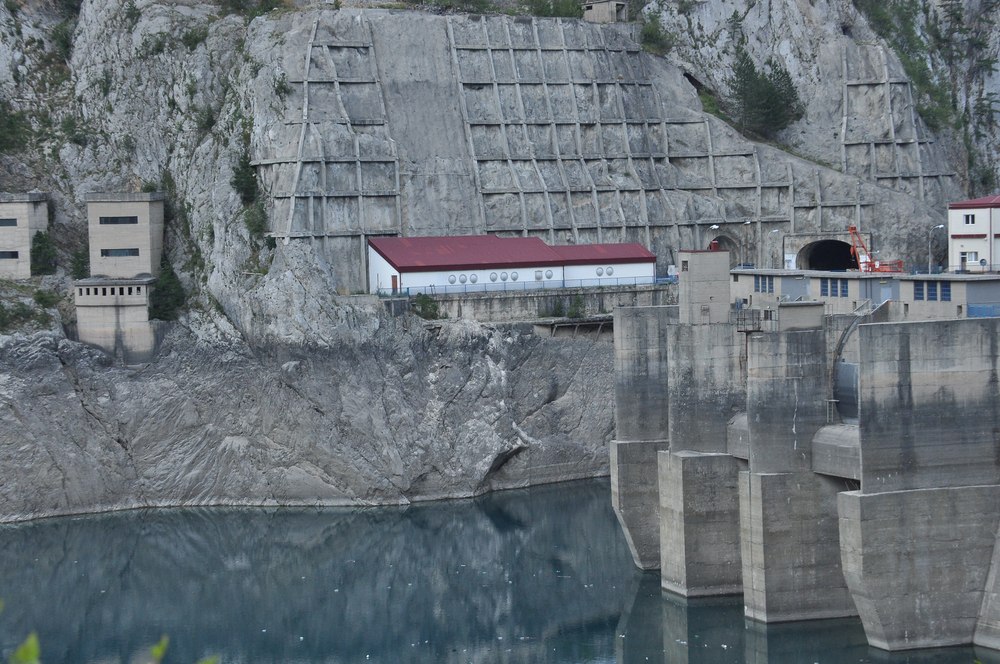
Turbines in the process of being built
Once completed, according to current project plans, the structure will rise to 335 meters, making it the tallest dam in the world, Tajik officials proudly note. For now, it stands at approximately 140 meters.
“This is where the Vakhsh River flows,” says Anvar Rahmonov, Production Director at Rogun HPP, standing on a ridge overlooking the future reservoir.
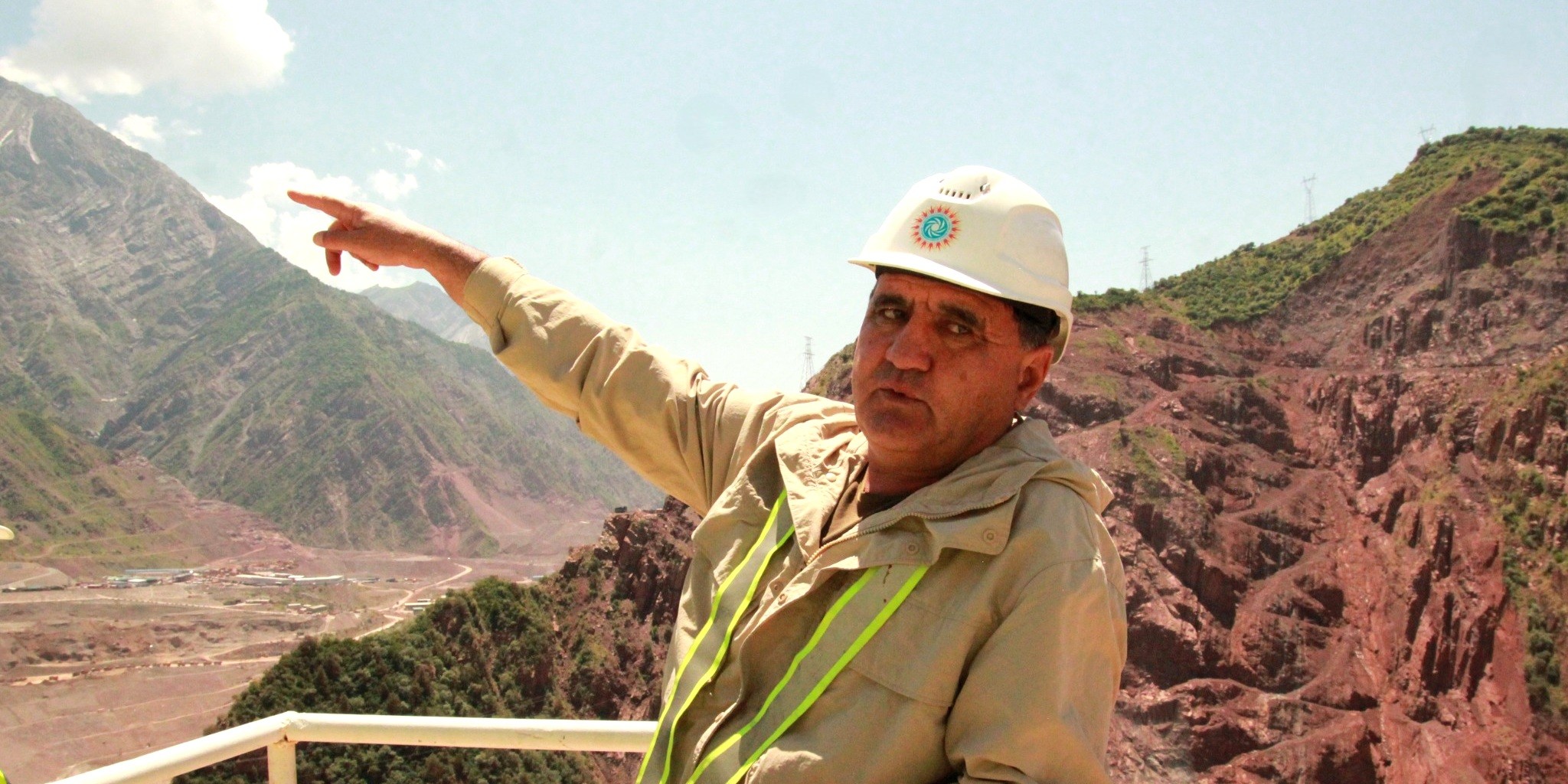
Anvar Rahmonov, Production Director at Rogun HPP
Fed by glaciers in the Pamir Mountains, the river is diverted through underground galleries that currently power two 600-megawatt turbines.
Below, dozens of trucks move continuously across the site while workers labor across different sections of the project. The deep blue waters of the future reservoir – designed to hold more than 13 billion cubic meters of water – contrast sharply with the surrounding red-earth mountains and the constant movement of heavy machinery.
The project remains far from complete. Four additional turbines are still under construction. Once fully operational, the plant will have a total installed capacity of 3,600 megawatts, according to Tajik project officials, comparable to that of a nuclear power station.
Ending Chronic Energy Shortages
For a country of just over ten million people that continues to face electricity shortages every winter, the stakes are enormous.
Despite possessing one of Central Asia’s largest hydropower potentials, Tajikistan still suffers from a chronic energy deficit. During the winter months, the country lacks roughly a quarter of the electricity needed to meet domestic demand, resulting in rationing and power restrictions across much of rural Tajikistan.
“Thanks to this project, Tajikistan will be able to achieve energy independence,” says Andres Ricaldi, an engineer with the Franco-Belgian consultancy Tractebel, which is involved in the project. In the substation, a diagram of the power lines supplying the different regions is shown.
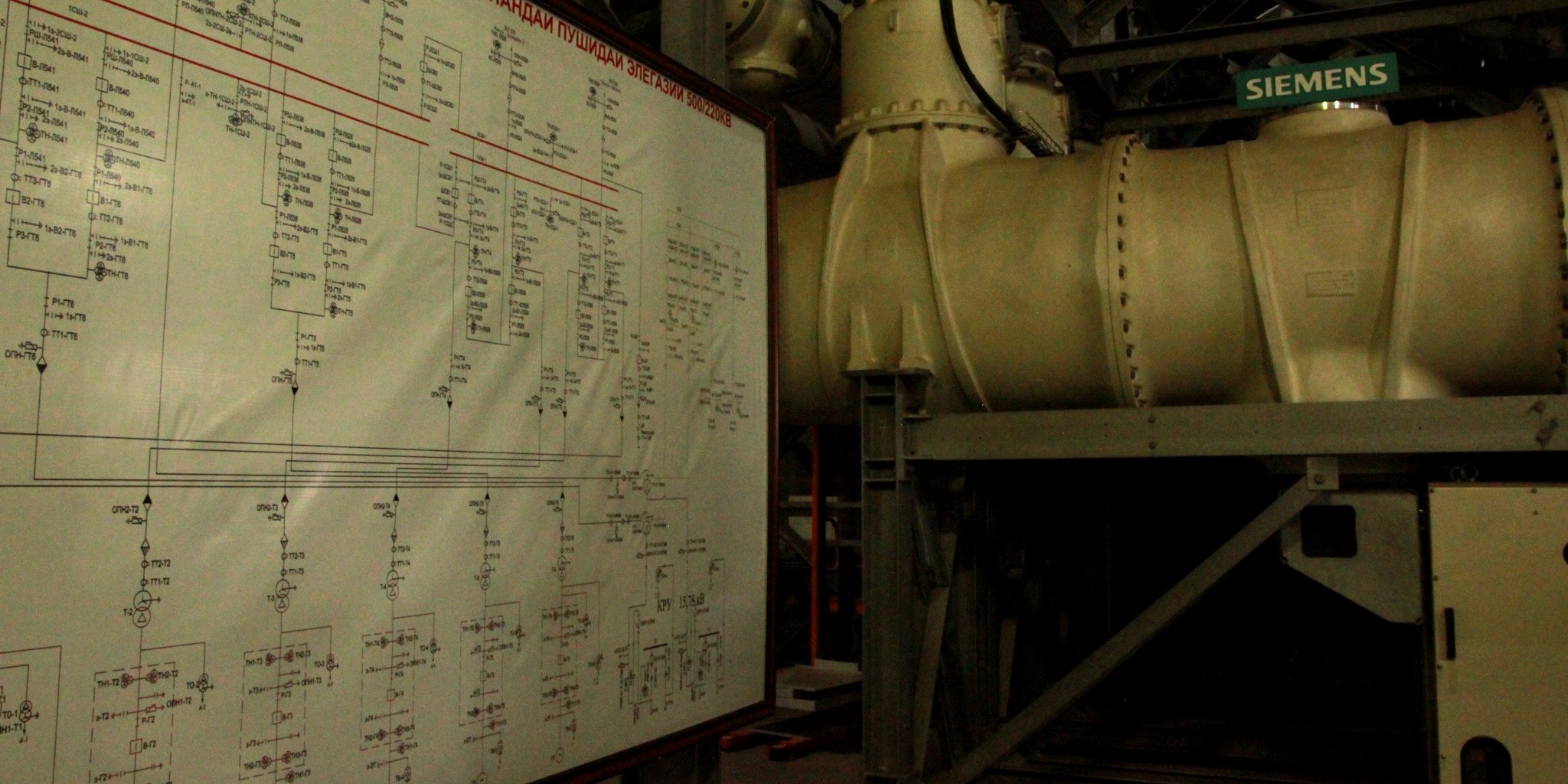
Substation zone
Yet Rogun’s ambitions extend well beyond the domestic market.
“The meaning of the Rogun Dam has changed,” explains Artemy Kalinovsky, Professor of History at Temple University. “It is no longer simply a Soviet-era development project intended to provide electricity and support irrigation. It has also become a way of generating foreign currency revenues through electricity exports.”
The government hopes to turn Tajikistan into a regional energy exporter. Through the CASA-1000 transmission project, Tajikistan hopes to send electricity through Afghanistan to Pakistan, although the system cannot operate until the Afghan section of the line is completed.

Entrance to the Rogun construction site
A National Project Becomes an International Showcase
The project’s ambitions, however, continue to face technical challenges.
“Construction is broadly on schedule,” says Lesha Witmer, a Netherlands-based water management specialist. “The main bottleneck now concerns the turbines, because that is where the project’s future income revenues will be generated.”
According to Witmer, most international financing currently supports civil engineering works rather than power-generation equipment.
The financial burden is already immense. The World Bank has said Rogun will require about $6.29 billion to complete, with financing expected to come from project revenues, domestic resources, and development partners. In the 2000s, the authorities even considered relying on citizens’ savings to finance the project. Unable to raise sufficient funds domestically, Dushanbe ultimately turned to international lenders, who now provide more than half of the project’s financing.
Securing that support was not straightforward.
For years, international financial institutions remained cautious, largely because of concerns over the project’s regional implications for water management. The Vakhsh River, the Amu Darya’s main tributary, is part of a transboundary water system shared by several Central Asian states. Its waters are vital for agriculture in both Uzbekistan and Turkmenistan, making water allocation a highly sensitive issue.
For more than two decades, Tashkent opposed the construction of Rogun, fearing that filling the reservoir would reduce downstream water supplies. Relations between the two countries have improved significantly in recent years, however, helping to ease international concerns.
The death of former Uzbek President Islam Karimov in 2016 marked a turning point. His successor, Shavkat Mirziyoyev, adopted a more pragmatic approach toward Rogun, paving the way for greater international involvement.
The World Bank eventually approved the project’s technical studies before endorsing a major financing package in 2024 involving several international lenders, including the European Investment Bank.
“The World Bank’s approval was decisive,” says Ricaldi.
Today, more than half of Rogun’s financing comes from international partners. That dependence has also imposed strict monitoring and reporting requirements, specialists involved in the project say. According to several sources, Tajikistan’s Prime Minister visits the site almost every week to oversee construction progress.
The project has also become closely associated with President Emomali Rahmon.
In power since 1992, Rahmon regularly describes Rogun as the “construction project of the century” for Tajikistan. His portrait is ubiquitous throughout the site, reflecting the dam’s political and symbolic importance.
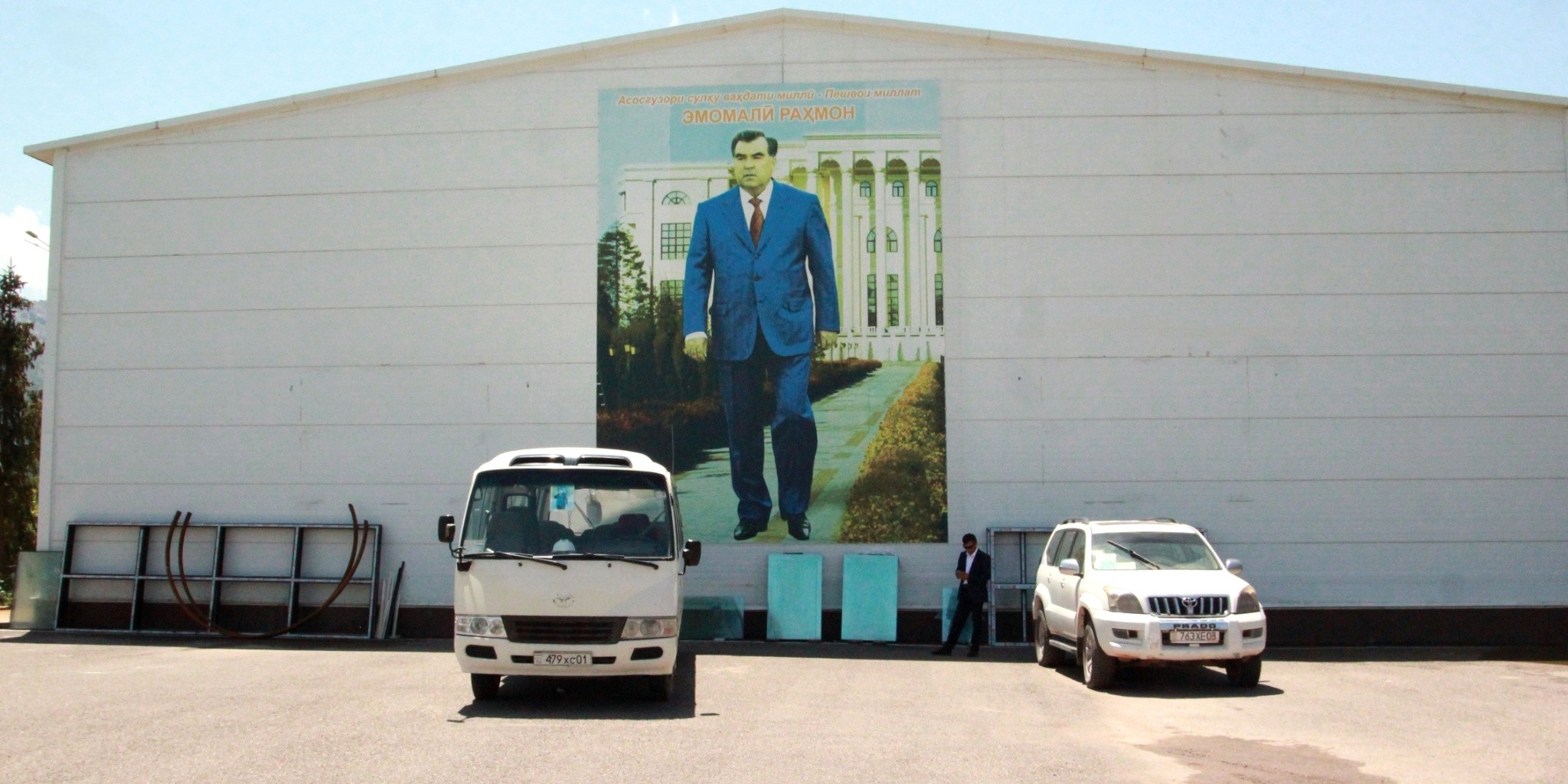
Rogun base with Rahmon portrait
A Green Mega-Project in an Era of Climate Change
Officials also present Rogun as a cornerstone of Central Asia’s energy transition.
“In several downstream countries, electricity is still largely generated from coal and oil,” says Rustam Abdullaiev, Head of Water and Energy Policy at Tajikistan’s Ministry of Energy and Water Resources. “Hydropower can significantly reduce greenhouse gas emissions across the region.”
Climate change, however, is adding a new layer of uncertainty to the debate. The accelerated melting of Pamir glaciers could reduce river flows in the coming decades.
“We are already observing certain changes,” Abdullaiev acknowledges. “That is why we are developing a cascade of reservoirs that will allow us to better regulate water resources and mitigate some of the effects of climate change.”
For Kalinovsky, Rogun also addresses a more immediate concern: sediment accumulation at the Nurek Dam, currently Tajikistan’s main hydropower facility.
“A large amount of silt flows downstream toward Nurek,” he explains. “The more sediment accumulates, the more the reservoir’s capacity decreases. Without Rogun, Nurek’s storage capacity will eventually decline quite significantly.”
For now, attention is focused on the next stage of construction. The authorities plan to raise the reservoir level again in the coming months, a crucial test for the project’s future.