Kazakhstan’s OPEC+ crude oil production target will rise by 10,000 barrels per day in September to 1.628 million barrels per day after seven producers agreed to increase their combined target by 188,000 barrels per day. The decision completes the gradual restoration of 1.65 million barrels per day of production withheld under voluntary cuts announced in April 2023.
Following a virtual meeting on August 2, Saudi Arabia, Russia, Iraq, Kuwait, Kazakhstan, Algeria, and Oman agreed to the latest adjustment. The United Arab Emirates was part of the original group implementing the voluntary cuts but left OPEC and OPEC+ on May 1, reducing the group making the monthly decisions from eight countries to seven.
OPEC’s rounded country allocations raise the targets of Saudi Arabia and Russia by 62,000 barrels per day each, Iraq by 26,000, Kuwait by 16,000, Kazakhstan by 10,000, Algeria by 6,000, and Oman by 5,000 barrels per day.
OPEC+ said the adjustment would allow participating countries to accelerate compensation for previous overproduction. It does not cancel Kazakhstan’s obligation to offset all excess volumes produced since January 2024 by producing below its applicable targets in future months.
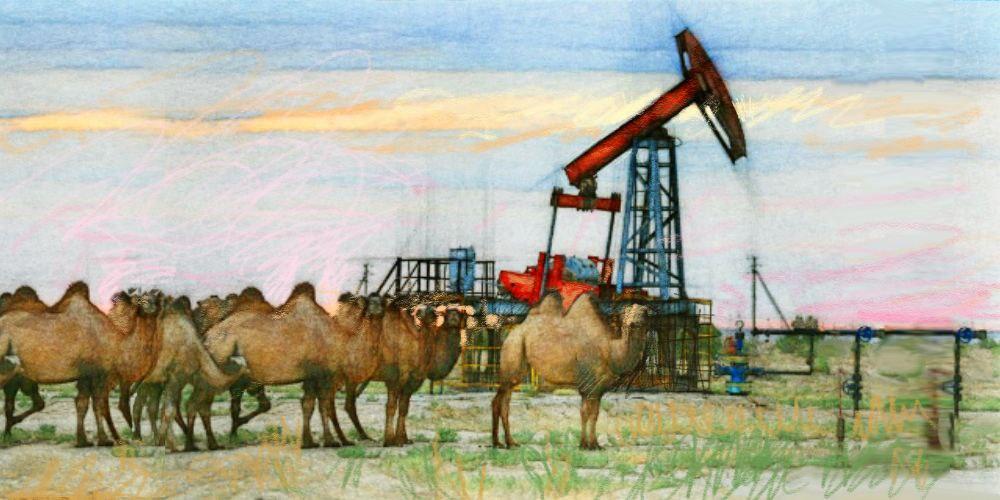
Kazakhstan has faced sustained pressure within OPEC+ after repeatedly producing above its agreed limits. The expansion of the Tengiz oilfield has pushed national output to record levels, while Astana has repeatedly said it intends to meet its compensation commitments.
Reuters reported that successive OPEC+ increases this year have remained largely on paper because export disruptions have constrained supply from the Gulf, Russia, and Kazakhstan. Sources had indicated that the group could pause further increases in the fourth quarter, although the August 2 statement made no commitment on production policy for the final three months of 2026.
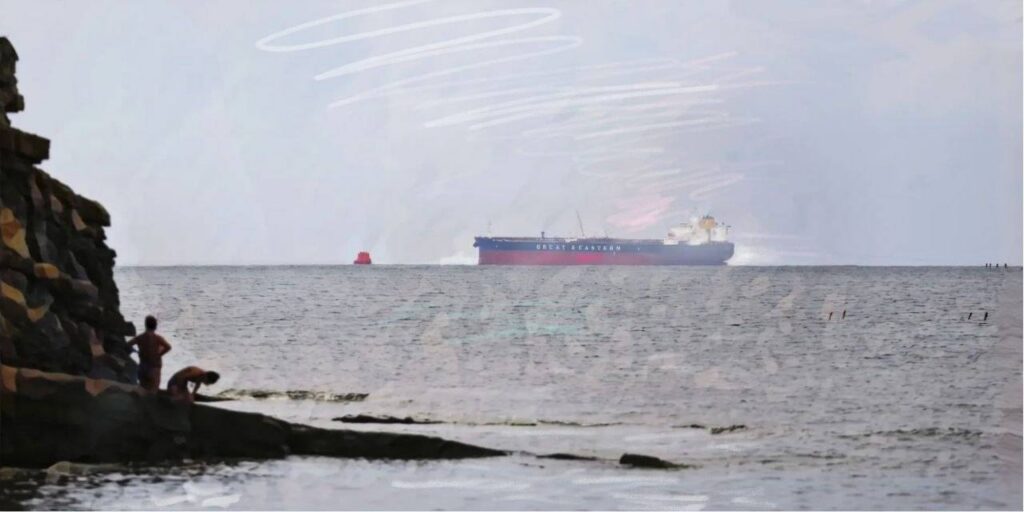
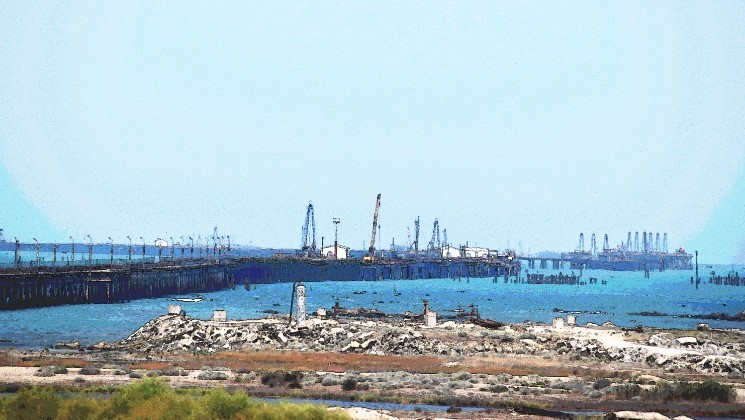
Recent disruptions at the Caspian Pipeline Consortium provide an immediate limit on what Kazakhstan’s higher target may mean. The Times of Central Asia reported on August 3 that tankers were loading and Kazakhstan had restored crude intake after attacks near CPC’s Black Sea terminal, but the available statements did not establish a full return to planned export volumes. CPC handles more than 80% of Kazakhstan’s crude exports, so renewed loading restrictions could again force producers to cut output regardless of the higher quota.
OPEC+ is also reviewing members’ production capacity before setting the baselines that will apply in 2027. The seven producers will meet again on September 6 to assess market conditions and decide whether to make further changes.