Kyrgyzstan has drafted a plan worth about $419 million to curb rising prices in 2026–2027. The authorities aim to increase food production and build reserves, but fuel imported primarily from Russia remains a major source of inflationary pressure largely beyond the government’s control.
The draft was presented to the Cabinet on August 21. During the first seven months of 2026, consumer prices and tariffs in Kyrgyzstan rose by 6.7% from their December 2025 level. Average annual inflation over the same period was 10.7%.
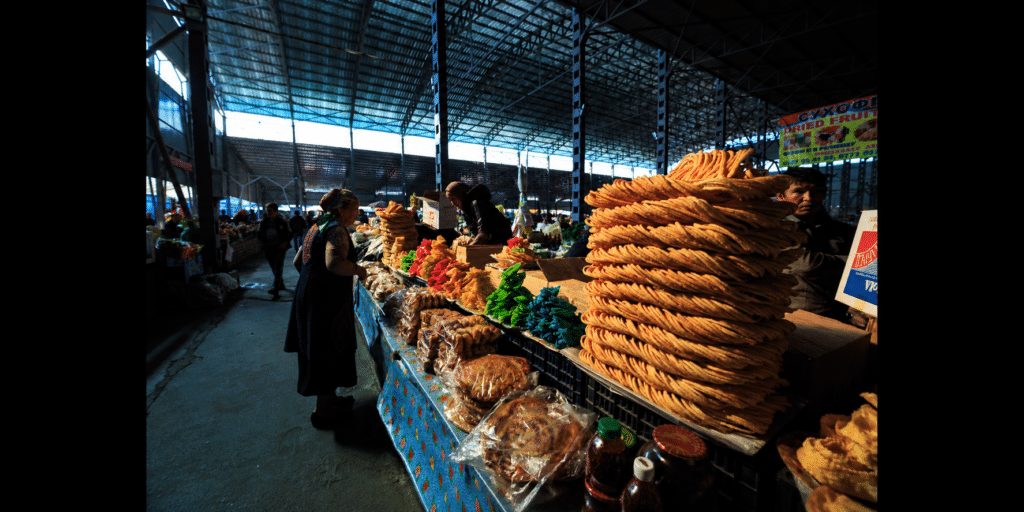
Food prices rose particularly sharply, with fresh fruit up 16% and meat products 14.5%. Lamb recorded the largest increase at 23.1%. Horse meat rose by 16%, while beef increased by 14.2%.
The authorities have already intervened directly in the meat market. In March, Kyrgyzstan introduced a six-month ban on livestock exports. Temporary state controls on beef and mutton prices also applied earlier this year but expired on May 2.
The plan calls for increasing the productive livestock population by at least 20,000 head. Agribusinesses will be eligible for preferential loans, while the dairy and poultry sectors will receive subsidies.
Storage facilities with a combined capacity of 18,000 metric tons are planned in all seven regions. Farmers are to receive 68,000 metric tons of seed and the necessary amounts of mineral fertilizer.
The government also intends to ensure sufficient wheat supplies for the domestic market and purchase another 20,000 metric tons from local producers for state reserves. The draft would establish direct supply channels for agricultural products and expand the network of retail outlets operating without intermediaries.
Kyrgyzstan relies on imports for almost all of its petroleum products. Deputy Energy Minister Nasipbek Kerimov said in July that Russia had supplied about 95% of the country’s annual fuel needs in recent years, with total consumption of around 2 million metric tons.
This summer, Russia’s fuel shortages worsened amid refinery outages following Ukrainian drone attacks, high seasonal demand, and transport problems. Moscow tightened restrictions on fuel exports and turned to imports to support domestic supplies.
For Kyrgyzstan, the decline in Russian supplies quickly became a problem. According to the National Statistical Committee of the Kyrgyz Republic, the average price of AI-92 gasoline reached 88.24 soms per liter by August 12, around 6% above the July average. AI-95 rose by 12% to 109.24 soms, while diesel increased by 5% to 102.08 soms.
The government has already raised its year-end inflation forecast to 14–15% from an earlier projection of 9%, citing rising fuel costs as one reason.
The National Bank of the Kyrgyz Republic kept its policy rate at 12% on July 27. Among the external inflation risks, the central bank cited volatile global food prices and possible disruptions to petroleum-product supplies through the Strait of Hormuz. Its medium-term inflation target is 5–7%.
Kyrgyzstan cannot quickly replace Russian fuel, but importers have begun seeking supplies farther afield. Kanatbek Eshatov, president of the Association of Oil Traders of Kyrgyzstan, said on August 12 that reduced supplies from Russian refineries had prompted deliveries from Belarus, Azerbaijan, Turkey, and other countries. Talks are also under way with China and Kazakhstan. Eshatov warned that no significant improvement should be expected in August or September.
“Prices on global markets are creeping upwards, which naturally has an impact as well. It will be extremely difficult to artificially restrain such fluctuations for long,” Eshatov said.
On August 17, Deputy Chairman of the Cabinet of Ministers Erlist Akunbekov met Sinopec representatives in Urumqi. Executives from more than ten Kyrgyz oil companies accompanied him. The talks covered direct supplies of petroleum products, transportation, and customs clearance. On August 19, Kyrgyz companies reached further supply agreements with China National Petroleum Corporation. As The Times of Central Asia previously reported, supplies from more distant countries require new routes and raise transportation costs.
Growth remained rapid, with Kyrgyzstan’s GDP increasing by 11.1% through July compared with the same period in 2025. The average monthly wage in the first half of 2026 reached 53,759 soms, or around $615, excluding small businesses. Nominal wages rose by 27.5%, while real wages increased by 15.3%.
The plan may help contain domestic food-price pressures, but bringing inflation back toward the National Bank’s target will also depend on how quickly fuel supplies from Russia stabilize.