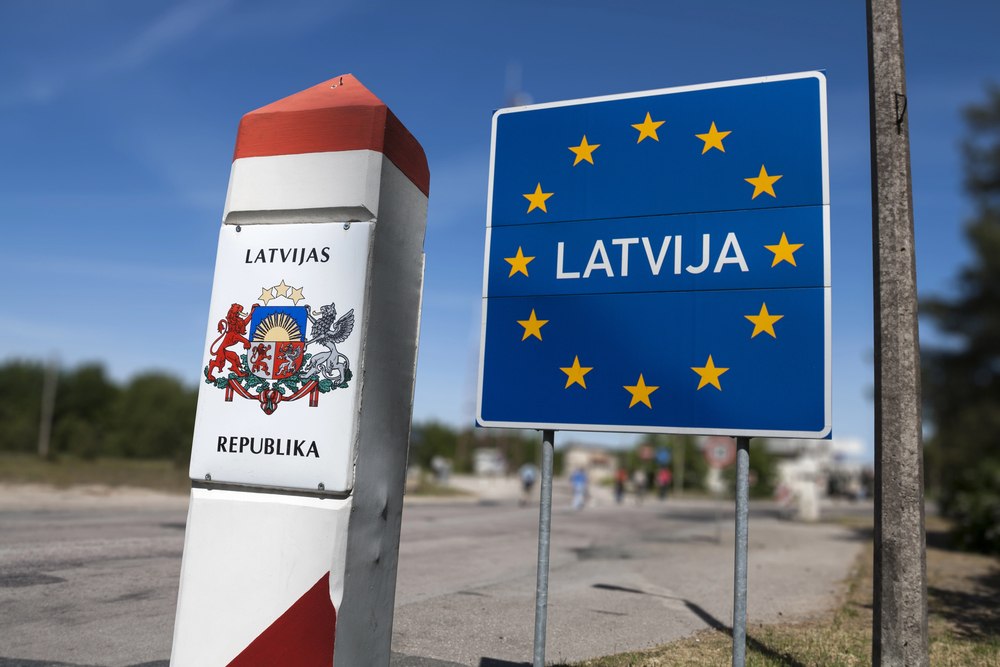
Latvia’s Interior Ministry has proposed temporarily suspending visa issuance to Uzbek citizens after several Uzbek nationals were accused of committing crimes shortly after arriving in the country, including offenses against minors.
Interior Minister Jānis Dombrava said the measure was necessary to protect public order and give Latvian authorities time to work with Uzbekistan on tighter screening procedures.
Latvian law allows the government to temporarily restrict visa applications and entry for citizens of a particular third country if authorities identify risks to internal security or public order.
The proposal has not yet been approved – the Interior Ministry wanted the Cabinet to consider it on September 29, but its coalition partners were not ready to place the issue on the agenda. The ministry said it expects the proposed restriction to be considered at the next government meeting.
If adopted, Latvian authorities plan to use the suspension period to work with Uzbekistan on improved screening procedures aimed at preventing people considered a security risk from entering the country. The ministry has not specified how long the proposed suspension would last or whether exemptions would apply. As Latvia is a member of the Schengen Zone of European countries, it is also questionable how enforceable such restrictions would be.
The visa concerns come as Riga and Tashkent are simultaneously trying to expand business ties. Uzbekistan’s Dunyo news agency reported on October 4 that a Latvian business delegation was due to visit Uzbekistan on October 5–10 for a business forum. Latvian companies have expressed interest in closer economic ties, with agricultural producers particularly interested in importing more Uzbek mineral fertilizers.
Latvia is not the only Baltic state tightening scrutiny of migration from Central Asia. Neighboring Lithuania is closing external service centers that accept applications for temporary residence permits in Kazakhstan, Kyrgyzstan and Uzbekistan from November 1, citing security concerns. The closures follow a sharp increase in applications from Central Asian workers as more people from the region seek employment outside Russia. The Times of Central Asia recently examined the restrictions and the limits they expose in Central Asia’s growing shift toward European labor markets.