Kyrgyzstan aims to attract up to $900 million to support small and medium-sized enterprises (SMEs) by 2030, but in a government survey of more than 500 entrepreneurs, more than eight in ten lacked confidence that their legal rights were adequately protected.
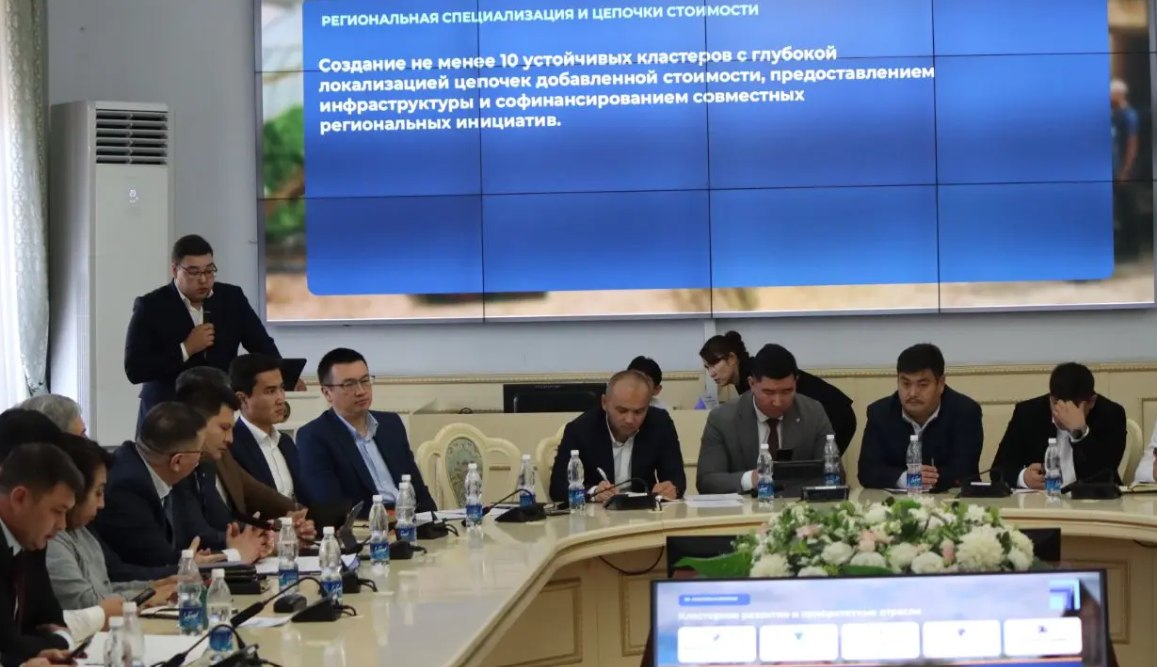
On November 20, Akim Nasirov, head of the Business Environment Policy Department of the Ministry of Economy and Commerce, presented the government’s SME development program at the first meeting of a consortium established to coordinate support for small businesses. The consortium, created in January, brings together government agencies, banks, and development funds. It aims to produce an initial action plan in early 2027.
The government approved the program on June 29, 2026. Its targets include raising SME employment to 60% of the working-age population and increasing exports by 25% by 2030. The estimated $800 million–$900 million budget is to be financed through public funds, loans, private investment, and international partners.
The survey, conducted among entrepreneurs across Kyrgyzstan as part of preparations for the program, found that 39% of respondents felt completely unprotected from a legal standpoint, while another 44.1% considered themselves only partially protected. Respondents also identified high interest rates, complicated administrative procedures, shortages of skilled workers, and difficulties finding customers as obstacles to growth.
To address concerns about legal protection and bureaucracy, the government proposes reducing the number of scheduled inspections of SMEs with good compliance records, simplifying licensing and reporting requirements, and expanding the powers of the Business Ombudsman.
Access to credit is another priority. Kyrgyzstan plans to establish a fund through which entrepreneurs can obtain long-term financing in Kyrgyz soms, helping them avoid the exchange-rate risks associated with borrowing in foreign currencies. The program also aims to reduce average interest rates on investment loans from 19–20% to around 5% by 2030. Interest rate subsidies are planned for selected industries, alongside expanded credit guarantees for businesses that struggle to meet collateral requirements.
Another goal is to establish at least ten regional and industry business clusters by 2030 in agriculture, light manufacturing, tourism, and other sectors. The authorities expect shared infrastructure and stronger production links to help local businesses reduce costs and expand their markets.
Small and medium-sized businesses already account for a substantial share of Kyrgyzstan’s economy. According to the National Statistical Committee, SMEs accounted for 50.9% of GDP in 2025, as The Times of Central Asia previously reported. That means the government has already met one of the program’s main targets: keeping the sector’s contribution to GDP at or above 50%.