Kazakhstan has ratified the European Convention on Mutual Assistance in Criminal Matters, in a step that could strengthen a long-running effort to obtain evidence and pursue assets held across foreign jurisdictions. President Kassym-Jomart Tokayev signed the ratification law on October 6.
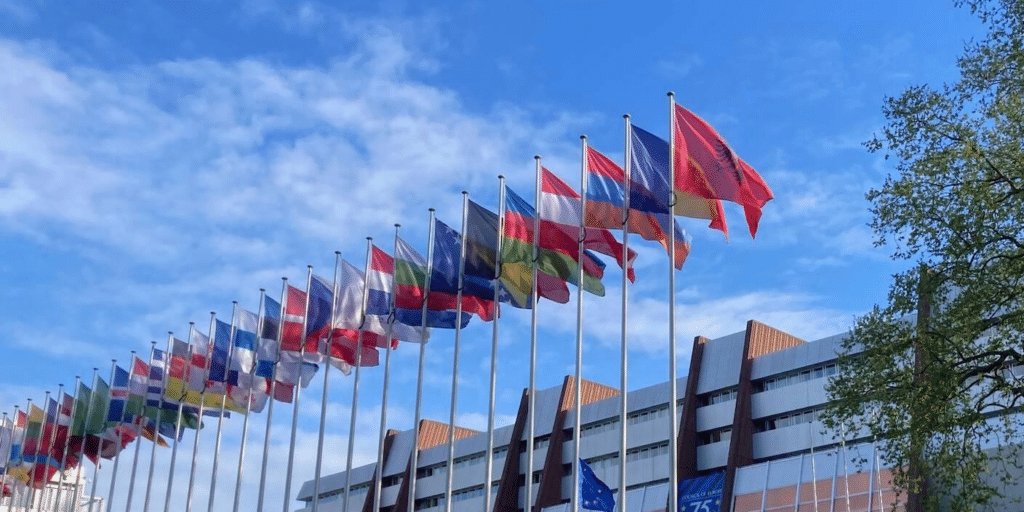
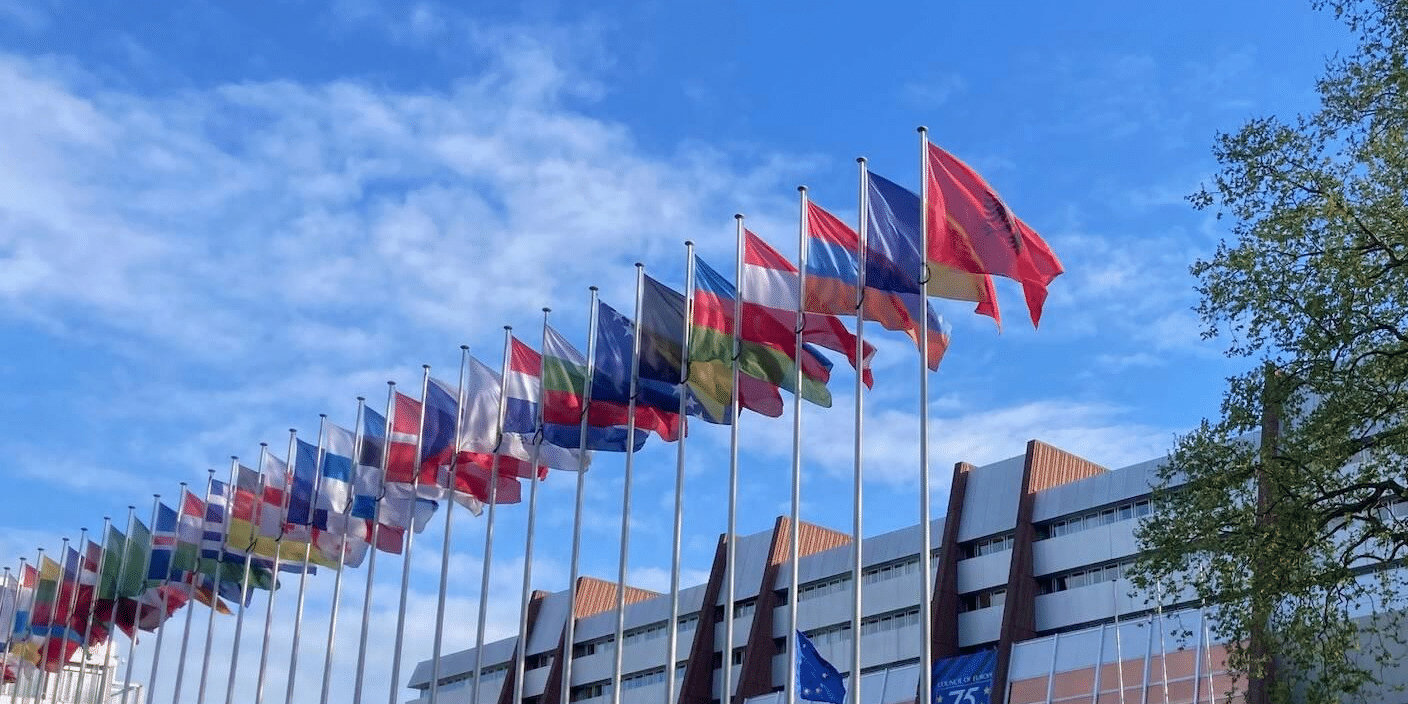
The 1959 Council of Europe convention requires participating states to assist in criminal cases, including gathering evidence, transmitting records, serving judicial documents, and executing certain search and seizure requests.
The Council of Europe’s Committee of Ministers invited Kazakhstan to join on June 18, 2025. Kazakh prosecutors have said accession would provide a common legal channel with European states where no bilateral agreement exists. Deputy Prosecutor General Galymzhan Koigeldiyev told lawmakers that Kazakhstan had been pursuing accession since 2001.
Kazakhstan’s Kurultai approved the ratification law on September 23. Search and seizure requests can be carried out only when the conduct is an offense in both countries and is punishable under Kazakh law. The Supreme Court will handle requests concerning cases already before the courts, while the Prosecutor General’s Office will handle other requests.
Under Council of Europe rules for non-member states, Kazakhstan must deposit its instrument of accession with the Council of Europe Secretary General. Accession then takes effect 90 days later.
The effort to recover wealth from abroad predates Tokayev’s current campaign by many years. The clearest example is former BTA Bank chairman Mukhtar Ablyazov. After BTA was nationalized in 2009, the bank pursued him through the English courts in a sprawling series of asset recovery cases. The UK Supreme Court later recorded default judgments totaling about $4.6 billion amid allegations that Ablyazov concealed assets through a network of companies. In one of the English proceedings, Lord Justice Maurice Kay said: “It is difficult to imagine a party to commercial litigation who has acted with more cynicism, opportunism and deviousness towards court orders than Mr Ablyazov.” Ablyazov has denied the allegations and has long maintained that the cases against him are politically motivated.
The litigation has spread across jurisdictions and family networks. BTA later pursued Ablyazov’s son-in-law, Ilyas Khrapunov, alleging he helped dissipate and conceal assets despite worldwide freezing orders. Khrapunov is the son of former Almaty mayor Viktor Khrapunov, who has also faced claims over allegedly misappropriated city property. The Times of Central Asia previously detailed how funds linked to the cases moved through shell companies and foreign property deals. Viktor Khrapunov has also rejected the accusations as politically motivated.
Those disputes continued in the United States. In 2024, a New York jury awarded BTA Bank and the city of Almaty more than $32 million in litigation over money and property linked to the wider case. The need to pursue separate cases in Britain, Switzerland, the U.S., and elsewhere highlights a recurring problem: a Kazakh investigation or judgment does not automatically provide access to evidence or assets held overseas.
Following the unrest of January 2022, Tokayev made asset recovery a more formal part of state policy. Kazakhstan adopted its asset recovery law in 2023, giving the Prosecutor General’s Office responsibility for tracing and recovering assets in Kazakhstan and abroad. The law permits voluntary settlements as well as compulsory recovery through Kazakh or foreign court decisions and makes international legal cooperation part of the system.
The campaign has since moved further afield. Kazakhstan has expanded cooperation with foreign prosecutors and asset recovery bodies, including agreements with Moldova and Bulgaria, while also working with Switzerland and Interpol. By March 2026, recovery measures covered more than 1.3 trillion tenge, with 1.076 trillion tenge (about $2.4 billion) returned, according to official figures.
The campaign has returned substantial sums, but it has also faced questions over transparency. The authorities have not published full details of many former asset owners or settlements, and critics have questioned how recovered property is valued, managed, and later sold.
The convention will not give Kazakh prosecutors automatic authority in foreign courts, with requests still governed by the receiving country’s laws and any reservations entered by participating states. Its value lies in creating a standardized route for evidence and judicial cooperation across dozens of jurisdictions. For Kazakhstan, whose biggest asset recovery battles have repeatedly crossed borders, that could remove a major obstacle that has complicated efforts to trace and recover money and property for more than a decade.