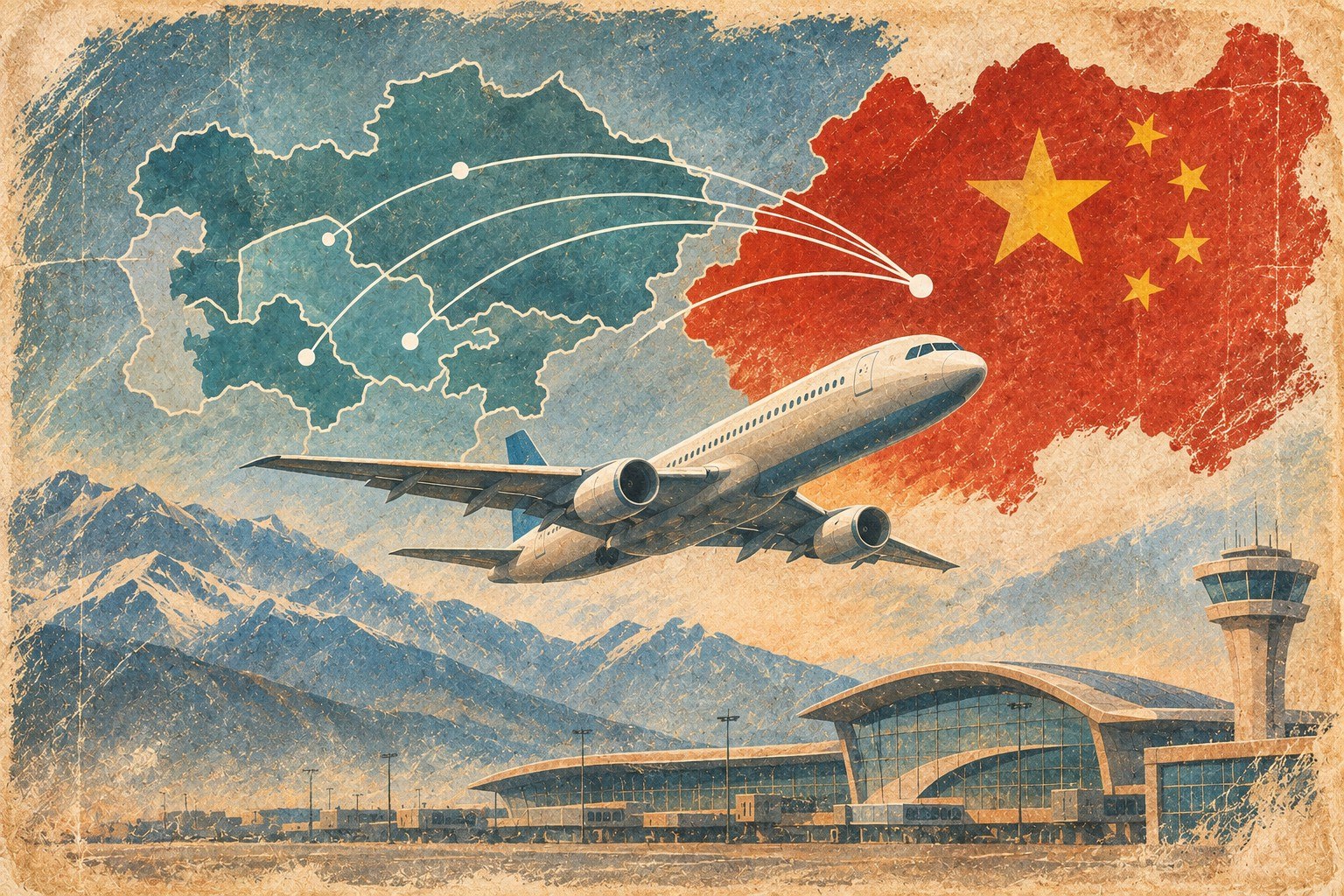
Passenger and cargo links between Central Asia and China are expanding, with 117 scheduled weekly flights now connecting Kazakhstan and China, up 52% from a year earlier. Aviation officials from China and the five Central Asian countries are meeting in Tashkent on November 3–5 to discuss opening the market further.
Trade between China and Central Asia reached $106.3 billion in 2025, up 12% from the previous year. The expansion of aviation has coincided with rising tourism and the gradual easing of restrictions on airlines across the region. Kazakhstan introduced an “open skies” policy at major airports in 2019, relaxing limits on foreign carriers, while Uzbekistan has also eased access to its market.
A Decade of Aviation Growth
According to a Eurasian Development Bank (EDB) study published on October 13, Central Asian airlines carried 31.7 million passengers in 2025, almost twice as many as in 2019. Between 2015 and 2025, the number of airline seats available in the region grew by an average of 7.7% annually, nearly three times the global rate.
Low-cost airlines accounted for 21% of the region’s available seats in 2025, with Kazakhstan’s FlyArystan the largest operator in this segment.
Air cargo carried by the region’s airlines more than quadrupled between 2023 and 2025, reaching 335,700 metric tons. Uzbek operators accounted for approximately 67% of the total.
Kazakhstan Leads the Passenger Market
Kazakhstan accounted for 48.7% of Central Asia’s airline passenger traffic in 2025, the largest share in the region, according to the EDB. By late October 2026, airlines were operating 21 routes between Kazakhstan and China and had carried more than one million passengers between the two countries since the beginning of the year, according to Kazakhstan’s Ministry of Transport.
In July, the two countries’ aviation authorities agreed to increase the permitted number of weekly flights from 124 to 152. The list of approved destinations in China expanded to 11 cities, including Chongqing. The negotiations also addressed the possibility of opening a third air corridor across their shared border to accommodate additional flights.
New routes launched this year include FlyArystan’s services from Almaty to Xi’an in June and Chongqing in September. Air Astana also began flying between Astana and Guangzhou in June.
On October 30, Air Astana and China Southern Airlines signed a strategic partnership agreement intended to make connecting flights between their networks easier. It builds on their existing codeshare arrangements, which allow the airlines to sell tickets on one another’s flights.
Uzbekistan Expands Passenger and Cargo Flights
Uzbekistan has Central Asia’s second-largest passenger aviation market. Its airports handled 12.66 million passengers in the first nine months of 2026, up 13% year over year, according to Uzbekistan Airports.
Uzbekistan’s Ministry of Transport reported in August 2025 that 61 passenger flights and more than 120 cargo and transit flights were operating weekly between Uzbekistan and China. The expansion followed agreements that increased the number of airlines permitted to operate between the two countries and gave carriers greater rights to transport freight through third countries.
China Eastern Airlines launched a Shanghai–Tashkent service in March 2026, initially operating four round trips a week. Loong Air also operates routes connecting Xi’an with Tashkent and Samarkand, and Chengdu with Tashkent.
More than 278,900 Chinese citizens visited Uzbekistan in 2025, while 223,500 arrived in the first six months of 2026, according to the country’s Tourism Committee.
New Routes Reach Smaller Markets
Kyrgyzstan, Tajikistan, and Turkmenistan have smaller aviation markets, but direct connections with China are also expanding. China Southern Airlines launched flights between Guangzhou and Bishkek in March 2026. During the summer season, the airline operated four routes linking China with Kyrgyzstan, including services between Urumqi and Osh, with 11 weekly round trips in total.
In June 2025, China Southern Airlines launched scheduled nonstop flights between Dushanbe and Beijing, initially operating twice a week.
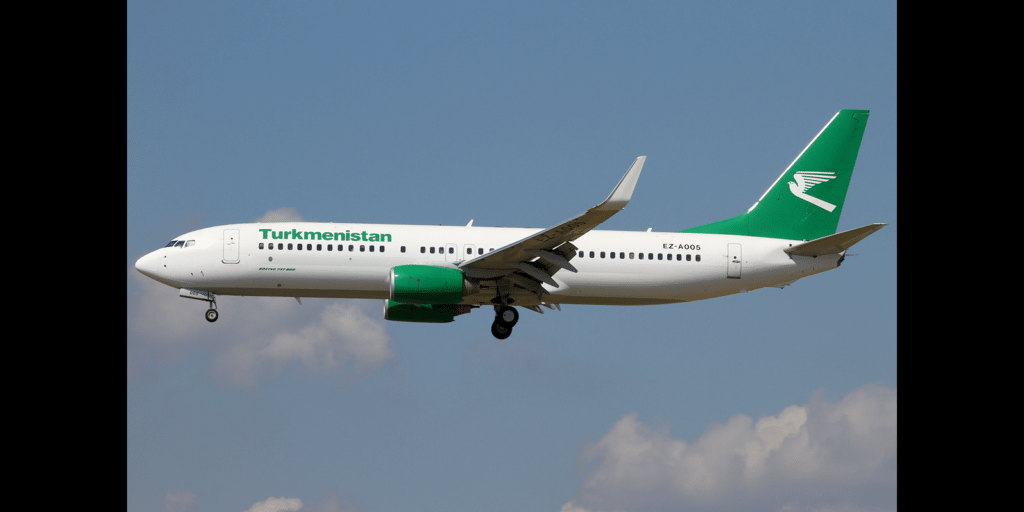
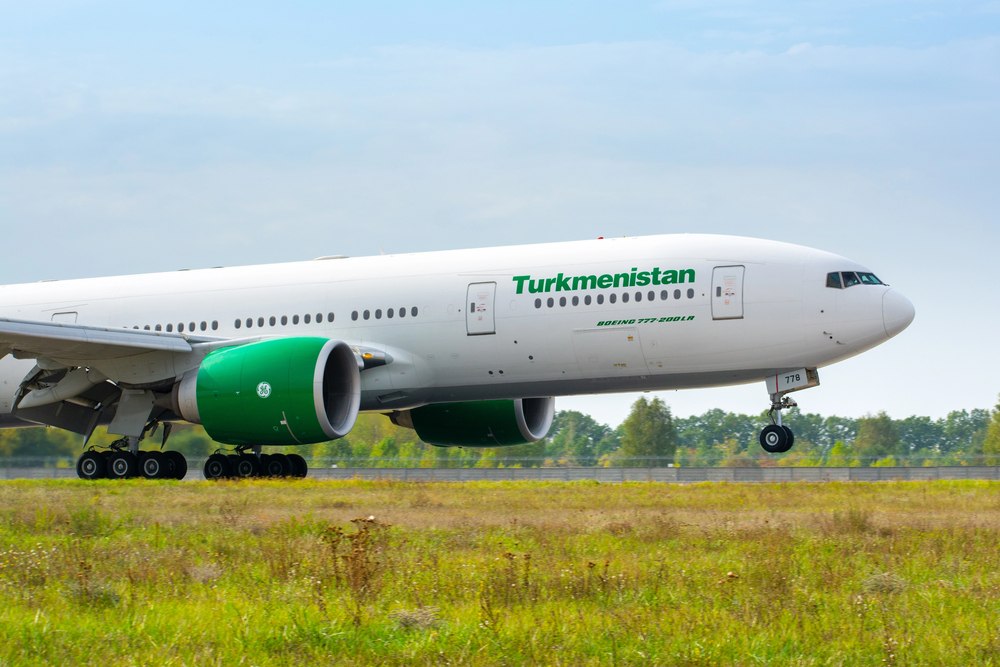
Turkmenistan Airlines operates two weekly flights between Ashgabat and Beijing, according to its latest timetable. China Southern Airlines provides a further connection between Ashgabat and Urumqi.
Challenges to Further Growth
Delays in aircraft and engine deliveries are increasing airlines’ maintenance and leasing costs worldwide. At the annual general meeting of the International Air Transport Association (IATA) in June 2026, Director General Willie Walsh said the backlog of unfilled aircraft orders had exceeded 18,000, while the average age of the global airline fleet had reached 15.2 years. With fuel prices adding further pressure, IATA forecast a net profit margin of just 2% for the global airline industry in 2026.
In Central Asia, airport modernization has not kept pace with traffic growth, according to the EDB. The region has 12 major airport development projects underway or planned through 2035, worth a combined $5.1 billion.
The bank also argues that bilateral aviation agreements continue to restrict airline access to some markets, limiting opportunities for new routes. Easing these restrictions is on the agenda at the Tashkent conference, which continues through November 5.