Central Asian leaders and Jordan’s King Abdullah II met on November 6 to discuss how terrorist groups could use artificial intelligence to recruit members, coordinate their activities, and spread propaganda. At the Aqaba Process summit, Uzbek President Shavkat Mirziyoyev offered to host a Central Asian office of the United Nations Office of Counter-Terrorism. The proposed office would help Central Asian countries set up channels for reporting terrorist content and detect terrorist financing, according to the Uzbek presidential press service.
Co-hosted by Kazakh President Kassym-Jomart Tokayev and Abdullah II, it is the first time Central Asia has hosted the Aqaba Process. Tajik President Emomali Rahmon, Turkmen President Serdar Berdimuhamedov, and representatives of international organizations also attended. Foreign Minister Jeenbek Kulubaev represented Kyrgyzstan, while Parliamentary Speaker Sahiba Gafarova represented Azerbaijan.
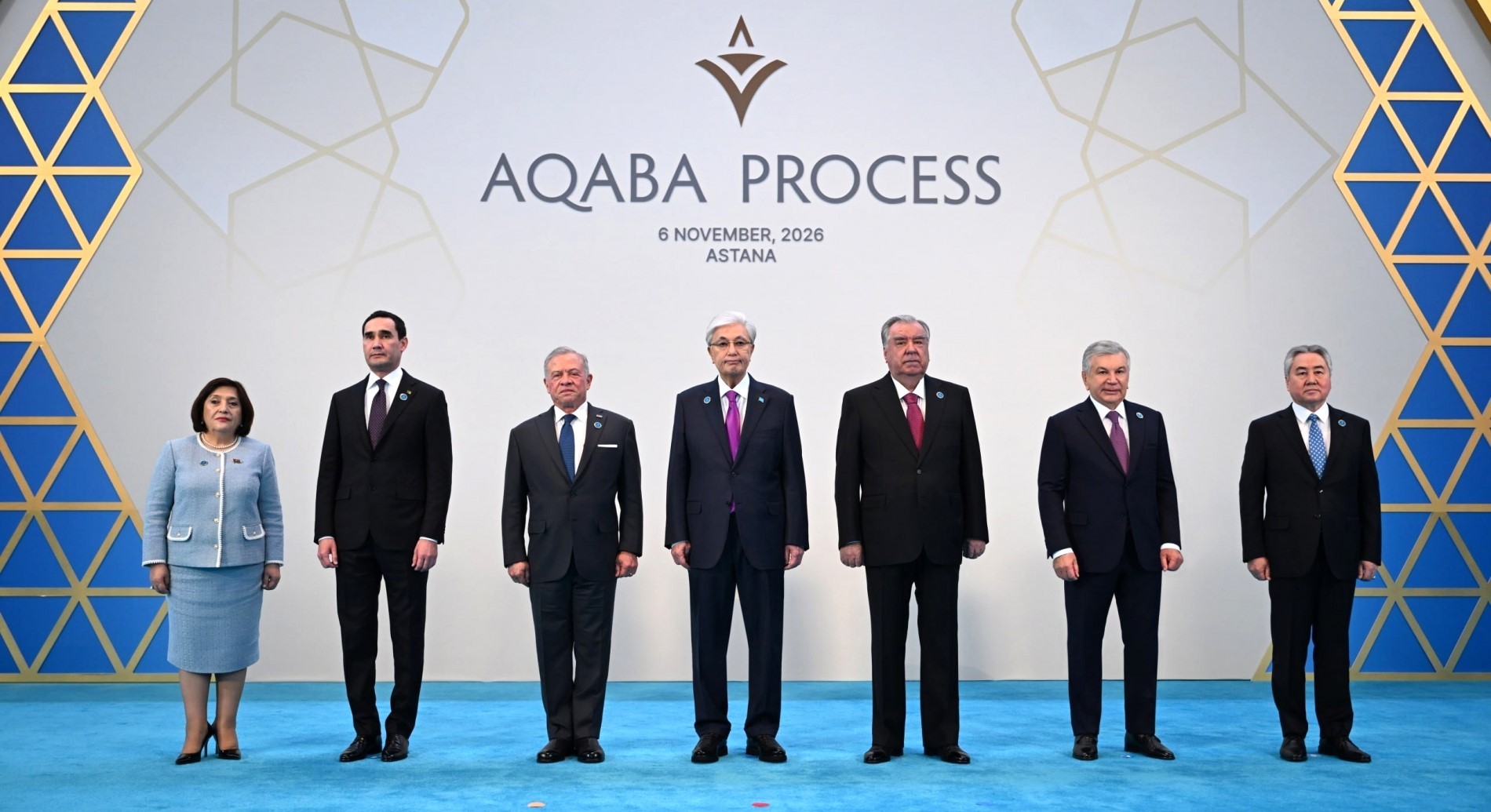
The Aqaba Process summit in Astana on November 6, 2026. Image: Uzbek presidential press service.
From Social Media to Artificial Intelligence
King Abdullah launched the Aqaba Process in 2015, which takes its name from the Red Sea city of Aqaba where the first meetings were held. The initiative was originally designed to coordinate international efforts against terrorism and violent extremism, particularly in the Middle East. Unlike international organizations with permanent membership, it brings participants together to discuss specific threats and does not adopt binding decisions.
Over the past decade, the agenda has changed considerably. As early as 2019, a meeting in the United States addressed the use of the internet and social media by terrorist organizations. Representatives of technology companies were brought into the discussions, as countering extremist propaganda increasingly required cooperation with digital platform operators.
In February 2026, Aqaba Process participants met at the Royal Military Academy Sandhurst in the UK to discuss security threats posed by drones and how to regulate their use. Government representatives, experts, and technology companies took part in the discussions.
In June, a meeting in New York focused in part on extremist recruitment through online games. Representatives of international organizations, the gaming industry, and civil society joined the discussions. In Astana, participants turned their attention to generative artificial intelligence.
Modern AI models can produce text, images, and videos in minutes, translate messages into different languages, and imitate real people’s voices. For terrorist organizations, such tools could make it easier to produce propaganda and reach audiences beyond traditional linguistic and geographic boundaries.
Fabricated videos and audio recordings presented as statements by politicians, religious leaders, or security officials pose a particular danger. AI can also automate conversations and tailor messages to individual interests, making recruitment attempts on social media and messaging platforms more difficult to detect.
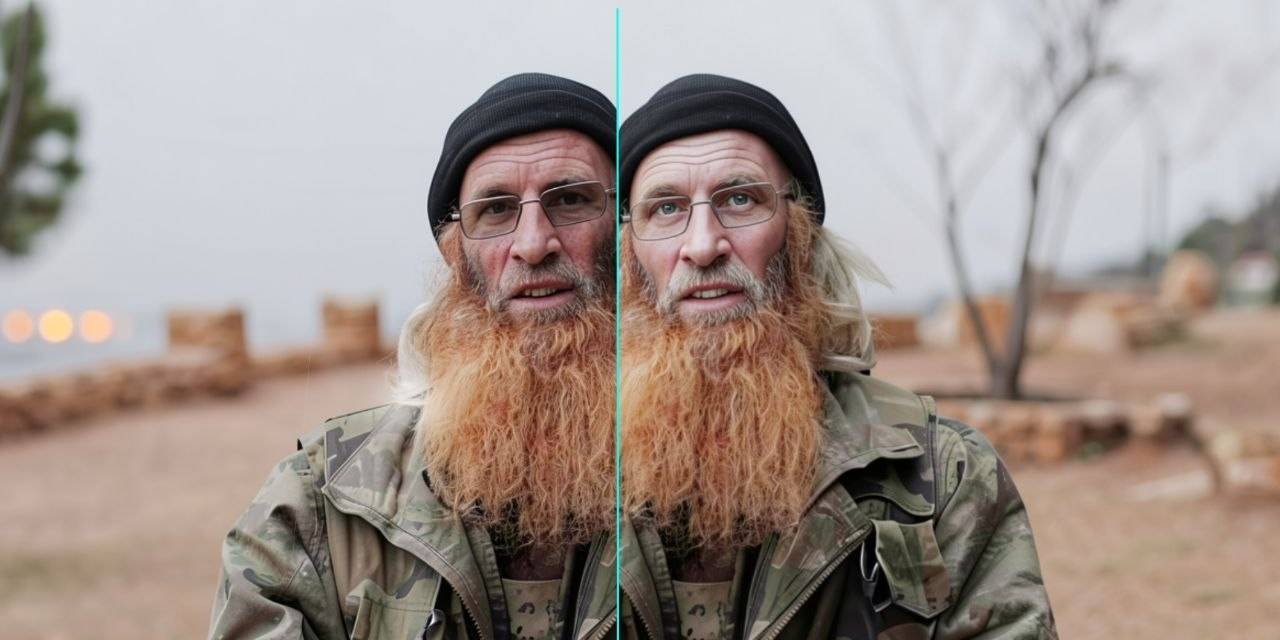
In May 2024, three Spanish tourists were among those killed in an attack in Afghanistan’s Bamyan province. Days later, a group calling itself Khurasan TV circulated a video featuring an AI-generated newsreader in a simulated newsroom. A synthetic voice read out Islamic State Khorasan Province’s claim of responsibility in Pashto. Researchers at Afghan Witness traced at least eight such videos to Khurasan TV, which they said appeared to operate independently of the militant group’s official media outlets.
Central Asia and Emerging Digital Threats
For Central Asia, the issue is linked to cross-border threats, including those originating in Afghanistan. Countries in the region have long cooperated in countering extremism, but advances in digital technology complicate the work of intelligence and security services. Propaganda materials can spread across several countries simultaneously, while fabricated recordings can be used to manipulate public opinion.
Kazakhstan is developing its own artificial intelligence projects and expanding international technological cooperation. Hosting the summit in Astana provides an opportunity to discuss digital security with Middle Eastern countries and representatives of international organizations.
The Times of Central Asia previously reported on a proposal to establish a common digital space in Central Asia, including efforts to align national approaches to the regulation of artificial intelligence.
Ahead of the meeting, Tokayev held talks with Abdullah II, where they discussed trade, investment, technology, tourism, and defense cooperation. Uzbek President Mirziyoyev arrived in Astana on November 5 for a working visit at the invitation of Tokayev and Abdullah II. Uzbekistan is Central Asia’s most populous country, and is developing electronic government services, its IT industry, and artificial intelligence projects.
Three days before the summit, a new law took effect in Uzbekistan, replacing the term “religious extremism” with “extremism.” It requires the Justice Ministry to publish an online register of organizations and materials designated as extremist.
The visit comes amid reports of a possible large-scale personal data breach in Uzbekistan. In early November, The Times of Central Asia reported that a hacker group called Butterfly claimed to have accessed a database containing information on 27 million citizens. The group later withdrew its claim, saying it had tested the system for vulnerabilities. The authorities did not confirm the alleged scale of the breach. Digital Technologies Minister Sherzod Shermatov, whose personal information was leaked in the breach, warned that advances in AI are making it easier to identify weaknesses in information systems and called for stronger protections.
Another aspect of Mirziyoyev’s visit concerns relations between Uzbekistan and Jordan. In August 2025, Abdullah II visited Tashkent and Samarkand, where the two countries signed 15 documents, including agreements on investment protection and trade development. Bilateral trade reached $12 million in 2025, a 2.5-fold increase over the previous year, with direct flights between Tashkent and Amman beginning in July 2026. Areas of bilateral cooperation include pharmaceuticals, textiles, agriculture, transportation, and tourism.
At the summit, Mirziyoyev also proposed an international program at the Center for Islamic Civilization in Tashkent. Called “Enlightenment Against Ignorance in the Digital Age,” it would develop multilingual resources and train religious leaders to communicate through digital media. It would also support young researchers whose work promotes Islam’s humanistic values.