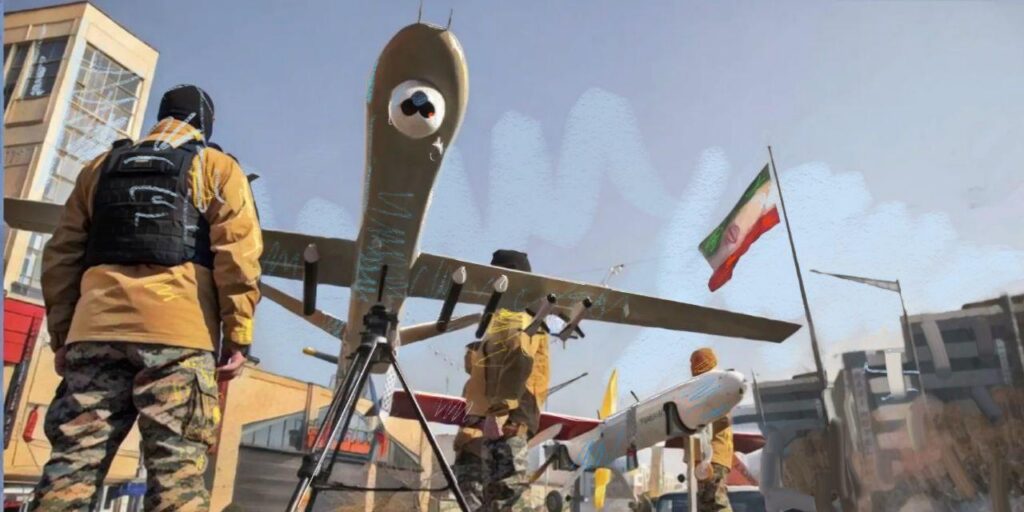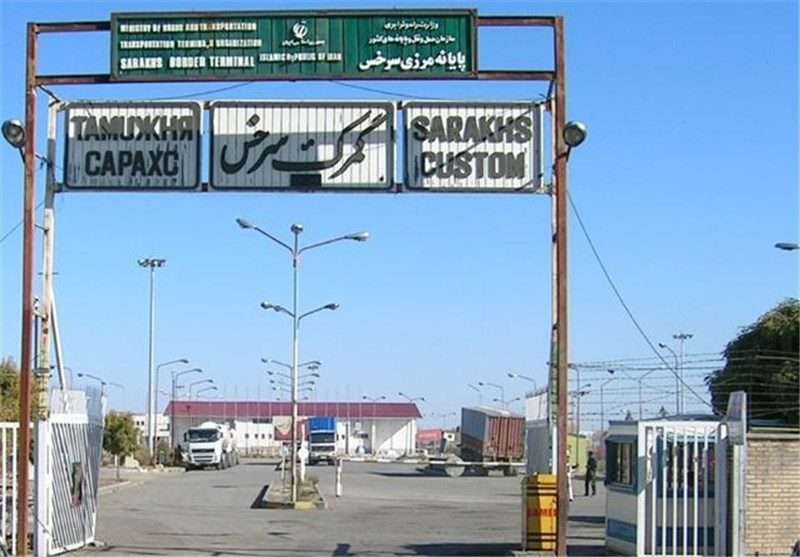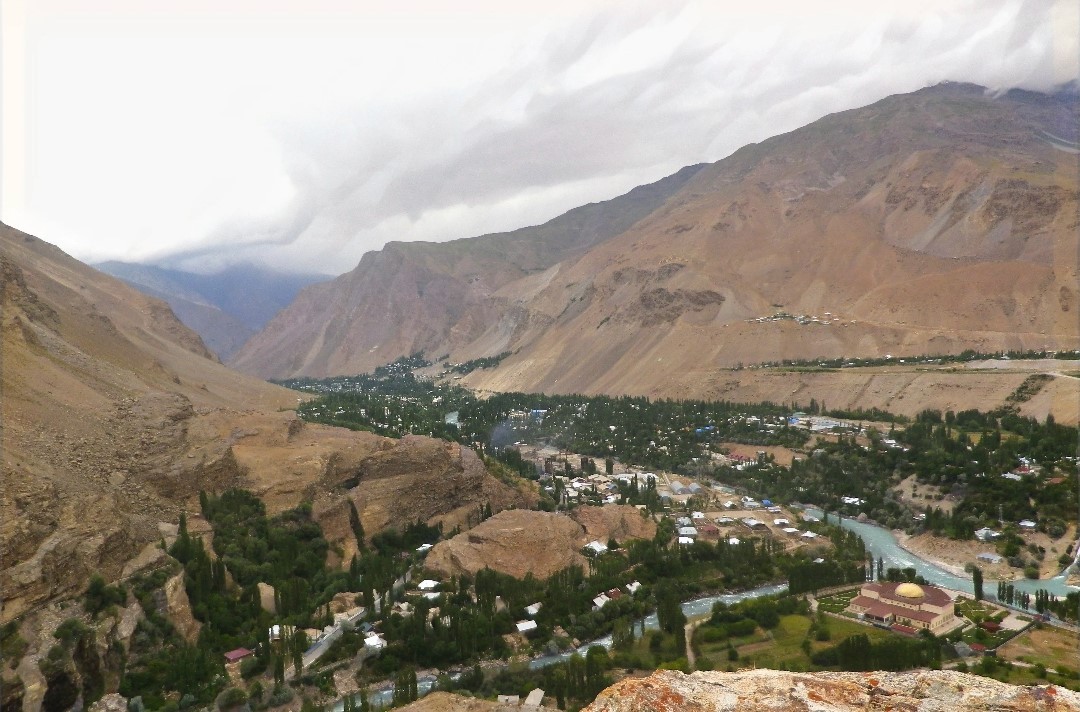
Until a few weeks ago, looking south from Central Asia, observers of the region saw nothing but opportunities for connectivity. Admittedly, Iran on one side and the area between Afghanistan and Pakistan on the other have never been known for their stability. However, the current situation sees two serious conflicts on the southern border of Central Asia, which risk representing an arc of instability that will be difficult to overcome.
While the global energy implications of the ongoing war in the Middle East, which began following the joint attack by the United States and Israel on Iran, are likely to be felt for months to come, the greatest risk for the Central Asian region is related to connectivity. This could also compromise significant efforts made in this regard by regional governments. Consider, for example, the recent trip to Pakistan by Kazakh President Kassym-Jomart Tokayev, which focused on the possibility of building a railway from Pakistani ports to Kazakh territory via Afghanistan and Turkmenistan.
For much of the past decade, Central Asian governments have invested heavily in opening southern trade routes to global markets. Railways through Afghanistan, port access through Iran, and new logistics corridors to Pakistan were meant to reduce dependence on northern routes and expand the region’s economic options. The sudden emergence of conflicts along the southern frontier now raises questions about how secure those connections will be.
The Times of Central Asia spoke with Peter Frankopan, author and Professor of Global History at Oxford University, about the potential implications of the two wars on Central Asia’s southern border. According to him, the main risk is not related to connectivity, but to contagion: “The key issue is about the safety of civilians and the protection of infrastructure in Central Asia,” he told TCA. “In times like these, nothing can be ruled out. With Iran lashing out at neighbors and realizing that attacks on oil, gas and more give it leverage, it is not hard to see what might come next. Second, of course, are threats to national economies. Wars create winners and losers. One can see a boom for some people in Central Asian states, but plenty of pressures, especially on inflation.”
Indeed, the economic repercussions of the Middle East conflict are already being felt in the region, particularly in Turkmenistan, which maintains some of the closest trade ties with Iran and shares a long border with the country.
Frankopan does not see any particular differences in terms of the danger to Central Asia posed by what is happening in Iran and between Pakistan and Afghanistan: “Clearly, instability in Afghanistan is an immediate concern, but it is not related to Iran and will have its own velocity and rhythms. But the risks of expanding violence and terrorism, of refugees, of narcotics and other illicit trafficking are real – and may well get worse.”
Regarding connectivity, one of the topics that Central Asian governments pay the most attention to, according to Frankopan, the current situation should not be considered an insurmountable obstacle: “This is simply testimony to turbulence as competing ideas of the present and future jostle and take shape. A few weeks ago, everyone was talking about middle corridors and a new golden era of exchange; now they are talking about breakdowns and dislocation. Both of those cannot be right – or wrong. People, states, and businesses cooperate when they want or need to, and when it suits all sides. Like all relationships, it works as long as it works, but it can all suddenly stop. The question now is who wants to collaborate and work together, why, and about what.”
Another aspect that could potentially jeopardize the difficult balancing act of the Central Asian republics, particularly Kazakhstan, should not be overlooked: increasingly narrow political margins. Consider, on the one hand, the fact that Uzbekistan has recently collaborated with India and Iran on a project such as the International North–South Transport Corridor, which has – or perhaps it would be more accurate to say “had” – a very important hub in the port of Chabahar, a collaboration that the current close relationship between the U.S. administration led by Donald Trump could make very costly to maintain.
On the other hand, the increasingly close relations between Kazakhstan and Israel could prove difficult to maintain in light of the increasingly assertive regional policies of Prime Minister Benjamin Netanyahu. Regarding this dimension, and with particular reference to Kazakhstan, Frankopan adopts a longer-term perspective, stepping back from the constant flow of news coming from the frontline. “Tokayev is a shrewd operator, and one who evaluates risk carefully. I don’t know how he is assessing the current situation, but I would pay close attention to it and think his analysis would be worth listening to. Kazakhstan has to balance multiple competing interests and pressures. Some of us think that experience helps in these circumstances; if you take a historian’s view, those run deep. So, balance and risk management are everything.”
In recent years, Central Asia has demonstrated great resilience and the ability to adapt quickly to an ever-changing international landscape. Although the situation on its southern border is becoming increasingly alarming, it remains possible that the pragmatism of regional leaders in international relations will once again prevail.