When the basketball begins in Astana on July 29, two players from each team will sit at screens and chase 19 digital points. After that stage, they will take the score onto a real 2-on-2 court. The physical game continues until one side reaches 39, meaning a lead earned with a controller can disappear beneath the rim.
That switch gives the Games of the Future its human appeal. The format asks athletes to handle screen timing, then contact and fatigue on the court. It also creates an unfamiliar training problem. A gifted basketball player can fall behind before reaching the court, while a strong gamer still has to run, defend, and rebound.
Before June’s Astana qualifier, Uzbek under-23 basketball player Tolegen Ismatov explained what first drew him to the faster 3×3 game. “I was immediately drawn to the speed, the emotions, and the responsibility for every moment on the court,” he said.
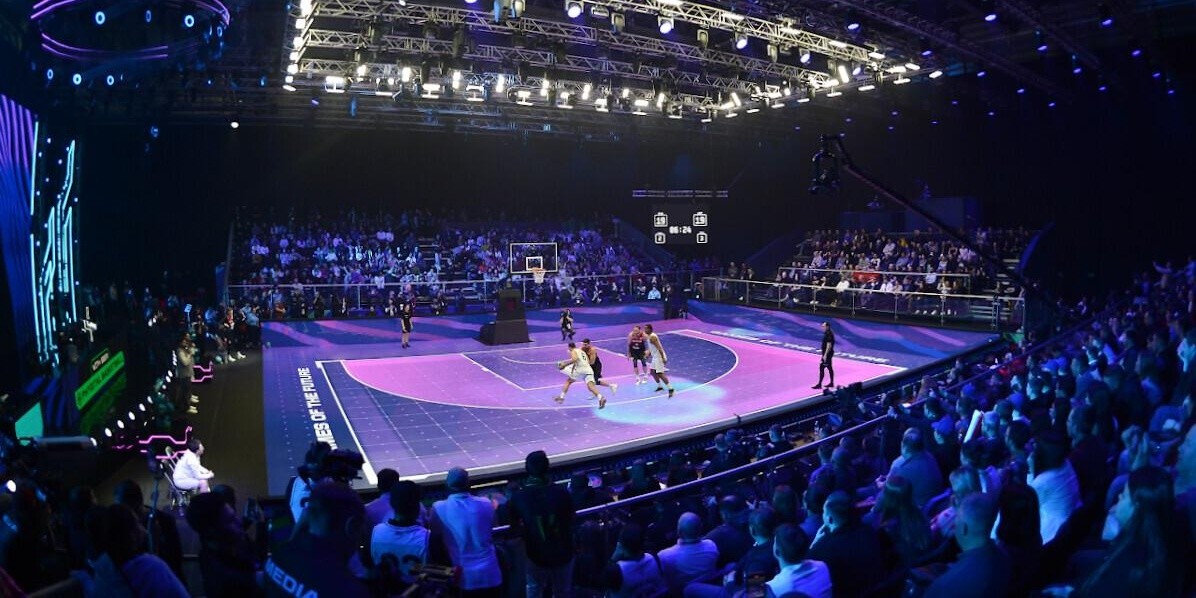
The main Games will run from July 29 to August 9. More than 800 competitors from over 50 nationalities are due to contest eight disciplines for a prize pool which stands above $4 million. The events will use four Astana venues, including the Barys Arena and the Qazaqstan Athletics Sports Complex.
For local spectators, the event is priced more like a day out than a global championship. Standard tickets start at 4,000 tenge (about $8.50), while phygital fighting starts at 7,500 tenge. Admission to the dance competition at the 12,000-seat Barys Arena is free.
The Score Carries Onto the Court
Basketball opens the program on July 29. Four players make up each team, with two competing at a time. The digital stage ends when one side reaches 19 points. Play then moves to the court, where the first team to reach a combined score of 39 wins. A tie leads to a free-throw shootout.
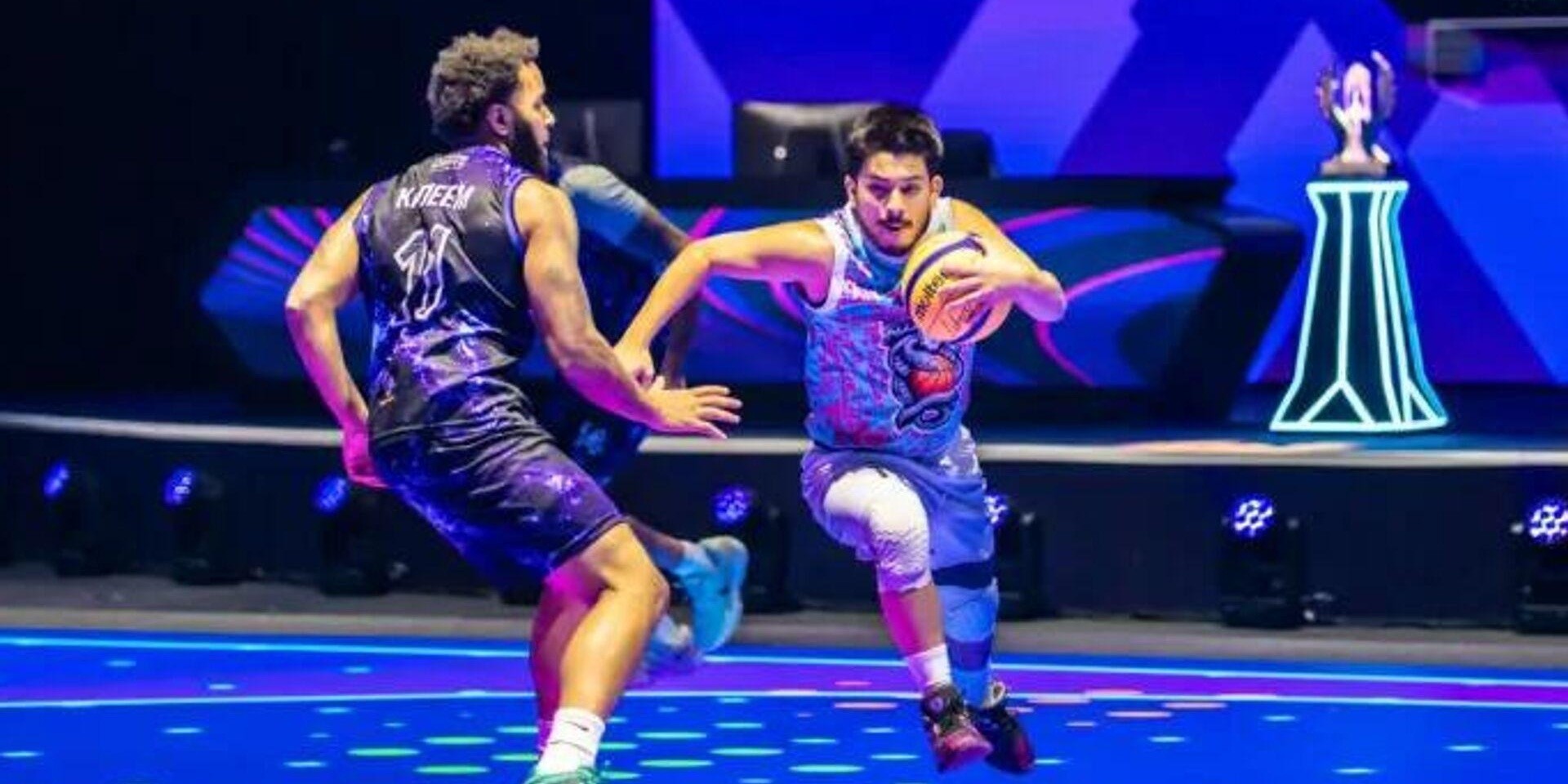
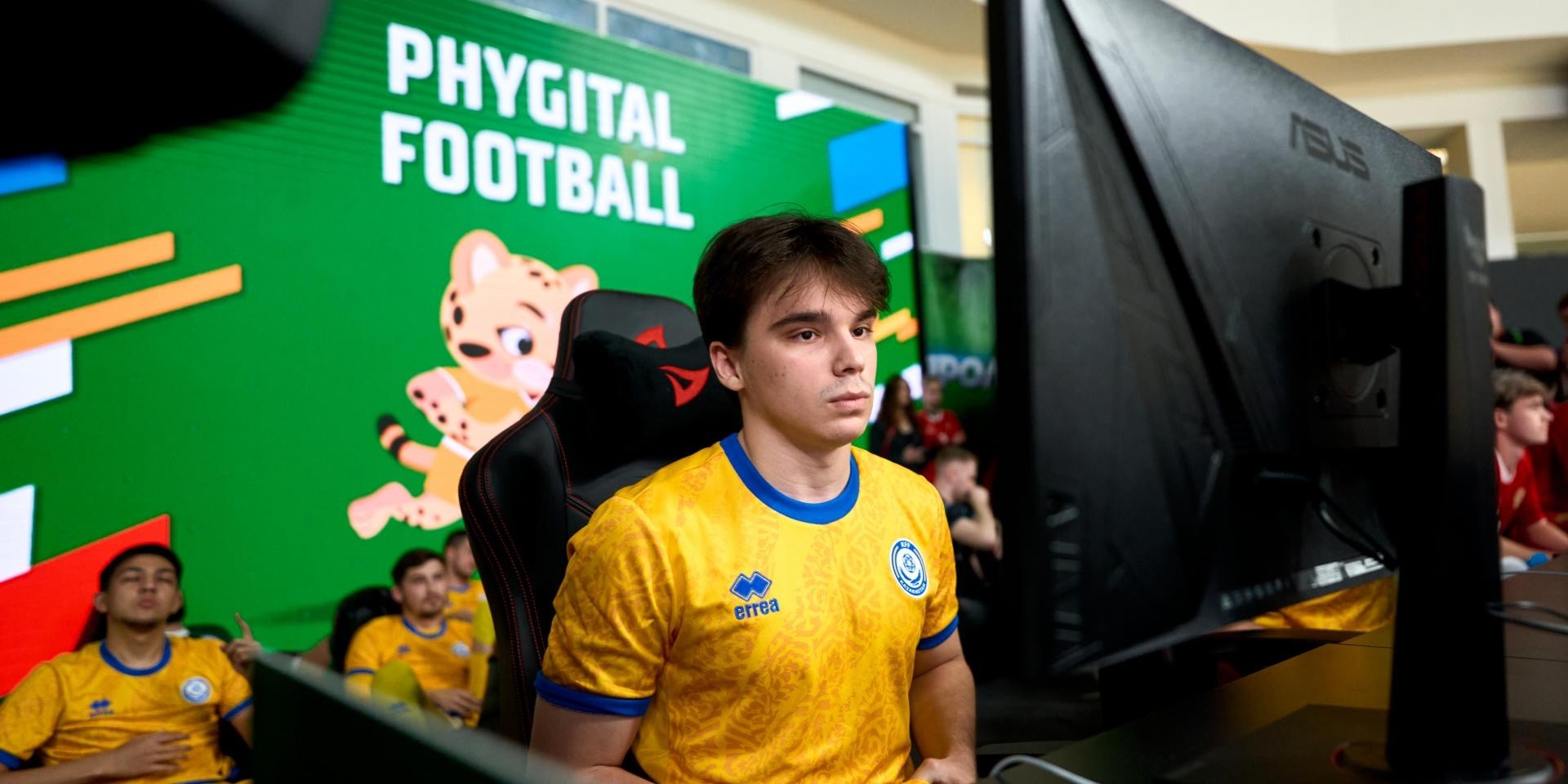
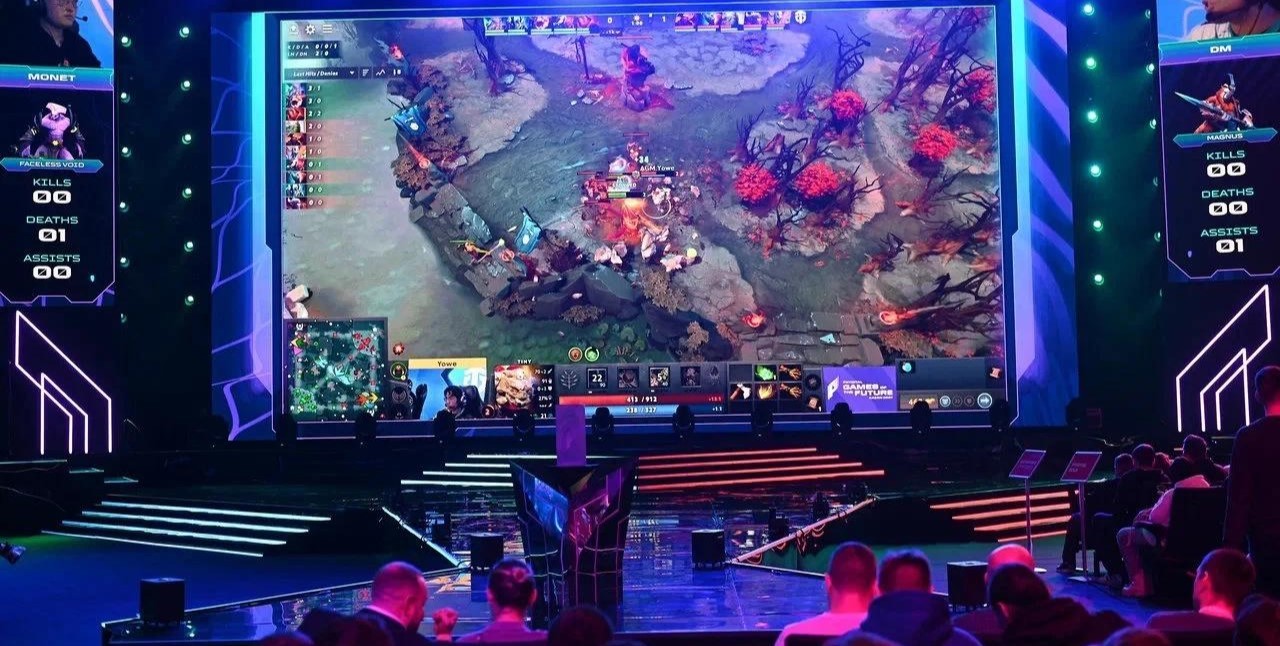
Football follows the same basic logic. Teams play two short halves in the UFL video game, then move to a five-a-side pitch. In the shooter event, clubs begin with Counter-Strike 2, then move into laser tag, where players must communicate while running through a physical space.
The field mixes famous club badges with esports names. Boca Juniors and Valencia Basket are in the basketball draw. Peñarol and Los Troncos FC will meet in football. Dota 2 and PUBG each carry a $1 million prize pool, the largest shares of the total.
Kazakh teams also appear throughout the draw, giving home crowds someone to follow in several arenas. GTB KZ opens its basketball campaign against qualifier champion Zagrebacki malisani NITUI. Team KZ begins the shooter competition against Mirage Team. Astana’s PBC Astana is also in the basketball field, while ACF x Allur represents the host country in football.
Uzbekistan has a visible place in the regional cast. Dancer Sogdiana Abdukhalikova opens against Lala Gevorgyan on August 6. Her performance will be measured by automated scoring for timing and movement accuracy, rather than a panel holding up cards.
A Smaller Event Than First Promised
The Astana Games have changed sharply since Kazakhstan announced the original plan in July 2025. That version offered a $10 million prize fund, 16 disciplines, and places for more than 1,500 athletes from 100 countries.
Organizers published a revised program in March 2026. The prize pool fell to more than $4 million, the schedule moved, and the number of disciplines was cut to eight. That announcement gave no reason for the cuts. By June, organizers had lowered expected participation again, from more than 900 to more than 800.
The new scale remains large enough to fill several arenas, but the change is substantial, placing more emphasis on established esports competitions. Dota 2, Mobile Legends, and PUBG have no physical stage, unlike the hybrid disciplines that give the Games their distinctive identity.
A Russian Beginning
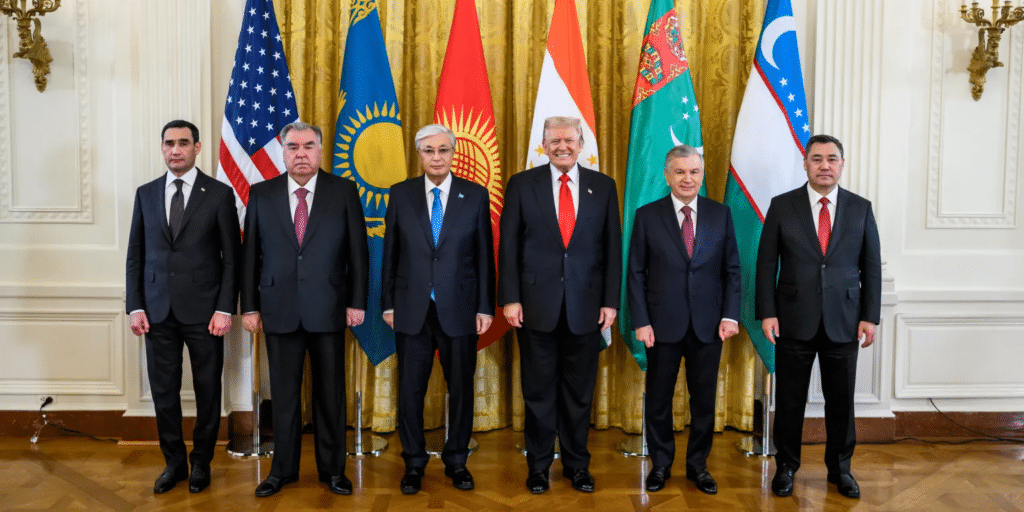
The competition carries political baggage that predates any athlete picking up a controller in Astana. Russia created the Games of the Future and staged the first edition in Kazan from February 21 to March 3, 2024. President Vladimir Putin opened the event beside the leaders of Belarus and four Central Asian states: Kazakhstan, Kyrgyzstan, Tajikistan, and Uzbekistan. The Kazan event gave Moscow a crowded international stage, and the opening ceremony provided time for meetings with visiting leaders.
Russia was then barred from competing as a national team at the Paris Olympics because of its full-scale invasion of Ukraine, with only a small number of Russian athletes cleared to compete as neutral individuals.
Astana is inheriting a Russian-created format that has begun building a wider international structure. Kazakhstan secured the 2026 hosting rights in October 2024, beating bids from Peru and Chile. The second edition was held in Abu Dhabi in December 2025.
Kazakhstan has also put its own money and institutions into the event. The event is powered by Samruk-Kazyna, the national fund, while the sponsor list is dominated by Kazakh banks and mining companies, as well as telecoms and Air Astana. Local organizers have promoted the Games as part of a broader push into esports and digital culture. Kazinform reported in 2025 that more than 1.5 million people in Kazakhstan actively participated in esports.
The Astana lineup includes clubs and competitors from Latin America, Western Europe, East Asia, Africa, and Central Asia. For Kazakhstan, the Games offer a chance to turn a Russian-born format into a broader international event.