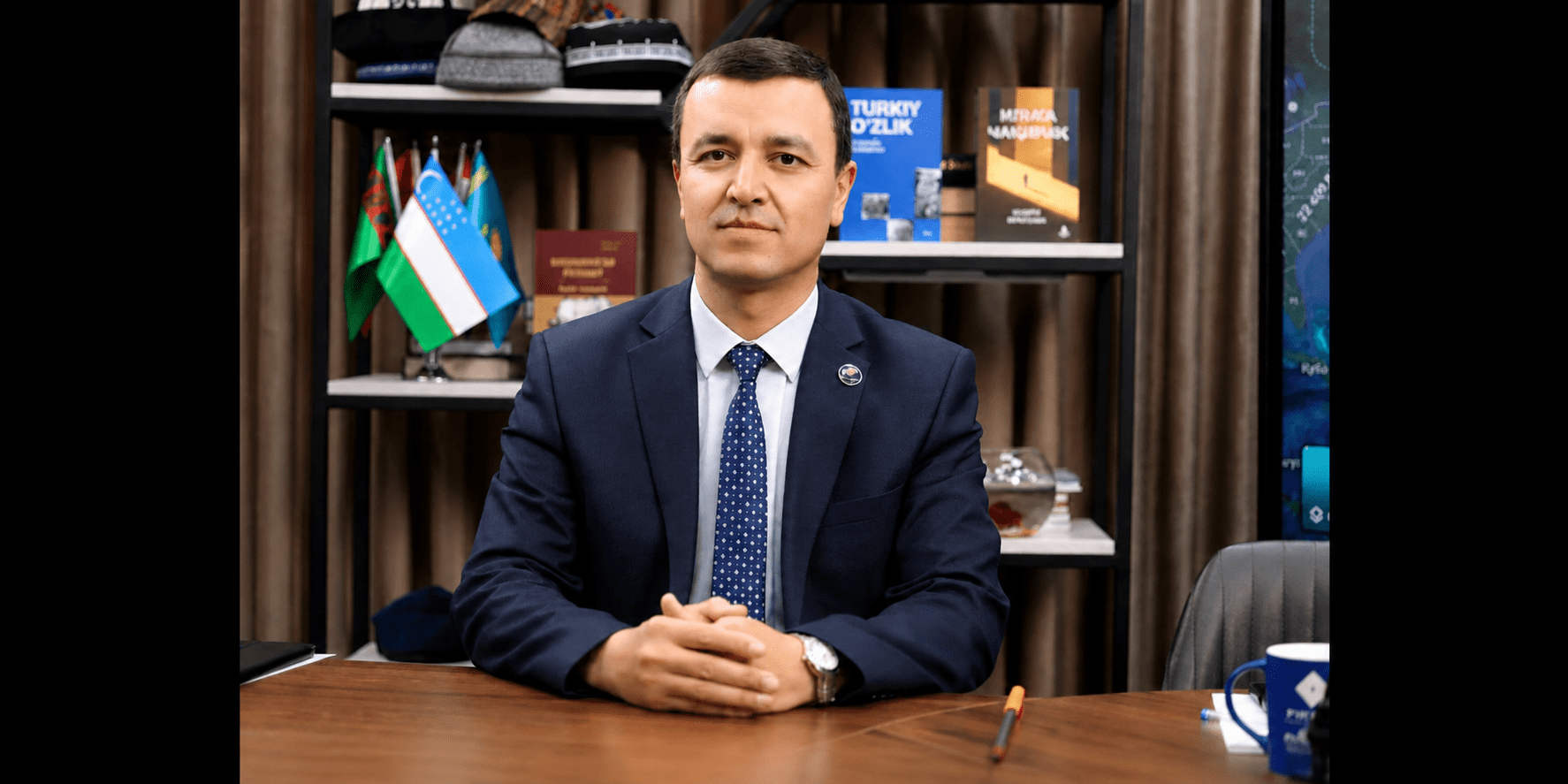
More than four years after Russia launched its full-scale invasion of Ukraine, the conflict continues to alter political and economic relations across the former Soviet space. In an interview with The Times of Central Asia, Uzbek political scientist Mukhtor Nazirov examined Moscow’s evolving regional role, Central Asia’s search for wider external partnerships, and the areas in which Russia remains difficult to replace.
“The war changed Russia,” Nazirov said. “It became more closed, more militarized, and its political logic increasingly became military. Central Asian countries suddenly found themselves dealing with a Russia that was no longer the same as it had been before the war.”
Before 2022, Russia’s relations with Central Asia rested on long-established political, economic, and security ties. Since the invasion, international isolation and wartime pressures have complicated that relationship.
“The war consumed everything,” Nazirov explained. “It influenced not only politics and the economy, but also public thinking, the country’s openness, its ideology, and the overall direction of the state. As Russia changed during the war, its dialogue with Central Asian countries became increasingly difficult.”
“Central Asian states gained a moral justification to look for other options,” he said. “Russia is no longer the Russia it used to be.”
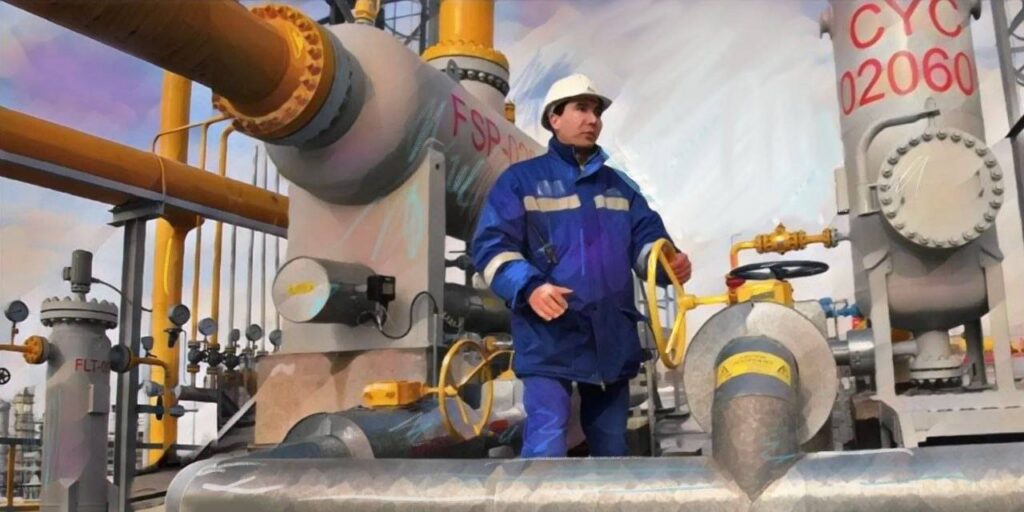
Russia nevertheless remains deeply embedded in the region’s economy. Infrastructure, logistics networks, export routes, and labor migration still bind Central Asian states to the Russian market. Kazakhstan exports most of its oil through Russia’s Novorossiysk port, while trade from Uzbekistan and other countries continues to rely heavily on northern corridors. Millions of Central Asian citizens also work in Russia.
“The economic foundation still exists,” Nazirov told TCA. “Much of Central Asia remains part of an economic structure that was formed during the Soviet period. Infrastructure is shared, and many export routes still pass through Russia.”
However, the durability of Moscow’s influence is under closer scrutiny as other powers expand their regional presence.
“Political closeness alone is not enough,” Nazirov said. “Any partnership eventually comes down to economics. If Russia wants to remain influential, it must have a strong economic foundation. If it cannot provide that, then others will naturally begin filling the gap.”
China and the European Union have expanded their economic engagement as sanctions and wartime demands have constrained Russia. Interest has also grown in the Middle Corridor, or Trans-Caspian International Transport Route, which offers an alternative to routes through Russia.
“The rhetoric surrounding the Middle Corridor became much stronger during the war,” he said. “The project already existed, but the war created momentum.”
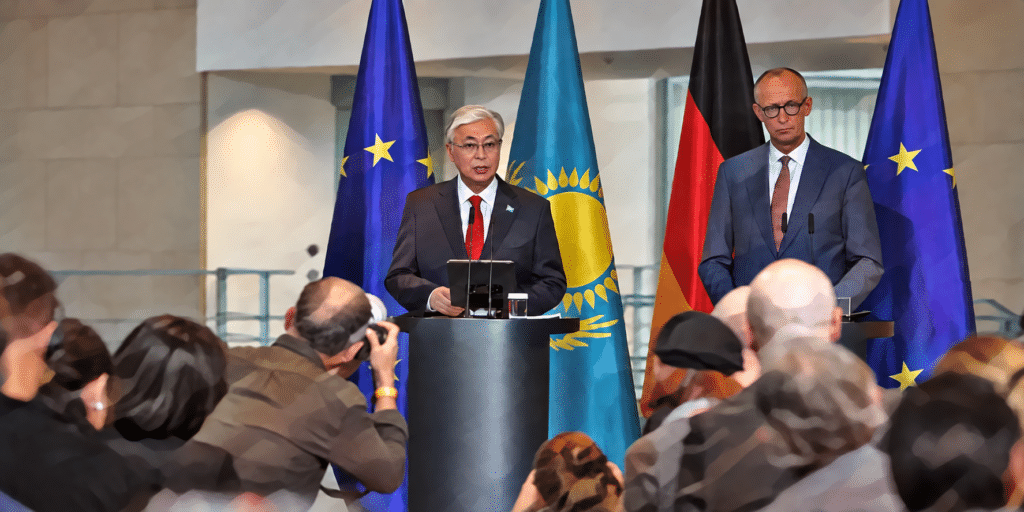
The EU’s Global Gateway initiative and new connectivity financing have given Central Asian governments additional channels for trade, investment, and transport.
“This space is being filled partly by China and partly by the European Union,” he said. “They are proposing alternatives, and naturally Central Asian countries are turning toward those opportunities.”
Russia remains the main destination for Central Asian labor migrants, although governments are pursuing employment opportunities in South Korea, Europe, and the Gulf states.
“I would not say diversification has already taken place,” Nazirov said. “But efforts in that direction are clearly underway.”
Sanctions and concern over secondary exposure have added another consideration for governments and businesses across the region.
“There is now a perception that cooperation with Russia has become more toxic,” Nazirov said. “In some cases, the reputational and economic risks outweigh the benefits.”
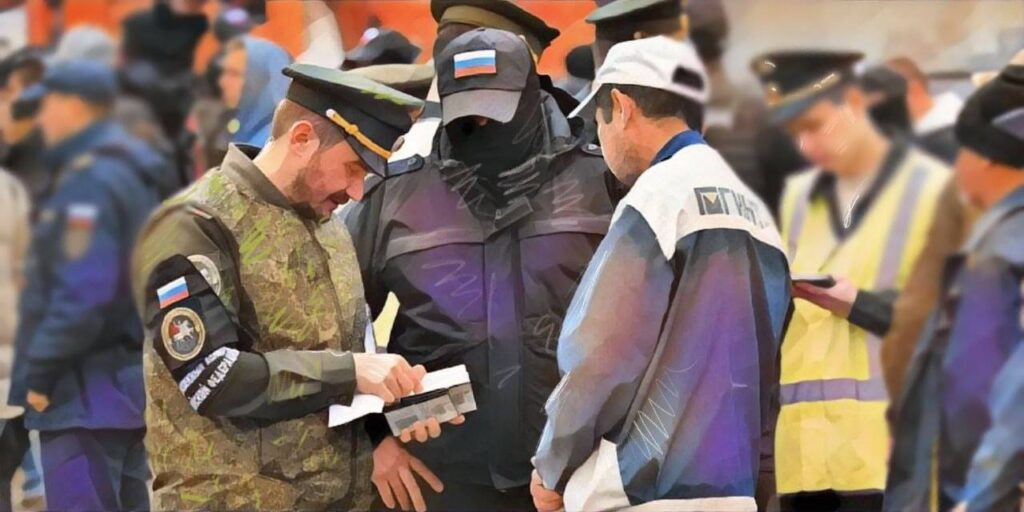
Although they have intensified, discrimination and abuse against Central Asian migrants in Russia predate the invasion. Reports of pressure on detained migrants to sign documents leading to military contracts have raised additional concern.
“They often do not want to go to war,” he said. “Various methods of pressure are used, and many of their relatives do not even know where they have been sent. People now understand what may happen if they are detained. That is one reason why mobilization among migrants has become more difficult.”
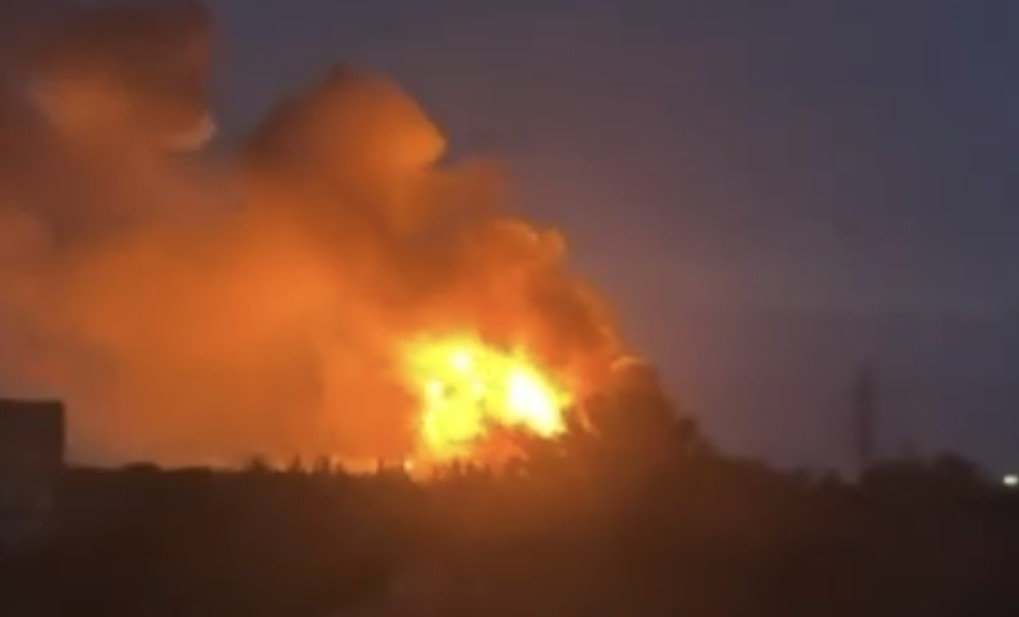
The war has also affected Kazakhstan through its oil export infrastructure. President Kassym-Jomart Tokayev recently suggested freezing the conflict after attacks damaged facilities linked to the Novorossiysk route, through which more than 80% of Kazakh oil reaches world markets.
“The proposal was driven first of all by economic considerations,” Nazirov told TCA. “Kazakhstan’s main export route was affected, and that directly influences the country’s economic interests. Kazakhstan is suffering economic losses because of a conflict that is not its own. That was the main message.”
Tokayev’s remarks also raised questions about whether Astana’s position represented a broader political shift.
“There is no need to create a hero out of Tokayev,” Nazirov said. “Every politician acts according to the interests of their country, their economy, or their own political legitimacy. In this case, economic interests were the decisive factor.”
Uzbekistan has also accelerated work on alternative trade and transport routes, including the China–Kyrgyzstan–Uzbekistan railway, as governments seek options beyond northern corridors.
“Sanctions have affected logistics and trade with Russia,” Nazirov said. “That is one reason why alternative transport projects have become increasingly important.”
The push for new transport links has coincided with closer coordination among the five Central Asian states.
“Integration is often a reaction to instability,” he said. “As disorder around Central Asia increases, the countries of the region are becoming more united because they have little choice.”
China’s role has grown through trade and investment, while Uzbekistan has expanded contacts with Western partners in areas including critical minerals and its bid to join the World Trade Organization.
“Tashkent wants to demonstrate that Uzbekistan is a dynamically developing country and attract more international partners. Those signals are directed primarily toward Western investors rather than Russia.”
Uzbekistan has also increased economic engagement with Afghanistan since the Taliban returned to power, while pursuing new transport and trade projects.
“I think Uzbekistan has actively tried to diversify its trade and economic relations, and the war has been one of the factors encouraging that process,” Nazirov said.
Central Asian governments have also sought closer ties with Washington as they broaden their external partnerships.
“If cooperation serves American interests today, relations improve, and previous disagreements are quickly forgotten. But if those interests no longer align, the relationship can change just as quickly. It is a temporary alignment of interests rather than a traditional alliance.”
Formats such as B5+1 have gained prominence alongside traditional diplomacy.
“The emphasis has shifted toward economic cooperation,” Nazirov said. “There is always the question of what happens after Trump. Will these initiatives continue, or will they lose momentum once the officials leading them leave office?!”
Across Central Asia, governments are preserving working relations with Russia while expanding cooperation with China, the European Union, the United States, and other partners. Kyrgyzstan faces growing secondary-sanctions risks, while Tajikistan and Turkmenistan are responding to the same shifting external environment from different political and economic positions.
The five states have increasingly used regional coordination to present common positions and engage outside powers.
“The region is surrounded by instability,” Nazirov told TCA. “Central Asia understands that individual countries are too small to attract sustained international attention on their own. By coordinating more closely, they become a much more significant partner.”
The war has accelerated trends already underway across Central Asia, including the diversification of economic partnerships, development of alternative routes, and closer regional cooperation. Russia remains a major political and economic actor, but the region now has more partners and more avenues through which to reduce dependence on any single external power.