Kyrgyzstan has established bilateral development funds with Russia, Uzbekistan, Azerbaijan and Hungary that are financing manufacturing and energy projects across the country.
The Russian-Kyrgyz Development Fund (RKDF) is by far the largest. In November 2025, President Sadyr Japarov said it had invested more than $1 billion in Kyrgyzstan and financed more than 3,500 projects since its creation. At the time, the fund was participating in 14 hydropower and renewable energy projects worth more than $175 million.
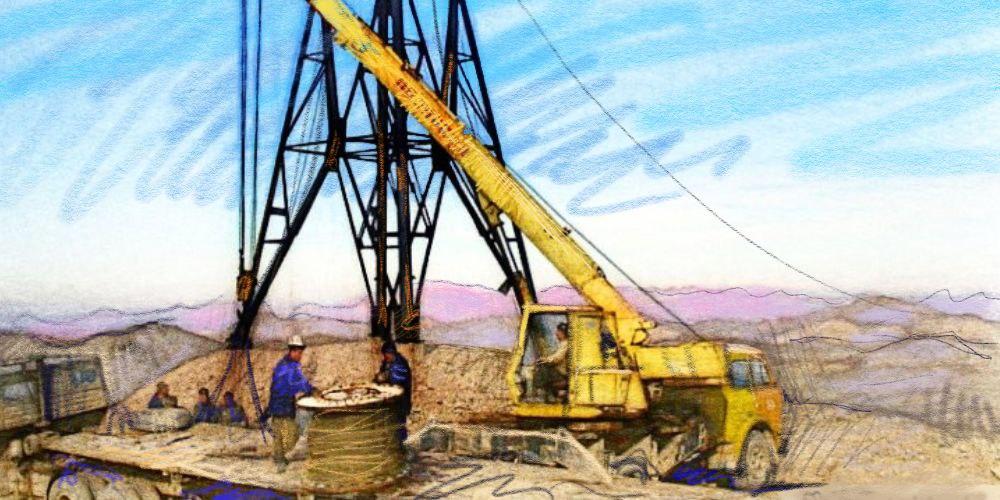
One of them is the 25-megawatt Bala-Saruu hydropower plant in Talas Region, for which the RKDF allocated $10 million to help complete construction.
The newer Azerbaijan-Kyrgyz Development Fund has also begun financing identifiable projects. By November 2025, it had allocated $14.4 million to four projects worth a combined $52.7 million. They included KG TEX, a garment factory with 300 jobs, and the 9-megawatt Tyup small hydropower plant.
The Uzbek-Kyrgyz Development Fund financed the 6.7-megawatt Kogart hydropower plant. The project began in August 2022 and was ready for operation by July 2024, according to the fund.
In May 2026, the Hungarian-Kyrgyz Development Fund opened a long-term credit line for NEMAN-PHARM. The first financing stage was earmarked for purchasing pharmaceutical products in Hungary. Projects financed by the fund must include a Hungarian component of at least 30%. Its published loan rates range from 1.5% to 7.25% a year, with terms of up to 10 years.
These institutions are operating during a period of rapid economic expansion in Kyrgyzstan. Gross domestic product grew by 11.9% year-on-year in the first half of 2026. The International Monetary Fund has warned of emerging signs of overheating and expects re-export and trade-related activity to plateau.
The number of state-backed financing options is also set to increase. The Turkic Investment Fund has begun practical operations and is expected to provide financing for joint projects across Central Asia.
For Kyrgyzstan, these funds provide access to long-term capital for projects that may struggle to secure conventional financing. Their success will ultimately depend on whether the businesses and infrastructure they support remain viable and repay their loans.