In a major step toward deepening regional engagement, Kazakhstan’s Foreign Minister Murat Nurtleu arrived in Kabul this week, signaling a continuing shift towards pragmatic engagement in Astana’s policy towards Afghanistan. The visit resulted in significant diplomatic and economic developments, including the signing of a $500 million agreement on the Herat-Torghundi railway.
During his visit, Nurtleu met with Afghanistan’s acting Foreign Minister Amir Khan Muttaqi and other senior officials in the Taliban-led government. In a joint statement, the two sides emphasized their commitment to expanding bilateral ties in transit, trade, education, and regional security. Nurtleu pledged Kazakhstan’s support for Afghanistan’s stabilization, food security, and comprehensive development, stating that Astana is seeking to expand its partnership with Kabul based on shared regional interests.
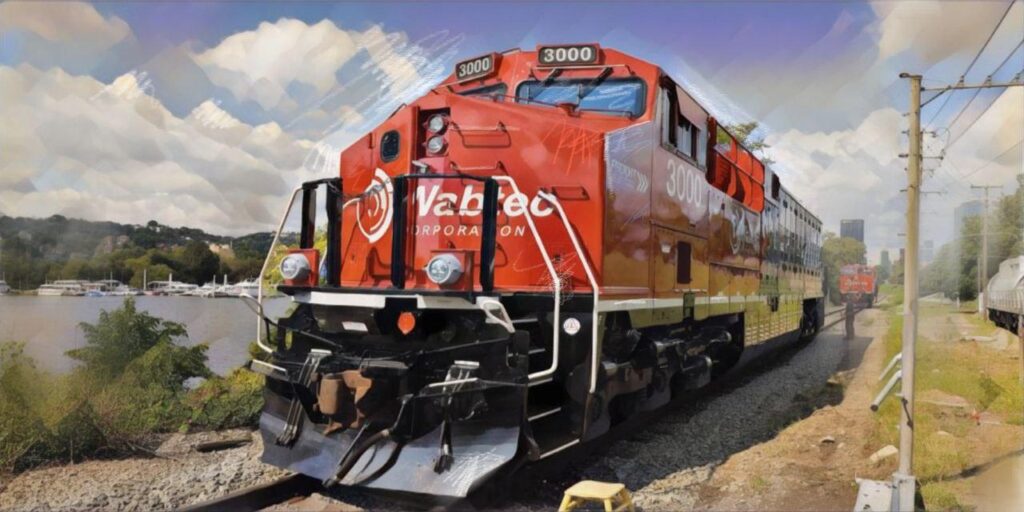
A highlight of the visit was the signing of a memorandum of understanding for the construction of the Torghundi–Herat railway. The 115-kilometer line will link western Afghanistan to Turkmenistan, and is expected to extend connectivity into Iran and further south to the Arabian Sea. Afghanistan’s Deputy Prime Minister Abdul Ghani Baradar welcomed the agreement, stating that the deal will lay the foundation for establishing a logistics hub in Herat. As reported by Baradar’s office, discussions also covered the possibility of relaxing visa regulations for Afghan traders, resuming direct flights between Kabul and Astana, and increasing bilateral trade volumes.
The two sides emphasized expanding economic collaboration through joint initiatives in key industries, including mining, transportation, communications, energy, and infrastructure. They also considered formalizing accords on agricultural product safety, cross-border logistics, and reduced transit costs — steps aimed at potentially raising trade between the countries to $3 billion.
In parallel to these diplomatic overtures, Kazakhstan’s mining giant Kazakhmys Barlau is exploring Afghanistan’s untapped mineral resources. CEO Galym Nurzhanov confirmed that his team has already begun reconnaissance operations in the mineral-rich Nuristan Province. Nurzhanov described the terrain as a geological time capsule, stating that “For our geologists and miners, it’s like stepping into the 19th century. We looked at lead-zinc deposits, grades of nearly 39%, with concentrates reaching 41%. That’s ready ore, you can crush it and send it straight to the plant.”
As previously reported by The Times of Central Asia, despite lingering tensions over issues such as Afghanistan’s controversial Qosh Tepa Canal project, Kazakhstan has emphasized an approach to relations with Kabul based on “practicality, not ideology,” highlighting the shared need for regional security, trade corridors, and energy development.