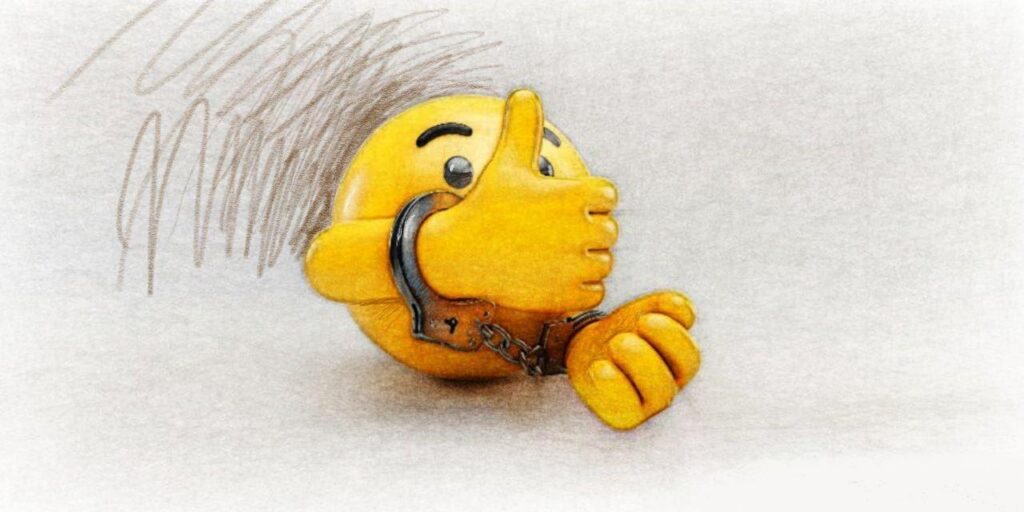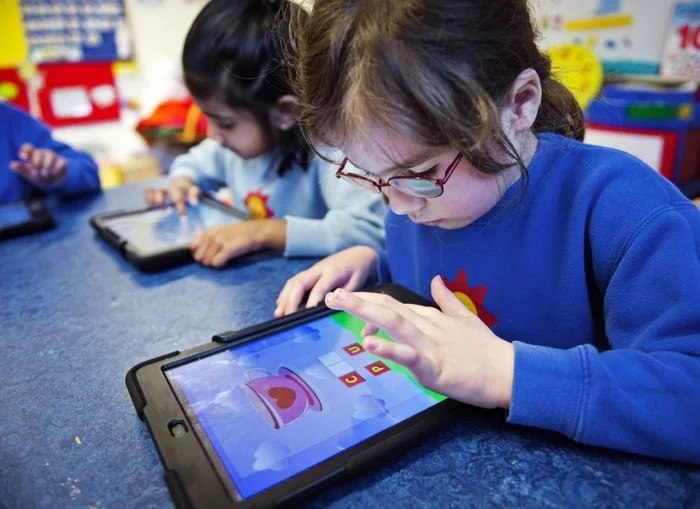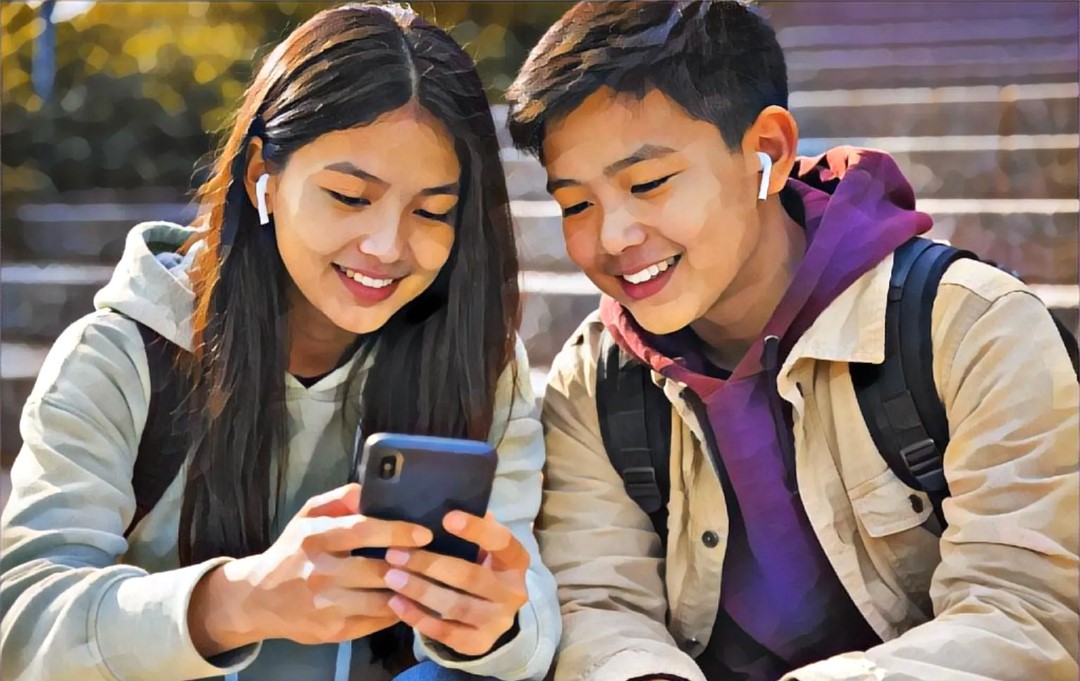
An active and ongoing debate is taking place in Kazakhstan over proposed amendments to legislation that would ban children under the age of 16 from using social media. The initiative has been raised repeatedly by lawmakers, although many experts believe teenagers would still find ways to circumvent such restrictions.
The primary objective cited by lawmakers is to protect children from harmful content, including violence and pornography, and to reduce cyberbullying. The Ministry of Culture and Information has already prepared draft amendments that would affect the regulation of social media. Mechanisms for verifying users’ ages will be developed jointly with the Ministries of Education and Digital Development.
Specifically, the proposals under discussion would introduce a ban on registering users under the age of 16 on social media platforms, with an exception for instant messaging services. Education Minister Zhuldyz Suleimenova said the working group is considering measures, including SIM card registration for children under 14 as an initial step toward access control, monitoring the content minors consume, and stronger digital and media literacy education in schools.
Lawmakers argue that the issue is becoming increasingly urgent. In February, officials reported that around 200 registered cases of bullying and cyberbullying involving children were recorded in 2025. The figures were cited by Yulia Ovechkina, deputy chair of the Committee for the Protection of Children’s Rights.
According to Ovechkina, these statistics primarily reflect improved detection and reporting rather than the full scale of the problem. She also noted that administrative liability for bullying was expanded in 2024. Officials say the number of teenagers experiencing harassment on social media continues to rise.
In November 2025, police in Astana reported a sharp increase in cyberbullying complaints nationwide, particularly among female students and individuals active in public life.
Law enforcement agencies note that forms of digital violence are evolving rapidly and becoming less visible. The most common manifestations include cyberbullying, stalking, the publication of personal data, extortion involving intimate materials, and the growing use of deepfake technologies. Increased online activity among teenagers heightens their vulnerability to such threats, police say.
At the same time, experts question whether a blanket ban would be effective or meaningfully improve child safety.
According to educational psychologist and Gestalt consultant Olga Tretyakova, building trusting relationships with children, openly discussing the dangers of harmful content, and conducting sustained preventive and educational work are far more effective than simply passing restrictive legislation. While such efforts require significantly more resources, she argues they are the only measures likely to produce lasting results.
Skepticism also stems from the deep integration of social media into everyday communication, education, and adolescent development. Attempts to isolate minors from these platforms through legal measures risk cutting them off from a social environment they perceive as normal. Children are likely to register using other people’s phones, false names, or fake dates of birth, said Gabit Umirbekov, deputy chairman of the Chamber of Legal Advisors of the Republic of Kazakhstan.
For many minors, especially those who are socially isolated or vulnerable, social networks serve as an important channel for communication, learning, and self-expression. Restrictions could push children toward VPNs or less regulated platforms, experts warn.
Despite these concerns, a number of countries have already moved to restrict minors’ access to social media. In Australia, new rules took effect in December 2025 requiring platforms to take reasonable steps to prevent under-16s from holding social media accounts. Media reports say the restrictions apply to around ten platforms, including Facebook, Instagram, Snapchat, Threads, TikTok, X, YouTube, Reddit, Kick, and Twitch.
In Spain, the government has also moved toward tighter controls on minors’ online activity, with lawmakers advancing proposals to raise the minimum age for social media use to 16 and to strengthen age-verification and parental-consent requirements, though no nationwide ban has yet entered into force.
Similar initiatives, ranging from parental-consent rules to age-verification requirements, are under discussion in France, Denmark, and parts of the United States. In January 2026, the authorities in Azerbaijan also raised the possibility of restricting children’s use of social media.