Kazakhstan’s automotive industry is increasing production on the back of strong domestic demand and ongoing localization policies. However, the sector is expected to face challenges in expanding into export markets in the coming years.
In 2025, the country produced approximately 171,000 vehicles, while sales reached around 235,000 units, according to industry data.
The broader engineering sector has expanded 8.5-fold over the past decade, reaching a historic high. Automotive manufacturing accounts for about 41% of this segment, making it one of the key non-resource drivers of the economy.
One of the main factors behind growth is demand for fleet renewal. According to Zhaslan Azenov, advisor to the president of the Kazakhstan Automobile Union, the country’s passenger car fleet totals around 5.9 million vehicles, with more than 40% older than 20 years.
The share of domestically produced vehicles in total sales reached 69% in 2025, reflecting the strengthening of local production, Azenov told The Times of Central Asia.
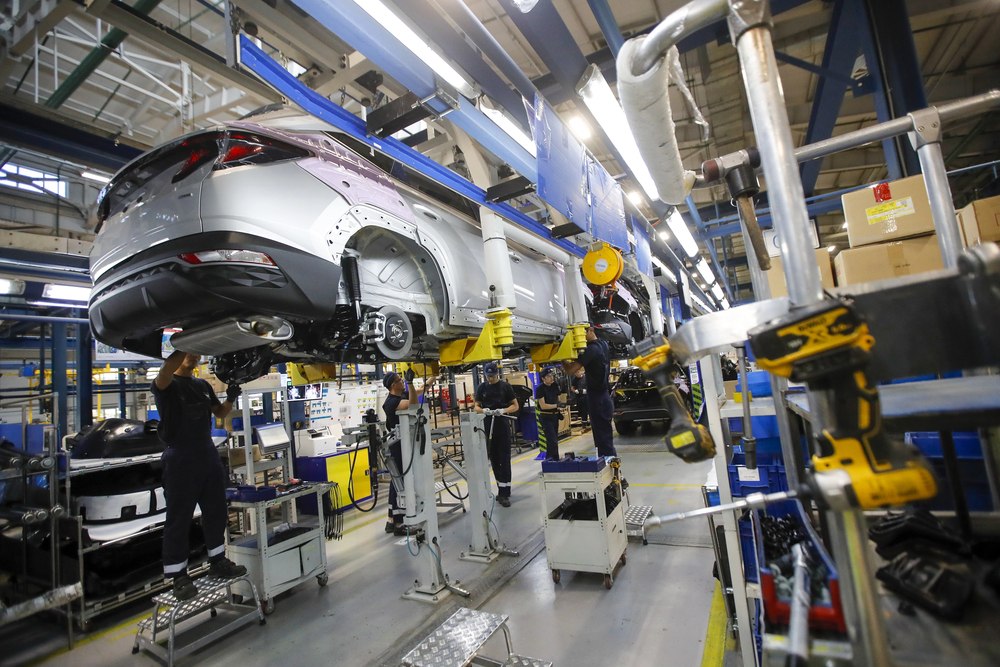
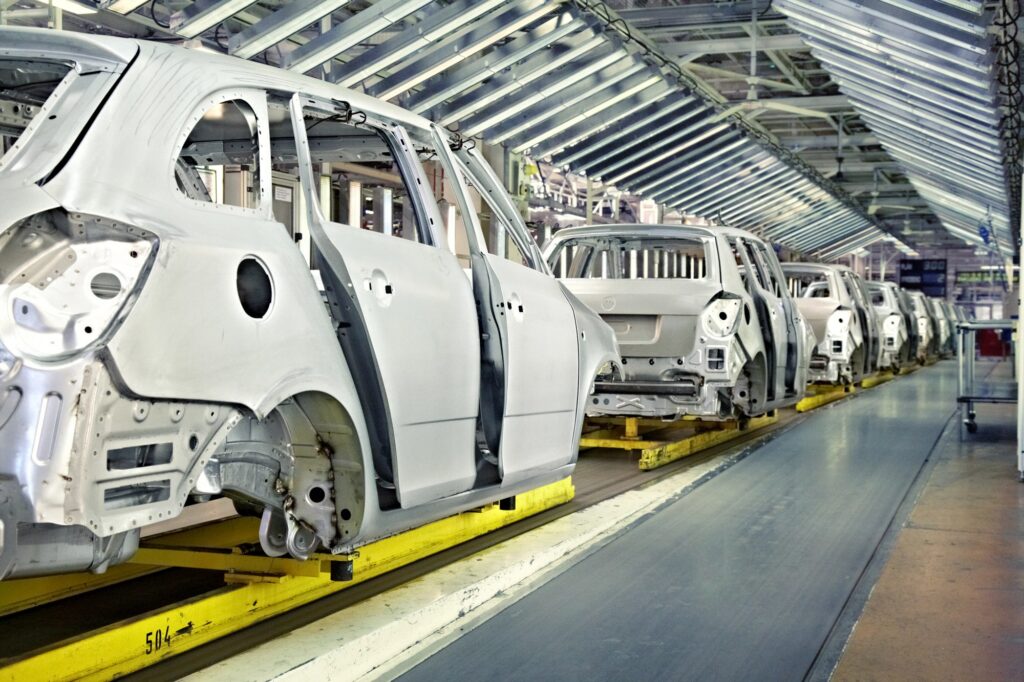
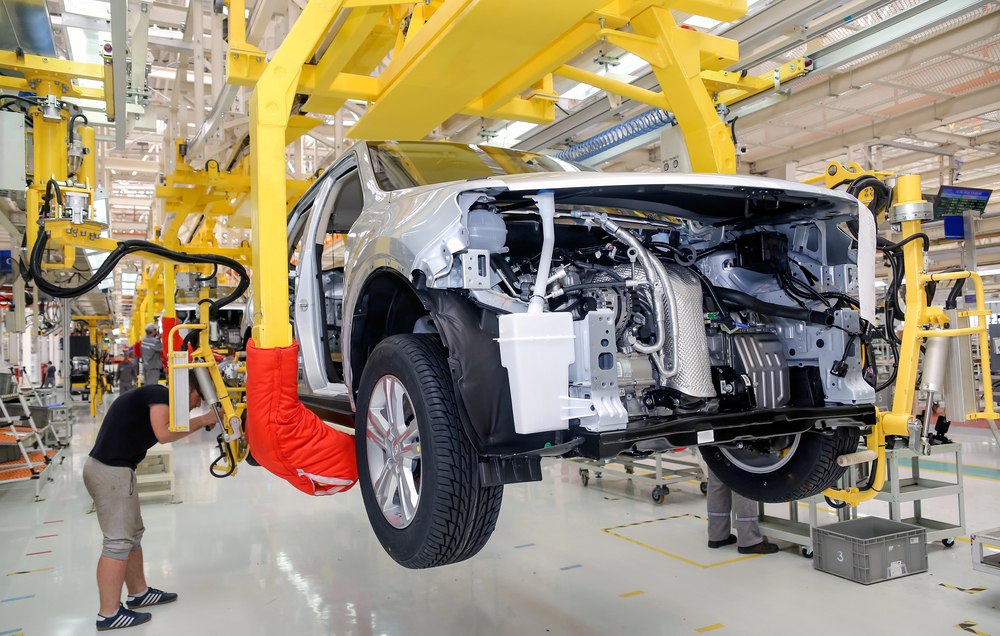
Kazakhstan currently has 11 automotive manufacturers in operation, with one additional project under development. Major production sites are located in Kostanay, Almaty, Semey, Kokshetau, Saran, and Uralsk.
Among the most popular brands on the market are Hyundai, Chevrolet, and Kia. The Chevrolet Cobalt remains the top-selling model, followed by the Hyundai Tucson, Kia Sportage, Hyundai Mufasa, and Hyundai Elantra.
“Among the most popular models, the absolute leader is the Chevrolet Cobalt. The top five also includes Hyundai Tucson, Kia Sportage, Hyundai Mufasa, and Hyundai Elantra,” the industry representative said.
At the same time, the presence of Chinese manufacturers is growing rapidly. Their market share has increased from 2% in 2020 to 39% by the end of 2025, driven by aggressive market entry strategies and plans for localized production.
Deepening localization remains a key priority. Projects are underway to produce automotive components domestically, including interior elements, body parts, technical systems, and electronics. This is expected to reduce dependence on imports and lower production costs.
“Kazakhstan is transitioning from simple assembly to deep localization. Today, we have a number of production facilities for interior components such as seats, flooring, headliners, and mats. In exterior components, we produce bumpers, plastic parts, and mudguards; in technical systems, exhaust systems, cooling and heating systems, wiring harnesses, fuel and brake lines; as well as consumables such as batteries, tires, paints, and sealants. In electronics, we are developing multimedia systems,” Azenov said.
The electric vehicle segment remains at an early stage of development. As of September 2025, just over 22,000 electric vehicles were registered in the country, including around 21,000 passenger cars.
Industry growth has also been accompanied by rising employment. The number of workers in automotive manufacturing increased from around 2,000 in 2018 to more than 11,000 in 2025.
“It should be noted that the industry’s growth has been accompanied by a significant increase in jobs. If in 2018 just over 2,000 people were employed in automotive manufacturing, by 2025 this figure exceeded 11,000,” Azenov added.
According to industry forecasts, vehicle sales could reach around 247,000 units in 2026, while production is expected to increase further.
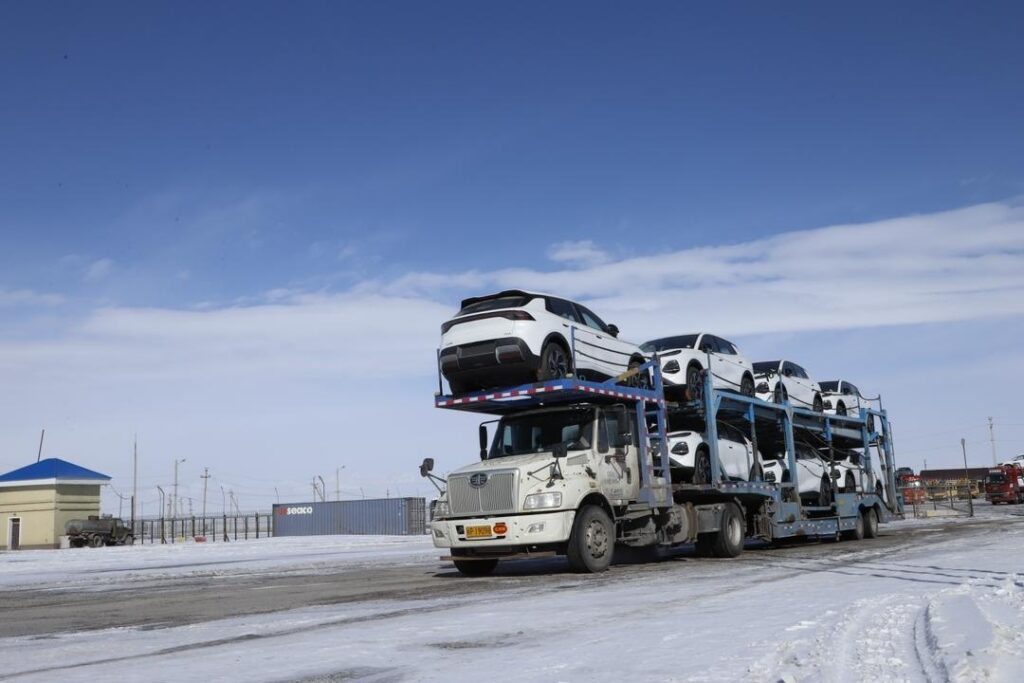
Despite current growth, the industry’s key challenge remains the transition from import substitution to export expansion. Experts emphasize the need to integrate into global production chains and strengthen the country’s presence in external markets.
Key challenges include improving cooperation with the domestic metallurgy sector, reducing dependence on imported components, ensuring stable demand, and advancing further digitalization of production.