Kyrgyzstan will again have to import a significant share of its electricity in 2026. With consumption expected to reach 19.6 billion kWh, domestic power plants are projected to generate 15.5 billion kWh. The difference, around 4.1 billion kWh, will have to be covered by imports. For a country where most electricity is generated by hydropower plants along the Naryn River, many of them built during the Soviet period, the current deficit is the result of a long-running gap between rising demand and the construction of new large-scale generating capacity.
The new estimates from the Energy Ministry were presented on August 10 during preparations for the heating season. A year earlier, Kyrgyzstan imported about 3.9 billion kWh, meaning that its dependence on external supplies is expected to increase slightly this year.
The reasons go far beyond the current period of low water levels.
Kyrgyzstan’s power system in its present form developed as part of the integrated Soviet Central Asian network. The republic controlled the upper reaches of the Naryn River, while reservoirs and hydropower plants built along it served two purposes: generating electricity and regulating water flows for agriculture downstream, primarily in Uzbekistan and Kazakhstan.
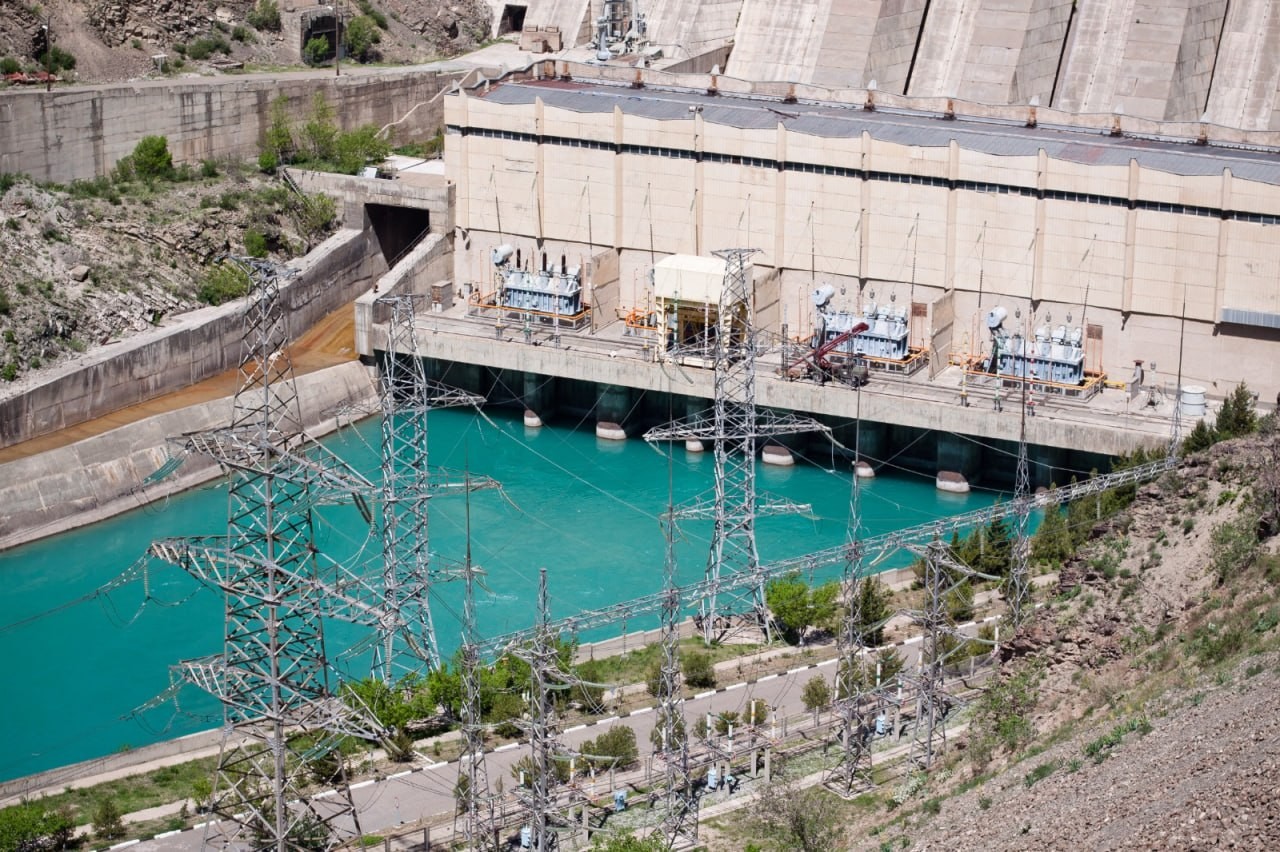
The first major plant on the Naryn was the Uch-Kurgan Hydropower Plant, commissioned in the early 1960s. Construction of the much larger Toktogul hydropower complex began in 1962. Toktogul was commissioned in January 1975. It was followed by the Kurpsai, Tash-Kumyr, and Shamaldy-Sai hydropower plants. This cascade became the backbone of Kyrgyzstan’s electricity sector.
The Soviet system was not designed to make each republic self-sufficient in energy. Kyrgyzstan stored water during the colder months and released it for downstream irrigation in summer, generating electricity that fed into the regional grid. In return, it received fuel and power from elsewhere in the Soviet system during winter. After the collapse of the Soviet Union, that integrated system fragmented, while the power plants and reservoirs remained.
Construction of new large facilities then almost stopped. Work on Kambarata-2 began in 1986 but was suspended after the collapse of the Soviet Union; its first generating unit was not commissioned until 2010. As a result, a substantial share of Kyrgyzstan’s present-day electricity generation still comes from plants built several decades ago.
The hydropower plants themselves are gradually being modernised. Following rehabilitation, Toktogul’s capacity increased from the original 1,200 MW to 1,440 MW. But upgrading existing generating units does not solve the other problem: electricity consumption is growing faster than new sources of generation are being added.
In 2025, the country consumed about 19.1 billion kWh, roughly 860 million kWh more than a year earlier. Imports totaled about 3.9 billion kWh from Turkmenistan, Uzbekistan, Kazakhstan, and Russia. This year, imports are expected to increase to 4.1 billion kWh.
The situation also depends on water availability. The Toktogul Reservoir allows part of the Naryn’s flow to be shifted between seasons, so its water level directly affects the generating capacity of the country’s largest hydropower plant. At the August 10 meeting, the authorities said the reservoir currently held less water than a year earlier.
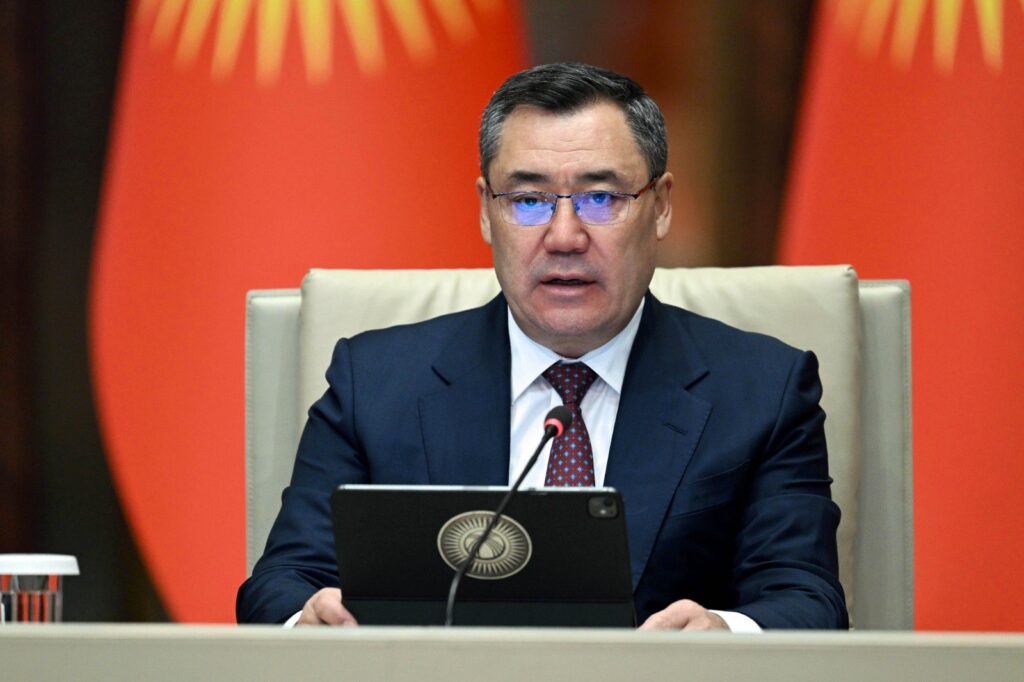
In July, President Sadyr Japarov acknowledged that the need to keep turning to other countries for electricity remained a problem despite Kyrgyzstan’s own water resources.
“We are located at the source of major water resources and yet we face an electricity shortage,” Japarov said.
The authorities are trying to increase generation through small hydropower plants and the rehabilitation of older stations. But the project capable of changing the balance most significantly is once again on the Naryn. The Kambarata-1 Hydropower Plant, with a planned capacity of 1,860 MW, is expected to generate around 5.6 billion kWh a year. Kyrgyzstan is developing the project jointly with Kazakhstan and Uzbekistan.
Until a new large plant comes online, Bishkek will have to continue dealing with a familiar problem: buying electricity from abroad in winter while closely monitoring water levels in the Toktogul Reservoir during the summer. More than half a century after the main plants of the Naryn cascade were built, they still determine how much electricity Kyrgyzstan can generate on its own.