The World Bank has announced a $20 million grant to strengthen transboundary water cooperation in Central Asia. The project is intended to improve management of the Amu Darya and Syr Darya basins as climate change, ageing infrastructure, and rising demand increase pressure on shared water resources.
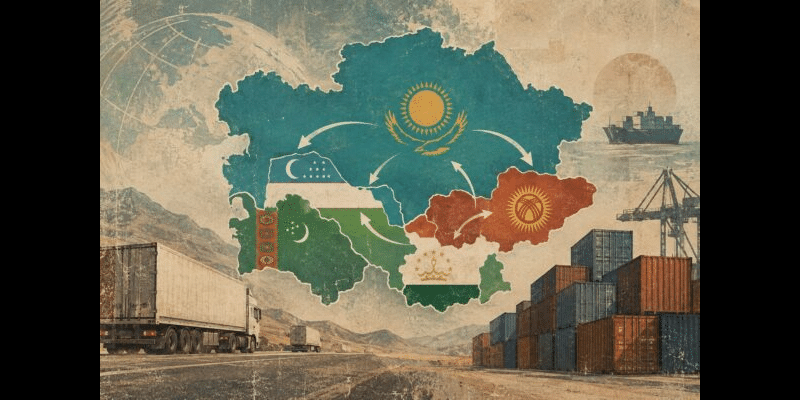
The funding, approved by the World Bank’s Board of Executive Directors, will support the Central Asia Water Efficiency Cooperation Project (CAWEC). It will be implemented by the Executive Committee of the International Fund for Saving the Aral Sea (EC IFAS). EC IFAS’s current procurement notice identifies Kazakhstan, Tajikistan, Turkmenistan, and Uzbekistan as the participating states.
According to the World Bank, limited cooperation over shared water and energy resources costs the region more than $4.5 billion a year. The bank says fragmented reservoir operations, weak data sharing, and ageing infrastructure prevent countries from capturing gains that better regional coordination could provide.
The project will strengthen regional institutions, modernize water accounting and information systems, and improve data sharing. By 2031, EC IFAS is expected to prepare feasibility studies, technical documents, and environmental assessments for up to six transboundary water infrastructure projects involving at least two countries.
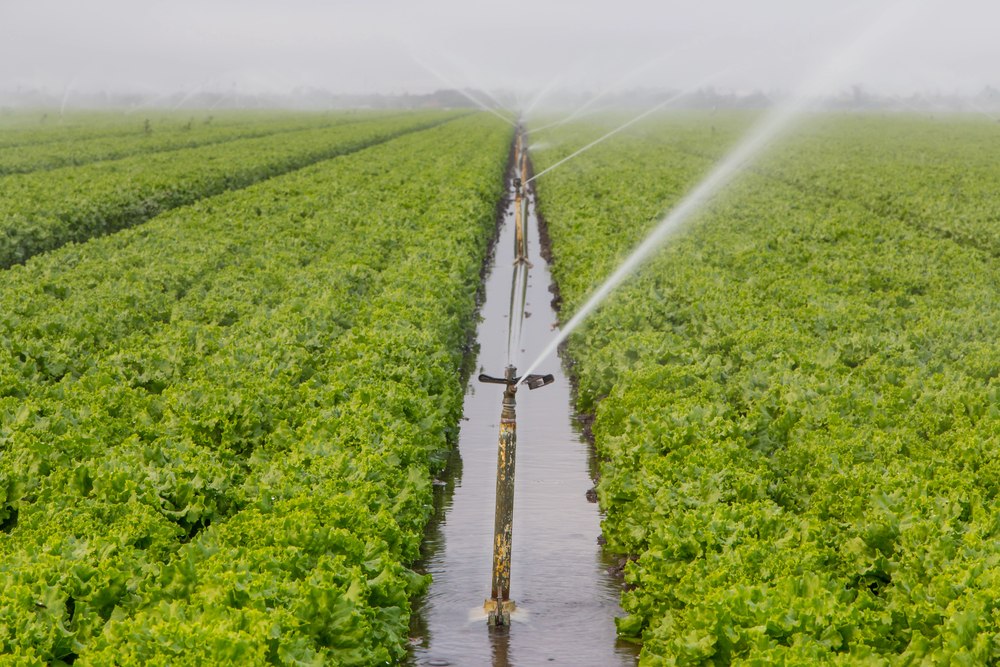
The $20 million grant will not finance the construction of those projects. The preparatory work is intended to help governments attract further investment for irrigation modernization, water conservation and storage, and coordinated management of shared rivers. It will also support digital systems and equipment for the Amu Darya and Syr Darya basins.
Up to 100 staff members from regional water organizations will receive training. The World Bank estimates that around 40 million people will benefit directly or indirectly from improved regional water management.
The International Fund for Saving the Aral Sea was established in 1993 by Kazakhstan, Kyrgyzstan, Tajikistan, Turkmenistan, and Uzbekistan to coordinate responses to the environmental and economic consequences of the Aral Sea disaster.
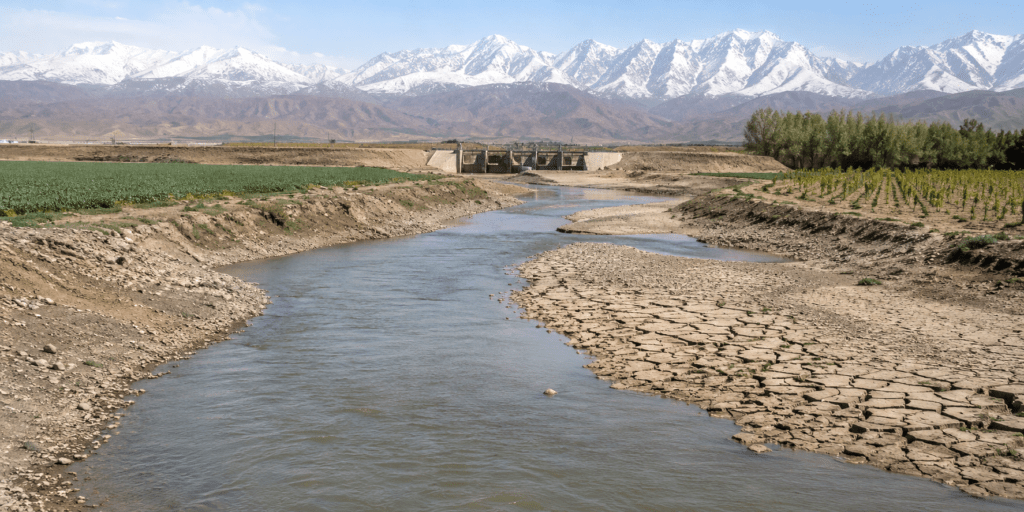
The project concerns the Aral Sea basin’s two principal river systems. The Amu Darya is formed by headwaters rising mainly in the Pamirs and Hindu Kush and flows through or along Afghanistan, Tajikistan, Uzbekistan, and Turkmenistan. The Syr Darya is fed by Tien Shan headwaters and crosses Kyrgyzstan, Uzbekistan, Tajikistan, and Kazakhstan. Both rivers historically fed the Aral Sea.
The grant arrives amid severe regional water stress. Central Asian governments agreed 2026 allocations from the Amu Darya and Syr Darya in November 2025, but low reservoir levels and reduced inflows continue to threaten irrigation and energy production.
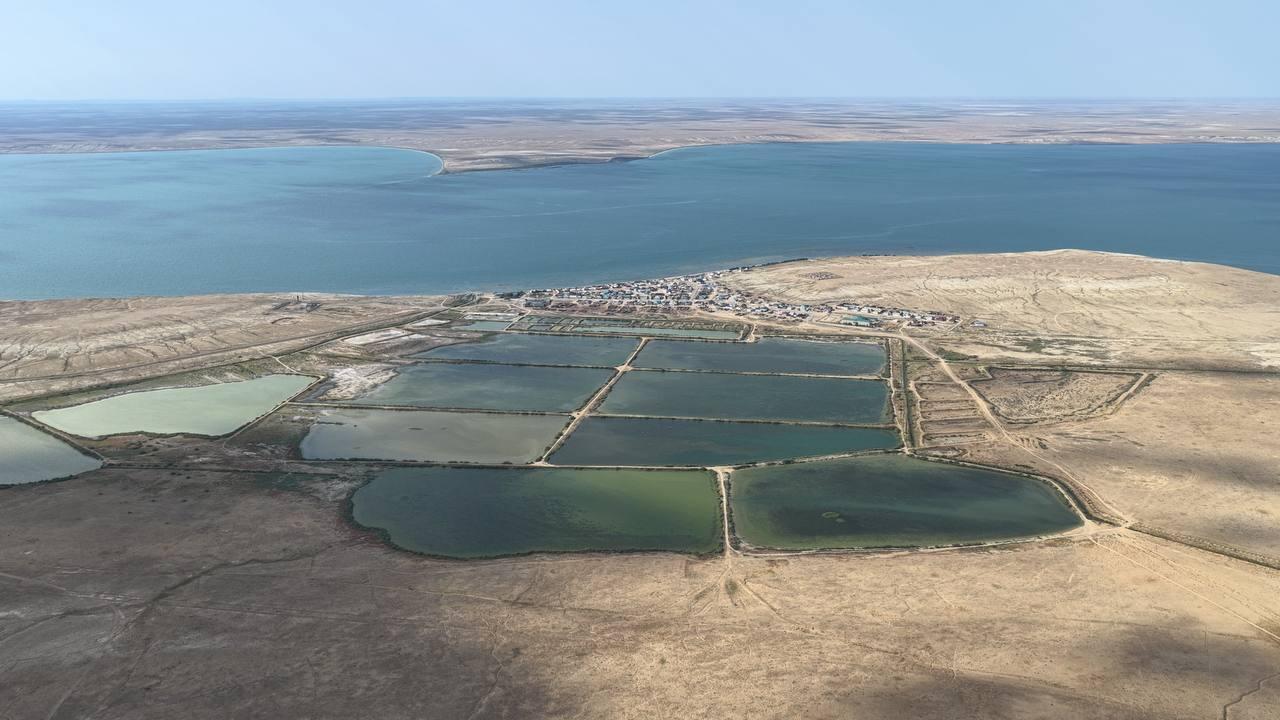
Kazakhstan is pursuing a parallel effort to restore the North Aral Sea, the section of the former inland sea fed by the Syr Darya. In a ministry statement, Water Resources and Irrigation Minister Nurzhan Nurzhigitov said an additional 1.2 billion cubic meters of water should be directed to the North Aral by the end of 2026.
According to the ministry, 1.4 billion cubic meters have been delivered since October 1, 2025. The North Aral now contains 23.5 billion cubic meters of water, while salinity has fallen by about 10% from a year earlier. Fishermen caught 4,200 metric tons of fish during the first half of 2026.
Kazakhstan and the World Bank have prepared the second phase of the North Aral restoration program. It includes reconstruction of the Kokaral Dam and other hydraulic infrastructure intended to raise the sea’s capacity to about 34 billion cubic meters, improve water management, and support fisheries and local communities. Kazakhstan has said it aims to reach that volume by 2030.