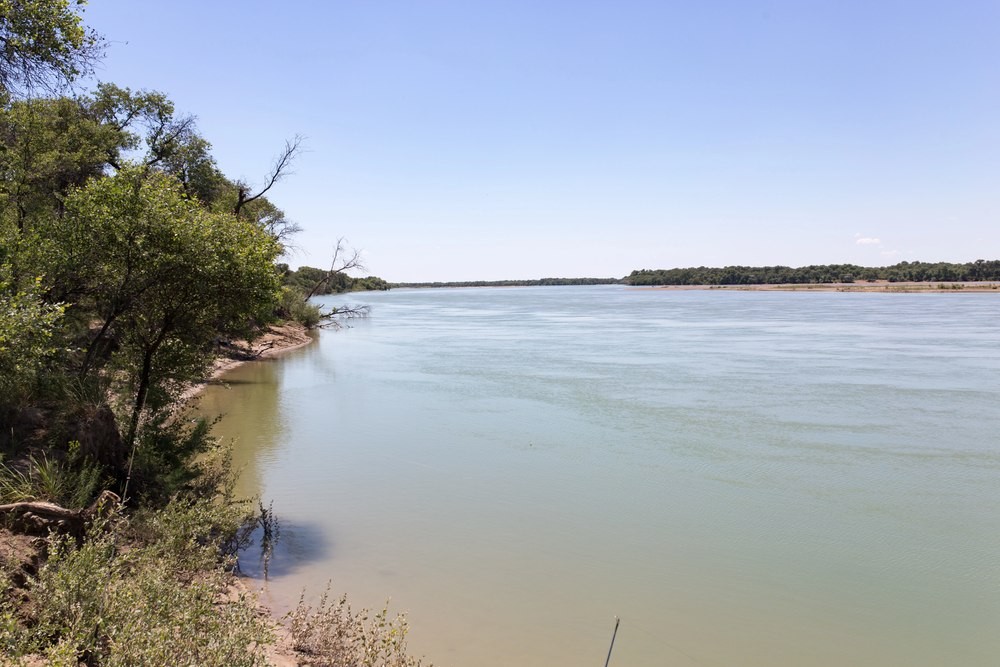
Central Asian countries have agreed to prepare a plan for automated water monitoring on the Syr Darya, one of the region’s main transboundary rivers. The system is intended to provide the countries with more accurate data on water volumes and distribution across the basin, where irrigated agriculture in several countries depends on river flows. The cost of weak coordination across Central Asia is already measured in billions: the World Bank estimates the region’s annual economic losses at more than $4.5 billion.
The agreement was reached on August 7 in Turkistan, Kazakhstan. A working group to prepare the plan is expected to be established by the end of September. The decision was made at a meeting of the Interstate Commission for Water Coordination, a regional mechanism for coordinating the use of shared water resources.
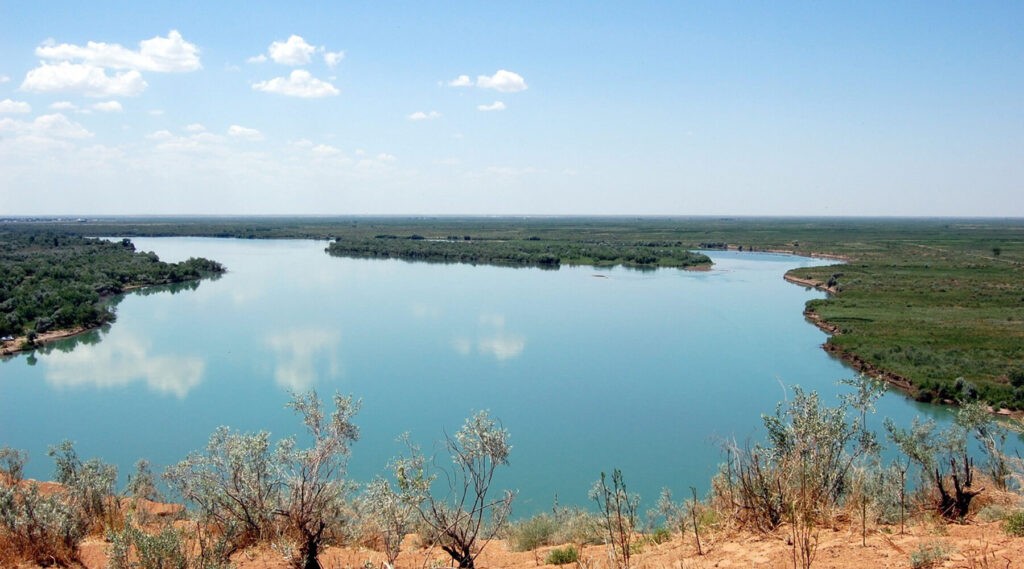
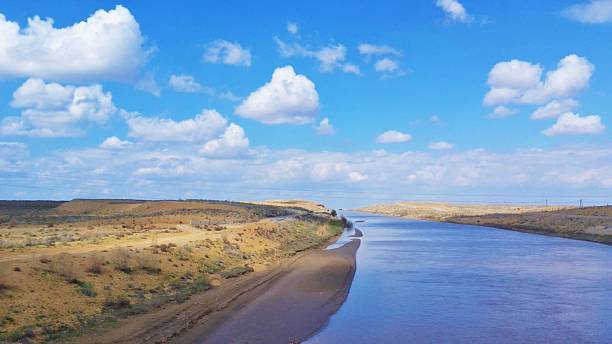
The Syr Darya is formed in the Ferghana Valley by the confluence of the Naryn and Kara Darya rivers, flows through Uzbekistan, Tajikistan, and Kazakhstan, and ends in the North Aral Sea. The Naryn originates in Kyrgyzstan, meaning that management of the basin involves four countries. The Syr Darya supplies major agricultural areas, while a cascade of reservoirs and hydropower plants links the distribution of river flows with electricity generation.
The countries’ interests have not always coincided. In the upper reaches of the basin, water is used for hydropower generation, while farther downstream demand peaks during the summer irrigation season. Accurate monitoring and timely data exchange help countries plan water withdrawals and reservoir operations during months with the highest demand.
Kazakhstan and Uzbekistan are already developing part of the future system. The two countries are automating ten hydrological monitoring stations on the Syr Darya, five on each side of the border. Sensors are expected to record water flow and transmit the data online. At the meeting in Turkistan, the two sides agreed to accelerate efforts to secure grant financing and consider expanding the system to other parts of the basin.
Kazakhstan already has experience with automated monitoring. On parts of its irrigation network, sensors remotely transmit data on water levels and pressure. Over the past decade, more than 800 kilometers of lined canals have also been rehabilitated in four regions, while irrigation system upgrades have covered more than 100,000 hectares of farmland.
Uzbekistan is also seeking to reduce irrigation losses. Agriculture accounts for about 90% of the country’s water consumption. One project provides for the reconstruction of 259 kilometers of major canals and the installation of automated water-flow monitoring systems. The World Bank estimates the expected water savings at around 540 million cubic meters a year.
The current season on the Kazakh section of the Syr Darya has so far been favorable. Since April 1, around three billion cubic meters of water have flowed into the Shardara Reservoir in southern Kazakhstan. This volume is higher than both last year’s figure and the long-term average.
The region received additional funding for water projects in July. The World Bank allocated a $20 million grant to improve the management of shared water resources in Central Asia, including digital monitoring and data exchange in the Syr Darya and Amu Darya basins. Around 40 million people in the region are expected to benefit directly or indirectly from the project. According to the World Bank, glacier surface area in Central Asia has declined by around 30% over the past 60 years. Limited data sharing between countries and aging infrastructure further complicate water management.
The Times of Central Asia previously reported that Kazakhstan, Tajikistan, and Uzbekistan had agreed on the summer operating regime for the Bahri Tojik Reservoir in Tajikistan, formerly known as the Kayrakkum Reservoir. The agreed water releases help supply agricultural areas downstream along the Syr Darya.