• KGS/USD = 0.01144 0%
  • KZT/USD = 0.00192 -0%
  • TJS/USD = 0.10849 0.37%
  • UZS/USD = 0.00008 0%
  • TMT/USD = 0.28490 0%
  • KGS/USD = 0.01144 0%
  • KZT/USD = 0.00192 -0%
  • TJS/USD = 0.10849 0.37%
  • UZS/USD = 0.00008 0%
  • TMT/USD = 0.28490 0%
  • KGS/USD = 0.01144 0%
  • KZT/USD = 0.00192 -0%
  • TJS/USD = 0.10849 0.37%
  • UZS/USD = 0.00008 0%
  • TMT/USD = 0.28490 0%
  • KGS/USD = 0.01144 0%
  • KZT/USD = 0.00192 -0%
  • TJS/USD = 0.10849 0.37%
  • UZS/USD = 0.00008 0%
  • TMT/USD = 0.28490 0%
  • KGS/USD = 0.01144 0%
  • KZT/USD = 0.00192 -0%
  • TJS/USD = 0.10849 0.37%
  • UZS/USD = 0.00008 0%
  • TMT/USD = 0.28490 0%
  • KGS/USD = 0.01144 0%
  • KZT/USD = 0.00192 -0%
  • TJS/USD = 0.10849 0.37%
  • UZS/USD = 0.00008 0%
  • TMT/USD = 0.28490 0%
  • KGS/USD = 0.01144 0%
  • KZT/USD = 0.00192 -0%
  • TJS/USD = 0.10849 0.37%
  • UZS/USD = 0.00008 0%
  • TMT/USD = 0.28490 0%
  • KGS/USD = 0.01144 0%
  • KZT/USD = 0.00192 -0%
  • TJS/USD = 0.10849 0.37%
  • UZS/USD = 0.00008 0%
  • TMT/USD = 0.28490 0%
11 December 2025

Kyrgyzstan’s Kazarman Airport Reopens After 20-Year Hiatus

Kazarman Airport in Kyrgyzstan’s southern Jalal-Abad region has reopened after more than 20 years, following a major reconstruction project by JSC Airports of Kyrgyzstan. Located near the village of Kazarman, the airport is now ready to receive flights once again.

The renovation included repairs to the 1,840 meter runway, taxiways, aircraft parking areas, and the passenger terminal. The facility can accommodate aircraft weighing up to 22 tons and currently operates during daylight hours.

Built in 1985, Kazarman Airport previously served flights to Bishkek, Osh, and Jalal-Abad. On August 12, state-owned Asman Airlines made its first flight to the renovated airport, and regular flights to Bishkek are scheduled to begin in early September.

“The return of Kazarman Airport to operation is an important step for the development of the country’s transport network. Now residents and visitors of the Jalal-Abad region will be able to get to Bishkek faster and more conveniently,” said Manasbek Samidinov, Chairman of the Board of JSC Airports of Kyrgyzstan.

The reopening comes as Kyrgyzstan continues to expand its aviation infrastructure. In May 2025, construction began on a new international airport in Jalal-Abad, the country’s third-largest city, designed to handle passenger and cargo aircraft including Boeing 737s and Airbus A320/A321s.

At the groundbreaking, President Sadyr Japarov highlighted rising demand for both domestic and international flights. Since 2021, passenger traffic has grown by 46% and the number of flights by 31%, he said. Asman Airlines has restored all domestic routes linking Bishkek with Talas, Karakol, and Kerben, and in 2024 added two Bombardier Dash 8 Q400 short-haul aircraft to its fleet.

The Kazarman and Jalal-Abad projects are part of a broader strategy to modernize Kyrgyzstan’s airports. Work began in February 2025 on a new complex at Osh International Airport, and Karakol International Airport and Talas Airport have already opened. Renovations are also underway at Issyk-Kul International Airport and Naryn Airport.

Kyrgyzstan Hosts Inaugural World Festival of Traditional Culture and Music “Rukh Sanat”

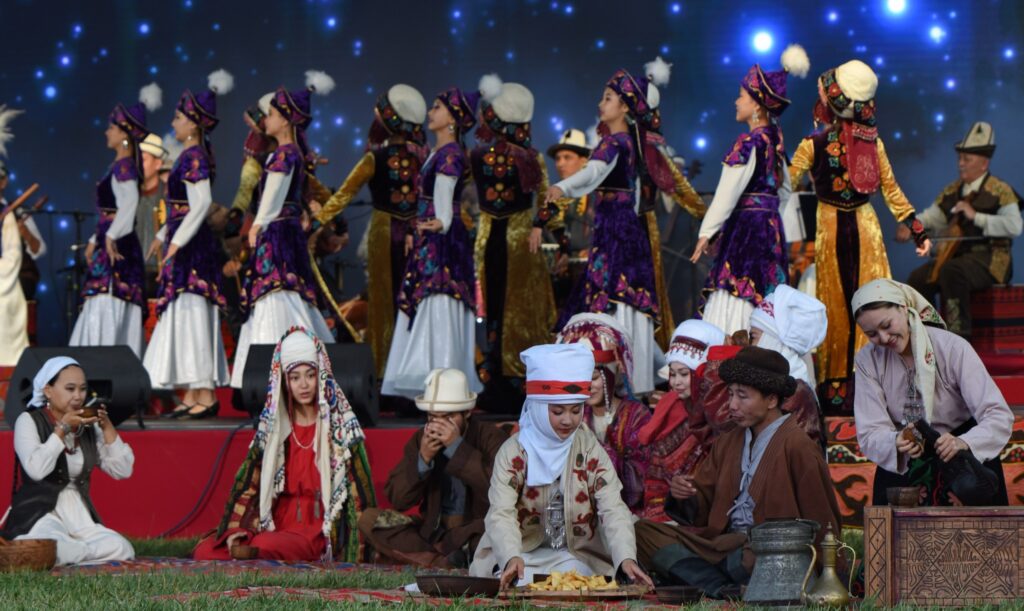
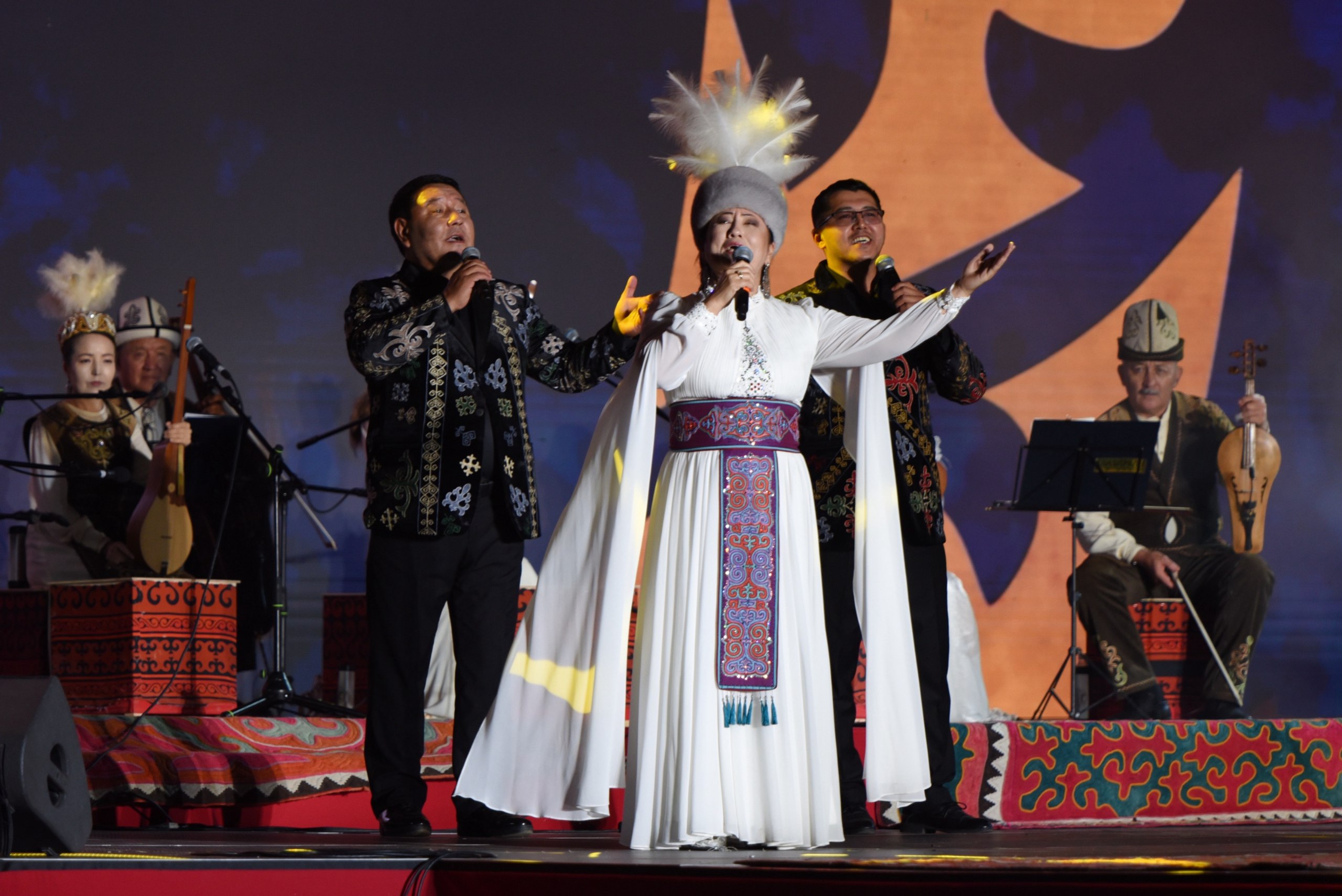
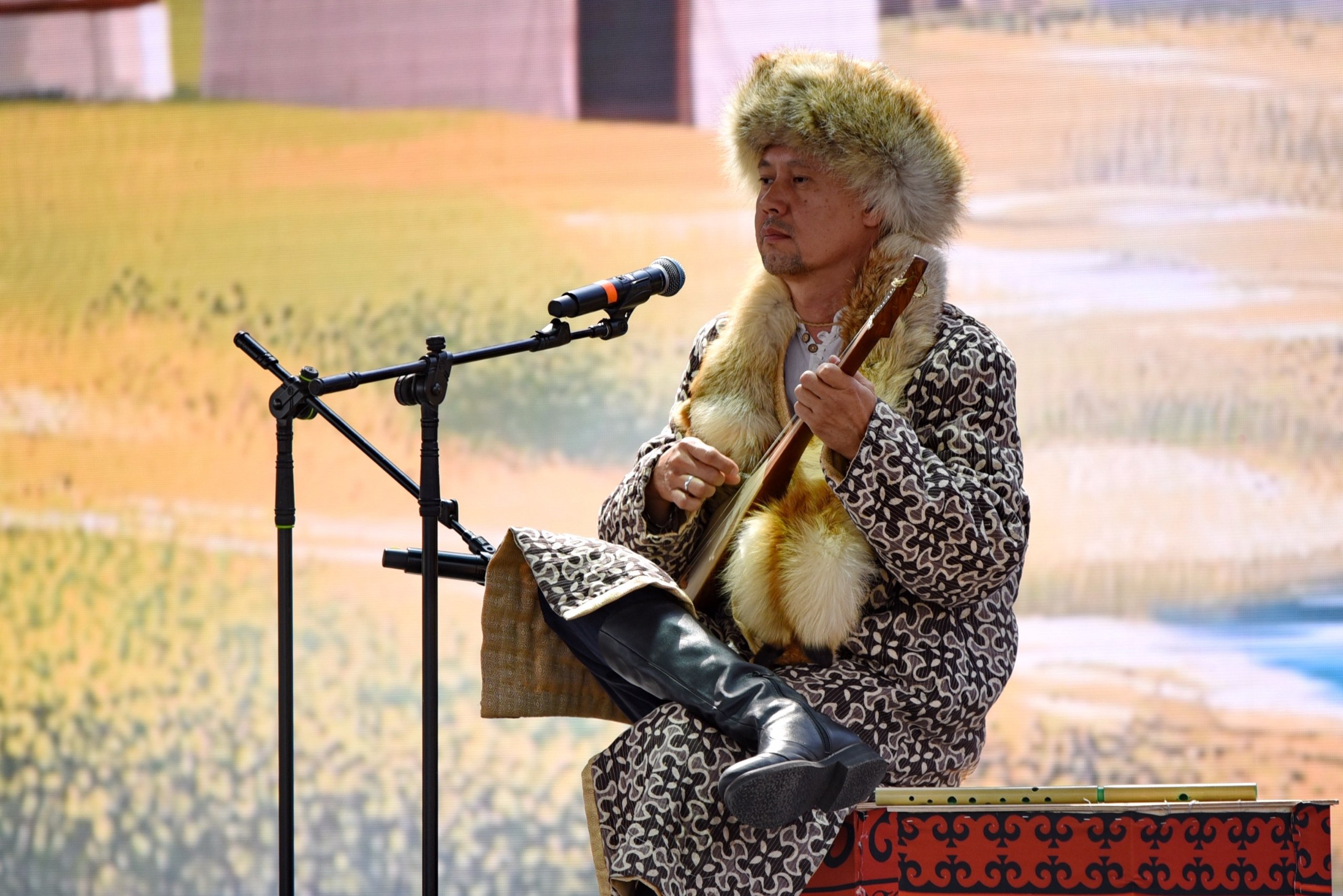
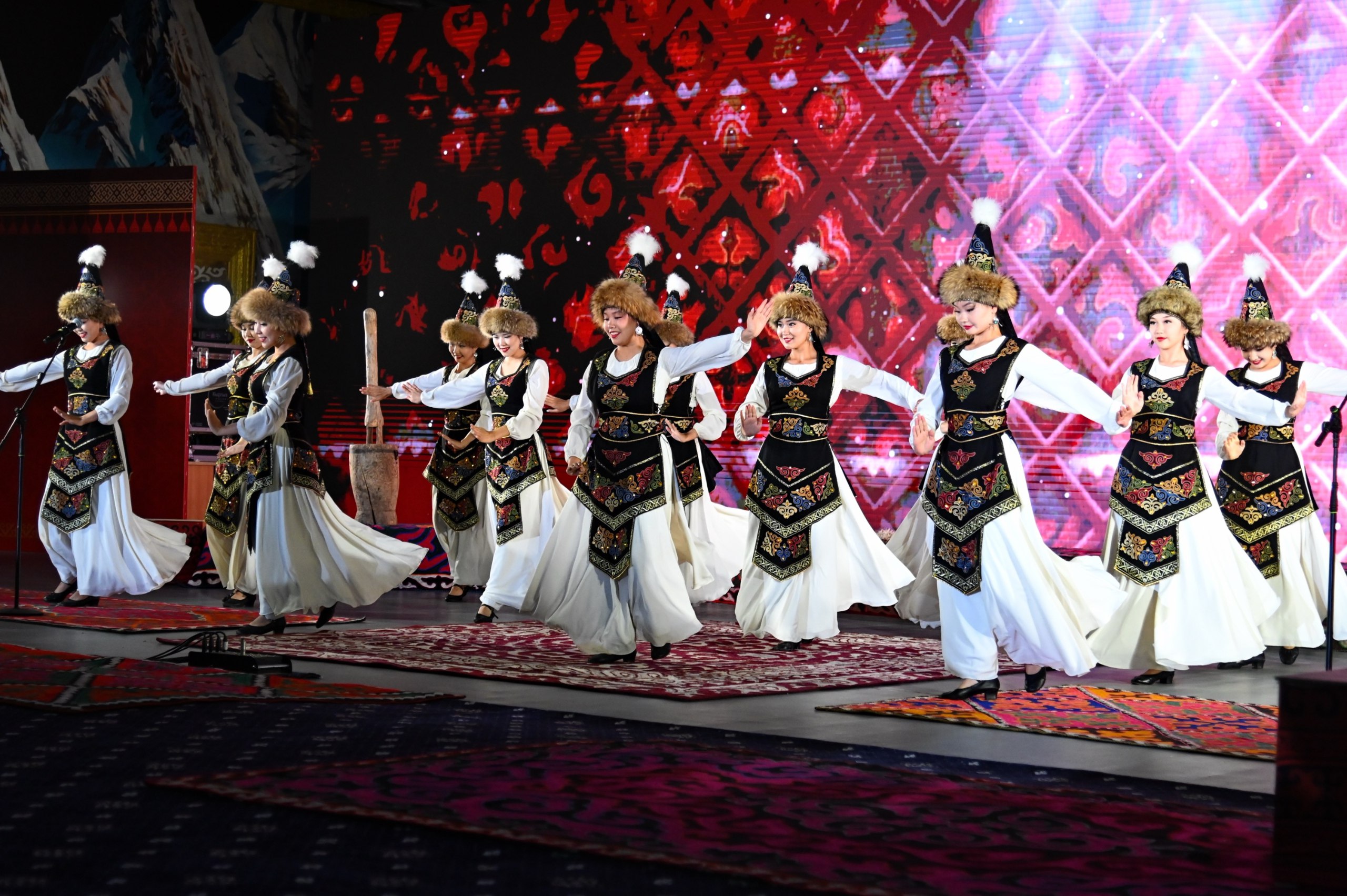
From August 1-3, the cultural and ethnographic complex Rukh Ordo, on the shores of Lake Issyk-Kul, hosted Kyrgyzstan’s first World Festival of Traditional Culture and Music, Rukh Sanat. The event brought together more than 130 performers, researchers, and artisans from 37 countries.

The festival opened with a parade of participants and a theatrical ceremony celebrating nomadic traditions and harmony with nature. Kyrgyz Minister of Culture, Information and Youth Policy Mirbek Mambetaliev described Rukh Sanat as “a new cultural doctrine” where tradition “sounds, lives, and interacts.”

Image: TCA/Maria Malinovskaya

Image: TCA/Maria Malinovskaya

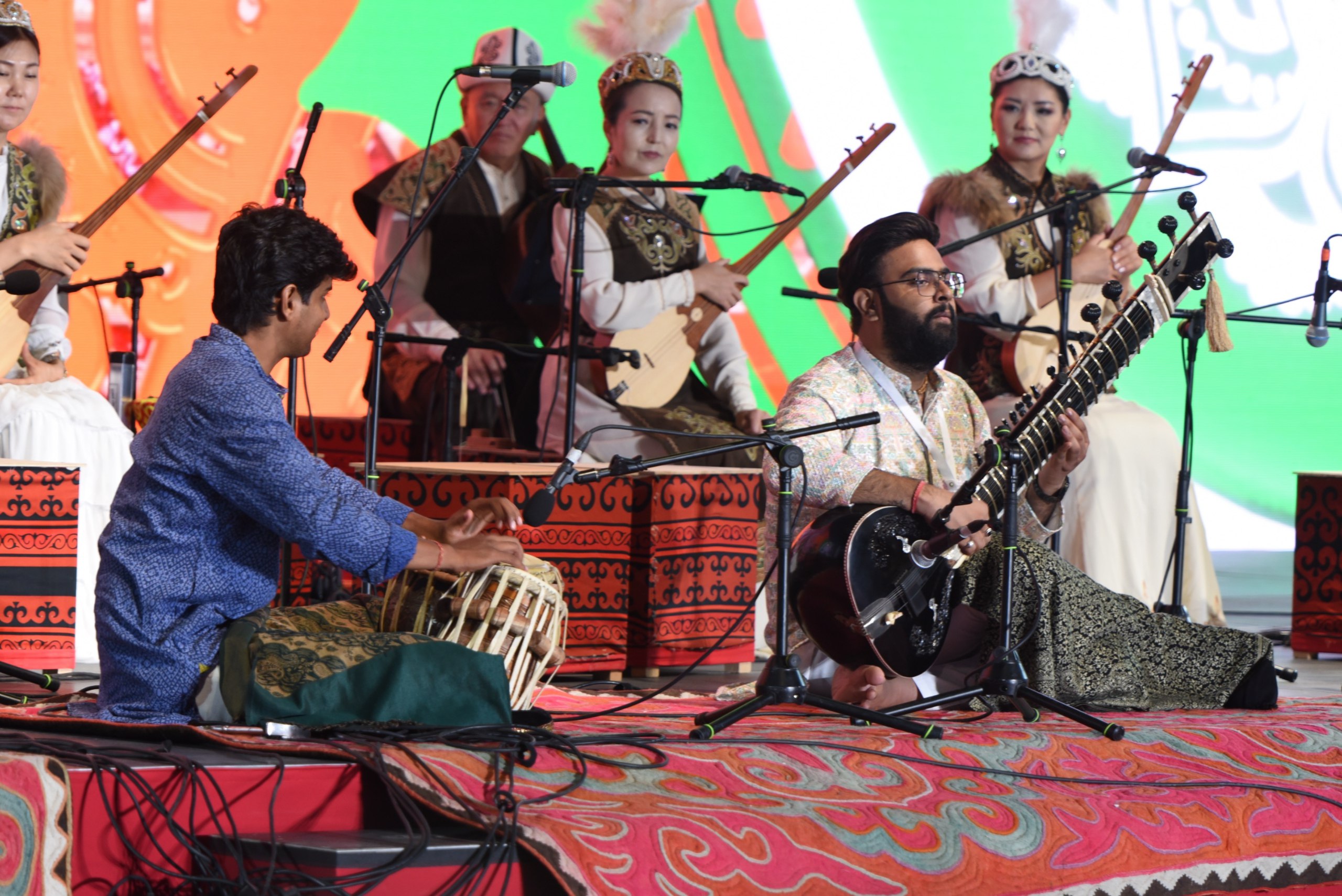
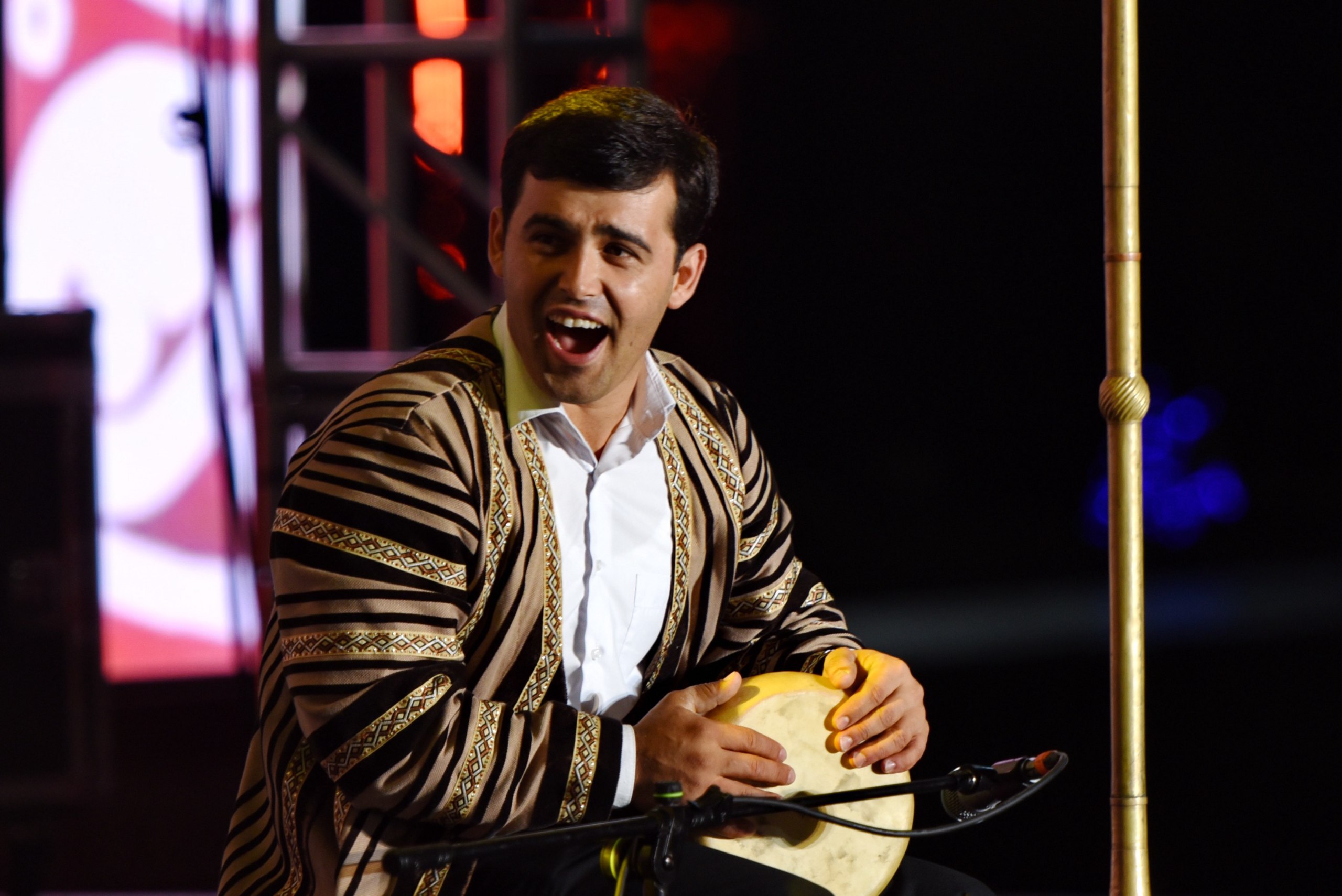
The program included an International Competition of Oral-Professional Musical Art, featuring 82 soloists and ensembles from 14 countries. The Grand Prix was awarded to the Kyrgyz ensemble Akak, while laureates included performers from Kazakhstan, Uzbekistan, Russia, South Korea, and India.

Image: TCA/Maria Malinovskaya

Image: TCA/Maria Malinovskaya

Alongside the performances, the International Council for Traditional Music and Dance (ICTMD) held a symposium attended by more than 100 scholars from 40 countries, addressing the preservation and transformation of intangible cultural heritage.

The festival concluded on August 3 with a gala concert of laureates. Deputy Chairman of the Cabinet of Ministers Edil Baisalov announced that the next Rukh Sanat will be held in Kyrgyzstan’s Jalal-Abad region in 2027.

Image: TCA/Maria Malinovskaya

Image: TCA/Maria Malinovskaya

Organizers see the festival as an important step toward strengthening Central Asia’s cultural presence on the global stage.

Kyrgyzstan’s Eduard Kubatov Conquers K2 Without Supplemental Oxygen

Eduard Kubatov, the head of Kyrgyzstan’s Mountaineering Federation, has reached the summit of K2 in Pakistan (8,611 meters), the world’s second-highest peak after Mount Everest. He accomplished the climb without supplemental oxygen, according to the Russian mountaineering club, 7 Summits Club, which congratulated him on achieving “the summit of his dreams.” The joint team from Seven Summit Treks and 14 Peaks Expedition made it to the top of K2 on August 11. Kubatov, alongside three Chinese, a Turkish mountaineer, and five Nepalese Sherpas, was climbing with a Nepal-based operation.

K2 is widely regarded as the most technically challenging mountain to climb. Its steep slopes, frequent avalanches, and unpredictable weather make it more dangerous than Everest.

“This year, K2 was rather unkind to climbers. The sieges lasted longer than usual, and it was quite possible there would be no ascents at all. Most expeditions had ended without a serious summit attempt. The strongest and most persistent remained, and fortune smiled upon them. Congratulations to our friend Eduard Kubatov on his ascent of K2, the summit of his dreams! An outstanding athlete, no less an outstanding businessman, organizer, and leader, Kubatov has headed the Mountaineering Federation of Kyrgyzstan and achieved impressive results,” 7 Summits Club said.

Kubatov is no stranger to high-altitude success. In May 2024, he summited both Lhotse and Makalu, each over 8,000 meters, without supplemental oxygen. He also became the second Kyrgyz climber to reach Everest’s summit in May 2021, following Dmitry Grekov, who first achieved the feat in 1997.

From Boom to Bust: Kyrgyzstan Grapples with Falling Birth Rate

The population of Central Asia when the Soviet Union collapsed in late 1991 and the five Central Asian republics became independent countries was some 50 million people. Thirty-four years later, the population of the region is about 80 million. However, in Kyrgyzstan, the birth rate has been declining in recent years, and it has officials confused and alarmed.

The Data

Kyrgyz parliamentary deputy Dastan Bekeshev raised the matter on August 7, noting the country has seen a steady fall in the number of babies born from 2019, when it reached a record of some 173,000, to about 140,000 in 2024. Bekeshev was responding to recently released figures from Kyrgyzstan’s National Statistics Committee that showed the birth rate for 2020 was 156,112, for 2021 it was 150,164, climbing a bit to 150,225 in 2022, then dropping to 145,977 in 2023, and 140,419 in 2024.

According to the Health Ministry’s chief specialist on demography, Raisa Asylbasheva, there are currently some 1.8 million women in Kyrgyzstan considered to be of childbearing age.

Asylbasheva said it could be cyclical and “in five years, possibly, there will be an increase.”

Bekeshev, however, has pointed out that if the trend continues, “In 15-20 years, there will be fewer young people in the country who can work, pay taxes, and provide for pensioners.”

The Reasons

Among the statistics cited on birth rate, one catches the eye immediately: the average age of a mother giving birth in Kyrgyzstan in 2024 was 28.4 years old. Traditionally, people marry young in Central Asia, and new mothers are often in their late teens or early 20s. It is not uncommon, especially in rural areas, to encounter grandmothers who are not even 40 years old.

Many factors potentially play into the reasons for this decline in birth rate, but the general consensus is that socio-economic conditions are the primary cause. Asylbasheva said young people are concentrating on their careers and choosing to marry later than was previously the case. “The literacy rate of the population is growing; young people are already planning a family, trying to create conditions for a child,” Asylbasheva explained.

Asylbasheva also mentioned that difficulties in obtaining a family-sized flat or house are causing some young couples to wait before having children.

Baktygul Bozgorpoyeva, director of the Alliance for Family Planning, said state support for young families is sorely lacking and there needs to be government programs to help mothers and fathers raise their children “from adolescence to adulthood.” According to Kyrgyzstan’s National Statistics Committee, the average monthly wage in Kyrgyzstan in 2025 is a little more than 40,000 som (about $458), though many people receive considerably less than that amount.

Kyrgyzstan’s authorities do offer some financial help. Under the “Balaga Suyunchu” (Happy for a child) scheme established in 2018, the state provides a one-time payment to parents of 4,000 som (about $46) after the birth of each child. In the event of triplets or more babies, the state gives a one-time payment of 50,000 som (about $572) for each child.

Parliamentary Deputy Bekeshev has called the Balaga Suyunchu payments “inadequate” and stated that even if parents received 100,000 som for each newborn, it would not make much difference in helping to raise the child. “There should be a [state] program,” Bekeshev said; “there must be an opportunity to provide for [children’s] future – a normal upbringing and a good education.”

In June, Deputy Chairman of the Cabinet of Ministers Edil Baisalov proposed establishing a program that provided benefits to parents until a child is three years old. Baisalov noted that 21% of children in Kyrgyzstan are in low-income families, and these children are in desperate need of more state support.

The Kyrgyz government is about to implement the “Bala Bereke” (A child is a blessing) program to encourage families living in high-altitude and remote areas of the country to have many children. The program will start on January 1, 2026, and provide a one-off payment of 100,000 som (about $1,145) upon the birth of a fourth child, 600,000 som for a fifth child, and 800,000 som for a sixth. Families will receive one million som ($11,448) for a seventh child, with the amount continuing to increase to see a family receive two million som for the birth of a tenth child.

The Neighbors

Bekeshev’s comment about the need for more children to guarantee the country has an adequate workforce and revenue from taxes in the future is not unique to Kyrgyzstan; other countries with declining birth rates are facing the same problem. However, another dilemma for Kyrgyzstan is that its immediate neighbors all have larger populations.

Kyrgyzstan’s population is some 7.3 million. China, of course, is far larger, with some 1.4 billion people, but even in China’s Xinjiang Uyghur Autonomous Region, which borders Kyrgyzstan, there are approximately 26 million people. Kazakhstan’s population is some 20.3 million, and Uzbekistan’s population is set to reach 38 million in the coming months.

However, Kyrgyz officials have more reason to watch their southern neighbor, Tajikistan, where the population is currently some 10.3 million.

Kyrgyzstan and Tajikistan signed an agreement on March 13, 2025, that aimed to end more than a decade of escalating tensions along the two countries’ border. One of the causes of these tensions was the outmigration of Kyrgyz residents from the border area, as many sought better fortunes in other areas of Kyrgyzstan or as migrant laborers in Russia and other countries. Areas of farmland and pastures for herds were left unattended in an area where both are in short supply, and in some cases, departing Kyrgyz illegally sold their land to neighboring Tajiks.

Population size has been important to all the Central Asian states since they became independent in late 1991. Inhabited settlements on the ground mark a country’s territory.

That is another reason why the declining birth rate in Kyrgyzstan is a cause for concern: the populations of Kazakhstan, Tajikistan, and Uzbekistan continue to grow. Kyrgyzstan’s population has increased by more than 70% since independence in 1991, but in Tajikistan and Uzbekistan, the two countries with which Kyrgyzstan has experienced the most problems over territorial claims, the populations have nearly doubled in that time.

Asylbasheva has said the declining birth rate might be an anomaly that will self-correct in the coming years. If the reduction is a trend, the Kyrgyz authorities will have to consider introducing new incentives and benefits for young families, but the possibilities remain limited for the cash-strapped government to convince and support people to have large families, or even more than two children.

Starlink Officially Launches in Kazakhstan

In a landmark step toward bridging Kazakhstan’s digital divide, SpaceX’s satellite internet service Starlink has officially begun operations in the country. As of today, residents and organizations across Kazakhstan can legitimately purchase and activate Starlink satellite terminals to access high-speed internet — even in the most remote regions.

From Pilot to Public Rollout

Kazakhstan’s engagement with Starlink began as early as late 2023, when the government deployed the system in a pilot phase to connect rural schools with fast broadband service. By mid‑2024, over 1,700 schools were brought online under the “Accessible Internet” national program.

On June 12, 2025, the Ministry of Digital Development, Innovation, and Aerospace Industry signed a formal agreement with Starlink, committing the company to fully comply with Kazakhstan’s information security and telecommunications laws. The agreement paved the way for the official rollout to citizens, entities, and government bodies.

Why This Matters

Kazakhstan’s vast geography and dispersed settlement patterns have long challenged conventional broadband expansion. Fiber optics and cell towers reach most urban areas – but remote pastures, mountain villages, and certain infrastructure sites remain underconnected or entirely offline.

Starlink’s low-Earth-orbit satellite constellation provides a modern solution: delivering high-speed, low-latency internet without reliance on terrestrial infrastructure. This opens avenues not only for education and healthcare in rural schools and clinics, but also for mobile services, infrastructure projects, and remote industrial operations.

Official Reactions

In June, Minister Zhaslan Madiyev highlighted the significance of this milestone: “Until today, Starlink operated in Kazakhstan in pilot mode, providing internet only in schools. Now, finally, we have reached an agreement: the company agreed to comply with all the requirements of our legislation … our citizens will be able to officially and legally connect to satellite internet.”

On Starlink’s official X account, the company announced: “Starlink’s high-speed, low-latency internet is now available in Kazakhstan!”

The deployment aligns with President Kassym‑Jomart Tokayev’s national “Accessible Internet” initiative, aiming to ensure that no region is left behind in digital connectivity.

Uzbekistan, India Boost Strategic Partnership in High-Level Call

Uzbek President Shavkat Mirziyoyev spoke with Indian Prime Minister Narendra Modi on August 12, 2025, in a telephone conversation aimed at deepening the strategic partnership between Uzbekistan and India. The two leaders discussed expanding cooperation across trade, connectivity, healthcare, technology, and cultural exchanges, with Modi describing their conversation as “fruitful.” Posting on X, Modi stated that “We reviewed the progress achieved in key areas of our bilateral cooperation and reaffirmed our shared resolve to further advance the India-Uzbekistan Strategic Partnership.”

Ahead of India’s 79th Independence Day, Mirziyoyev highlighted the longstanding friendship between the two nations. The talks underscored Uzbekistan’s growing role as a vital partner in Central Asia for India, as both countries seek to bolster regional stability and their economic development.

Since Uzbekistan’s independence in 1991, the country has steadily built ties with India, which was among the first to recognize its sovereignty. The two nations formally established diplomatic relations in 1992 and elevated their engagement with a Strategic Partnership declaration in 2011. Uzbekistan has hosted several visits by Modi, most recently in September 2022, when he participated in the 22nd SCO summit held in Samarkand. Mirziyoyev has visited India on two occasions.

Uzbekistan plays a central role in Central Asian connectivity initiatives such as the China–Kyrgyzstan–Uzbekistan railway project, enhancing trade routes and regional cooperation. It is also exploring collaboration with India in healthcare and technology, alongside efforts to promote cultural and educational exchanges that strengthen ties between their peoples.

Bilateral economic ties are steadily growing, with trade between India and Uzbekistan reaching approximately $756.6 million in 2023, up from $444.2 million in 2020. Indian exports include pharmaceuticals, machinery, and food products, while Uzbekistan supplies fruits, fertilizers, and textiles. More than 300 Indian companies now operate in Uzbekistan, encouraged by a new Bilateral Investment Treaty signed in 2024, which is aimed at boosting joint ventures in healthcare, IT, and tourism. Both governments have signaled their intent to diversify into renewable energy, agriculture, and hospitality.

Connectivity is a key pillar of the partnership. Uzbekistan is working with India on projects like the International North–South Transport Corridor and seeking operational access to Iran’s Chabahar Port, which would give Tashkent a direct route to the Indian Ocean.

Security and defense cooperation have intensified since the creation of the Joint Working Group on Defense in 2019. The two countries hold the annual Dustlik military exercises, alternating between India and Uzbekistan, to strengthen counter-terrorism and urban warfare capabilities. The sixth edition was held in Pune from April 16–28, 2025, underscoring growing interoperability between the two militaries. Uzbek forces regularly train at Indian military academies, and discussions are underway on defense industry collaboration.

Cultural and educational ties also remain vibrant. Bollywood and Indian music enjoy enduring popularity in Uzbekistan. Around 10,000 Indian students now study across Uzbek institutions, particularly in medicine. On the tech side, ministers agreed this year to launch an India–Central Asia Digital Partnership Forum, with Uzbekistan offering to host the inaugural meeting, linking India’s digital public infrastructure experience with Central Asia’s modernization drive.

This latest dialogue marks another step in Uzbekistan’s journey to diversify partnerships and assert its strategic importance in the region.