• KGS/USD = 0.01144 0%
  • KZT/USD = 0.00218 0%
  • TJS/USD = 0.10663 0.38%
  • UZS/USD = 0.00008 0%
  • TMT/USD = 0.28530 0%
  • KGS/USD = 0.01144 0%
  • KZT/USD = 0.00218 0%
  • TJS/USD = 0.10663 0.38%
  • UZS/USD = 0.00008 0%
  • TMT/USD = 0.28530 0%
  • KGS/USD = 0.01144 0%
  • KZT/USD = 0.00218 0%
  • TJS/USD = 0.10663 0.38%
  • UZS/USD = 0.00008 0%
  • TMT/USD = 0.28530 0%
  • KGS/USD = 0.01144 0%
  • KZT/USD = 0.00218 0%
  • TJS/USD = 0.10663 0.38%
  • UZS/USD = 0.00008 0%
  • TMT/USD = 0.28530 0%
  • KGS/USD = 0.01144 0%
  • KZT/USD = 0.00218 0%
  • TJS/USD = 0.10663 0.38%
  • UZS/USD = 0.00008 0%
  • TMT/USD = 0.28530 0%
  • KGS/USD = 0.01144 0%
  • KZT/USD = 0.00218 0%
  • TJS/USD = 0.10663 0.38%
  • UZS/USD = 0.00008 0%
  • TMT/USD = 0.28530 0%
  • KGS/USD = 0.01144 0%
  • KZT/USD = 0.00218 0%
  • TJS/USD = 0.10663 0.38%
  • UZS/USD = 0.00008 0%
  • TMT/USD = 0.28530 0%
  • KGS/USD = 0.01144 0%
  • KZT/USD = 0.00218 0%
  • TJS/USD = 0.10663 0.38%
  • UZS/USD = 0.00008 0%
  • TMT/USD = 0.28530 0%

Middle Corridor Countries Approve 2026 Plan, Focus on Digitalization and Container Growth

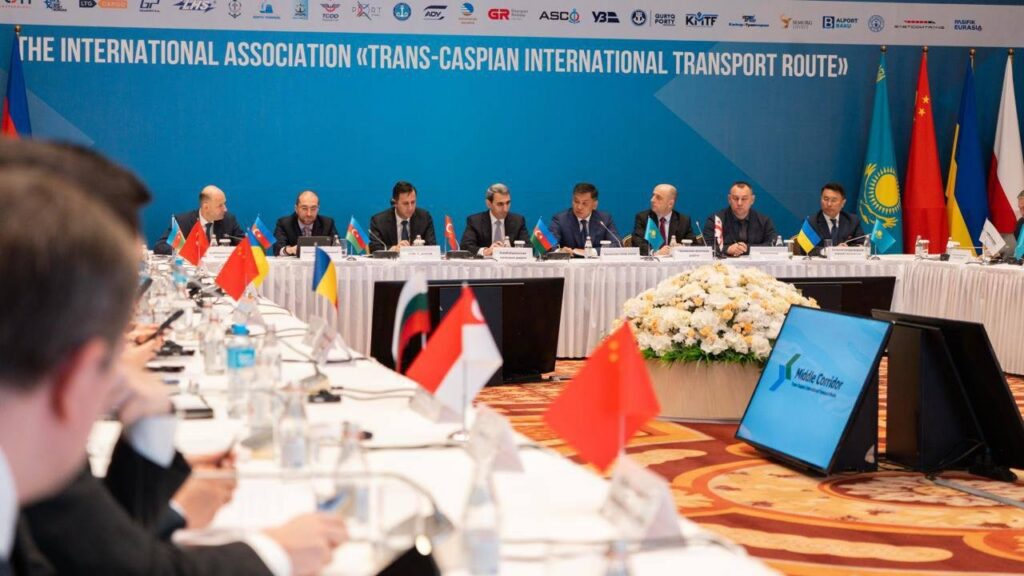
On April 24, Astana hosted a meeting of the Board and General Assembly of the international association “Trans-Caspian International Transport Route.”

The Trans-Caspian International Transport Route (TITR), also known as the Middle Corridor, is a multimodal transport corridor linking China and Europe through Central Asia and the South Caucasus, offering an alternative to routes that pass through Russia.

The meetings were attended by representatives of TITR member countries, Kazakhstan, China, Azerbaijan, Georgia, and Turkey, as well as participants from several European countries, including Ukraine, Bulgaria, and Romania, and international partners such as Singapore.

The participating countries approved a detailed work plan for 2026, with a key focus on the digitalization of transport processes. Participants agreed to implement electronic document management using digital signatures and to establish direct data exchange between customs authorities and other stakeholders involved in cargo transportation. According to Kazakhstan’s national rail company, Kazakhstan Temir Zholy (KTZ), these measures are expected to reduce transit times and improve transparency along the route.

The plan also envisages an increase in container traffic, including the transit of 600 container trains from China through Kazakhstan this year. Coordination between ports and terminals on the Caspian Sea will also be strengthened. Overall, the plan is aimed at reinforcing the TITR as a key transit corridor between Asia and Europe.

In the first quarter of 2026, Kazakhstan recorded a significant increase in container train traffic along the TITR, underscoring the country’s growing role in Eurasian logistics. A total of 125 container trains transited through Kazakhstan via the corridor, marking a 34.4% increase compared to the same period in 2025.

As previously reported by The Times of Central Asia, freight volumes transported along the Middle Corridor through Kazakhstan have grown more than fivefold over the past seven years, increasing from 0.8 million tonnes to 4.5 million tonnes annually.

Ukrainian Ambassador to Kazakhstan: From Chornobyl to Zaporizhzhia – Lessons Humanity Risks Forgetting

April 26 marks a date that changed the course of world history. This year marks the 40th anniversary of the Chornobyl nuclear disaster, one of the world’s worst nuclear accidents, the consequences of which are still felt today.

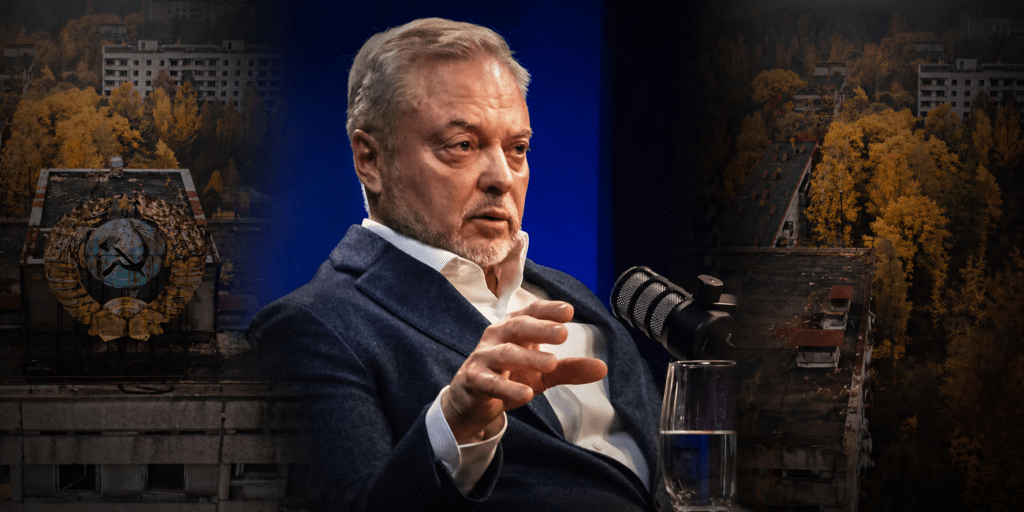
In an interview with The Times of Central Asia, Ukraine’s Ambassador Extraordinary and Plenipotentiary to Kazakhstan, Victor Mayko, spoke about the scale of the tragedy and emerging threats to nuclear safety.

TCA: Forty years have passed. Why does Chornobyl remain a relevant issue today?

Ambassador Mayko: Because it is not a story that has ended. It is an ongoing process, the consequences of which continue to unfold. Chornobyl is not only the explosion of a reactor; it is the long-term impact on people, nature, and the economy. In terms of scale, it is, without exaggeration, the largest manmade disaster in human history.

TCA: What exactly defines that scale?

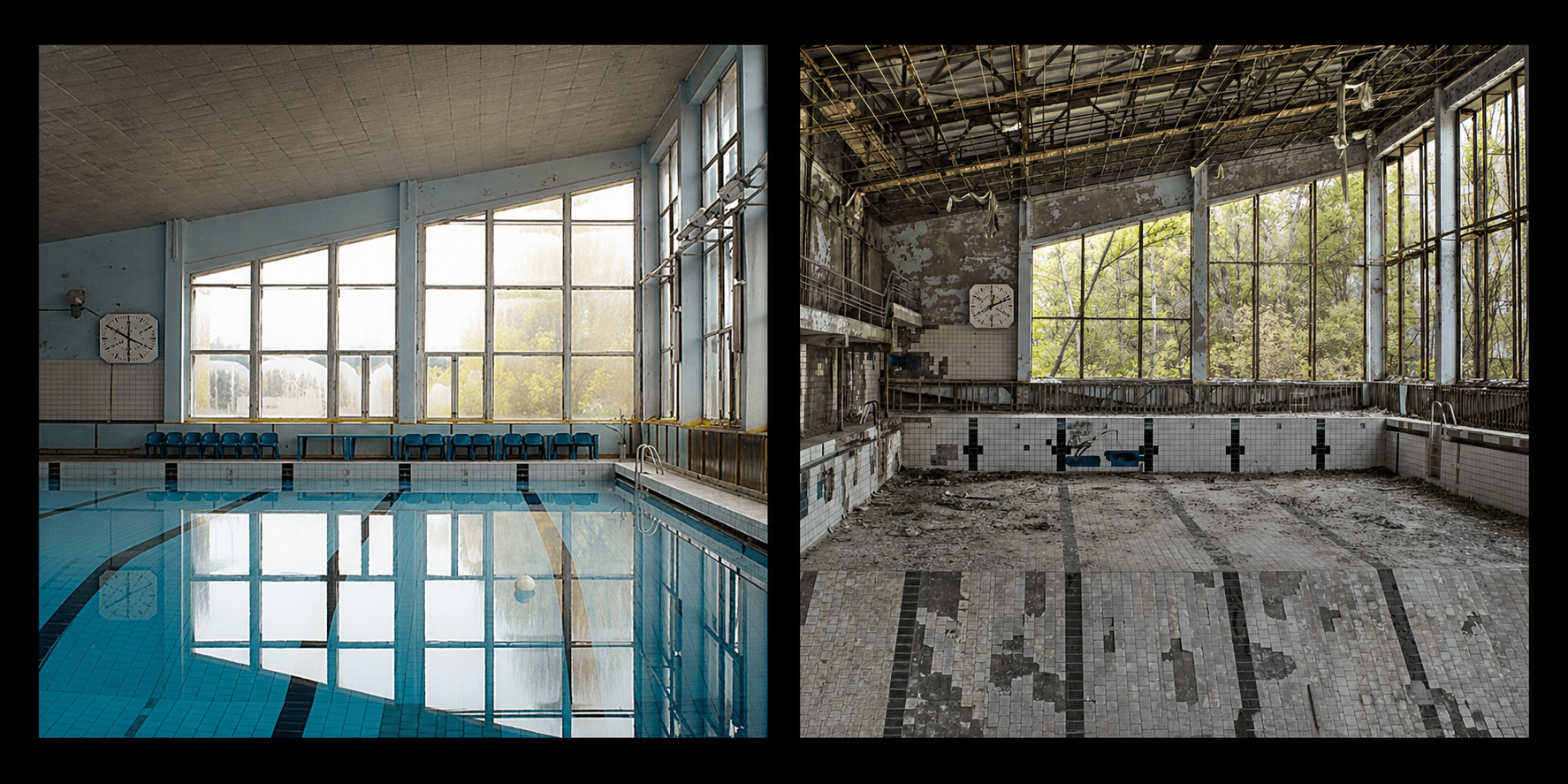
Ambassador Mayko: First and foremost, the territory. Around 150,000 square kilometers were contaminated. The most dangerous area is the 10-kilometer zone. Isotopes were recorded there that had not previously been observed; they were formed as a result of processes during the explosion.

According to estimates, this territory will only become suitable for habitation in about 20,000 years, once the decay of radioactive isotopes reaches safe levels.

These were fertile lands, chernozem soils suitable for agriculture. Today, the area is a protected zone, essentially a vast natural reserve where wild animals live. But this is a forced outcome.
TCA: As far as we know, you were personally a liquidator. What did you witness?

Ambassador Mayko: I was sent there through mobilization. I spent almost a month at the plant, in two rotations. I saw people working on the reactor roof, clearing debris and removing radioactive materials. These were difficult, frightening scenes. People went there understanding the risk, but not always fully realizing its scale.

TCA: How many people were affected?

Ambassador Mayko: We still don’t know the exact figures. The Soviet system concealed information. I believe the immediate death toll was at least 10,000. But if we include those who later died from radiation-related illnesses, thyroid cancer, stomach cancer, and others, the number rises into the hundreds of thousands.

In total, around 600,000 people took part in the cleanup. That is an enormous figure.

TCA: Why was information about the accident concealed for so long?

Ambassador Mayko: Because the system was built that way. Until the radioactive cloud moved beyond the borders of the USSR, there was silence. Only when elevated radiation levels were detected in Sweden, Finland, and the United Kingdom did international inquiries begin. Then the Soviet Union was forced to acknowledge the accident.
TCA: How did this affect people in the first days?

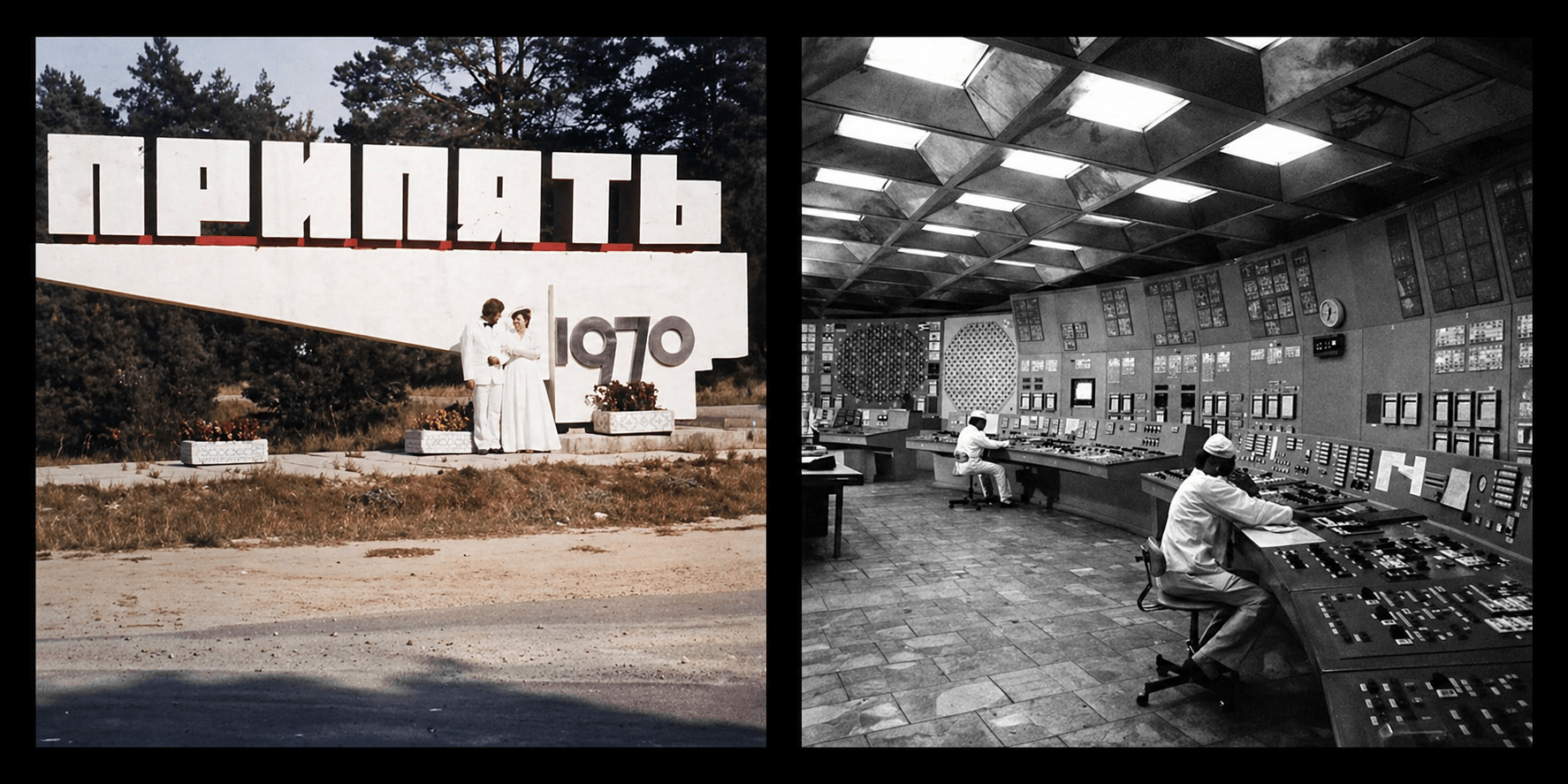
Ambassador Mayko: People continued living their normal lives. On May 1, there was a public demonstration. I was there myself with my family, with a small child. No one warned us about the danger. Many felt throat irritation and coughing, but didn’t understand the cause. If people had been informed in time to close windows and stay indoors, it would have been possible to reduce the impact. But that didn’t happen.

TCA: Was there panic?

Ambassador Mayko: It was more fear of the unknown. People didn’t understand what radiation was. Of course, many tried to take their children away. But over time, the situation stabilized. There was no mass panic; rather, anxiety that gradually faded as more information became available.

TCA: How do you assess the role of the liquidators?

Ambassador Mayko: They are heroes, without exaggeration. They saved millions of lives. If not for their actions, the consequences could have been far worse. People worked without fully understanding the level of the threat, but they carried out their task.

TCA: What is happening today at the Chornobyl plant?

Ambassador Mayko: After the accident, a sarcophagus was built, a complex engineering structure designed to isolate the destroyed reactor and prevent radiation leaks. It was an international project that cost billions.

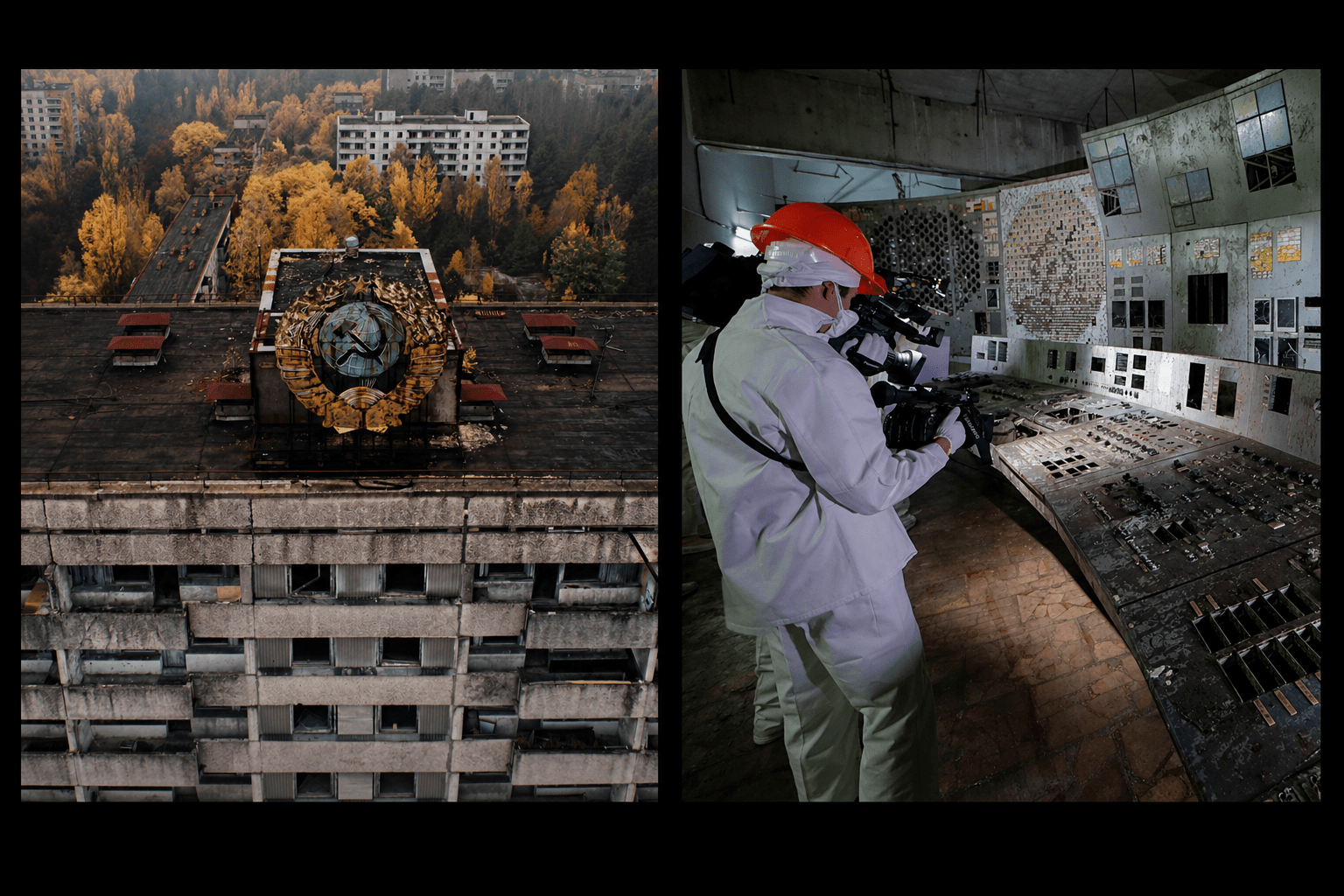
Today, however, its integrity has been compromised. The structure was not designed for military activity. Following a strike by a Russian drone, it sustained serious damage. Now it is no longer simply a question of repair, but of potentially replacing the structure entirely. This presents a serious risk. Any loss of containment is a threat, especially given the structure’s age.

TCA: Much is being said today about the Zaporizhzhia Nuclear Power Plant. How alarming is the situation there?

Ambassador Mayko: Very alarming. The Zaporizhzhia Nuclear Power Plant is the largest nuclear facility in Europe. It is currently under the control of Russian forces and, according to available information, has been mined.

This in itself is unprecedented. There have also been instances when the plant lost external power supply and, therefore, cooling capacity for the reactors. This is a critical risk factor.
TCA: What consequences could this lead to?

Ambassador Mayko: According to some experts, a potential accident at Zaporizhzhia could be several times larger than Chornobyl. Some estimates suggest “up to 100 Chornobyls.” This would put all of Europe and a significant part of Asia at risk.

TCA: Can we say that humanity has learned the lessons of Chornobyl?

Ambassador Mayko: Partially but not fully. We see that even today issues of nuclear safety can be neglected.

The main lesson is that political interests must never be placed above human safety.

The second is transparency: information must be shared immediately, without concealment. And the third is memory. While witnesses are still alive, their stories must be heard and preserved. Only then can we hope to prevent such tragedies in the future.

Astana to Host International AI Film Festival

Astana will host the Astana AI Film Festival (AAIFF 2026) this autumn an international event dedicated to films created using artificial intelligence.

The festival will focus on the growing influence of AI on the creative industries. Its central feature will be an international competition of short films produced using AI technologies, according to the Creative Industries Alliance of Kazakhstan.

Speaking at an awards ceremony for the Alem.ai Battle and AI Governance Cup competitions, President Kassym-Jomart Tokayev said the festival reflects a “fundamental shift” in the development of the creative sector. According to him, AI is transforming the nature of creativity, opening new forms of expression and lowering barriers for creators.

At the same time, Tokayev acknowledged more cautious views suggesting that AI could reshape, or even displace, traditional segments of the creative industries. In this context, he stressed the importance of adapting in a timely manner to emerging technological trends.

The festival is expected to serve as a platform for showcasing innovative approaches to filmmaking and promoting Kazakh creative projects internationally. Applications for participation are set to open in May.

The announcement comes amid broader efforts by Kazakhstan to develop AI. The Times of Central Asia previously reported plans to establish an AI fund backed by the National Bank, aimed at financing key digital projects and educational programs.

Fuel Prices Surge in Tajikistan Amid Middle East Conflict

Fuel prices at gas stations in Dushanbe have risen sharply since early March, increasing on average by 8-9%. The increase has been driven by domestic factors as well as adverse developments in the global energy market.

The most widely used AI-92 gasoline has risen in price from $1.05 to $1.13 per liter. Diesel has followed a similar trend, increasing from $1.14 to $1.24 per liter. Prices for liquefied petroleum gas (LPG) have risen more modestly, by about 6%, to $0.62 per liter. Prices also vary by location, with drivers noting that fuel in central Dushanbe is traditionally more expensive than in outlying areas.

Suppliers attribute the increases to higher prices from producers, but the situation largely depends on external supply chains. Russia remains the primary source of petroleum products for Tajikistan. In 2025, the country imported more than 1.2 million tonnes of fuel and LPG from Russia, accounting for over 70% of total imports. Supplies also come from Kazakhstan, Uzbekistan, and Turkmenistan, though their share is significantly smaller.

According to official statistics, Tajikistan imported more than 325,000 metric tons of petroleum products in the first quarter of this year, valued at over $251 million, or approximately $772 per metric ton. Compared with the same period last year, import volumes increased by 11.4%, while their total value rose by 8.6%.

Experts say external factors are the main driver of rising prices. They point to international media reports that the conflict involving the United States, Israel, and Iran has triggered a chain reaction in the fuel market, affecting the supply chain from crude oil to refining and retail prices. A key factor has been disruption in the Strait of Hormuz, through which roughly 20% of global oil supplies pass.

At the same time, price trends have varied significantly across countries. Al Jazeera reported that fuel prices rose by nearly 70% in Cambodia, 50% in Vietnam, 35% in Nigeria, 33% in Laos, and 28% in Canada.

In Central Asia, however, price increases have been more moderate, ranging from 2% to 5% in March and April. In Uzbekistan and Turkmenistan, prices have remained largely stable, which analysts attribute to pricing policies by Russian producers and the availability of domestic fuel supplies.

Uzbekistan and Azerbaijan Plan New Parks in Tashkent and Baku

Uzbekistan and Azerbaijan have agreed to establish new public parks in each other’s capitals as part of broader efforts to expand bilateral cooperation, Uzbekistan’s Ministry of Investment, Industry and Trade has reported.

The announcement followed an official visit to Azerbaijan from April 22 to 24 by a delegation led by Minister Laziz Kudratov. During the trip, talks were held with Azerbaijan’s Ministry of Economy and senior executives from major companies on joint projects and future cooperation.

According to the ministry, both sides identified several priority areas, including mining, construction materials, transport and logistics, urban planning, agriculture, and pharmaceuticals. Particular attention was given to plans to create an “Uzbekistan” park in Baku and an “Azerbaijan” park in Tashkent, alongside expanding pharmaceutical retail networks and developing fruit and vegetable processing projects.

Trade between the two countries has been growing steadily. In 2025, bilateral trade turnover reached $307.3 million, marking a 14.6% increase compared to the previous year, the ministry said.

The Times of Central Asia previously reported that trade rose by 25% in 2024, while the number of joint ventures approached 300, with a combined project portfolio valued at around $4 billion. The two countries have set a target of increasing annual trade and investment to $1 billion by 2030, supported by a comprehensive cooperation program covering sectors such as industry, infrastructure, agriculture, healthcare, tourism, and banking.

Progress has also been noted in transport and energy cooperation. Both sides highlighted growing cargo volumes along the Trans-Caspian International Transport Route, also known as the Middle Corridor. Uzbek shipments along the route increased by 25% in 2024, exceeding one million tonnes, aided by the introduction of a new electronic permit system.

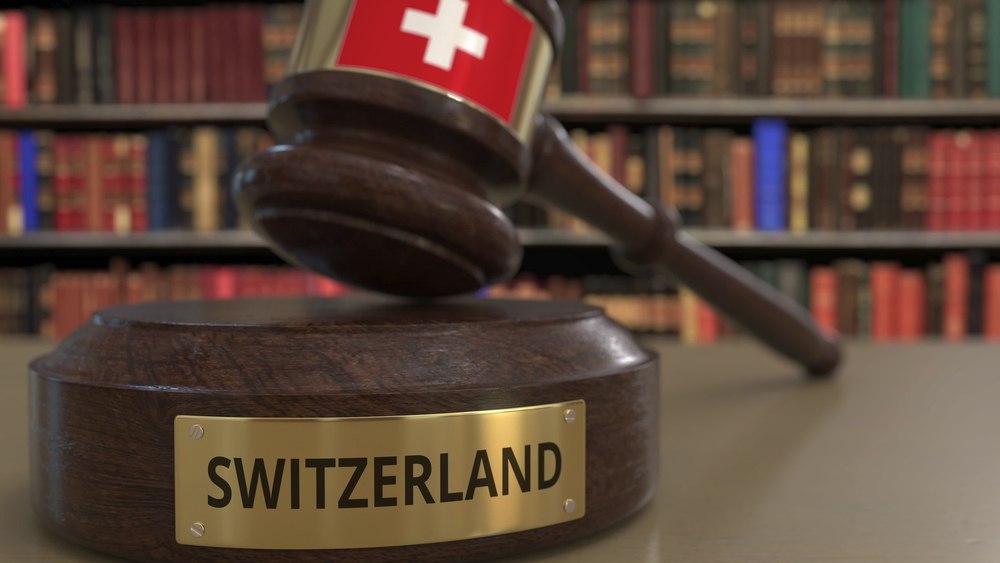
Swiss Court Opens Long-Running Case Against Gulnara Karimova

A large-scale corruption case involving Gulnara Karimova, the daughter of Uzbekistan’s last president Islam Karimov, is set to go to trial on April 27 at the Federal Criminal Court in Bellinzona, Switzerland, according to a Finews report and official Swiss sources. The proceedings mark a significant step in a case that has spanned nearly two decades.

The case centers on allegations by Switzerland’s Office of the Attorney General (OAG), which claims that Karimova built and operated a network referred to as the “Office.” According to prosecutors, the group extorted bribes from international telecommunications companies seeking access to the Uzbek market. The alleged activities date back to the late 2000s.

The investigation formally began in 2012, when Swiss authorities opened criminal proceedings against Karimova and a business associate. They face accusations including corruption, participation in a criminal organization, and money laundering. In 2015, the probe expanded to include a former banker at Lombard Odier in Geneva, accused of managing accounts linked to the network between 2008 and 2012.

While the bank itself is not charged with direct wrongdoing, the court is examining whether it fulfilled its obligations to prevent financial misconduct. Under Swiss law, this falls under corporate criminal liability. Similar cases have previously led to penalties against institutions such as Credit Suisse and Banque Pictet & Cie.

One of the most notable aspects of the case is its length and complexity. Although the alleged offenses date back more than 15 years, proceedings were only consolidated in May 2025, when the court merged separate investigations that had been handled independently for years.

The case has also involved unusual procedural steps. In early 2026, Swiss judges traveled to Tashkent to question Karimova, who has been imprisoned there since 2014. According to reports, the questioning took place under strict conditions, with questions relayed through Uzbekistan’s Prosecutor General’s Office rather than asked directly. These limitations have raised concerns among legal experts about whether the testimony meets Swiss evidentiary standards.

Further uncertainty surrounds the trial itself. It remains unclear whether the main defendants will appear in court. Karimova is not expected to attend in person due to her imprisonment, and the whereabouts of her co-defendant have not been confirmed.

Swiss authorities note that cases of this kind are often resolved through penal orders without a full trial. However, in this instance, the OAG has opted for court proceedings, indicating that key facts remain contested. The trial is expected to examine both the allegations and the conduct of the investigation, though its outcome remains uncertain.