• KGS/USD = 0.01144 0%
  • KZT/USD = 0.00194 -0%
  • TJS/USD = 0.10834 -0.09%
  • UZS/USD = 0.00008 0%
  • TMT/USD = 0.28490 0%
  • KGS/USD = 0.01144 0%
  • KZT/USD = 0.00194 -0%
  • TJS/USD = 0.10834 -0.09%
  • UZS/USD = 0.00008 0%
  • TMT/USD = 0.28490 0%
  • KGS/USD = 0.01144 0%
  • KZT/USD = 0.00194 -0%
  • TJS/USD = 0.10834 -0.09%
  • UZS/USD = 0.00008 0%
  • TMT/USD = 0.28490 0%
  • KGS/USD = 0.01144 0%
  • KZT/USD = 0.00194 -0%
  • TJS/USD = 0.10834 -0.09%
  • UZS/USD = 0.00008 0%
  • TMT/USD = 0.28490 0%
  • KGS/USD = 0.01144 0%
  • KZT/USD = 0.00194 -0%
  • TJS/USD = 0.10834 -0.09%
  • UZS/USD = 0.00008 0%
  • TMT/USD = 0.28490 0%
  • KGS/USD = 0.01144 0%
  • KZT/USD = 0.00194 -0%
  • TJS/USD = 0.10834 -0.09%
  • UZS/USD = 0.00008 0%
  • TMT/USD = 0.28490 0%
  • KGS/USD = 0.01144 0%
  • KZT/USD = 0.00194 -0%
  • TJS/USD = 0.10834 -0.09%
  • UZS/USD = 0.00008 0%
  • TMT/USD = 0.28490 0%
  • KGS/USD = 0.01144 0%
  • KZT/USD = 0.00194 -0%
  • TJS/USD = 0.10834 -0.09%
  • UZS/USD = 0.00008 0%
  • TMT/USD = 0.28490 0%
10 December 2025

Kazakhstan Takes the Initiative: Delegation Planning to Head to U.S. to Tackle Trump Tariffs

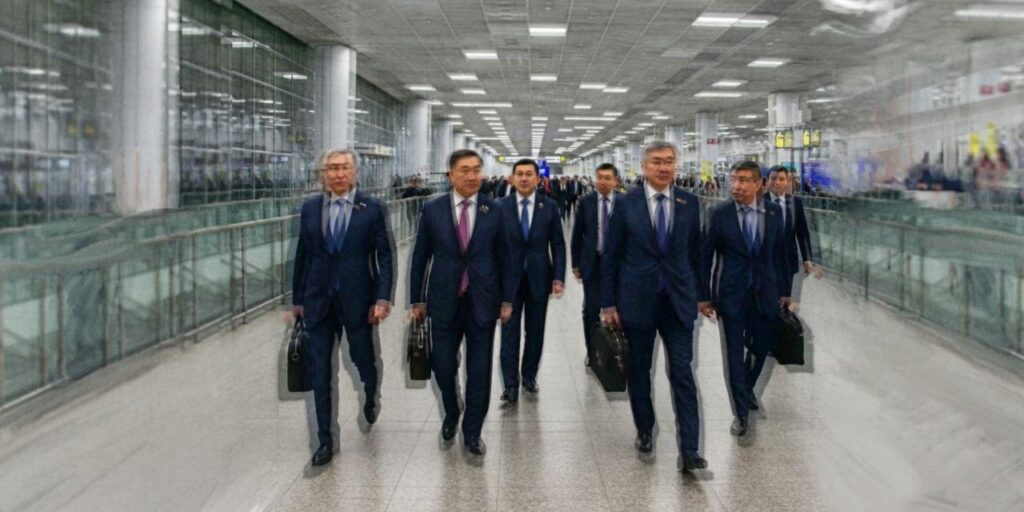
Deputy Minister of Trade and Integration Zhanel Kushukova has announced Kazakhstan’s decision to send a high-level delegation to the United States for consultations on import duties, marking a proactive step to address trade challenges and strengthen economic ties. This move comes amid heightened tensions in global trade after sweeping tariffs were unveiled by U.S. President Donald Trump, including a significant 27% duty on Kazakh goods. The delegation aims to foster dialogue on reducing trade barriers, advocate for the equitable treatment of exports, and explore exceptions for certain goods. No date has been set for the visit yet.

The decision demonstrates Kazakhstan’s commitment to bolstering its position as a key player in international trade. The targeted discussion will focus on sensitive issues, including tariffs impacting industries such as crude oil, uranium, silver, and ferroalloys, which, as noted by the Ministry of Trade and Integration, “constitute 92% of total exports.” As previously reported by The Times of Central Asia, while these goods might qualify for exemptions under U.S. regulations, the higher tariff symbolizes a broader challenge for Kazakhstan in its response to navigating the evolving trade landscape.

Context of Trump’s Tariff Policy

The 27% tariff imposed on Kazakhstan stands out as by far the highest targeting Central Asia, where neighboring Uzbekistan, Turkmenistan, Tajikistan, and Kyrgyzstan will face a 10% baseline duty. Billed as addressing trade imbalances and protecting U.S. industries – though the methodology behind the administration’s calculations has baffled many analysts – Trump’s tariff regime has introduced a layered system targeting a raft of nations. While China has been hit hardest, with seemingly ever-increasing duties now standing at a dizzying 145%, even smaller economies such as impoverished Cambodia (49%) and Laos (48%) have been caught in the crossfire, raising concerns about disproportionate impacts on developing nations.

While Trump stepped back from the brink on April 9, announcing a 90 day pause for the majority of countries before doubling down on China, companies such as Apple – the world’s most valuable publicly listed company – had already experienced a fall in market capitalization of more than $300 billion on the day after the policy was announced, its’ worst single-day drop since 2020. Amidst a slump in markets globally, meanwhile, U.S. Federal Reserve chair, Jerome Powell, has warned that Trump’s tariffs will hit the U.S. economy and lead to rising prices.

Economists have noted the potential ripple effects of tariffs on global markets, with fears of supply chain disruptions and stagflation growing. For Kazakhstan, a resource-rich economy striving to diversify beyond its traditional oil and mining industries, the heightened duties could dampen its exports while complicating efforts to attract foreign investment. However, analysts such as Rasul Rysmambetov have argued that Kazakhstan’s relatively small share in global trade may shield it from significant fallout, with the tariff largely “symbolic” in nature.

Opportunities Amid Challenges

Despite these challenges, Kazakhstan is attempting to leverage the situation to advance its diplomatic and economic strategies, with the country’s Ministry of Trade and Integration working to secure specific exemptions for strategic materials, which remain essential for U.S. industries. Recent discoveries, such as a major rare earth deposit in the Karaganda region, could further enhance Kazakhstan’s appeal as a source for critical minerals, strengthening its bargaining position in negotiations with Washington. In terms of rare earth elements (REEs) – critical in the production of a huge range of high-tech products from catalytic converters to smartphones and cars – China currently dominates their global mining and refining, leading to calls for U.S. diversification of global supply chains, particularly towards Central Asia.

U.S. officials have previously expressed their interest in collaborating with Kazakhstan, especially in sectors such as energy, telecommunications, and rare earth metals. Statements from the U.S. State Department and recent discussions between key diplomats have underscored a mutual interest in deepening ties. This aligns with Kazakhstan’s strategy of pursuing a multi-vector, balanced foreign policy that emphasizes engagement with global players whilst establishing itself as a middle power.

Global Trade Implications

The Trump administration’s tariff policy has sparked a global backlash, with European Commission President Ursula von der Leyen condemning the move as harmful to the international economy, particularly for vulnerable nations. The EU was busy courting regional leaders at the recent first EU-Central Asia summit in Samarkand, where a $13.2 billion package was pledged.

For Kazakhstan, the heightened tariffs come at a crucial juncture as it seeks to redefine its economic trajectory. Proactive engagement with the U.S. through consultations reflects its determination to secure a favorable outcome and maintain its standing in the global market. While uncertainties linger, Kazakhstan’s approach highlights the importance of diplomacy and adaptability in navigating the complexities of modern trade dynamics.

Developments around tariffs and trade negotiations hold significant implications not just for Kazakhstan but for global markets in general. Whether these consultations yield immediate results or serve as a foundation for future cooperation, they signal Kazakhstan’s intent to remain an active and influential actor on the world stage.

TRNC President Urges Central Asia to Tread Carefully on Cyprus in EU Deals

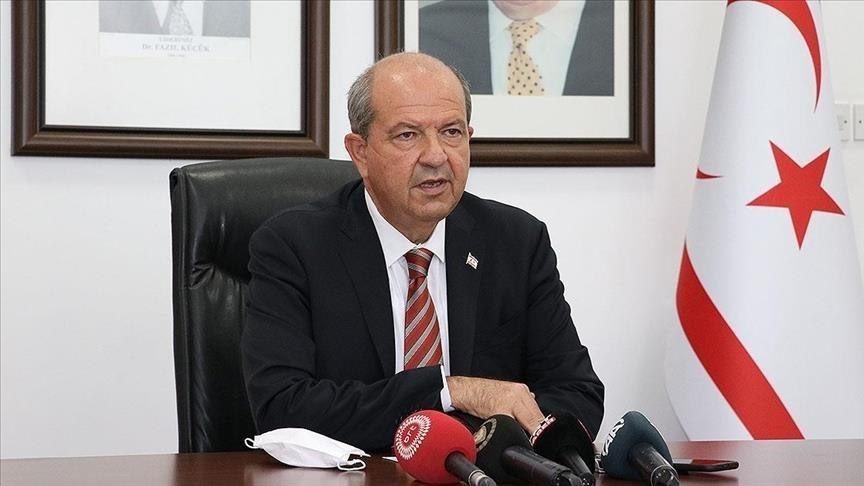
Ersin Tatar, President of the Turkish Republic of Northern Cyprus (TRNC), has urged Central Asian nations to exercise caution in their dealings with the European Union, particularly regarding the Cyprus issue. His remarks were reported by Anadolu Agency during a recent meeting with representatives of the Association of Turkish Travel Agencies (TÜRSAB).

Tatar acknowledged that it is “understandable” for Central Asian countries to cooperate with the EU in pursuit of their national interests. “These countries have various projects and partnerships with the EU, especially in trade and development. That’s normal,” he said. “But I believe the Turkish states should be more careful in their relations with the Greek Cypriot side.”

Turkic Solidarity and the Role of TRNC

Highlighting the cultural and linguistic connections among Turkic nations, Tatar highlighted the importance of maintaining solidarity within the Organization of Turkic States (OTS), where the TRNC has held observer status since 2022. “The TRNC values its growing relationship with member states such as Kazakhstan, Uzbekistan, Kyrgyzstan, and Turkmenistan,” he said.

Tatar expressed concern that recent EU overtures toward Central Asia could be aimed at limiting the TRNC’s engagement in the Turkic bloc. “The EU, which showed little interest in the region before, is now making deals. This raises questions,” he noted.

Cyprus Issue and EU Documents

Reaffirming the Turkish Cypriot stance on the Cyprus issue, Tatar reiterated support for a two-state solution and called on Turkic nations to extend the same diplomatic openness to Northern Cyprus as they do to the internationally recognized Greek Cypriot administration.

“Our expectation is that they treat us with the same openness they show to the Greek Cypriots,” he said, warning that EU documents may contain references to UN resolutions on Cyprus that could be misinterpreted. “Do they really know what those articles mean and what consequences they might have?” he asked.

Central Asia-EU Relations on the Rise

Tatar’s comments follow the recent EU-Central Asia Summit in Samarkand, held on April 3-4, which marked a new chapter in regional cooperation. The summit culminated in the signing of the Samarkand Declaration, underscoring the intent to build a strategic partnership between the two regions.

“Over the past seven years, the trade turnover between Central Asian countries and the EU has quadrupled, amounting to 54 billion euros,” said Uzbek President Shavkat Mirziyoyev in remarks to Euronews. European Commission President Ursula von der Leyen also welcomed the shift, stating, “The EU and Central Asia are becoming closer partners, and this summit marks the beginning of a new phase in our cooperation.”

Restrained Optimism in Kazakhstan’s Book Market

Kazakhstan’s book market remains in a formative stage, according to optimistic voices in the publishing industry. However, the average Kazakhstani still spends far less on books annually than readers in the United States.

Optimists Organize Exhibitions

Astana will host the 8th Astana Eurasian Book Fair from April 23-27. Organizers promise one of Central Asia’s largest literary events, featuring 70 companies from Kazakhstan, Russia, Turkey, Iran, Uzbekistan, Spain, Portugal, and China, including publishing houses, booksellers, academic institutions, and printers.

The Kazakhstani publishing house behind the event is especially upbeat. It plans to accelerate its domestic expansion and grow both sales and its catalog. In 2023, the publisher released 243 projects, approximately 90% of them in Kazakh, according to RegTV.

Real Demand Remains Modest

Despite this optimism, national statistics suggest a slow uptick in reading interest. In 2024, the volume of services provided by publishing companies increased by just 0.8% year-on-year, according to the Bureau of National Statistics. Much of that figure still reflects newspaper and periodical printing. Textbooks continue to dominate sales, KazTAG reports.

Spending data further illustrates the challenge: the average Kazakhstani spends about $3 per year on books, while Russians spend five times as much, according to Spik.kz.

Though a third of the population holds library cards, usage statistics are unclear. A 2023 survey by the AMANAT Institute of Public Policy found that only 26.5% of respondents had read at least one book in the previous year. More than half cited a lack of time (52%), while over one-fifth (21.4%) simply said they did not enjoy reading. Among those who did read, the national average was five books per year. Top reading regions include East Kazakhstan (10.6 books), North Kazakhstan (6.95), and Akmola (6.34), while Shymkent (3.8), Ulytau (3.7), and Zhetysu (3.59) ranked lowest, according to Azattyq Rýhy.

More than 80% of published titles are textbooks or teaching aids. Markups at retail locations range from 60% to 100%. Comparatively, annual reading averages in France and Canada are 17 books, in the U.S. 12, and in South Korea 11.

In the Shadow of the Russian Market

Roughly 90% of books sold in Kazakhstan are printed abroad. In 2022 alone, imports from Russia totaled $14.7 million. This dependence hinders the domestic industry’s development, experts argue. Russian e-books cost just a few dollars, while Kazakhstani publications may sell for $20-$30.

Writer Bakhytzhan Bukarbai has warned that Russian publishers, facing international sanctions over the war in Ukraine, are relocating to Kazakhstan and dominating the market. “The state must protect its own publishing industry. Protectionism should work to support Kazakhstani publishers,” he told Kursiv.

A study by Orda.kz found that Kazakh-language e-books remain underrepresented and often overpriced, unless they are reprints of classics like those by the celebrated writer Abai. However, such titles are already widespread in most households, and readers are seeking new material.

High production costs, exacerbated by reliance on imported paper and materials from Russia and China, contribute to the pricing issue. Kazakhstan also lacks robust self-publishing platforms and a developed literary criticism ecosystem.

Still, some Kazakh-language titles consistently perform well. These include Abai’s Words of Edification, historical novels by Ilyas Esenberlin, and works by Olzhas Suleimenov and Dulat Isabekov. New bestsellers often orbit these classics, such as recent studies by historian Radik Temirgaliev, as well as children’s, ethnographic, and biographical literature, according to Esquire Kazakhstan.

$85 Million Breeding Farm Project to Boost Kazakhstan’s Poultry Industry

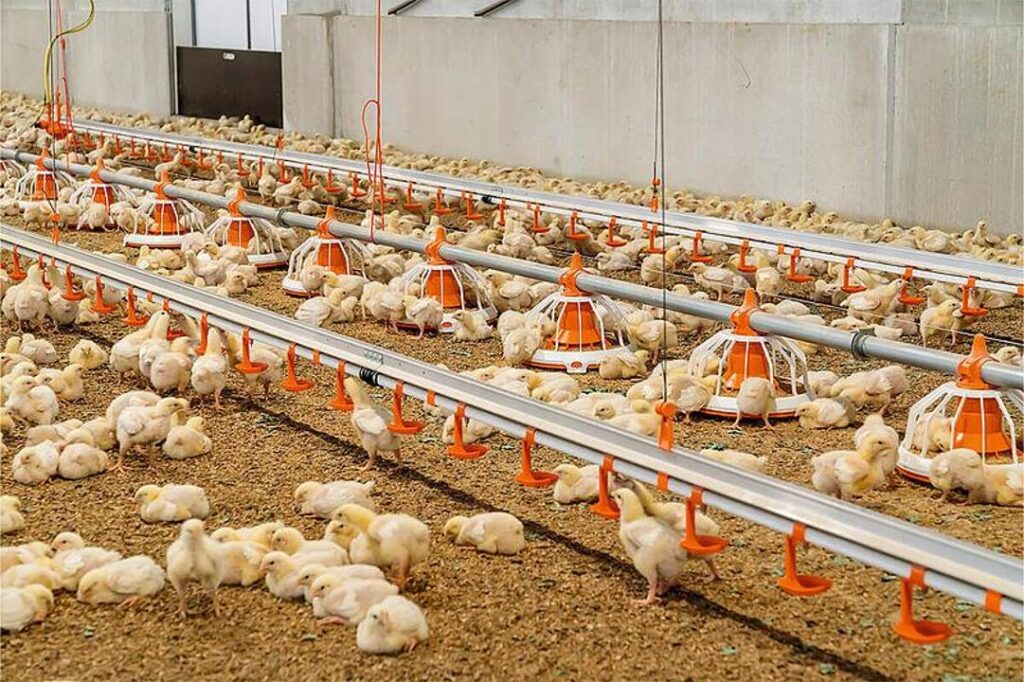
Jordan’s Alhusaini Group has announced plans to invest $85 million in the construction of a state-of-the-art breeding poultry farm in Kazakhstan. With a projected production capacity of up to 100 million hatching eggs per year, the facility will significantly enhance the country’s poultry sector. Construction is scheduled to begin in 2025 and will be completed in stages through 2029.

The project was discussed during an April 16 meeting between Kazakhstan’s Minister of Agriculture, Aidarbek Saparov, and representatives of Alhusaini Group, according to a government statement.

A Strategic Boost for Agro-Industry

The new facility is expected to play a key role in strengthening Kazakhstan’s food security and export potential. Approximately 70% of the farm’s production will be allocated for the domestic market, with the remaining 30% designated for export.

Minister Saparov highlighted the strategic importance of the project for Kazakhstan’s agro-industrial development and reaffirmed the government’s commitment to supporting its successful implementation.

Alhusaini Group, known for its ownership of Al Jazeera Agricultural Company and Al Sidra — both major players in poultry production — will partner with Kazakhstan’s Aitas KZ holding company to bring the project to fruition.

Kazakhstan’s Poultry Powerhouse

Aitas KZ is one of Kazakhstan’s leading poultry producers, supplying around 43% of the domestic market. Its assets include Makinskaya Poultry Farm, the largest in Central Asia, and the Ust-Kamenogorsk Poultry Farm, the oldest in the country, with a combined capacity of 150,000 tons per year.

Aitas KZ also operates the Almaty-based Nauryz Agro Breeding Poultry Farm, the largest in the Commonwealth of Independent States (CIS), which produces up to 80 million hatching eggs annually for broiler chickens.

This new investment is poised to elevate Kazakhstan’s standing in the regional poultry market and promote technological advancement in its agricultural sector.

Turkish Company Reaffirms Commitment to Kyrgyzstan’s Energy Projects

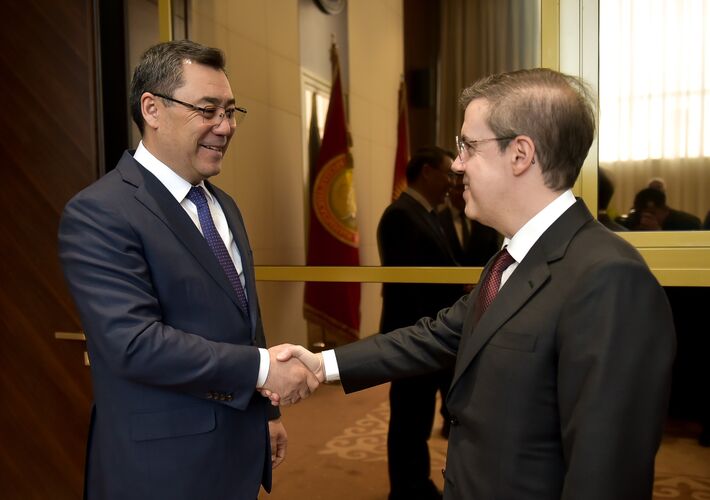
At a meeting on April 16 with Kyrgyz President Sadyr Japarov in Bishkek, Ahmet Mücahid Ören, Chairman of the Board of Directors of Turkey’s İhlas Holding, reaffirmed his company’s commitment to implementing two major energy projects in Kyrgyzstan: the construction of the Kazarman cascade of hydroelectric power plants (HPPs) on the Naryn River, and a 250 MW natural gas-fired combined heat and power plant (CHPP-2) in Bishkek.

İhlas Holding has previously established an open joint-stock company, Orta Asya Investment Holding (Central Asian Investment Holding), to facilitate its operations in Kyrgyzstan.

“We consider these projects in the fields of hydropower and thermal power generation as strategically important and a priority. We are confident that their implementation will serve as the basis for the sustainable development of the country’s energy sector and create conditions for subsequent investment initiatives,” Ören stated, according to the Kyrgyz president’s press service.

Japarov noted that preliminary research has been completed at the construction sites for the Kazarman cascade in the Jalal-Abad region. The studies were conducted by Central Asian Investment Holding in cooperation with the Kyrgyzhydroproject Institute.

In February 2025, Kyrgyzstan’s Ministry of Energy and Central Asian Investment Holding signed a protocol of intent to build the Kazarman cascade, which will have a total capacity of 912 MW. The Turkish company has committed to constructing three hydropower plants as part of the project:

  • Ala-Buga HPP – 600 MW
  • Kara-Bulun-1 HPP – 149 MW
  • Kara-Bulun-2 HPP – 163 MW

Combined, these plants are expected to generate 3.746 billion kWh of electricity annually, significantly bolstering Kyrgyzstan’s power supply.

The meeting also addressed the construction of a second thermal power plant in Bishkek. Japarov emphasized that once operational in 2028, the new 250 MW natural gas-fired CHPP-2 will improve not only the capital’s heating and electricity supply but also its environmental conditions. The new facility aims to reduce reliance on the city’s aging coal-fired Thermal Power Plant, which currently serves as the primary source of electricity and heating.

Once completed, CHPP-2 is expected to meet Bishkek’s growing heating demands and reduce the risk of energy shortages.

Kazakhstan to Permit Industrial Hemp Cultivation

Kazakhstan will legalize the cultivation of industrial hemp, with the measure already approved by the Mazhilis, the lower house of parliament. The provision is part of a draft law aimed at eliminating unnecessary regulation of internal affairs bodies. Vice Minister of Internal Affairs Sanzhar Adilov confirmed the development during a parliamentary session.

According to Adilov, the Ministry of Internal Affairs has already issued four licenses for the cultivation of technical cannabis. The new regulation is designed to enable the use of industrial hemp in manufacturing sectors such as paper, textiles, and construction materials.

Industrial Use, Not for Intoxication

During discussions in the Mazhilis, some deputies raised concerns about whether the cultivation of hemp might attract drug users or traffickers. Addressing these fears, Adilov emphasized the stark chemical differences between industrial and wild cannabis.

“Wild-growing marijuana in the Chui Valley contains more than 15% tetrahydrocannabinol (THC), while industrial hemp contains just 0.1% to 0.3% THC,” he explained. “As a police officer, I can say this production holds no interest for drug users or traffickers. Industrial hemp cultivation is not prohibited by law.” 

Adilov noted that one farm in the Kostanay region is already engaged in the cultivation and processing of industrial hemp under one of the existing licenses.

Revisiting an Old Idea

The concept of using hemp for industrial purposes, particularly in paper production, has been circulating in Kazakhstan for more than a decade. However, past initiatives were not government-led.

Roughly ten years ago, the National Chamber of Entrepreneurs “Atameken” proposed utilizing hemp to reduce Kazakhstan’s dependency on imported office paper, which costs the country an estimated $100 million annually. Although the proposal was backed by Dariga Nazarbayeva, then Deputy Prime Minister and the eldest daughter of former President Nursultan Nazarbayev, it failed to gain broader government support at the time. 

Now, with the government itself spearheading the effort, the project is being revived with stronger institutional backing. The entire cultivation and processing cycle of industrial hemp will be monitored by anti-narcotics authorities to ensure regulatory compliance and security.