• KGS/USD = 0.01143 -0%
  • KZT/USD = 0.00193 -0%
  • TJS/USD = 0.10881 0%
  • UZS/USD = 0.00008 0%
  • TMT/USD = 0.28575 0%
  • KGS/USD = 0.01143 -0%
  • KZT/USD = 0.00193 -0%
  • TJS/USD = 0.10881 0%
  • UZS/USD = 0.00008 0%
  • TMT/USD = 0.28575 0%
  • KGS/USD = 0.01143 -0%
  • KZT/USD = 0.00193 -0%
  • TJS/USD = 0.10881 0%
  • UZS/USD = 0.00008 0%
  • TMT/USD = 0.28575 0%
  • KGS/USD = 0.01143 -0%
  • KZT/USD = 0.00193 -0%
  • TJS/USD = 0.10881 0%
  • UZS/USD = 0.00008 0%
  • TMT/USD = 0.28575 0%
  • KGS/USD = 0.01143 -0%
  • KZT/USD = 0.00193 -0%
  • TJS/USD = 0.10881 0%
  • UZS/USD = 0.00008 0%
  • TMT/USD = 0.28575 0%
  • KGS/USD = 0.01143 -0%
  • KZT/USD = 0.00193 -0%
  • TJS/USD = 0.10881 0%
  • UZS/USD = 0.00008 0%
  • TMT/USD = 0.28575 0%
  • KGS/USD = 0.01143 -0%
  • KZT/USD = 0.00193 -0%
  • TJS/USD = 0.10881 0%
  • UZS/USD = 0.00008 0%
  • TMT/USD = 0.28575 0%
  • KGS/USD = 0.01143 -0%
  • KZT/USD = 0.00193 -0%
  • TJS/USD = 0.10881 0%
  • UZS/USD = 0.00008 0%
  • TMT/USD = 0.28575 0%
20 December 2025

Opinion – The Great Convergence: Central Asia and the EU in a New Geopolitical Landscape

The Samarkand Summit, taking place on April 3–4, 2025, represents a defining moment in Central Asia-European Union (CA-EU) relations. Hosted in the historic city of Samarkand, a crossroads of civilizations and trade for millennia, this inaugural summit marks a geopolitical realignment as the European Union seeks to expand its engagement in a region historically dominated by Russia and China. Against the backdrop of Uzbekistan’s proactive foreign policy reforms under President Shavkat Mirziyoyev, the summit signifies a recalibrated vision for connectivity, sustainability, and economic diversification in Eurasia.

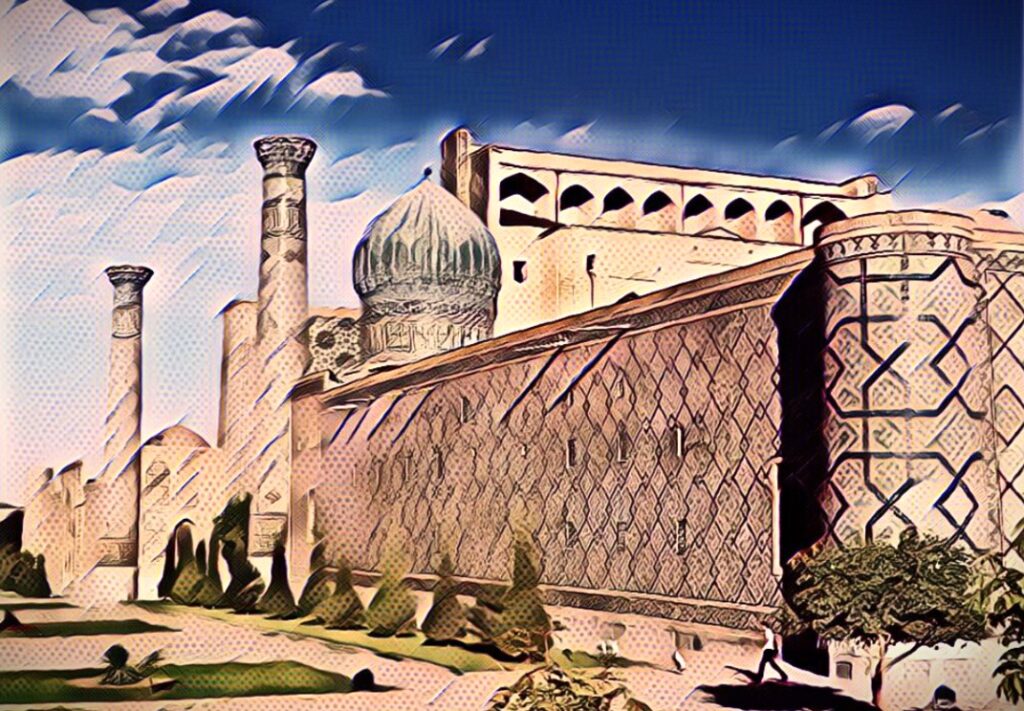
The symbolism of Samarkand as the summit’s venue is profound. Once a flourishing center of Silk Road commerce and Timurid cultural grandeur, the city embodies the historical role of Central Asia as a bridge between East and West. Over the centuries, shifting empires and economic transitions relegated the region to a peripheral status in global affairs, particularly after the collapse of the Silk Road, its incorporation into the Russian Empire, and the subsequent Soviet era. However, post-Soviet transformations and recent geopolitical shifts — accelerated by Russia’s invasion of Ukraine in 2022 — have reinvigorated global interest in Central Asia. As the EU strives to reduce dependence on Russian energy and counterbalance China’s Belt and Road Initiative (BRI), the Samarkand Summit emerges as an urgent diplomatic effort to establish stronger economic and political ties with the region.

At the heart of the summit’s agenda is the Trans-Caspian Transport Corridor (TCTC), a modern-day Silk Road initiative designed to enhance trade connectivity between Europe and Central Asia via the Caucasus, bypassing Russian territory. By offering an alternative route for energy exports and critical minerals, the corridor could significantly reduce transit times by 15–20%, facilitating the EU’s quest for strategic autonomy in global supply chains. For Central Asian states, particularly Uzbekistan and Kazakhstan, the project presents an opportunity to diversify trade partners and lessen their economic dependence on Moscow and Beijing. However, the corridor’s implementation faces substantial geopolitical and financial hurdles. Russia and China may perceive it as a challenge to their regional influence, potentially leading to diplomatic friction or economic countermeasures. Moreover, the corridor’s development requires an estimated $20–30 billion in infrastructure investments, a daunting figure for cash-strapped Central Asian economies.

Parallel to trade discussions, the summit will spotlight climate action and green energy investments. The EU’s €1.5 billion Central Asia Water and Energy Program aims to modernize irrigation systems, promote renewable energy, and reduce fossil fuel dependency. This aligns with Brussels’ broader Green Deal ambitions, positioning the EU as a global leader in sustainable development while offering Central Asian states financial and technical support to address water scarcity and environmental degradation. However, challenges persist — bureaucratic inefficiencies, regulatory gaps, and regional water disputes complicate large-scale green energy implementation. Moreover, while hydropower is a viable alternative to fossil fuels, its intensive water usage could exacerbate tensions between upstream and downstream nations such as Uzbekistan and Tajikistan.

The summit will also emphasize digital connectivity and modernization, with the Connecting Central Asia (C4CA) Initiative promoting e-governance, high-speed internet expansion, and digital trade facilitation. This digital push is strategically positioned as a counterweight to China’s authoritarian tech model and Russia’s disinformation networks. However, Central Asian states remain cautious about European data protection regulations, fearing potential restrictions on state-controlled digital infrastructure. The digital divide between urban and rural areas further complicates the region’s technological transformation, raising concerns about equitable access and long-term sustainability.

Beyond economic and technological collaboration, the CA-EU partnership offers a critical opportunity for geopolitical diversification. The EU, with its multilateral trade frameworks and WTO accession support for countries like Uzbekistan, provides an attractive alternative to Russia’s Eurasian Economic Union (EAEU) and China’s SCO-led economic integration. However, the European model comes with conditions on governance and human rights, a point of contention for authoritarian-leaning regimes in the region. The EU’s push for democratic reforms and rule-of-law measures may be met with resistance, limiting the depth of institutional engagement.

The summit’s vision draws historical parallels to the “Great Game” of the 19th century, when Britain and Russia vied for influence over Central Asia. While the EU’s rhetoric frames its involvement as cooperative rather than competitive, concerns about neo-imperial economic extraction persist. Central Asia’s rich reserves of lithium, copper, and uranium have attracted European investment, raising questions about whether the region will truly benefit from resource partnerships or simply serve as a supplier for Europe’s critical mineral needs.

In this context, literary reflections provide insightful perspectives. Rudyard Kipling’s Kim (1901) dramatized the Great Game’s strategic maneuvering, echoing themes of power and survival in contested spaces. More contemporary Central Asian literature, such as Hamid Ismailov’s The Railway (2006), explores the region’s struggle between modern aspirations and traditional identity — a theme that resonates in the EU’s push for high-tech infrastructure in historically agrarian societies. Similarly, President Mirziyoyev’s Development Strategy 2022–2026 articulates Uzbekistan’s vision for sovereignty in an increasingly interconnected world, reflecting the broader regional balancing act between economic pragmatism and geopolitical caution.

As the Samarkand Summit unfolds, its ultimate success will depend on the balance between ambition and pragmatism. While the EU seeks to expand its Eurasian footprint, Central Asian states must ensure that new partnerships do not replicate historical patterns of dependency or exploitation. Brussels must recognize that its aspirational policy goals must be matched with flexibility in addressing the region’s unique governance models and economic constraints. Likewise, Central Asian governments should leverage this engagement to strengthen institutional resilience and negotiate equitable terms for cooperation.

With Samarkand’s Silk Road legacy as a backdrop, the summit represents a transformative opportunity — but one that must be approached with strategic foresight and mutual respect. As 14th-century Persian poet Hafez aptly stated, “The world is a bridge — pass over it, but build no house upon it.” The CA-EU partnership must navigate this bridge wisely, ensuring that its ambitions foster genuine collaboration rather than another fleeting geopolitical experiment.
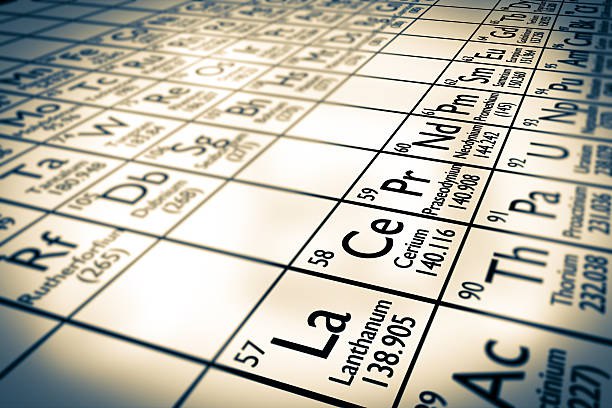

Kuirektykol Deposit May Elevate Kazakhstan to Global Leader in Rare-Earth Reserves

Kazakhstani geologists have identified several promising new areas within the Kuirektykol deposit in the Karkaraly District of the Karaganda Region. If confirmed, these reserves could position Kazakhstan among the world’s leading nations in rare-earth metal resources.

Exploration of the Kuirektykol site began in 2022. By November 2024, surveyors had discovered commercially viable concentrations of rare-earth elements, including cerium and lanthanides, across four prospective zones. These were initially estimated to contain total resources of 935,400 tons, including 795,800 tons of proven reserves. At the time, experts predicted that with further in-depth exploration, total reserves could potentially double. That projection is now being borne out by new findings, according to the Ministry of Industry and Construction.

In a recent statement, the ministry reported that LLP Tsentrgeolszemnadzor, working within the framework of the state program for geological subsoil research, had uncovered several additional promising areas at the Kuirektykol site. These areas are believed to contain a combined one million tons of rare-earth metals. The agency also announced the preliminary evaluation of a vast new prospective area named Zhana Kazakhstan.

Following recent prospecting work, geologists now estimate the total predicted resources of rare-earth metals in the Kuirektykol area to exceed 20 million tons at depths of up to 300 meters. The average concentration of rare-earth elements in the ore is approximately 700 grams per ton.

As previously reported by The Times of Central Asia, the state-owned National Mining Company Tau-Ken Samruk is preparing to begin development of the Kuirektykol deposit, a move expected to attract significant private investment in the sector.

These developments come amid increasing global demand for rare-earth elements, which are essential to technologies ranging from renewable energy and electric vehicles to defense and telecommunications, and are set to be exempt from new U.S. trade tariffs. Kazakhstan’s growing resource base could play a pivotal role in diversifying global supply chains and enhancing the country’s strategic economic importance.

Kazakhstan to Establish Unified Innovation Cluster

Kazakhstan is set to create a unified national innovation cluster by merging two of its key technological institutions: the International Technopark of IT Startups, Astana Hub, and the Park of Innovative Technologies fund, also known as Tech Garden.

The merger bill has passed its first reading in parliament. Officials say the initiative is aimed at accelerating the development of Kazakhstan’s digital economy and enhancing its global competitiveness.

Merging Platforms for Greater Synergy

Astana Hub is currently Kazakhstan’s largest platform supporting IT entrepreneurs, offering tax incentives and accelerator programs. In contrast, Tech Garden is funded through mandatory contributions from subsoil users, 1% of their income, to support digital innovation in the industrial sector.

According to Member of Parliament Aituar Koshmambetov, the integration of these two entities will create powerful synergies.

“We’re combining infrastructure, finances, experts, mentors, support programs, and market access opportunities,” Koshmambetov said.

A Digital Marketplace for Innovation

At the heart of the merged structure will be a digital platform designed to link science, business, government, and startups.

“It will function as a marketplace for challenges and solutions. Residents can see where subsoil users’ contributions are being directed and propose technologies to meet those needs,” explained Minister of Digital Development Zhaslan Madiev.

Another component of the initiative is the expansion of the Single Window of the National Innovation System (SW NIS), which allows IT companies and scientists to directly access the development needs of industrial firms. The platform is already operating in pilot mode at astana-hub.com.

Expanded Benefits for Residents

Post-merger, participants from both institutions will retain all existing benefits. Tech Garden residents will gain access to Astana Hub’s startup acceleration programs, while Astana Hub startups will have new opportunities to secure contracts from major industrial players.

Officials also hope the consolidated cluster will attract greater interest from international corporations. Kazakhstan already collaborates with major tech players like Indrive and Google, and negotiations are ongoing with Telegram.

“Kazakhstan has the unique advantage of being able to engage comfortably with China, the U.S., and Russia,” Koshmambetov noted. “That’s a strategic asset we should fully leverage.”

Economic Impact and Future Prospects

Data from 2024 show that every 1 Kazakhstani tenge (KZT) invested in Astana Hub yields:

  • 3 KZT ($0.0060) in private investment
  • 14 KZT ($0.028) in resident company revenue
  • 3 KZT ($0.0060) in export earnings
  • A trade surplus 4.6 times the input

Notable successes include a Kazakh-developed game generating $18 million in annual revenue, a smart scooter management system used in 20 global cities, and Higgsfield AI, a startup ranked among Google’s global top 20.

Strategic Focus on Artificial Intelligence

President Kassym-Jomart Tokayev has repeatedly emphasized the importance of digital transformation and artificial intelligence (AI) in national development.

“The development of artificial intelligence must be accelerated and integrated into public services and Smart City projects,” Tokayev said during a recent government meeting.

Prime Minister Olzhas Bektenov has also highlighted the practical use of AI in sectors such as ecology, social protection, and industry. He has instructed ministries to digitalize systems for managing municipal and industrial waste.

The planned merger is more than an administrative measure, it is a strategic step toward creating a digital nation where science, industry, and innovation operate within a single, integrated ecosystem.

Kyrgyz Lawmaker Challenges $15 Tint Fee for Drivers Crossing into Uzbekistan

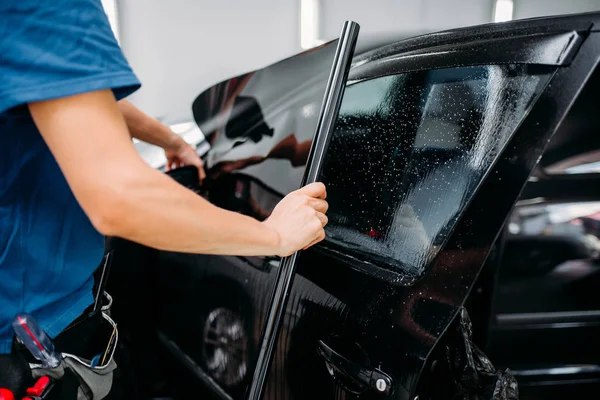
Kyrgyz drivers crossing into Uzbekistan are being charged a $15 fee if their vehicle windows are tinted, a policy that has drawn criticism from Kyrgyz lawmaker Dastan Bekeshev. Speaking during an April 2 session of the Jogorku Kenesh (Supreme Council of Kyrgyzstan), Bekeshev urged the government to either introduce a reciprocal fee for Uzbek vehicles entering Kyrgyzstan or to negotiate with Tashkent to eliminate the charge altogether.

Addressing Foreign Minister Jeenbek Kulubaev, Bekeshev explained that many Kyrgyz citizens regularly travel between Jalal-Abad and Batken, routes that often require passage through Uzbek territory. “They charge $15 for every car with tinted rear windows, almost every day. But we don’t charge them anything,” he said.

The fee is collected via Uzbekistan’s MBANK mobile application, streamlining payment for drivers. Many Kyrgyz citizens consider the charge unjustified and burdensome.

Tinting regulations differ significantly between the two countries. In Kyrgyzstan, individuals must pay 50,000 KGS (around $576) annually to tint their vehicle windows, while businesses pay 70,000 KGS (about $807). In Uzbekistan, rear window tinting is permitted at no cost, but tinting front windows costs approximately 3 million UZS (around $234) per year.

Kulubaev acknowledged that the issue had not been formally raised before but assured lawmakers that it would be examined. “We can discuss this on a mutual basis and bring it up at an intergovernmental commission meeting,” he stated.

Uzbekistan introduced the $15 fee in 2018 through a government decree aimed at regulating vehicle window tinting. Proceeds from the fee are directed to the state budget.

The debate now centers on whether Kyrgyzstan should adopt a reciprocal policy or seek a bilateral agreement to eliminate the fee, a decision that may set a precedent for broader discussions on regional transportation and cross-border regulations.

Three Spaniards, One Australian Detained at Baikonur Cosmodrome

The Baikonur Cosmodrome in a remote part of Kazakhstan has long held allure for people – trespassers included – who are intrigued by its storied role as a facility that pioneered early space exploration and remains a vital part of Russia’s space program.

Three Spanish citizens and one Australian were detained while trying to get into a restricted area housing old space infrastructure at Baikonur on Tuesday night, reported RIA Novosti, a Russian state-owned news agency. It cited an unidentified source. Another Russian media organization, Tass, later reported that the Spaniards had been released and that the Spanish embassy in Astana was working to help them. Tass did not report on the status of the Australian.

The attempted break-in at the Russian-run base occurred in the area of ​​the disused assembly and refueling complex of the Buran spacecraft, a space shuttle that was developed in the 1970s and 1980s by the Soviet Union, whose leaders were concerned that the U.S. space shuttle program posed a possible military threat. The Buran flew once in 1988, but the program was abandoned because of high costs and a lack of purpose.

In 2022, British YouTuber Benjamin Rich documented his trip to Baikonur, where he was also detained by Russian authorities. The journey involved walking with a companion for many hours across the desert, shielding themselves from the sun with umbrellas. They were able to enter the decrepit Buran hangar and see the space shuttle but got caught by guards as they were leaving the facility. Rich said he and his companion paid a fine of $50 each and were released.

Last year, RIA Novosti reported that two French citizens tried to reach Baikonur by the same method, but one died of dehydration during the arduous journey on foot.

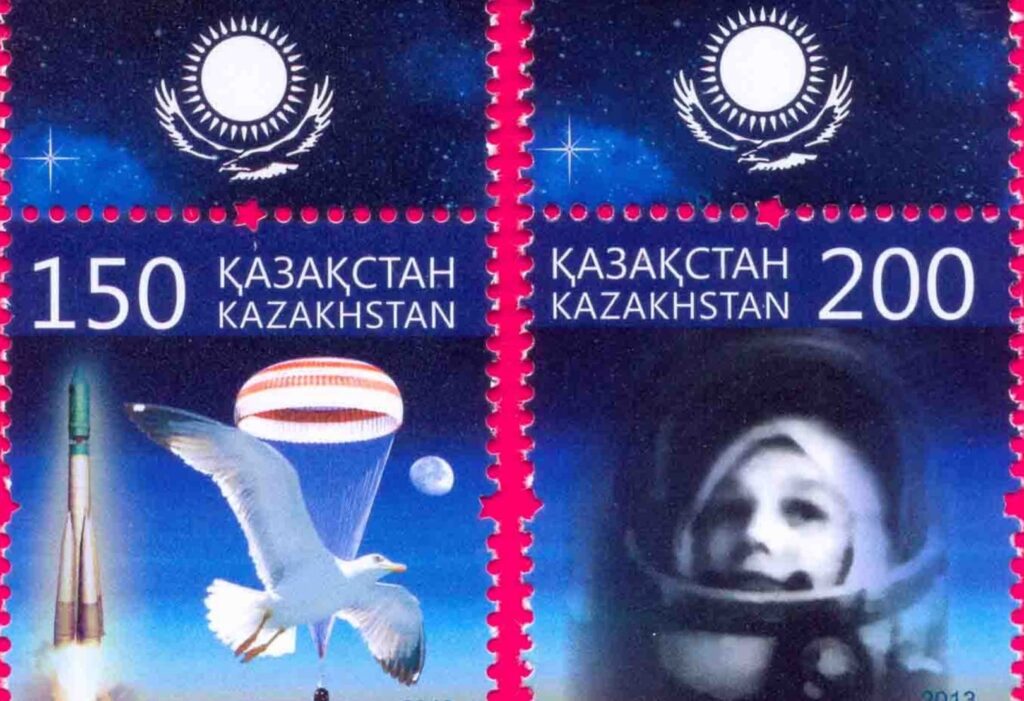
The first man to go into space, Yuri Gagarin, and the first woman, Valentina Tereshkova, took off from the Baikonur cosmodrome, which is run by Roscosmos, the Russian space agency, under an agreement with the Kazakh government. Russia continues to launch spacecraft from there, sometimes in joint missions with NASA.

The first launch from Baikonur in 2025 occurred on Feb. 28, when a Soyuz rocket hoisted a Russian spacecraft carrying three tons of food, fuel and other supplies that were delivered to the International Space Station.

EU-Central Asia Summit Opens New Opportunities for Kazakhstan

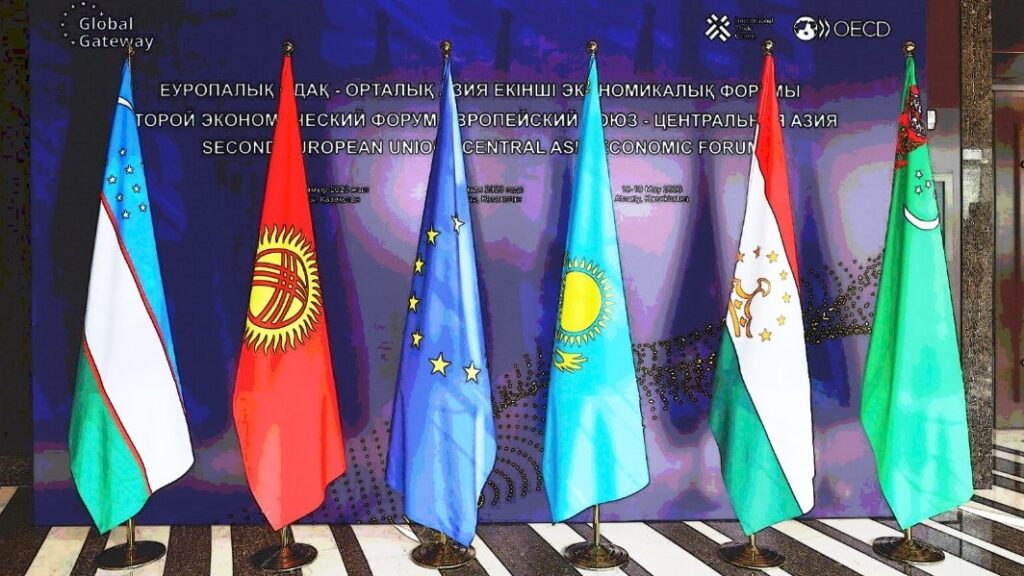
The first-ever summit between the European Union and the five Central Asian countries opened on April 3 in Samarkand, Uzbekistan. The meeting marks a milestone in regional diplomacy, as both sides seek to deepen cooperation amid growing geopolitical shifts.

Kazakhstan, in particular, is entering the summit with growing international clout, thanks to its stable economic performance and balanced foreign policy approach.

European Council President António Costa and European Commission President Ursula von der Leyen are representing the EU at the summit, which is being chaired by Uzbek President Shavkat Mirziyoyev. According to official sources, the summit aims to demonstrate mutual geopolitical interest and expand collaboration between Europe and Central Asia across key areas.

The agenda includes strengthening multilateral ties, addressing shared security threats, enhancing economic and investment cooperation, and advancing collaboration under the EU’s Global Gateway initiative. Focus areas also include energy, climate neutrality, connectivity, and green transition, along with mobility and cultural exchange.

The EU is already the region’s second-largest trading partner, accounting for 22.6% of Central Asia’s total foreign trade in 2023. It is also the largest source of foreign investment, responsible for over 40% of the region’s total inflows.

Kazakhstan’s President Kassym-Jomart Tokayev is attending the summit, following a bilateral meeting with President Mirziyoyev in Almaty on March 29. Also expected to participate are Kyrgyz President Sadyr Japarov, Tajik President Emomali Rahmon, and Turkmen President Serdar Berdimuhamedov.

At the summit, the EU is set to unveil a substantial investment package for Central Asia, with priority sectors including transportation infrastructure, critical raw materials, energy transmission, and digitalization.

European Commission President von der Leyen emphasized that Central Asia’s significant natural resources and industrial potential align with Europe’s sustainability goals. “Europe aims to create a complete value chain, not merely purchase raw materials. This is vital for generating local employment and upholding high environmental and social standards,” she said. Additional EU funding will be directed toward green energy projects and improvements to Uzbekistan’s water infrastructure.

According to Tair Nigmanov, an international relations expert, the EU’s increased engagement stems from heightened geopolitical rivalry. “We are situated between major powers like Russia and China. The EU, as another global player, wants Central Asia to remain neutral and not gravitate toward any single power center,” Nigmanov told Inform.kz. “To that end, it is offering investment, trade opportunities, and political assurances.”

For Kazakhstan, the summit presents a strategic platform to attract investment, reinforce its non-aligned stance, and leverage its growing geopolitical relevance in an increasingly multipolar world.