• KGS/USD = 0.01144 0%
  • KZT/USD = 0.00192 -0%
  • TJS/USD = 0.10849 0.37%
  • UZS/USD = 0.00008 0%
  • TMT/USD = 0.28490 0%
  • KGS/USD = 0.01144 0%
  • KZT/USD = 0.00192 -0%
  • TJS/USD = 0.10849 0.37%
  • UZS/USD = 0.00008 0%
  • TMT/USD = 0.28490 0%
  • KGS/USD = 0.01144 0%
  • KZT/USD = 0.00192 -0%
  • TJS/USD = 0.10849 0.37%
  • UZS/USD = 0.00008 0%
  • TMT/USD = 0.28490 0%
  • KGS/USD = 0.01144 0%
  • KZT/USD = 0.00192 -0%
  • TJS/USD = 0.10849 0.37%
  • UZS/USD = 0.00008 0%
  • TMT/USD = 0.28490 0%
  • KGS/USD = 0.01144 0%
  • KZT/USD = 0.00192 -0%
  • TJS/USD = 0.10849 0.37%
  • UZS/USD = 0.00008 0%
  • TMT/USD = 0.28490 0%
  • KGS/USD = 0.01144 0%
  • KZT/USD = 0.00192 -0%
  • TJS/USD = 0.10849 0.37%
  • UZS/USD = 0.00008 0%
  • TMT/USD = 0.28490 0%
  • KGS/USD = 0.01144 0%
  • KZT/USD = 0.00192 -0%
  • TJS/USD = 0.10849 0.37%
  • UZS/USD = 0.00008 0%
  • TMT/USD = 0.28490 0%
  • KGS/USD = 0.01144 0%
  • KZT/USD = 0.00192 -0%
  • TJS/USD = 0.10849 0.37%
  • UZS/USD = 0.00008 0%
  • TMT/USD = 0.28490 0%
11 December 2025

Tokayev Outlines Economic Reforms and Calls for Revised Energy Contracts

On January 28, Kazakhstan’s capital Astana hosted an expanded government meeting led by President Kassym-Jomart Tokayev. The event focused on the country’s socio-economic development in 2024, but this year’s discussion carried broader implications, addressing both domestic and international concerns.

Addressing Budget Constraints

From the outset, Tokayev made it clear that a key issue for his government is the state budget’s financial shortfall. Analyst Gaziz Abishev noted on his Telegram channel that the problem is not just a lack of funds but a long-standing habit – dating back to 2003 – of addressing challenges by simply increasing spending.

“There is no longer an oil windfall to revitalize the dry economy as there was 20 years ago,” Abishev wrote.

Adding to the uncertainty, Kazakhstan’s oil revenues face potential disruption from Donald Trump’s stated intention to drive down global hydrocarbon prices.

Tokayev outlined a range of measures to fill budget gaps, urging his government to take bold, unconventional steps. He called on officials to act in the country’s best interests without fear of pressure from the Anti-Corruption Service or public opinion. He also stressed the importance of depoliticizing economic partnerships, particularly with Russia and China, cautioning against allowing Russophobic or Sinophobic rhetoric to interfere with business deals.

“Money must be attracted from abroad, and this is more important than ever. Without investment, we cannot sustain ourselves. Money doesn’t smell, but it disappears. We need to attract investment from all sides – within the law – without falling into populism. The future of the national economy, and to some extent the country as a whole, is at stake,” Abishev commented.

Public Reaction to Tax Reforms

Although tax reform was only the sixth of eight key points in Tokayev’s speech, it quickly became the most widely discussed issue among the public.

Kazakhstan’s value-added tax (VAT) is currently 12%, with a sufficiency threshold of 78 million tenge ($150,937). The government is considering raising the VAT rate to 20% and lowering the sufficiency threshold to 15 million tenge ($29,026). If implemented, nearly all small businesses would become VAT payers, while the increased tax rate is expected to drive inflation. The government maintains that inflation will not exceed 4.5%, but Tokayev’s mention of “belt-tightening” has already led many to expect rising retail prices.

To offset the burden on businesses, the government proposes eliminating mandatory employer pension contributions and reducing the social tax.

However, Tokayev himself expressed reservations about cutting the social tax, emphasizing that regional governors (akims) need financial incentives.

“Think again. I believe it would be wrong to deprive akims of incentives, especially financial ones. After all, the regions are the country. Find a solution. We will meet again to discuss these issues,” he told the government.

The tax reforms will also be debated in Parliament, where the lower house is currently reviewing the draft of the new Tax Code. The government will have to negotiate with members of the Majilis and Senate over the VAT rate, sufficiency threshold, and other sensitive issues.

Messages to Foreign Partners

Tokayev’s speech contained several key messages aimed at international audiences, particularly in the West.

One recurring theme was the need for Kazakhstan to focus on technological partnerships with China, particularly in water conservation, IT, and artificial intelligence. Tokayev highlighted the success of the DeepSeek startup, suggesting that western firms are losing the technological race in Central Asia.

Another major announcement concerned Kazakhstan’s nuclear energy sector. The president confirmed that three nuclear power plants will be built, instructing the government and the Samruk-Kazyna sovereign wealth fund to develop long-term strategies for the industry’s growth.

In response, Russian media outlets have speculated about Kazakhstan’s potential interest in developing nuclear weapons. Russian analyst Anatoly Nesmiyan noted that Kazakhstan may reconsider its non-nuclear status due to regional security concerns.

“The precedent of Ukraine – where the Budapest Memorandum proved to be a mere piece of paper – combined with a northern neighbor that has a peculiar view of friendship and good-neighborliness, and periodic claims over Kazakhstan’s territory, naturally raises the question of whether Kazakhstan should regain nuclear weapons. For now, this remains hypothetical, but who knows…” Nesmiyan wrote.

Regardless of such speculation, the competition for contracts to build Kazakhstan’s nuclear power plants is nearing its final stage, and Tokayev signaled that decisions will soon be made.

Renegotiating Production-Sharing Agreements

One of the most consequential parts of Tokayev’s speech was his hint at renegotiating production-sharing agreements (PSAs) under the framework of subsoil use reforms.

“The implementation of production-sharing agreements for large fields has allowed Kazakhstan to become a reliable supplier of energy to the global market. These projects have made a great contribution to the country’s socio-economic development. However, large investments require a long-term planning horizon. Therefore, the government must intensify negotiations on extending PSA contracts, possibly on revised terms that are more favorable for Kazakhstan,” Tokayev said.

For years, the Ak Zhol parliamentary faction has called for the declassification of PSA contracts, but in Kazakhstan, these agreements have remained as closely guarded as U.S. government files on the Kennedy assassination.

Tokayev’s remarks send a clear signal to American and European companies that he is prepared to bring these contracts into the public domain. By doing so, the government could cite public pressure as a justification for renegotiating PSA terms on conditions more advantageous to Kazakhstan.
Wild Arman Sentenced: From Thief-In-Law to Coup Plotter

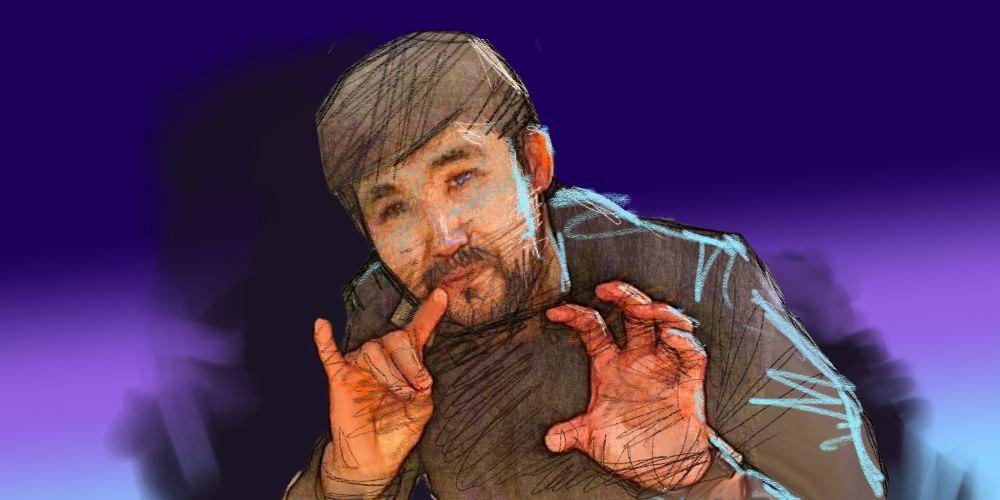
On January 27, another high-profile trial related to the January 2022 events concluded in Almaty. More than 40 individuals were in the dock, but the main figures in the proceedings were three individuals: former Almaty city council deputy and popular blogger Kairat Kudaibergen, former head of the Fifth Department of Kazakhstan’s National Security Committee Ruslan Iskakov, and crime boss Arman Jumageldiev, better known by his criminal nickname, ‘Wild Arman.’

Harsh Sentences

Most of the defendants received short sentences and were released due to time already served. However, for the main figures in the case, the court handed down the following punishments:

  • Kairat Kudaibergen, former deputy and entrepreneur, received eight years in prison. He was also banned from appearing on social media, organizing rallies, debates, and events, and publishing in the media.
  • Ruslan Iskakov, the former head of the Fifth Department of the National Security Committee, was sentenced to 15 and a half years in prison.
  • Arman Jumageldiev (Wild Arman) was sentenced to 20 years in prison. He was prohibited from participating in organizations, organizing events, and publishing in the media or on social networks.

In addition to this trio, two other lengthy sentences were handed down: former financial police agent Talgat Makhatov received 15 years, whilst journalist Berdakh Berdymuratov was sentenced to seven years.

During the trial, two of the four charges initially brought against Kairat Kudaibergen were dropped. Meanwhile, Arman Jumageldiev, who was originally charged under eleven articles of the Criminal Code of Kazakhstan, faced eight charges by the end of the trial. The 40-year-old crime boss, who along with his defense team has long denied his ties to organized crime, will be released close to the age of retirement should his sentence remain unchanged after his appeal.

Under Surveillance

Senior Prosecutor of the Almaty Regional Transport Prosecutor’s Office, Mukhit Rysbekov, provided detailed comments on the verdict for Wild Arman (Arman Jumageldiev), revealing the defense’s strategy during the trial.

“The court deliberated on the case for about a year. During this time, Jumageldiev’s defenders tried to present him to the court and the public as a patriot, a national hero who helped and protected citizens during the tragic January events. Despite the active campaign organized by Jumageldiev and his defense to rehabilitate his image, we managed to prove the opposite. We proved that back in 2016, long before those events, Jumageldiev led a criminal organization, an armed gang, which included the same representatives of the criminal world,” said Rysbekov.

Commenting on Jumageldiev’s sentencing, political analyst Daniyar Ashimbaev noted that the trial had addressed one of the key facets in a broader scheme.

“It is clear that the National Security Committee (KNB) was ‘tracking’ this organized criminal group (OCG), which during the January events was supposed to take on the role of establishing ‘public governance,’ subduing looters, presenting 20 pre-captured individuals as instigators, and ultimately calling for power to be handed over to a ‘people’s government’ led by the coup organizers,” Ashimbaev stated. “This was evident as early as the spring of 2022 in the immediate aftermath.”

This, Ashimbaev believes, explains why the trial of Jumageldiev and other figures involved in the Almaty riots was so protracted. It was first necessary to prove the intent for a coup d’état and the existence of a sprawling conspiracy involving both law enforcement officials and criminal elements.

It is no secret that Kazakhstan’s intelligence services have, at times, utilized criminal networks to their advantage. Jumageldiev’s biography serves as a vivid illustration of this practice.

The Path to “Success”

The wider public in Kazakhstan first learned about the figure of Wild Arman (Jumageldiev) in 2005. At the time, the country was preparing for presidential elections. The opposition had united under the coalition, “For a Just Kazakhstan,” promoting their candidate, Zharmakhan Tuyakbai, a former speaker of the lower house of parliament who had recently left President Nursultan Nazarbayev’s party amidst a scandal.

An event in Shymkent meant to facilitate a meeting between Tuyakbai and his supporters with local residents was disrupted by hooligans, led by none other than Wild Arman. The group stormed the venue, ransacked the place, and drove the politicians under the tables. Opposition figures claimed at the time that the raid was coordinated by so-called “plainclothes men,” alleged to be undercover officers from the local KNB.

Three years later, in 2008, Wild Arman became embroiled in a conflict in Shymkent with the local “beer king” Tokhtar Tuleshov. Notably, in 2016, Tuleshov was accused of attempting a coup d’état allegedly linked to mass land protests that swept the country.

During the 2008 incident, a shootout occurred in which Jumageldiev was wounded, and two of his bodyguards were killed. Wild Arman fled to Kyrgyzstan. Shortly thereafter, in Shymkent, the suspected assailants in the attack were shot dead. Later, Jumageldiev was arrested in Almaty and served a three-year prison sentence.

Incidentally, during his time in Kyrgyzstan, he married a local model, Aikol Alikzhanova, and in 2021, the couple welcomed a daughter.

Another high-profile appearance in the media by Arman Jumageldiev came in 2019. Reports in Russian outlets claimed that Arman, who had joined the inner circle of Azerbaijani “thief-in-law” Nadir Salifov (known as Lotu Guli), had assaulted Georgian crime lord Guram Chikhladze (Kvezhovich). According to the unwritten rules of the post-Soviet criminal underworld governed by “thieves-in-law,” Wild Arman had no right to lay a hand on Kvezhovich,  as Arman was considered a minor figure. However, according to Lotu Guli, Kvezhovich was so frightened that he fled the meeting. This incident occurred in Turkey, where Arman was hiding from the Kazakh authorities.

In Turkey, Jumageldiev began rebranding his image, presenting himself as a respectable blogger and a patriot. In one instance, Arman urged his compatriots to confront British comedian Sacha Baron Cohen for “insulting Kazakhs” in the Borat film series. He also interrogated the organizer of a financial pyramid scheme that had defrauded 17,000 Kazakh citizens. During the pandemic, he organized the free distribution of medicines and medical masks.

It was clear that even then, Wild Arman was laying the groundwork for the January events of 2022. Notably, 2019 was the year Nursultan Nazarbayev transferred presidential powers to Kassym-Jomart Tokayev, a transition that likely did not sit well with certain figures in Nazarbayev’s circle. It appears that the plan for a coup began taking shape at that time, with Arman Jumageldiev positioning himself as a “protector of the people.”

In handing down its sentence, on January 27 the court in Almaty put a period to this protracted story; at least for now.

Central Asian Countries and World Bank Discuss Progress on Kambarata-1 Hydropower Project

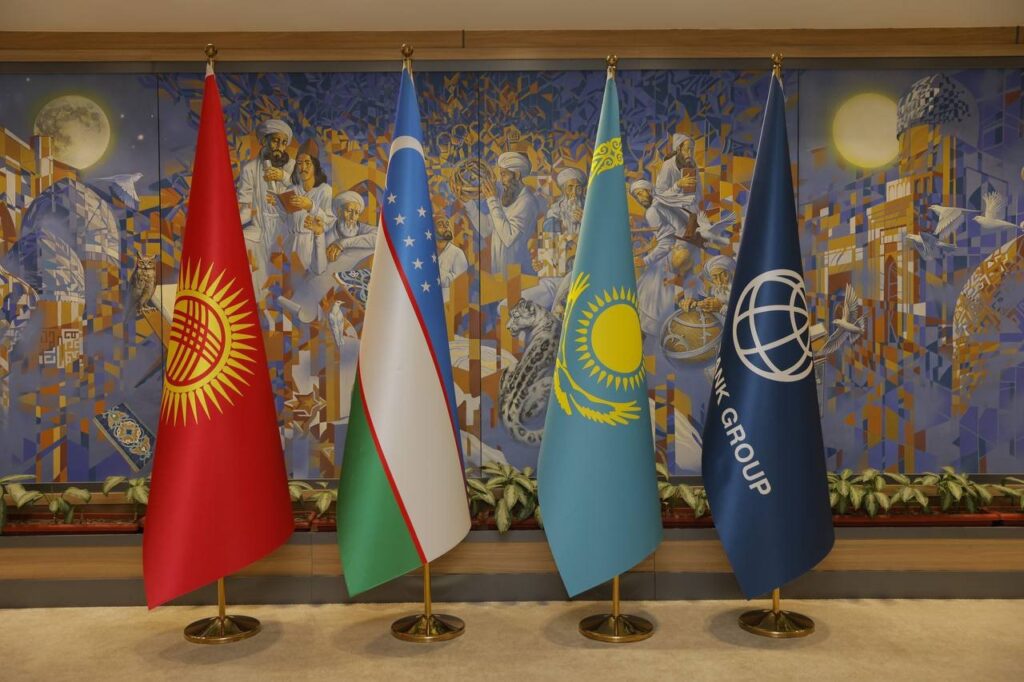
On January 27, Tashkent hosted a roundtable discussion on advancing the construction of the Kambarata-1 Hydropower Plant (HPP), an ambitious regional initiative being jointly undertaken by Kyrgyzstan, Kazakhstan, and Uzbekistan. The project aims to enhance regional cooperation in Central Asia regarding water and energy resource management.

The meeting was attended by Kyrgyzstan’s Minister of Energy Taalaibek Ibrayev, Uzbekistan’s Minister of Energy Jurabek Mirzamakhmudov, Kazakhstan’s Deputy Minister of Energy Sungat Yesimkhanov, and the World Bank Regional Director for Central Asia Tatiana Proskuryakova.

The Kambarata-1 HPP, with a projected capacity of 1,860 megawatts and an average annual electricity generation of 5.6 billion kilowatt-hours, will be constructed at an estimated cost exceeding $4 billion. It is planned to be located in the upper reaches of the Naryn River in Kyrgyzstan. Upon completion, it will become the largest hydropower plant in Kyrgyzstan and is expected to address the country’s chronic electricity shortages.

At the meeting, ministers from the three participating countries requested the World Bank’s assistance in preparing and financing the Kambarata-1 HPP construction.

Kyrgyzstan’s Ibrayev described the project as “the project of the century” for Kyrgyzstan, emphasizing its potential to strengthen regional cooperation and foster long-term development across Central Asia. “Today’s roundtable in Tashkent continues a series of meetings that took place in Vienna, Brussels, and Washington in 2024. These events help coordinate and accelerate the project’s implementation, as well as attract the necessary international support,” Ibrayev stated.

From Kazakhstan’s side, Yesimkhanov highlighted the meeting as another step forward in strengthening regional cooperation in the water and energy sectors. He expressed confidence that the project would bolster good relations among Central Asian nations.

Uzbek representative Mirzamakhmudov reiterated his country’s commitment to the project, underscoring its strategic importance for the region. “The project will bring significant benefits to all Central Asian countries by strengthening regional energy security, accelerating the transition to a green economy, and improving the use of water resources,” he said.

Currently, Kyrgyzstan, with the World Bank’s technical support, is revising the project’s feasibility study. This includes assessing the technical, economic, financial, environmental, and social dimensions of the Kambarata-1 HPP.

World Bank Regional Director Proskuryakova reaffirmed the institution’s readiness to support the three governments in their efforts to ensure a stable energy future for the region. “We will continue to provide technical assistance in the implementation of the Kambarata-1 HPP construction project. Together with other international development partners, we are working to attract the financing necessary to implement the project,” she said.

Ibrayev has previously stated that all preparatory stages of the project are scheduled for completion by May 2025. In September 2024, Kyrgyzstan’s Cabinet of Ministers and the World Bank organized a roundtable to discuss dam selection for the Kambarata-1 HPP. The Swiss engineering firm AFRY proposed several options, and Kyrgyzstan’s Ministry of Energy has confirmed that the feasibility study will be finalized based on the chosen dam design by May 2025.

Kyrgyz-Tajik Villages to Be Relocated as Part of Border Resolution

Kyrgyz President Sadyr Japarov recently spoke with the Kabar news agency about progress in resolving the Kyrgyz-Tajik border dispute. He also addressed plans for the relocation of villages and homes situated in the checkerboard-like border areas.

Progress Toward Resolution

Japarov provided an update on the status of negotiations, commenting: “The border issue is almost resolved. Right now, both sides are working on documenting the agreement. After this, the intergovernmental commissions will sign the documents, followed by the foreign ministers. Then, the parliaments of both countries will ratify the agreement. Finally, the presidents of Kyrgyzstan and Tajikistan will sign it, and the process will conclude with an exchange of notes.”

Japarov noted, however, that the process would take time to finalize. “It will take another 1-2 years to carry out demarcation work before the issue is fully settled. The most important thing is that we have reached a bilateral agreement,” he said.

Addressing Checkerboard Villages

When asked about the fairness of the border resolution, Japarov highlighted the balanced nature of the agreement:

“In border disputes, it’s impossible to consider only one side’s interests. Decisions are made by considering the needs of both countries. For instance, some disputed sections of the border were split equally. In cases where houses were mixed, like in checkerboard villages, we resolved these issues too.”

To address these mixed-border settlements, Japarov explained that families whose homes fall on the other side of the border will be relocated. Tajik families residing on Kyrgyz land will be moved by Tajikistan, and Kyrgyz families on Tajik land will be relocated by Kyrgyzstan. “We will build new homes for them elsewhere, considering the size of their land,” Japarov assured.

Peaceful Resolution a Priority

Japarov emphasized the importance of resolving the dispute through peaceful and cooperative means. He underscored that resolving border issues would improve border management, avoid future tensions, and build trust between the two nations. Once the demarcation process began, Japarov promised full transparency and regular updates for the public.

Historical Context

Tensions along the Kyrgyz-Tajik border have been ongoing for decades, with significant disputes intensifying in the late 2000s and early 2010s. In these areas, infrastructure complications have exacerbated the problem. Both countries began constructing alternate roads to avoid crossing into each other’s territory, but rugged terrain and limited financial resources have slowed progress.

One of the most challenging areas is the road connecting Batken to the Kyrgyz village of Ak-Sai and the Tajik enclave of Vorukh. This road weaves through Kyrgyz and Tajik territory several times, and in some sections, the road itself serves as the border.

Kazakhstan and the UAE Are Building a Geoeconomic Powerhouse Spanning Asia and the Gulf

Kazakhstan President Kassym-Jomart Tokayev’s recent mid-January visit to the United Arab Emirates (UAE), to attend the Abu Dhabi Sustainability Week (ADSW) Summit, underscores the strategic importance both nations place on their bilateral ties. ADSW is a prominent global platform dedicated to accelerating sustainable development and promoting international cooperation on the global environmental agenda. The 2025 summit — with the theme, “Nexus of Next: Supercharging Sustainable Progress” — was designed specifically to explore advanced technologies such as artificial intelligence, renewable energy, and innovative sustainability solutions.

As leader of the most dynamic of the Central Asian economies, President Tokayev’s presence signaled his country’s ambition to play a more prominent role in addressing environmental challenges at an international level. In his keynote speech, Tokayev addressed environmental issues that are particularly critical for Kazakhstan, including desertification, biodiversity loss, water scarcity, and food security. He emphasized his country’s multifaceted approach to these challenges, which includes digital technologies, large-scale infrastructure projects, and the development of nuclear energy as a low-carbon solution.

Kazakhstan has recently launched initiatives, such as expanding solar and wind farms and implementing advanced irrigation systems to combat desertification. Tokayev also highlighted Kazakhstan’s commitment to meeting its renewable energy targets, aiming to generate 15% of its electricity from renewables by 2030, in partnership with global leaders in green technology.

Overall, the ADSW Summit provided a platform for Kazakhstan to engage with international partners, share its vision for sustainable development, and explore collaborative opportunities to address global environmental challenges. Kazakhstan’s efforts include the development of the Mohammed bin Rashid Al Maktoum Solar Park, which will have a capacity of 5,000 megawatts (MW) by 2030, and participation in the Space-D programme, which enhances operational performance through nano-satellites.

In particular, President Tokayev met with UAE President Sheikh Mohamed bin Zayed Al Nahyan to discuss bilateral relations. The two leaders agreed to focus on a specific economic agenda — focused on trade, investment, and sustainable development — to create positive bilateral trade dynamics. Their Joint Declaration on Strategic Investment Projects in these fields was also highlighted.

Kazakhstan and the UAE have developed a dynamic and multifaceted partnership over the past three decades. Since establishing diplomatic relations in 1993, the UAE has become Kazakhstan’s leading strategic partner in the Arab world. Early cooperation focused on trade and investment but has since expanded to include sectors such as petrochemicals, energy, transport, logistics, agriculture, and aerospace. Key milestones include the establishment of direct flight routes between the two countries and the signing of long-term investment agreements in the mid-2000s.

Tokayev noted that direct investment from the UAE into Kazakhstan more than doubled from 2023 to 2024, placing the country among the top ten largest foreign investors in Kazakhstan. A focal point of their discussion was the goal of increasing bilateral trade turnover to $1 billion. In this context, the Dubai International Chamber has established a representative office in Kazakhstan to boost trade and investment opportunities further still.

For several years, the UAE has been expanding its cooperation with the Greater Caspian Sea region, including Azerbaijan as well as Central Asia. The UAE’s renewable-energy company Masdar has established or will establish renewable energy projects — mainly wind energy — in Azerbaijan, Kazakhstan, and Uzbekistan. It is foreseen that much of the generated electricity may be exported to Europe via subsea cables across the bottom of the Caspian Sea and the Black Sea.

Likewise, the Abu Dhabi National Oil Company (ADNOC) is cooperating in the petrochemical sector in Azerbaijan’s offshore as well as in Kazakhstan and Turkmenistan. This cooperation includes the construction of value-added industries that will enable these countries to export refined petrochemical products.

The growing relationship between Kazakhstan and the UAE is thus representative of a broader strategic geoeconomic alignment. Kazakhstan’s vast natural resources and strategic location in Central Asia, in particular, offer the UAE significant opportunities. The UAE is a global hub for trade and innovation, and it benefits from being a “third party” that offers another vector of partnership to countries concerned about Chinese and Russian geoeconomic and strategic influence in the region.

The UAE’s bilateral agreement with Kazakhstan on investment cooperation in data centers and artificial-intelligence projects in Kazakhstan will assist in the development of the Trans-Caspian International Transport Route (TITR, also called the “Middle Corridor“) that will help to create new export markets for Central Asia. The strengthening of ties between Kazakhstan and the UAE provides potentially all Central Asian countries with increased access to global markets through the UAE’s advanced logistics networks. It likewise offers a model for other Central Asian nations seeking to diversify their international relationships.

The expanding relationship between Kazakhstan and the UAE highlights the emergence of a broad geoeconomic “meta-region” that will stretch from the Arabian Peninsula through the South Caucasus and across the Caspian Sea into Central Asia. If the present regime in Tehran collapses, then Iran (and possibly Iraq) could be included in this restructured economic space. Such a development would contribute to global geopolitical stability over the next two decades, which will be increasingly turbulent.

Kazakhstan’s role as a resource-rich, strategically positioned state complements the UAE’s capabilities as a global logistics and innovation hub. This partnership demonstrates how targeted investments in energy, technology, and infrastructure can create mutual benefits while reshaping regional dynamics. The UAE’s diversification strategy aligns seamlessly with Kazakhstan’s ambitions to enhance its international connectivity and reduce economic dependencies on traditional partners. Kazakhstan will not be the only country in the Greater Caspian Sea region to undergo such a reorientation with the addition of a geoeconomic “vector” to the Arabian Peninsula.

Kazakhstan Restricts Poultry Imports from U.S. and Germany Due to Avian Flu

Kazakhstan has temporarily suspended the import of poultry products from Delaware and South Carolina in the United States, as well as from the German state of Baden-Württemberg, due to outbreaks of avian flu in these regions. The decision was announced by Kazakhstan’s authorities and is based on data from the World Organization for Animal Health.

The ban covers a broad range of items, including live poultry, hatching eggs, down and feathers, poultry meat, and any poultry products that have not been heat-treated at a minimum temperature of 70°C. Additionally, the restrictions apply to feed and feed additives (excluding those derived from plants or produced through chemical or microbiological synthesis), hunting trophies from game birds that have not undergone taxidermy treatment, and used equipment for poultry farming, slaughter, and processing.

The measures concerning Baden-Württemberg took effect on January 20. These steps follow earlier restrictions imposed on January 14, when Kazakhstan banned livestock imports from Germany due to an outbreak of foot-and-mouth disease in the Brandenburg region.

Kazakhstan’s veterinary authorities continue to monitor the global epizootic situation closely in order to respond swiftly to any threats posed by the spread of dangerous animal diseases.