• KGS/USD = 0.01144 0%
  • KZT/USD = 0.00193 -0%
  • TJS/USD = 0.10811 -0.28%
  • UZS/USD = 0.00008 0%
  • TMT/USD = 0.28490 0%
  • KGS/USD = 0.01144 0%
  • KZT/USD = 0.00193 -0%
  • TJS/USD = 0.10811 -0.28%
  • UZS/USD = 0.00008 0%
  • TMT/USD = 0.28490 0%
  • KGS/USD = 0.01144 0%
  • KZT/USD = 0.00193 -0%
  • TJS/USD = 0.10811 -0.28%
  • UZS/USD = 0.00008 0%
  • TMT/USD = 0.28490 0%
  • KGS/USD = 0.01144 0%
  • KZT/USD = 0.00193 -0%
  • TJS/USD = 0.10811 -0.28%
  • UZS/USD = 0.00008 0%
  • TMT/USD = 0.28490 0%
  • KGS/USD = 0.01144 0%
  • KZT/USD = 0.00193 -0%
  • TJS/USD = 0.10811 -0.28%
  • UZS/USD = 0.00008 0%
  • TMT/USD = 0.28490 0%
  • KGS/USD = 0.01144 0%
  • KZT/USD = 0.00193 -0%
  • TJS/USD = 0.10811 -0.28%
  • UZS/USD = 0.00008 0%
  • TMT/USD = 0.28490 0%
  • KGS/USD = 0.01144 0%
  • KZT/USD = 0.00193 -0%
  • TJS/USD = 0.10811 -0.28%
  • UZS/USD = 0.00008 0%
  • TMT/USD = 0.28490 0%
  • KGS/USD = 0.01144 0%
  • KZT/USD = 0.00193 -0%
  • TJS/USD = 0.10811 -0.28%
  • UZS/USD = 0.00008 0%
  • TMT/USD = 0.28490 0%
10 December 2025

Criminal Charges Against MEP Maria Arena Spark Renewed Debate on Central Asia Influence-for-Hire

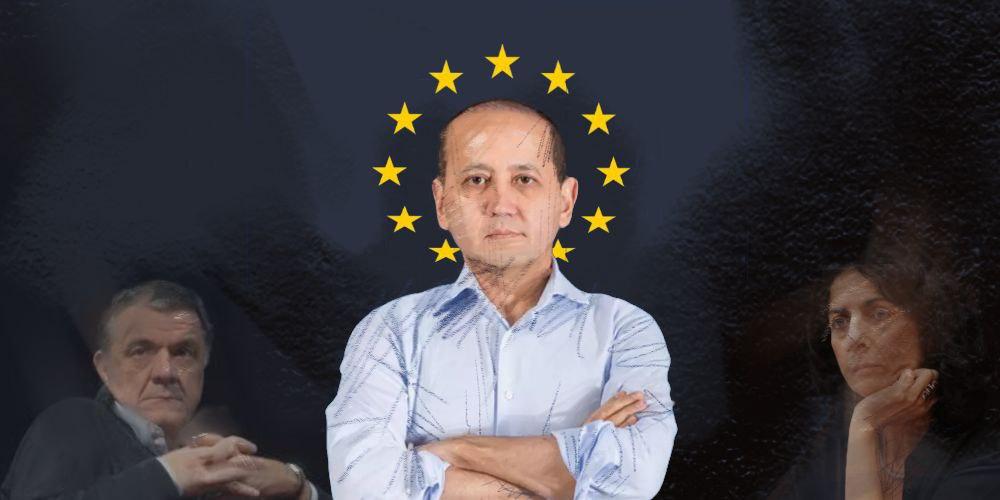
In the latest chapter of a slow-burning story, on January 18, 2025, Antonio Panzeri’s successor as head of the European Union’s Subcommittee on Human Rights (DROI), Maria Arena, was charged with participating in a criminal organization concerning the Qatargate scandal. As far back as December 2022, shocking revelations had exposed collaboration between Panzeri, EU officials, and certain NGOs. This alliance turned their human rights advocacy into a self-serving commercial enterprise, yielding them €2.6 million and their clients favorable motions and resolutions in the European Parliament. The roles of Arena and Panzeri in commercializing their office by curating human rights targets and taking protective measures for monetary exchange warrant closer scrutiny.

After leaving DROI, Panzeri continued to operate behind the scenes, having “almost 400 telephone calls” in ten months with Arena. As reported by Politico, her ties to the NGOs Fight Impunity (FI) and No Peace Without Justice (NPWJ) raised concerns about transparency and influence within DROI, especially as key figures from these NGOs faced corruption and money laundering charges in the EU’s Qatargate scandal. Arena’s leadership has also been criticized for allowing unbalanced hearings that favored Qatar’s interests while sidelining its critics.

The scope of corruption extends beyond Qatar, with both Morocco and Mauritania mentioned as attempting to influence European Parliament decisions through bribery. All three countries — Qatar, Morocco, and Mauritania — deny any involvement.

Germane to Central Asia, Maria Arena reportedly penned a letter to the Ambassador of Kazakhstan in Brussels calling for the release from prison of Karim Massimov, the former head of Kazakh intelligence who was sentenced to long-term imprisonment in his homeland for high treason, attempted coup and abuse of power. Journalists’ investigations have documented Massimov’s alleged links to major corruption, and he was closely associated with the authoritative regime of former President Nazarbayev.

Arena’s push coincides with social media postings on 8 November 2022 by FI and NPWJ calling for Massimov’s release. Francesco Giorgi, an ex-parliamentary staffer at Fight Impunity and Panzeri aide who admitted partial guilt in the Qatargate bribery scandal, retweeted the post.

A broader investigation suggests further malfeasance similar to Qatargate, in which Panzeri, Arena, and other EU officials collaborated with Mukhtar Ablyazov, a known criminal with judgments against him exceeding $4.8 billion dollars in the U.S. and British courts. Ablyazov is facing potential deportation from France following his evasion of a 22-month UK prison sentence for contempt of court.

Despite this high-profile conviction in the UK, under DROI’s leadership, a faction of European politicians, including prominent names from the S&D including Panzeri and Maria Arena, along with their legislative partner Renew Europe, continued to align themselves with Ablyazov.

An analysis of Ablyazov’s supporters in the European Parliament, PACE, and national legislatures reveals a discernible pattern. During his time in Strasbourg, Ablyazov met with Panzeri – a figure labeled by The Spectator as one of Ablyazov’s “most diligent lawyers and active supporters.” Alongside Ablyazov was his daughter, Madina, who is married to Ilyas Khrapunov – found by a federal judge in the U.S. to have created shell companies “for the sole purpose of laundering money.”
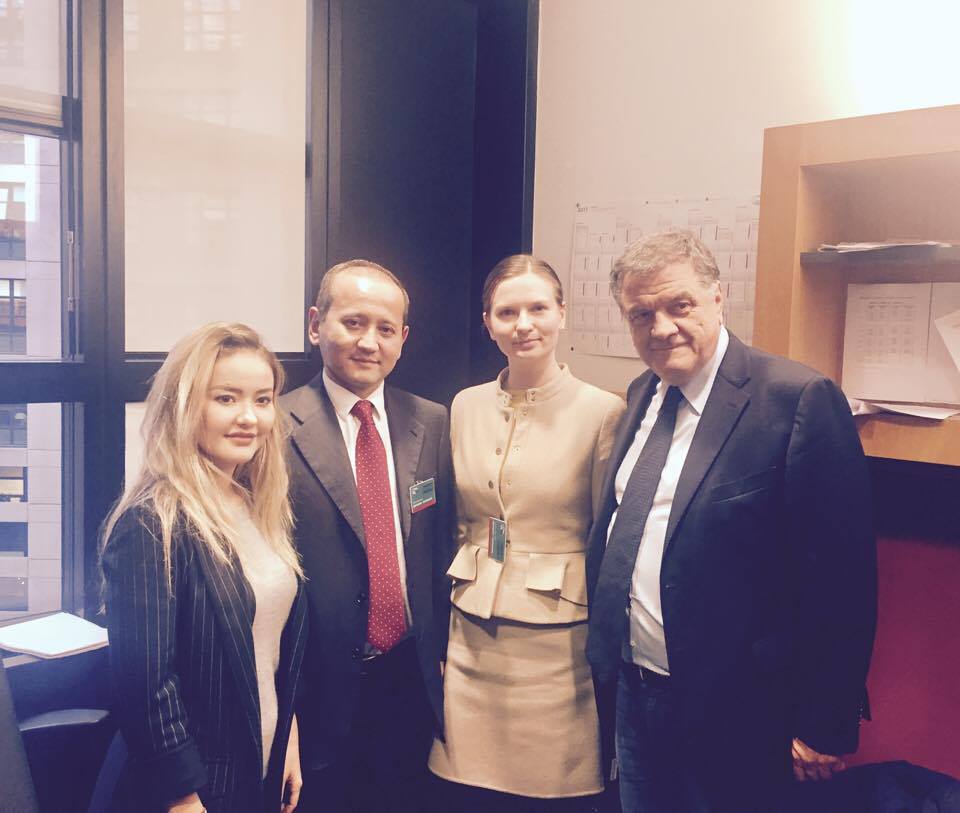
From left to right: Madina Ablyazova, Mukhtar Ablyazov, Lyudmila Kozlovska, and Antonio Panzeri

Signs of collusion between Panzeri and Ablyazov date back to 2016, when he spearheaded a motion on Kazakhstan in the European Parliament. This motion was adopted on March 10th of that year. On the same day, during a plenary session, Panzeri denounced a “clampdown” on Ablyazov’s Moscow-based newspaper, Respublika, which coincided with a court case involving Respublika and the hacking and publishing of emails belonging to Ablyazov’s adversaries.

As the head of DROI, Panzeri was key in a 2019 study on the Misuse of Interpol’s Red Notices, which mentioned Ablyazov fourteen times. A month later, he chaired a European Parliament event featuring Bota Jardemalie, who served as Ablyazov’s “right hand” during the disappearance of $8 billion from Kazakhstan’s BTA Bank into a sprawling network of over 1,000 shell companies.

Like Panzeri, Arena shared an unusual sympathy for Ablyazov. In February 2020, Arena attended an event where she engaged with Jardemalie and Dana Zhanay alongside outspoken Ablyazov supporter, Anna Shukeyeva. Zhanay and Shukeyeva are under indictment for allegedly “distributing funds received” from Ablyazov.

These suspiciously coordinated actions were further highlighted when EU bodies either plagiarized from or used similar wording to an opaque NGO called the Open Dialogue Foundation (ODF), which has lobbied for Ablyazov for over a decade. This advocacy, disproportionately focused on Kazakhstan, has influenced numerous European Parliament and PACE declarations which align with ODF and Ablyazov’s agendas.

Multiple PACE declarations and European Parliament motions have relied on the ODF for “evidence,” creating an echo chamber that reinforces the ODF’s narrative. Notably, an ODF report on Kazakhstan was copied into a resolution by the Renew Europe group, introduced shortly after the report’s release by MEPs Róża Thun and Petras Auštrevičius, who have both been strong ODF supporters. The resolution was adopted on January 20, 2022.

Perhaps unbeknownst to the MPs, the ODF’s leadership has financial ties to Russian-annexed Crimea and to sanctioned Russian entities through multiple family members.

Despite European Parliament President Roberta Metsola’s December 2022 acknowledgment that the parliament is “under attack [by] malign actors,” progress in countering this influence has remained limited. Despite being implicated in the Qatargate scandal, former MEPs Eva Kaili and Marc Tarabella returned to the parliament until 2024 and were subsequently involved in voting on ethics changes. In July 2023, meanwhile, Niccolò Rinaldi, Head of Unit for relations with Central Asia at the time, was found to be “very close to the ODF and, above all, to Botagoz Jardemalie,” quoting her in his correspondence and calling Ablyazov’s Democratic Choice of Kazakhstan (DVK) a “credible opposition party.” Yet Metsola dismissed these concerns, asserting that Rinaldi was “completely impartial.”

The abovementioned issues raise critical questions about the formulation of the EP’s 2022 resolution on Kazakhstan and the motives behind European officials advocating for a known international criminal and his associates. This concerning relationship has led to unsubstantiated allegations made by Ablyazov’s network finding their way into official documents as evidence.

More than fifteen years have passed since Ablyazov fled from the authorities in his homeland, and he continues to be embroiled in multiple transnational court cases. Since 2023, he has increasingly been using social media to ask for donations to pay his army of lawyers in his fight against extradition. A growing sense of desperation is evident in such posts as one dated November 27, 2024: “THERE IS NO MORE THAN A YEAR LEFT BEFORE RUSSIA ABSORBS KAZAKHSTAN, IF WE SLEEP AND DON’T OVERTHROW THIS REGIME! [SIC]” Ablyazov’s heightened desperation coincides with the rise of Kazakhstan’s multi-vector foreign policy as well as its adoption of democratic and human rights reforms and constitutional reforms, including limiting presidents to a single term in office, and its refusal to support Russia’s war in Ukraine or recognize “quasi-state territories… Lugansk and Donetsk.”

While Qatargate exposed how vulnerable European institutions are to corruption, the fight is far from over, and further measures are urgently needed to investigate European officials and prosecute wrongdoers. Otherwise, criminals can continue to capture the political elite and weaponize human rights to the detriment of the EU’s relationships with its strategic partners, including in Central Asia, at a time when Europe needs these partnerships more than ever.

Gender Inequality in Marriage: The Role of the Kelin in Kyrgyzstan

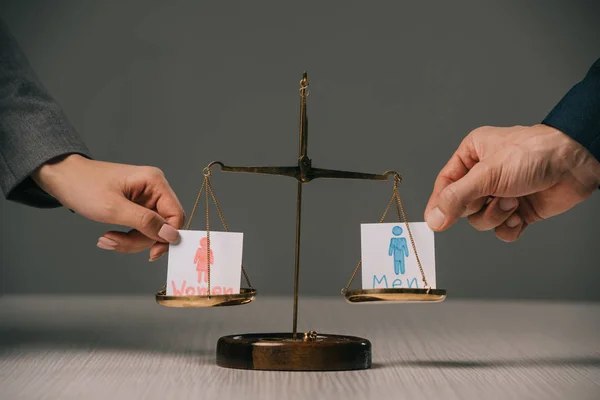
Gender inequality in marriage remains a significant issue in Kyrgyzstan, particularly with regard to the role of the kelin – the daughter-in-law – who is traditionally expected to shoulder numerous household responsibilities. In this patriarchal society, women often face pressure from their husbands’ families, limited career opportunities, and an unequal division of domestic labor.

According to recent data, 12.9% of women in Kyrgyzstan marry before the age of 18. This figure nearly doubles in rural areas compared to urban ones, reflecting stark regional disparities. Many families continue to uphold traditional expectations for women, especially the kelin, who is considered responsible for caring for her husband, his parents, the children, and the household.

The Kelin: Between Tradition and Change

Kyrgyz women have varying attitudes toward their role in the family. While some accept these expectations as part of their cultural heritage, others see them as a problem requiring change.

Personal Stories

Aizhan, 24, Osh (name changed):

“After marriage, I was expected to leave my job and devote myself fully to the household. Although my husband supports my career aspirations, there is pressure from both his parents and mine. In the early years of our marriage, I had to prove that I was a good wife – cooking, cleaning, and pleasing my mother-in-law – even though I had the opportunity to build a career. My parents also insisted that I focus on household duties to avoid being ridiculed by others. This frustrates me, but my husband stands by me.”

Nuria, 25, Naryn (name changed):

“In our social circle, it is rare for young couples to strive for equality in marriage. Traditional expectations remain strong, and sometimes compromises are necessary to maintain peace in the family. Early in my marriage, I didn’t feel much pressure, but after the birth of my child, I was often reminded that my primary role was now to be a mother and the keeper of the hearth.”

Ainura, 23, Bishkek (name changed):

“In the capital, it’s easier to be independent. More people here support the idea of equal rights. However, even in Bishkek, many girls face the expectation of becoming perfect kelins. This pressure usually comes from parents who cling to traditional values.”

Societal Expectations Beyond Marriage

For many young women, gendered expectations begin long before they marry. From an early age, girls are taught to prioritize marriage and family above personal ambitions.

Saule, 22, Bishkek:

“I’m 20 and don’t want to get married yet, but my relatives constantly hint that ‘the clock is ticking’ and that I should start looking for a groom. They don’t understand that I have other plans. Sometimes they introduce me to potential suitors, which is awkward and frustrating.”

In some families, restrictions are imposed on daughters to preserve their “marriage prospects.”

Kamilla, 23, Bishkek:

“I was often told to be modest, avoid friendships with boys, and dress conservatively because ‘I had to get married.’ Many girls like me missed out on a full teenage experience. However, I’ve noticed that the younger generation is growing more independent, which gives me hope.”

Regional Differences in Gender Norms

As the capital and largest city, Bishkek offers slightly more freedom and opportunities for women to balance family life with professional ambitions. Yet, even here, young wives often face pressure from parents who maintain traditional views.

Nationwide, the gender gap in domestic labor remains stark. Women in Kyrgyzstan spend nearly five times more time on unpaid household work than men. Among working women, this figure rises to 6.5 times. As a result, women have 1.4 times less free time for leisure and self-development compared to men.

Path Toward Equality

Despite persistent challenges, Kyrgyzstan is on the path to change. Progress will require a broader societal commitment to gender equality, including dismantling stereotypes, redistributing domestic responsibilities, and supporting women’s career aspirations.

Achieving true equality will involve not only changes in policy but a cultural shift in how the roles of women, particularly the kelin, are perceived within the family and society at large.

CSTO to Strengthen Tajik-Afghan Border in 2025

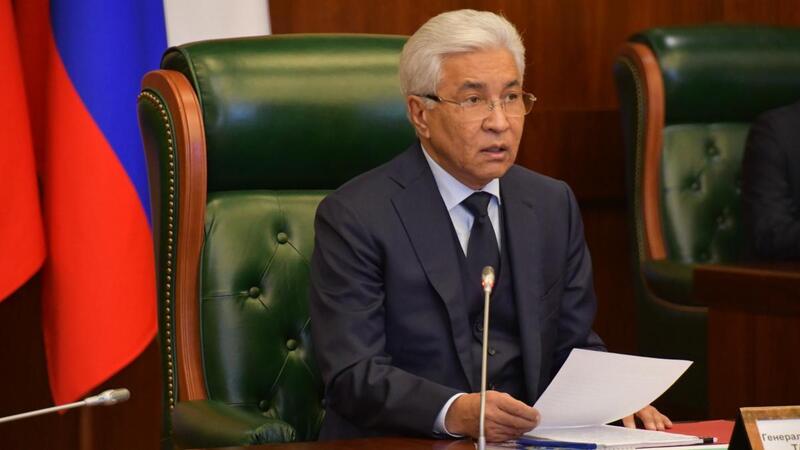
The Collective Security Treaty Organization (CSTO) will begin implementing a program to reinforce the Tajik-Afghan border in 2025, CSTO Secretary General Imangali Tasmagambetov announced during a meeting in Moscow on Thursday, according to Interfax.

Tasmagambetov explained that the program outlines concrete measures to enhance security along the southern boundary of the CSTO’s area of responsibility. This announcement was made during a meeting reviewing the CSTO secretariat’s and joint staff’s activities in 2024, as well as outlining objectives for 2025. The meeting was attended by Andrei Serdyukov, head of the CSTO joint staff.

In 2024, the CSTO finalized and signed agreements related to equipping its collective forces with modern weapons and military equipment. The organization also conducted joint operational and combat training exercises and actively collaborated with international organizations. As it looks ahead to 2025, the CSTO is drafting an action plan to focus on key priorities, including securing the Tajik-Afghan border, which has long been a source of concern for member states. The organization includes six member countries: Russia, Armenia, Belarus, Kazakhstan, Kyrgyzstan, and Tajikistan, though in December 2024, Armenian Prime Minister Nikol Pashinyan stated that his country’s relations with the CSTO have passed the “point of no return.”

The Shamsiddin Shokhin section of the Tajik-Afghan border, spanning more than 100 kilometers, has been particularly problematic for years. This area has witnessed numerous security incidents, including hostage-taking and attacks on Tajik citizens and military personnel.

The CSTO’s planned measures aim to address these challenges and bolster the security of this vulnerable region. By strengthening border security, the organization is seeking to reduce the risks posed by cross-border threats, including illegal trafficking and extremist activity.

Art and Inspiration: Capturing the Essence of Almaty

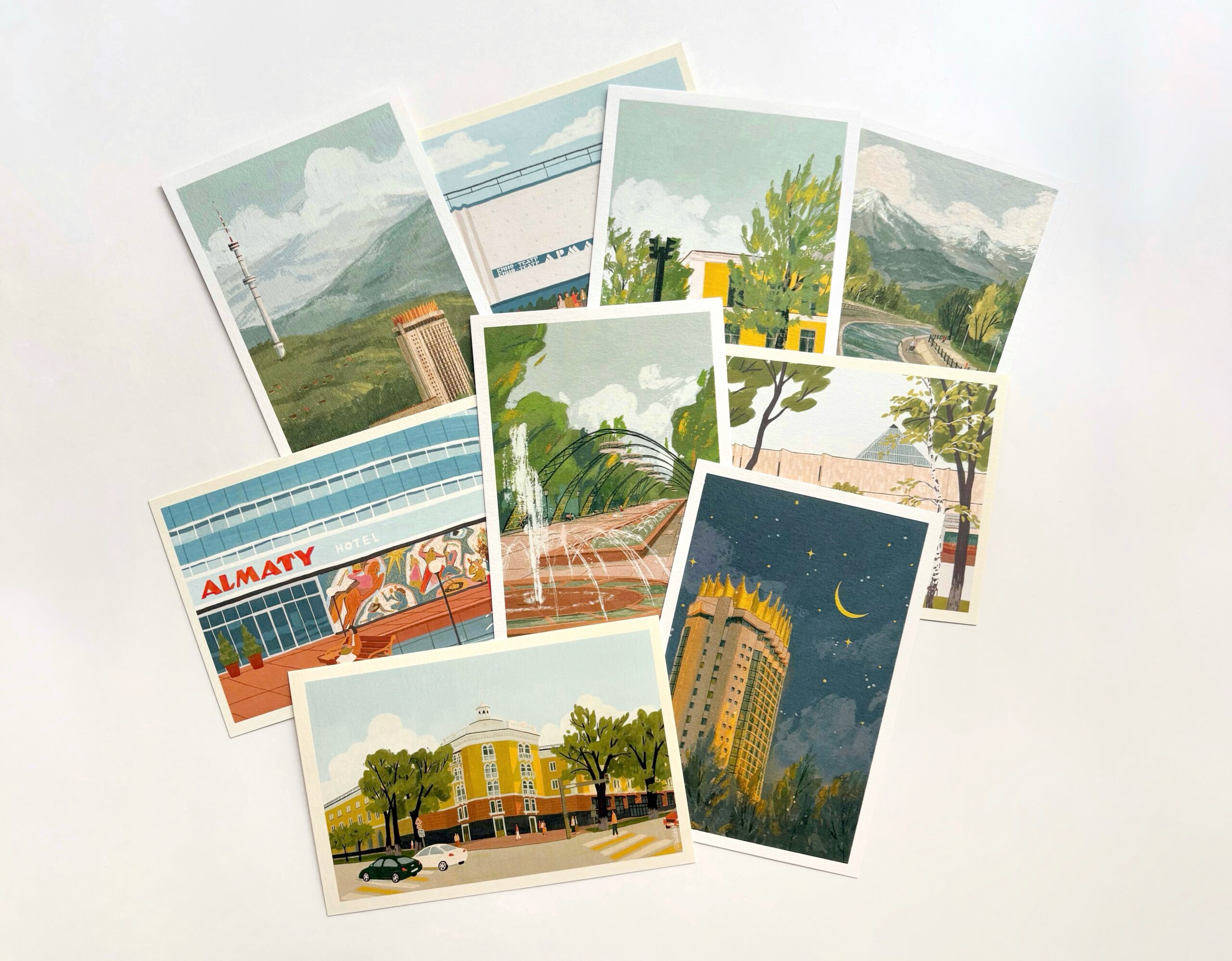
With colorful illustrations of landmarks, natural monuments, and city-life moments, Aidana Niyazalieva’s postcards of Almaty stand out. TCA spoke with the artist to learn more about her inspiration, creative process, and challenges behind her postcards and the Almaty arts scene.

TCA: What inspired you to start making postcards of Almaty?

I’ve been drawing since I can remember; everything surrounding me – my room, the streets, and the buildings – inspires me. This led me to study architecture. However, after working as an architect, I realized that my passion for drawing was stronger. I decided to try it, eventually devoting myself to illustration and turning this hobby into a profession. I started with the city I grew up in, Almaty, and created a few postcards of the views I walked past the most. This became a way to combine everything I love – art, architecture, and my love for the city.

TCA: How do you decide which landmarks, views, or themes to feature in your postcards?

I choose places and themes close to me that evoke an emotional connection in people. Usually, the ideas come from my walks around the city. During my walks, I take many photos for possible drawings. Sometimes, a few buildings of the same type could grow into a series of illustrations, as in the “Houses“ postcard set that was united by the old houses of the Soviet period located in a Golden Square area. Also, I might get requests from people about places they would like to see, as happened with the Kazakhstan Hotel or Esentai River illustrations.

TCA: What is your favorite spot in Almaty to capture in your art, and why?

My favorite place in Almaty is the old city center. Its unique architecture, with characteristic features from different periods from neoclassical to modernist buildings, and its streets with cafes and terraces have always attracted my attention. Those buildings keep their history, whether these are old houses with sophisticated details or monumental facades of theaters and institutes. When I’m there, I always look closely at small elements like the carved balconies, window frames, mosaics, and patterns on the facades – I try to capture them in every illustration.

TCA: Are there specific stories or personal memories behind some of your postcard designs?

As a local, I have a personal connection to almost every location I illustrate. Capturing a place authentically requires more than just visual reference – it also needs an emotional connection. That’s why I barely draw locations I’ve never visited. Behind almost every illustration is a moment tied to the place. For example, the Kasteyev Museum holds a special place in my heart. My grandma used to take me there often when I was little, and it’s where I first took art lessons. So, I decided to create this illustration to capture the architecture of the museum and the memories connected to the place.

TCA: Can you walk us through the creative process behind designing a postcard?

Firstly, after the location is chosen, I create a rough sketch to determine the composition that will best convey the atmosphere of the place. After that, I move on to the detailed drawing, experimenting with colors to find the palette reflecting the general mood. Then, I add finishing touches, like strokes, textures, and people. While placing them, I always love to imagine a little story of who they are and how they communicate with the place and each other. When everything is finished, I step aside and leave the finished illustration until the next day or so, and then I come back to see if anything needs to be retouched.

TCA: What tools and materials do you typically use for your art?

For the past few years, I switched from traditional materials to digital. When I started to take commissioned orders, it was also more convenient for me as it speeds up the process and makes it easier to edit the illustration for the client if needed. I use brushes and techniques similar to analog for digital drawings to keep the feeling of being made traditionally. When sketching just for myself, I usually use materials that are easy to carry with me, like brush pens or colored pencils.

TCA: How do you ensure your postcards capture the essence of Almaty?

There was a moment when I asked myself the same question: “How do you convey the core of Almaty in the illustrations?” To answer it, I decided to make a list of everything that, for me, defines the essence of the city. I later created a sticker sheet from that list called “Almaty is…, ” showcasing my associations with the city. The sheet includes nine stickers with the captions: “cozy balconies,” “summer terraces,” “fountains,” “walks,” “houses with history,” “colorful details,” Medeo,” “mountains,” and “cultural places.” I believe these are the signature elements that reflect Almaty’s unique character. So, when I create an illustration, I try to incorporate at least one of these elements to capture the atmosphere, whether it’s a cityscape or nature.

TCA: Do you collaborate with local businesses or other artists in Almaty?

Yes, I’ve collaborated a few times with local companies. The goal of such projects is usually not to earn money but to create new connections and promote each other’s work. Such projects also help to exchange your audiences. For example, there was a collaboration with a local photo studio for their birthday. We have created postcards and stickers that people could buy at their studio or directly from me. This way, more people reached out to both of us and even brought me more commissions.

TCA: What challenges have you faced as an independent artist in this niche?

During this period working for myself, I’ve had to struggle with a few things. The first thing is finding an audience. In the initial stages, attracting attention to my work was difficult. I had to learn how to properly present my projects on social media and local markets to get noticed. The second thing was the financial side, where I had to consider the cost of expenses on materials such as printing and packaging and, based on this, plan the budget so that the cost pays off and simultaneously keeps the price affordable. Another struggle is finding the balance between creativity and administration. Working for yourself, in addition to drawing, you have to do everything, from taking photos of your products and running social media to responding to messages and shipping orders. That takes a reasonable amount of time and energy, but all these challenges have taught me to stay flexible and organized.

TCA: How do you stay motivated and inspired to create new designs?

To keep myself motivated, I participate in local markets from time to time. Preparing for the market stimulates you to create something new, and it helps you revise and organize your workflow in a limited time, although it can be a little challenging. But mostly, I feel inspired by people who support my work. When I receive feedback from people telling me they have my art and send postcards around the world, it always warms my heart and motivates me to create more.

I also love trying new things: exploring new styles, participating in art challenges, workshops, or visiting shows by other artists. This helps me to stay inspired and not get stuck in a routine. Of course, there are moments of artistic block when it feels like you can’t create anything new. In these moments, I just allow myself to rest, switch to something else, or work on something small and insignificant – usually, it helps.

TCA: How does the culture and landscape of Almaty influence your work?

Over the past few years, the city’s landscape has changed a lot. There are lots of new buildings, cafes, and local businesses that constantly modify the urban identity. It inspires me to create works that combine heritage and modernity and adapt to changes in the city’s culture. For instance, in the past few years, people have spent more time on summer terraces due to the rise of cafes and coffee shop culture. One of the other changes is that people have become more aware of their surroundings, showing more interest in buildings’ history and details. All these changes stimulated me to highlight more of these moments in my illustrations.

TCA: If you could design a postcard to encapsulate Almaty’s spirit in one image, what would it look like?

If I had to think of a postcard to represent the city, I’d choose something that combines architectural landmarks and scenes of nature. I think that description applies to one of the existing postcards where we can see its famous buildings, like the Kazakhstan Hotel and the Kok Tobe TV tower that have become the city’s symbols, and there are our mountains with their green slopes in the background. That is, by the way, the postcard people tend to choose the most when they want to send it to someone to show the essence of Almaty.

If I were to create a postcard for a resident, the landscape would be different and include a place that might not exist today, but was prevalent in the old days. One such place was the Ldinka (Льдинка) Café, located in the heart of the Golden Square area. That postcard would be a mixture of the old and new. Along the way, there’s the Panfilov Street Promenade with crowds passing by, the Abay Opera House in the background, and mountain peaks in the distance. That kind of postcard, in my opinion, would evoke a nostalgic feeling in the older generation, but still be recognizable for the younger one, whilst simultaneously reflecting the city’s soul.

Kyrgyzstan Tightens Regulations on Religious Activities

Kyrgyzstan’s President Sadyr Japarov has signed into law a series of amendments regulating the religious sphere. The amendments, approved by the Kyrgyz parliament on December 26, 2024, aim to ensure the rights of citizens while establishing clear responsibilities for religious associations in accordance with the Law “On Freedom of Religion and Religious Associations.”

Key Provisions of the Amendments

The new legislation introduces several notable restrictions and guidelines:

  1. Prohibition of Face-Covering Clothing:
    Clothing that obscures a person’s identity, such as the niqab, is now banned in government offices and public places. Exceptions include clothing required for work or for medical purposes.
  2. Prohibition of Coercion in Religious Conversion:
    The amendments ban any form of coercion aimed at converting individuals to a particular religion. This includes targeting followers of other faiths, religiously neutral individuals, or atheists.
  3. Restrictions on Religious Ceremonies:
    Religious ceremonies, meetings, and other religious events are now prohibited in nursing homes, homes for the disabled, correctional institutions, pre-trial detention centers, and military units. Invitations to religious figures or preachers from foreign religious organizations for such events are also prohibited.
  4. Limitations on Religious Organizations:
    • Religious organizations are prohibited from interfering in the activities of state authorities or local governments.
    • Dissemination of religious literature, audio, and video materials in public places, educational institutions, or through door-to-door efforts is banned.
  5. Restrictions on Political and Electoral Activities:
    • Political parties cannot be established on a religious basis, nor can they be financed by foreign entities.
    • Civil servants are barred from engaging in religious activities, and religious materials cannot be used in electoral campaigns.
  6. Prohibition on Religious Terms in Business Names:
    The Kyrgyz Cabinet of Ministers approved list of religious words and terms that cannot be used in the names of businesses or legal entities. Prohibited terms include references from various religions, such as “Jesus Christ,” “The Bible,” “Jihad,” “Krishna,” “Kosher,” “Hajj,” and “Caliphate,” among others.

Expanding Oversight of Religious Activities

The new laws reflect the Kyrgyz government’s growing efforts to exert control over the religious sphere in the predominantly Muslim nation. Kyrgyzstan leads Central Asia in terms of the number of mosques per believer, with 3,593 mosques across the country as of 2024. Of these, 46 are registered in Bishkek and 89 in Osh. The country also has 220 religious educational institutions, most of which are located in the southern Osh region.

The restrictions on religious literature, events, and political activity come amid broader efforts to regulate religious influence on public and political life.

Implications for Religious Organizations

The prohibition on using religious terminology in business names has drawn particular attention, as the banned terms include key concepts from Islam, Christianity, and other major religions. This move could limit the visibility of religious organizations and restrict their operations in the public sphere.

Additionally, the ban on foreign preachers in sensitive locations, such as prisons and military units, underscores the government’s intent to limit external religious influence and maintain tighter control over religious practices within the country.

Kyrgyzstan’s amended laws mark a significant tightening of state regulation over religious activities. While the government frames these changes as necessary for ensuring order and protecting citizens’ rights, critics may view them as an attempt to curtail religious freedoms in a country known for its religious diversity. The long-term impact of these measures on the country’s religious landscape remains to be seen.

Migrants from Kyrgyzstan Anticipate Tougher Conditions for Work in Russia

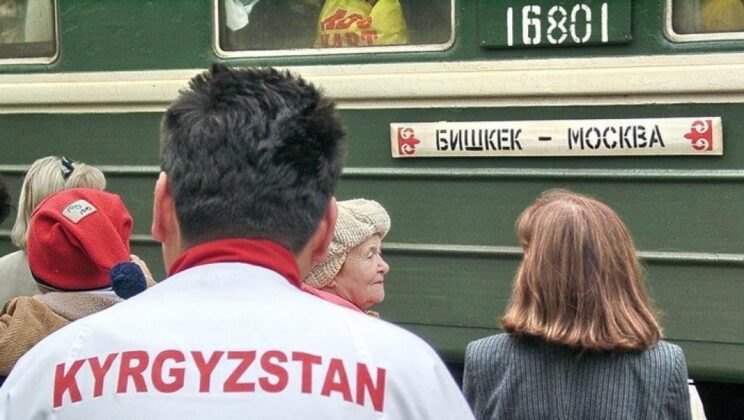
A majority of Kyrgyz citizens believe that working conditions for migrants in Russia will deteriorate significantly in the near future, according to a recent survey by the FOCUS Alliance of Euro-Asian Sociologists.

Survey Findings

The survey results paint a grim outlook for migrant workers from Kyrgyzstan:

  • 61.5% of respondents believe that conditions for migrant workers in Russia will worsen significantly.
  • 14.7% think the situation will remain the same.
  • 10.7% are confident that despite challenges, migrants will adapt.
  • Only 4.4% are optimistic, expecting improved conditions for foreign workers.
  • Another 8.9% found it difficult to predict the future of migrant labor in Russia.

A similar sentiment was observed in Uzbekistan. According to the same survey:

  • 35% of Uzbek respondents believe it will become impossible for migrants to find work in Russia.
  • 28% believe the situation will remain stable.
  • 22% are confident that migrant workers will overcome challenges.
  • 6% expect conditions to improve.

The survey, which included 1,433 participants, used a random sampling method with a margin of error of 3%.

Stricter Migration Policies in Russia

Russia has tightened its migration policies in recent months, with the State Duma passing multiple bills aimed at increasing oversight of foreign nationals.

The crackdown on migration follows a terrorist attack at Moscow’s Crocus City Hall, which reignited debates around national security and the regulation of foreign labor. Russian President Vladimir Putin emphasized that the interests of Russian citizens must take priority in drafting migration laws. He also stressed the importance of migrants adhering to local legislation and having knowledge of the Russian language.

These developments reflect a growing trend in Russia to limit migration and impose stricter conditions on foreign workers.

Kyrgyzstan’s Response

Despite the challenges, Kyrgyzstan remains committed to labor migration as a critical aspect of its economy. Deputy Chairman of the Cabinet of Ministers Edil Baisalov reassured that the country will continue to export labor to Russia.

Russia is a key destination for Kyrgyz migrant workers, with remittances from workers abroad making up a significant portion of Kyrgyzstan’s GDP. However, with stricter migration laws and a shifting labor market, the ability of Kyrgyz workers to sustain their livelihoods in Russia may face serious obstacles.

The survey results highlight widespread pessimism among Kyrgyz and Uzbek citizens regarding the future of migrant work in Russia. Stricter migration policies and a focus on prioritizing Russian citizens are contributing to uncertainty for Central Asian migrant workers. While Kyrgyzstan continues to rely on labor migration to support its economy, adapting to the evolving conditions in Russia will require resilience and potentially new strategies to protect its migrant workforce.