• KGS/USD = 0.01144 0%
  • KZT/USD = 0.00193 -0%
  • TJS/USD = 0.10811 -0.28%
  • UZS/USD = 0.00008 0%
  • TMT/USD = 0.28490 0%
  • KGS/USD = 0.01144 0%
  • KZT/USD = 0.00193 -0%
  • TJS/USD = 0.10811 -0.28%
  • UZS/USD = 0.00008 0%
  • TMT/USD = 0.28490 0%
  • KGS/USD = 0.01144 0%
  • KZT/USD = 0.00193 -0%
  • TJS/USD = 0.10811 -0.28%
  • UZS/USD = 0.00008 0%
  • TMT/USD = 0.28490 0%
  • KGS/USD = 0.01144 0%
  • KZT/USD = 0.00193 -0%
  • TJS/USD = 0.10811 -0.28%
  • UZS/USD = 0.00008 0%
  • TMT/USD = 0.28490 0%
  • KGS/USD = 0.01144 0%
  • KZT/USD = 0.00193 -0%
  • TJS/USD = 0.10811 -0.28%
  • UZS/USD = 0.00008 0%
  • TMT/USD = 0.28490 0%
  • KGS/USD = 0.01144 0%
  • KZT/USD = 0.00193 -0%
  • TJS/USD = 0.10811 -0.28%
  • UZS/USD = 0.00008 0%
  • TMT/USD = 0.28490 0%
  • KGS/USD = 0.01144 0%
  • KZT/USD = 0.00193 -0%
  • TJS/USD = 0.10811 -0.28%
  • UZS/USD = 0.00008 0%
  • TMT/USD = 0.28490 0%
  • KGS/USD = 0.01144 0%
  • KZT/USD = 0.00193 -0%
  • TJS/USD = 0.10811 -0.28%
  • UZS/USD = 0.00008 0%
  • TMT/USD = 0.28490 0%
10 December 2025

Kazakhstan Restricts Potato Exports to Non-EAEU Countries Amid Price Surge

Rising potato prices in Kazakhstan have prompted the government to impose a six-month restriction on potato exports to non-Eurasian Economic Union (EAEU) countries, according to Tengrinews. The decision is aimed at stabilizing domestic prices and preventing further spikes.

Price Surge Linked to High Export Demand

The price increase has been driven by strong demand from neighboring countries, particularly Uzbekistan, and rising export prices. In 2024, Kazakhstan’s potato exports increased by 1.5 times, from 411,000 metric tons to 605,000 tons, according to government data. Export-oriented producers significantly raised their prices, increasing them from 170 KZT ($0.32) to 270 KZT ($0.51) per kilogram.

This spike in export demand has directly impacted the domestic market, with retail prices soaring in many regions. For example:

  • In Aktobe, potatoes were sold for no more than 200 KZT per kilogram in early January but doubled within a week.
  • In supermarkets, prices have climbed to 388 KZT ($0.73) per kilogram, with some areas seeing prices as high as 400 KZT ($0.75) per kilogram.

Even lower-quality potatoes have become more expensive, as sellers report rising costs with every new shipment.

Export Restrictions to Stabilize Prices

To address these challenges, the government has restricted potato exports to non-EAEU countries for six months. Exports to EAEU member states will continue but under stricter oversight. As part of these measures, the issuance of phytosanitary certificates for exports has been entirely suspended as of January 16, 2025.

Sufficient Reserves to Meet Domestic Needs

Despite the export restrictions, the Ministry of Agriculture has assured citizens that domestic reserves are sufficient to meet demand until the early 2025 harvest. As of January 19, reserves (excluding stocks in trade networks) amount to over 850,000 tons.

Key figures from 2024 and early 2025 include:

  • Total potato harvest (2024): 2.9 million tons, including 300,000 tons from the early harvest.
  • Imports (2024): 56,000 tons.
  • Consumption (August–December 2024): 844,000 tons.
  • Exports (2024): 620,000 tons.
  • Forecasted consumption (January–April 2025): 675,000 tons.

The government’s measures aim to ensure that prices stabilize while maintaining sufficient supplies for domestic consumers until the next harvest.

Growth vs. Food Security

Kazakhstan’s decision to restrict potato exports to non-EAEU countries highlights the delicate balance between export-driven agricultural growth and ensuring food security at home. While the restrictions are expected to ease price pressures domestically, they underscore the challenges of managing supply chains and export demand in a region with fluctuating agricultural dynamics.
EBRD Invests Record €2.26 Billion in Central Asia in 2024

The European Bank for Reconstruction and Development (EBRD) reached a record level of investment in Central Asia in 2024, contributing €2.26 billion to 121 projects across six countries in the region. This was nearly double the amount invested in 2023. Additionally, the EBRD attracted €784 million from co-financiers, bringing the total investment in the region’s economy to over €3 billion.

Uzbekistan and Kazakhstan Lead in Funding

Uzbekistan and Kazakhstan were the largest recipients of EBRD funding, securing €938 million and €913 million, respectively. These two nations ranked as the fifth and sixth largest destinations for EBRD investments globally in 2024.

Other countries in the immediate region also benefited from significant funding, with Mongolia receiving €264 million, Tajikistan €88 million, and the Kyrgyz Republic €52 million.

Focus on Sustainable Infrastructure and Green Economy

The majority of EBRD investments in Central Asia supported sustainable infrastructure projects, accounting for 61% of the total. Another 24% was channeled to local banks to assist small businesses, women entrepreneurs, and youth-focused initiatives, as well as projects promoting climate resilience and resource efficiency. The remaining 15% was allocated to private-sector companies.

In alignment with the Paris Agreement, 58% of EBRD investments in the region went to projects promoting a green economy.

Milestones in 2024

The EBRD achieved several notable milestones in 2024:

  • Total investments in Kazakhstan surpassed €10 billion.
  • Uzbekistan reached €5 billion in cumulative EBRD funding.
  • Both Tajikistan and the Kyrgyz Republic exceeded €1 billion in total investments since the EBRD began operations in the region 30 years ago.

Landmark Projects

The EBRD financed several groundbreaking projects in Central Asia during 2024, including:

  • Uzbekistan: €59 million for a renewable hydrogen facility aimed at decarbonizing the fertilizer sector.
  • Kazakhstan: €96.4 million for a new wastewater treatment plant in Aktobe, the largest municipal project supported by the EBRD in the region.
  • Mongolia: €11.3 million to support the first green bond issued by a local bank.

Investments in Energy Infrastructure

Significant funding was also allocated to improving electricity grids across the region:

  • In Kazakhstan, €252 million was used to construct 600 km of transmission lines.
  • In Uzbekistan, €60.3 million supported the development of a 230 km transmission line in the Navoi region.
  • In the Kyrgyz Republic, €14 million upgraded power infrastructure in Osh and Issyk-Kul.
  • In Tajikistan, €31 million was allocated to improve a transformer in the Sugd region.

Investments in Health and Transportation

The EBRD also provided substantial funding for healthcare and infrastructure projects:

  • Kazakhstan: €365 million for a hospital project.
  • Uzbekistan: €216 million for a road and bridge project in the Khorezm region.
  • Mongolia: €39.2 million for a hospital in Darkhan.

Support for Small Businesses

The EBRD continued its efforts to empower small businesses in Central Asia, providing advisory services to more than 450 small and medium-sized enterprises (SMEs). Over 8,000 SMEs benefited from training and mentoring programs.

In Tajikistan, the EBRD launched its Star Venture initiative, allocating €28 million to 25 high-growth companies through agreements with local banks.

The EBRD’s Legacy in Central Asia

As the largest institutional investor in Central Asia, the EBRD has financed 1,163 projects in the region, investing a cumulative €21.5 billion to date. The bank’s efforts aim to foster a sustainable and green economy while supporting local businesses and communities.

Kyrgyzstan Explores Hungarian Agricultural Technologies

The 3rd Kyrgyz-Hungarian Agricultural Forum was held on January 17 in Budapest, Hungary, with the goal of strengthening ties between agricultural companies from Kyrgyzstan and Hungary. According to the Kyrgyz government’s official website, the forum showcased Hungary’s innovative agricultural technologies and solutions to address challenges in the sector.

Focus on Innovation and Sustainability

At the forum, leading Hungarian agricultural companies presented modern technologies aimed at increasing crop yields, improving irrigation systems, processing agricultural products, and promoting environmentally sustainable farming practices. These innovations align with Kyrgyzstan’s growing need to modernize its agricultural sector and improve productivity.

Kyrgyzstan Seeks Hungarian Expertise

Speaking at the forum, Kyrgyzstan’s Deputy Chairman of the Cabinet of Ministers and Minister of Water Resources, Agriculture, and Processing Industry, Bakyt Torobayev, emphasized Kyrgyzstan’s interest in Hungary’s expertise.

“Hungary is a reliable partner with extensive experience in agricultural technologies, including processing agricultural products, improving plant varieties, and supporting the development of small and medium-sized farms,” Torobayev said.

He invited Hungarian entrepreneurs to expand their operations in Kyrgyzstan, noting that the country’s new economic policy focuses on three key sectors: agriculture, energy, and transport and transit.

Torobayev highlighted Kyrgyzstan’s strategic location at the crossroads of the ancient Silk Road, which offers unique advantages for international trade. He pointed to the ongoing construction of the China-Kyrgyzstan-Uzbekistan railway as a critical infrastructure project to connect Central Asia with China, South Asia, Europe, and beyond.

Meeting Between Kyrgyz and Hungarian Officials

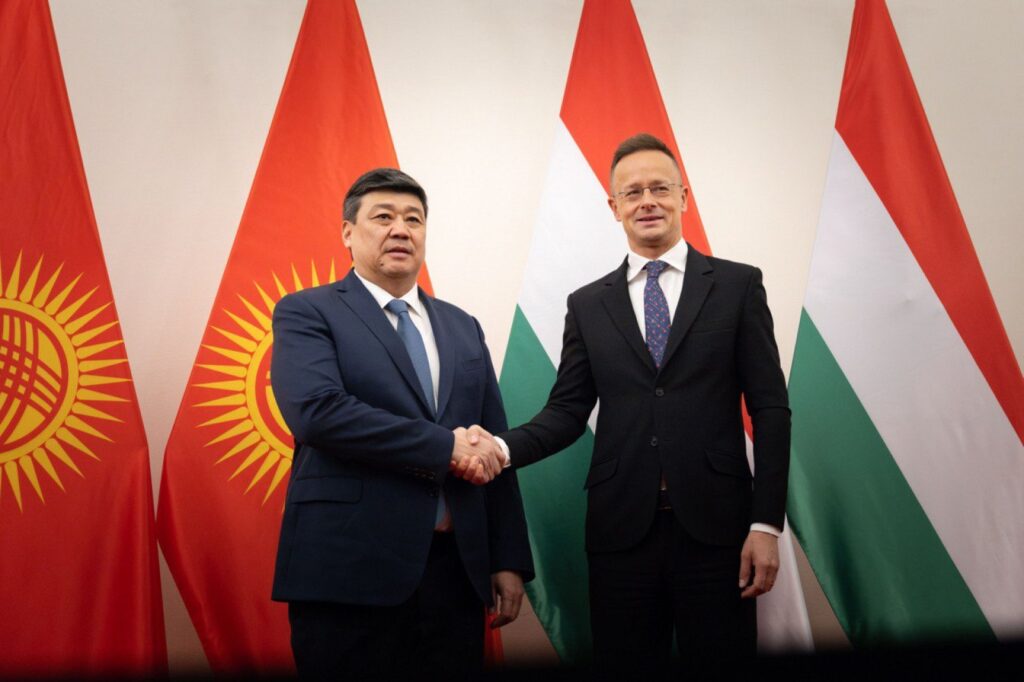
On the same day, Torobayev held discussions with Hungary’s Minister of Foreign Affairs and Trade, Péter Szijjártó. The meeting centered on implementing the Declaration of Enhanced Strategic Partnership, signed in November 2023 during Hungarian Prime Minister Viktor Orbán’s visit to Bishkek.

One key topic of discussion was the preparation of a comprehensive long-term development plan for Lake Issyk-Kul, Kyrgyzstan’s largest lake and a vital tourist destination. The plan aims to address environmentalconcerns such as climate change, ecosystem degradation, and overuse of natural resources. Hungarian specialists, drawing on their experience with Lake Balaton, will collaborate with Kyrgyz counterparts to develop and regulate the Issyk-Kul region.

Enhancing Bilateral Cooperation

Another significant outcome of the meeting was the agreement to increase the authorized capital of the Kyrgyz-Hungarian Development Fund by an additional $34 million. This fund plays a crucial role in fostering economic collaboration between the two countries.

The ministers also discussed:

  • Increasing exports of Kyrgyz agricultural products to Europe, focusing on environmentally friendly produce.
  • Establishing logistics centers that adhere to European quality and safety standards.

Hungary’s Growing Interest in Central Asia

Hungary has consistently sought to deepen its engagement with Turkic-speaking countries in Central Asia. As an observer state of the Organization of Turkic States (OTS), which includes Azerbaijan, Kazakhstan, Kyrgyzstan, Turkey, and Uzbekistan, Hungary has prioritized economic and cultural ties with the region. Turkmenistan also holds observer status within the OTS.

Kazakhstan Plans to End State Regulation of Fuel Prices

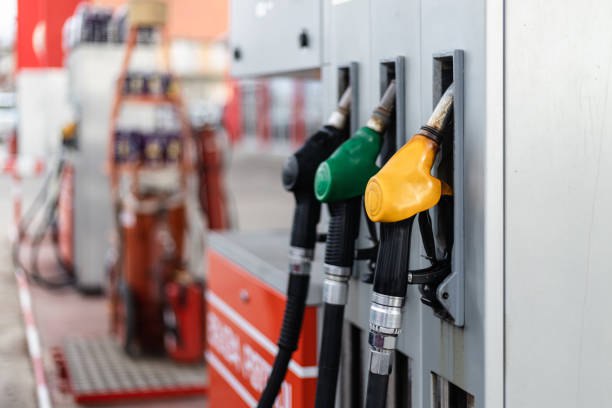
Kazakhstan’s Ministry of Energy is considering the phased liberalization of gasoline and diesel fuel prices as part of a broader reform aimed at addressing price disparities with neighboring countries and curbing illegal fuel exports.

The proposed changes have been outlined in a draft document published on the Open NAP portal. The reform would gradually shift fuel pricing from state regulation to a market-based system.

Since May 2024, Kazakhstan has implemented a differentiated pricing mechanism, but the Ministry of Energy acknowledges that state regulation has made Kazakhstan the country with the lowest fuel prices in the region. This disparity has incentivized “gray” fuel exports – illegal cross-border sales – and contributed to domestic shortages of petroleum products.

Currently, a liter of AI-92 gasoline in Kazakhstan costs 205 KZT ($0.39), significantly cheaper than in neighboring countries:

  • Russia: 288 KZT ($0.54)
  • Kyrgyzstan: 385 KZT ($0.72)
  • Uzbekistan: 489 KZT ($0.92)

The price gap is similarly wide for diesel fuel:

  • Kazakhstan: 295 KZT ($0.56)
  • Russia: 355 KZT ($0.67)
  • Kyrgyzstan: 427 KZT ($0.80)
  • Uzbekistan: 528 KZT ($0.90)

Price differences for gasoline range from 40% to 138%, while for diesel fuel the gap is between 20% and 79%.

The Ministry of Energy emphasizes that this price liberalization is crucial for addressing the challenges caused by these discrepancies. According to the Ministry, the reform will help:

  • Prevent illegal fuel exports.
  • Ensure the economic viability of oil production projects.
  • Enable expansion of refinery capacity from 18 million to 28 million tons per year.

The modernization of the oil refining sector, spurred by market-based pricing, would also create new jobs and provide additional funding for government programs.

“Phased liberalization of prices with priority support for socially vulnerable segments of the population is necessary. It will create a sustainable system for supplying the domestic market and ensure economic feasibility,” the Ministry’s explanatory note states.

The Ministry has assured the public that the transition to market pricing will be gradual and carefully managed to avoid sharp or sudden price increases. Authorities also promise strengthened oversight of the fuel and lubricants market to ensure uninterrupted supply and compliance with legal standards.

Agricultural producers, a key sector reliant on affordable fuel, will retain access to subsidized pricing under transparent mechanisms. Additionally, the government has pledged to implement social support measures to protect low-income and vulnerable populations from the financial impact of rising fuel prices.

“Liberalization will ensure predictability of changes and create conditions for modernization of the industry. Social support will be prioritized, and agricultural producers will continue to benefit from structured access to fuel,” the Ministry emphasized.

Kazakhstan’s plan to phase out state regulation of fuel prices marks a significant shift in the country’s energy policy. By transitioning to market pricing, the government aims to address long-standing challenges, including illegal exports and underinvestment in refinery modernization, while also ensuring social protections for vulnerable groups. The success of this reform will depend on how effectively the government balances economic modernization with public concerns over rising fuel costs.

Study Highlights Plastic Waste Challenges in Kazakhstan

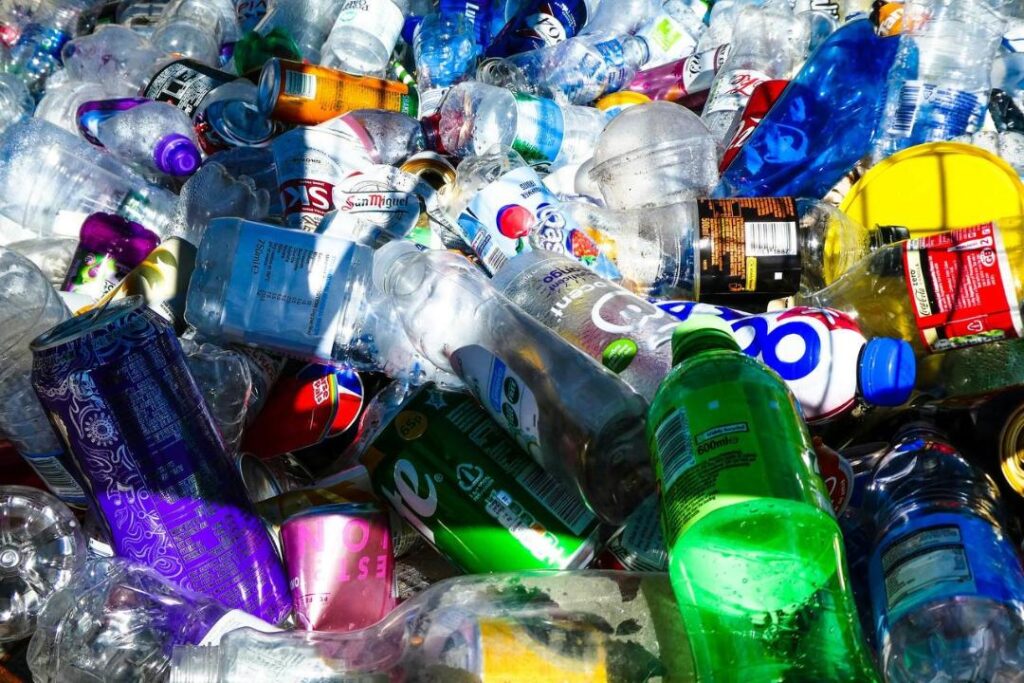
Kazakhstan is grappling with a growing plastic pollution problem, as highlighted in a recent study conducted by the Ministry of Ecology and Natural Resources. The research, covering the period from 2013 to 2022, provides critical insights into the increase in plastic consumption, the resulting waste, and the systemic challenges that hinder effective waste management. The findings were part of the regional project “Plastic Waste in Remote and Mountainous Areas of Kazakhstan and Uzbekistan,” implemented by the CSD Center (Cooperation for Sustainable Development of the Republic of Kazakhstan).

Rapid Growth in Plastic Consumption

The study revealed a significant rise in the volume of plastic products entering the Kazakh market over the past decade, increasing from 387,000 tons in 2013 to 855,000 tons in 2022. Key industries driving this growth include:

  • Packaging: Representing over 23% of total plastic consumption, with 196,000 tons used in 2022 alone.
  • Construction: Accounting for 19% (167,000 tons), where plastic is used in durable materials such as pipes and insulation.
  • Transport: Consuming 17% of all plastic due to the increased production of vehicles and the use of lightweight plastic components.

Escalation in Plastic Waste

The growing use of plastic has led to a corresponding rise in waste. In 2022, plastic waste generation reached 296,000 tons, more than double the amount recorded in 2013. Packaging remains the largest source of waste, comprising 66% of the total, largely due to the prevalence of disposable plastic bags and other single-use packaging materials.

By contrast, the construction and transport sectors generated relatively less waste, as the plastic used in these industries typically has a longer lifespan.

The study also identified the primary types of plastic waste in Kazakhstan:

  • Polyethylene: 38%
  • Polypropylene: 23%
  • Polyethylene terephthalate (PET): 14%

Challenges in Plastic Waste Management

The research outlined several obstacles that hinder effective management of plastic waste in Kazakhstan:

  • Insufficient Infrastructure: Existing waste management facilities are unable to handle the growing volumes of plastic waste.
  • Lack of Separate Collection Systems: The absence of infrastructure for sorting waste at the source limits recycling efforts.
  • Low Environmental Awareness: A significant portion of the population remains unaware of the importance of waste sorting and recycling.

Recommendations for a Circular Economy

To address these issues, the study suggests improving legislation to limit the use of single-use plastic items and promote the adoption of recycled materials. These measures could create favorable conditions for Kazakhstan’s transition to a circular economy, where resources are reused and recycled rather than discarded.

Additionally, the research emphasizes the need to develop infrastructure for waste sorting and recycling while raising public awareness about the environmental impact of plastic pollution.

Regional Context

Kazakhstan’s findings are part of broader efforts across Central Asia to combat plastic pollution. Countries in the region, including Kazakhstan, are exploring initiatives such as phasing out plastic bags to address the growing environmental challenge. For an overview of these regional efforts, see The Times of Central Asia’s reporton plastic bag bans.

Conclusion

Kazakhstan’s plastic waste study highlights the urgent need for systemic change in managing plastic consumption and waste. While the rise in plastic use reflects economic growth in key industries, the lack of effective recycling systems poses a significant environmental challenge. With the right legislative reforms and public awareness campaigns, Kazakhstan can take meaningful steps toward reducing plastic pollution and transitioning to a sustainable circular economy.

Massive Reserve for Red-Listed Animals to Be Created in Southern Kyrgyzstan

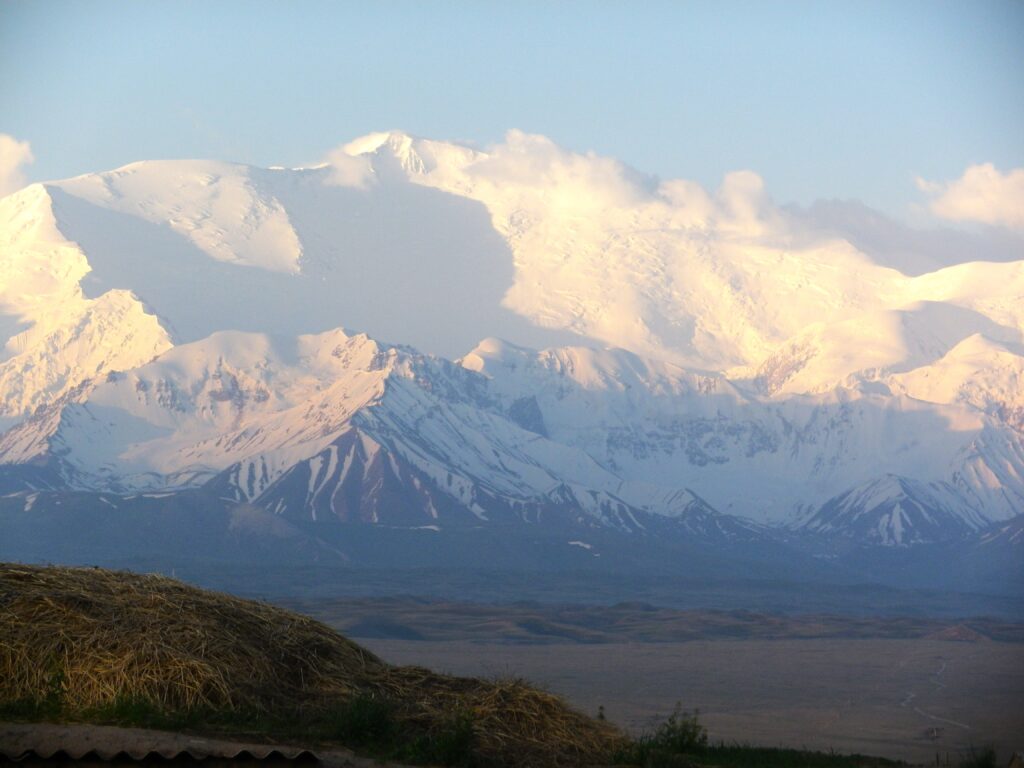
Kyrgyzstan’s Ministry of Natural Resources, Ecology, and Technical Supervision has proposed the creation of a new state natural park, Chon-Alai, in the southern region of Osh oblast. The planned park, covering an area of 66,830.79 hectares, aims to protect unique natural ecosystems and conserve endangered species of flora and fauna. A draft resolution has been published for public discussion.

Land Reallocation for the Park

To establish the Chon-Alai Nature Park, the government plans to reallocate 23,473.79 hectares of land from the “Reserve Land” category in the Chon-Alai district, as well as 43,357 hectares from the “State Forest Fund” under the Alai Forestry Administration. The combined area will be designated as a specially protected natural area.

According to the Ministry of Natural Resources, the proposed territory meets all the criteria for protected areas, as it contains rare ecosystems and populations of endemic species. The park will span three sites on the southern macro-slope of the Alai Ridge and two sites on the northern slope of the western Zaalai Ridge, including part of the Kyzyl-Suu-Zapadnaya River valley.

This region has been recognized for its environmental significance for years. As far back as 2004, there have been plans to establish a transboundary Pamir-Alai Nature Park in this area.

Protecting Red-Listed Species

The primary purpose of the Chon-Alai Nature Park is to ensure the protection of species listed in the Red Book of Kyrgyzstan and the International Union for Conservation of Nature (IUCN). The park will help preserve habitats for rare and endangered species, including:

  • Mammals: Snow leopard, brown bear, Central Asian otter, Turkestan lynx, and warthog;
  • Birds: Golden eagle, black vulture, and Alayan shieldbill;
  • Fish: Turkestan catfish;
  • Flora: Christoph’s jaundice, Romanov’s parnassus, evasive alaya, and Kostychev’s prostrel.

The creation of the park will provide a safe haven for these species, many of which are threatened by habitat loss, climate change, and human activity.

A Milestone for Conservation

The establishment of the Chon-Alai Nature Park represents a significant step forward in Kyrgyzstan’s efforts to preserve its natural heritage. By protecting critical habitats and endangered species, the park will contribute to both national and global conservation goals.