• KGS/USD = 0.01144 0%
  • KZT/USD = 0.00196 -0%
  • TJS/USD = 0.10899 -0%
  • UZS/USD = 0.00008 -0%
  • TMT/USD = 0.28490 0%
  • KGS/USD = 0.01144 0%
  • KZT/USD = 0.00196 -0%
  • TJS/USD = 0.10899 -0%
  • UZS/USD = 0.00008 -0%
  • TMT/USD = 0.28490 0%
  • KGS/USD = 0.01144 0%
  • KZT/USD = 0.00196 -0%
  • TJS/USD = 0.10899 -0%
  • UZS/USD = 0.00008 -0%
  • TMT/USD = 0.28490 0%
  • KGS/USD = 0.01144 0%
  • KZT/USD = 0.00196 -0%
  • TJS/USD = 0.10899 -0%
  • UZS/USD = 0.00008 -0%
  • TMT/USD = 0.28490 0%
  • KGS/USD = 0.01144 0%
  • KZT/USD = 0.00196 -0%
  • TJS/USD = 0.10899 -0%
  • UZS/USD = 0.00008 -0%
  • TMT/USD = 0.28490 0%
  • KGS/USD = 0.01144 0%
  • KZT/USD = 0.00196 -0%
  • TJS/USD = 0.10899 -0%
  • UZS/USD = 0.00008 -0%
  • TMT/USD = 0.28490 0%
  • KGS/USD = 0.01144 0%
  • KZT/USD = 0.00196 -0%
  • TJS/USD = 0.10899 -0%
  • UZS/USD = 0.00008 -0%
  • TMT/USD = 0.28490 0%
  • KGS/USD = 0.01144 0%
  • KZT/USD = 0.00196 -0%
  • TJS/USD = 0.10899 -0%
  • UZS/USD = 0.00008 -0%
  • TMT/USD = 0.28490 0%
08 December 2025

Chinese Company to Manufacture Drones in Kazakhstan

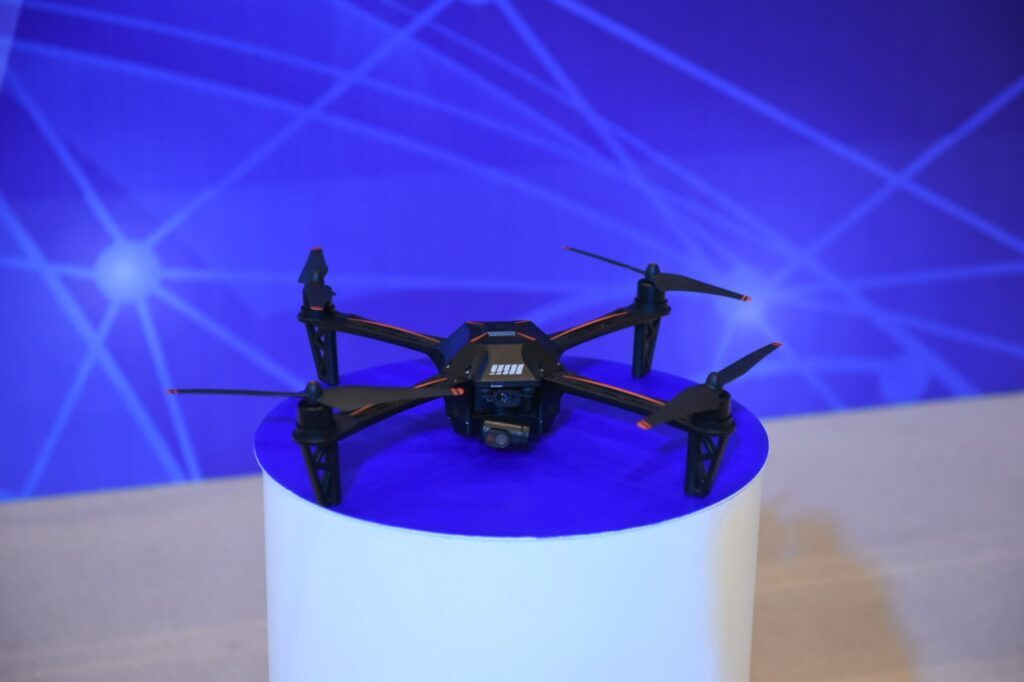
Yesil Technology Company, a subsidiary of China’s Shaanxi Kaizhuo Electronic Technology Co., Ltd., is set to establish an industrial drone production facility in Kazakhstan. The project, valued at approximately $12 million, marks a significant step in advancing high-tech manufacturing in the country.

Construction of the production and research zone, spanning 50,000 square meters, will begin in March 2025 in the Almaty region. The facility will include a workshop for manufacturing drone batteries, a research center for innovative technologies, a full-cycle machine storage, and a test site for drones. Supported by the national company Kazakh Invest, the initiative is projected to create 500 new jobs.

The drones manufactured in Kazakhstan will serve both the domestic market and be exported to neighboring Central Asian countries.

Yesil Technology aims to integrate advanced UAV (unmanned aerial vehicle) technologies into various sectors, including agricultural monitoring, environmental protection, securing sensitive facilities, emergency rescue operations, and counter-drone measures.

Yongning Hui, the head of Yesil Technology, highlighted the company’s commitment to solving critical challenges in the drone industry, including extending UAV flight ranges, enhancing intelligent obstacle avoidance, and improving navigation precision and stability.

“Yesil Technology actively attracts outstanding scientists and researchers from around the world, focusing on solving key problems such as the limitation of unmanned aerial vehicles’ flight range, the accuracy of intelligent obstacle avoidance, and the precision and stability of navigation, which hinder industry development,” Hui stated. “Today, our products already have the ability to operate stably in the most challenging conditions and accurately perform tasks, providing users with calm and reliable aviation services. Yesil Technology also takes on an important mission to train local personnel in unmanned aerial vehicle technology.”

The company’s efforts come at a time of rapid global growth in the low-altitude economy. According to the World Federation of Unmanned Aerial Vehicles, the market for low-altitude drones and related technologies reached $318.64 billion in 2024. By 2050, this figure is expected to surpass $8.8 trillion.

China has emerged as a leader in this sector, with its low-altitude economy market valued at $68.65 billion in 2023. Projections for 2024 estimate growth to $79 billion, with an average annual growth rate of over 16% anticipated over the next five years.

The establishment of the drone production facility in Kazakhstan aligns with the country’s broader goals of fostering technological innovation and regional economic integration.
EBRD Investments in Central Asia Hit Record High in 2024

The European Bank for Reconstruction and Development (EBRD) has announced a record-breaking year in Central Asia, investing €2.26 billion across 121 projects in 2024. This marks a significant milestone for the region, with the EBRD nearly doubling its annual investment compared to 2023.

In addition to its own financing, the EBRD mobilized €784 million from co-financiers, bringing total investments in the region’s real economy to over €3 billion.

Uzbekistan and Kazakhstan were the primary beneficiaries of EBRD funding, receiving €938 million and €913 million, respectively. These figures placed the two nations as the fifth and sixth largest EBRD investment destinations globally in 2024. Tajikistan received €88 million in EBRD funding, while Kyrgyzstan attracted €52 million.

The bulk of EBRD investments – 61% – was directed toward sustainable infrastructure projects, while 24% of funds were allocated to local banks for on-lending to small and medium-sized enterprises (SMEs), women and young entrepreneurs, and initiatives focused on climate resilience and resource efficiency. The remaining 15% supported corporate sector clients.

As the largest institutional green lender in the region, the EBRD has fully aligned its operations with the Paris Agreement. In 2024, 58% of its investments supported green economy projects, reaffirming its commitment to promoting sustainable development.

The EBRD achieved major cumulative milestones last year. In Kazakhstan, its total investments surpassed €10 billion, while in Uzbekistan, cumulative funding reached €5 billion. Tajikistan and Kyrgyzstan have now each received over €1 billion from the bank since it began operating in Central Asia three decades ago.

Overall, the EBRD remains the leading institutional investor in Central Asia, having financed 1,163 green and inclusive projects totaling €21.5 billion to date.

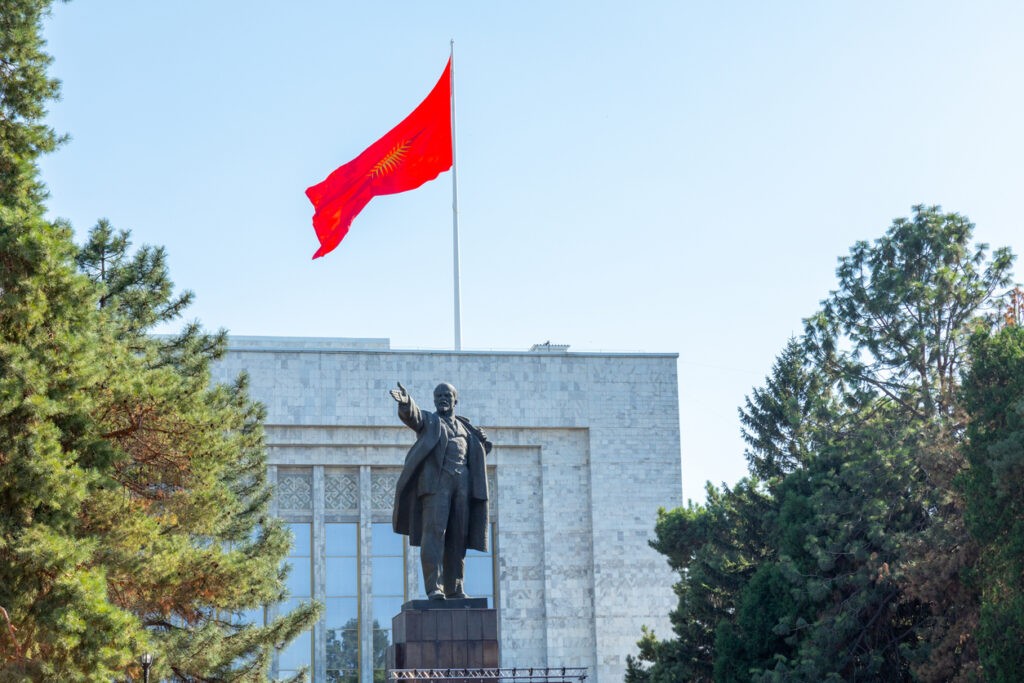
Kyrgyz MP Urges Parliament to Preserve Lenin Monument in Bishkek

Kyrgyz parliamentary deputy Iskhak Masaliyev has called on his fellow parliamentarians to refrain from debating the removal of the Vladimir Lenin monument in Bishkek’s Old Square. Speaking during a parliamentary session, Masaliyev emphasized that the proposal to dismantle the statue is both untimely and dismissive of Lenin’s historical contribution to the formation of Kyrgyz statehood.

Masaliyev reminded lawmakers that while the collapse of the Soviet Union granted independence to many nations, Soviet governance played a pivotal role in establishing the foundations of statehood for certain republics, including Kyrgyzstan. He outlined the historical context of the early 20th century, noting that the territory of modern Kyrgyzstan was then divided – part of it belonging to the Russian Empire and the other to the Kokand Khanate. According to the MP, the October Revolution was instrumental in creating the Kara-Kyrgyz Autonomous Oblast, which later evolved into the Kyrgyz Autonomous Soviet Socialist Republic and, eventually, an independent Kyrgyz state.

“Many nations of the world still do not have their own territory. We, on the other hand, have a state with clearly defined borders, and Vladimir Lenin’s role in this is significant. I say this not as a politician, but as a historian,” Masaliyev declared.

The MP expressed concern about modern society’s increasing disregard for history, noting that a substantial portion of the Kyrgyz population – around 30 to 40 percent – lived during the Soviet era and were shaped by its values. Erasing the memory of that period, he argued, is both impractical and disrespectful to the past.

Masaliyev also pointed out the proximity of Lenin’s monument to a statue of Turdakun Usubaliyev, a prominent Soviet-era statesman and reformer. He argued that commemorating Usubaliyev and other notable figures from the Soviet period while removing Lenin’s monument would be inconsistent, as all were part of the same ideological framework underpinned by Lenin’s leadership.

“We must understand that we cannot simultaneously honor some of them while rejecting the memory of others,” Masaliyev stressed.

In closing, Masaliyev urged his colleagues to shelve the debate over the Lenin monument, suggesting that the parliament’s focus should instead be directed toward more pressing national issues.

The discussion surrounding the Lenin statue gained momentum after parliament deputy speaker Nurbek Sydygaliyev proposed its removal, arguing that the square is named after Turdakun Usubaliyev and should honor his legacy exclusively.

Kyrgyz Bank Hit by U.S. Treasury Department Sanctions

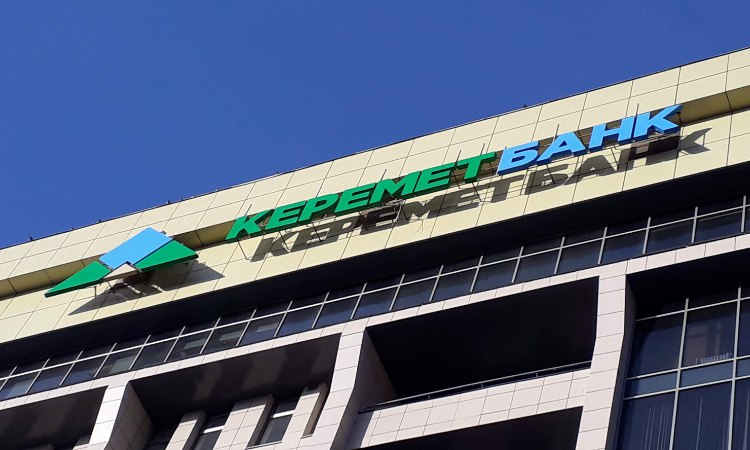
The U.S. Treasury Department has uncovered a secret channel allegedly used to re-export dual-use goods and imposed sanctions on Kyrgyz commercial bank Keremet for its involvement in circumventing economic restrictions against Russia, according to a statement on the department’s website.

U.S. officials allege that since the summer of 2024, Keremet Bank facilitated cross-border transactions for Russian financial institutions, including Promsvyazbank, which has been under U.S. sanctions since early 2022. Promsvyazbank, nationalized by Russian authorities in 2018, was sanctioned for its role in financing Russia’s defense sector and supporting major defense contracts. The U.S. Treasury reports that the bank has provided billions of dollars in financial support to Russia’s military-industrial complex.

The Treasury Department’s report also claims that the Kyrgyz Ministry of Finance sold a controlling stake in Keremet Bank in 2024 to a firm closely linked to a Russian oligarch with ties to the Kremlin. According to the U.S., the acquisition aimed to create a financial hub to evade sanctions, enabling payments for imports and exports.

Further allegations suggest that Moldovan opposition politician Ilan Shor, who is himself under U.S. sanctions, discussed a sanctions evasion scheme involving Keremet Bank with Russian representatives.

Keremet Bank has denied these claims, stating that it has already appealed to the U.S. Treasury’s Office of Foreign Assets Control (OFAC) to have the sanctions lifted. “The bank operates in accordance with national legislation and international law, adhering to the principles of transparency and responsibility,” the bank said in its response, published on its official website.

Keremet further emphasized that the sanctions will not impact its operations and expressed readiness to undergo an international audit to clarify the situation.

Register of Corrupt Officials to Be Created in Kazakhstan

Kazakhstan is set to establish a public register of officials convicted of bribery and other corruption-related offenses. Some parliamentary deputies are also proposing additional measures, including banning convicted individuals from leaving the country to ensure they return stolen funds.

The Kazakhstani parliament is currently reviewing amendments to anti-corruption legislation. Among the proposals, according to Albina Mautova of the Prosecutor General’s Office, is the creation of a public register of individuals convicted of corruption offenses. This registry will be accessible to all citizens through the anti-corruption agency’s website.

“This register will include individuals who have committed serious and particularly serious corruption offenses. Inclusion in the register will be based on the presence of a conviction that has entered into legal force. Removal from the register will occur only in the event of an acquittal or the expungement of the criminal record,” Mautova explained.

The legislative amendments also aim to broaden the scope of criminal liability related to bribery. According to Ulan Sarkulov, deputy chairman of the Anti-Corruption Agency, the new provisions would criminalize not only the act of receiving or giving bribes but also the promise or extortion of a bribe. Sarkulov emphasized that these measures are designed to have a preventive effect by addressing bribery at its earliest stages before damage is caused to the state.

However, Sarkulov acknowledged the challenges of enforcement. “The investigative practices of other countries show that proving the promise or extortion of a bribe is difficult. There will never be widespread prosecutions here. International experience demonstrates only a handful of such cases globally,” he noted.

Mazhilis deputy Azat Peruashev has called for an additional provision to bar convicted corrupt officials from leaving Kazakhstan. He argues that such a restriction would help recover stolen assets taken out of the country.

“As our experience in recovering capital shows, the most effective measure is a ban on traveling abroad. Major corrupt officials often don’t simply take bribes in cash; they transfer funds to offshore accounts, re-hide them, and make it nearly impossible to trace. Sometimes, even our law enforcement agencies are unaware of how much money they have or where it’s located,” Peruashev stated.

He further explained, “These individuals serve reduced sentences or pay fines, then go abroad to access the billions they’ve stolen—wealth they could never have earned legally. If they’re forced to remain in Kazakhstan, they will be more likely to return the stolen funds if they want to use them.”

The Times of Central Asia previously reported that, according to Transparency International’s 2023 Corruption Perceptions Index (CPI), Kazakhstan was ranked as the least corrupt country in Central Asia, marking a significant achievement in the region’s fight against corruption.

Trump Nominee Marco Rubio Signals Support for Normalizing Central Asia Trade

U.S. President-elect Donald Trump’s nominee for secretary of state says the Jackson-Vanik amendment, a 50-year-old law that imposes some restrictions on trade with several countries in Central Asia, is “a relic of an era that’s passed.”

U.S. Senator Marco Rubio, a Florida Republican who spoke on Wednesday during a confirmation hearing in the Senate Foreign Relations Committee, also described China, a key economic partner in Central Asia, as a threat and an adversary. Rubio, known as a hawk on national security issues, had harsh words too for what he called chaos-sowing “dictators” in Moscow, Tehran and Pyongyang.

Tough language aside, Rubio’s interactions with his fellow senators were relatively smooth, suggesting his path to the secretary of state job is open as the United States prepares for Trump’s inauguration on Jan. 20. Central Asian nations have been watching for what to expect when Trump returns for a second term in the White House, and they got an encouraging glimpse in Rubio’s testimony.

In the Washington hearing, Senator Steve Daines, a Montana Republican, told Rubio that he and Senator Gary Peters, a Michigan Democrat, have been working to rescind the Jackson-Vanik amendment in Central Asia. The 1974 law, passed at the height of the Cold War, aimed to promote human rights in countries that were part of the Soviet bloc by preventing normal trade relations with “non-market economies” that restrict emigration.

But Daines argued that it is outdated in the former Soviet republics of Kazakhstan and Uzbekistan, especially as Central Asia becomes more important because of its energy resources and geopolitical influence.

“I realize you have a lot of priorities on your plate when you will be confirmed as our secretary,” Daines said to Rubio. He added that rescinding the amendment in the region would be a big step “that Central Asia needs right now to grow.”

In response, Rubio said that permanent removal of the amendment in Central Asia would require legislative approval and he mentioned an initiative by Senators Chris Murphy (Connecticut Democrat) and Todd Young (Indiana Republican) that also seeks to peal the measure for Tajikistan, Kazakhstan and Uzbekistan.

“I think this is a relic of an era that’s passed,” Rubio said of the Jackson-Vanik amendment.

“There are some that argue that we should use it as leverage for human rights concessions, or leverage to get them to go stronger in our way” against Russia, he said. However, the Florida senator said, Kazakhstan is a market economy and therefore meets conditions for removal from the amendment’s restrictions. He added: “So we will work with you on this because I think it’s important.”

Kazakhstan became a member of the World Trade Organization in 2015, two years after Tajikistan joined the group. Uzbekistan has been signing individual agreements with countries and hopes to join the WTO by 2026.

Kyrgyzstan, Ukraine and Russia are among former Soviet states that were subject to the Jackson-Vanik amendment but later achieved normal trade relations status with the United States. Russia, however, is currently under Western sanctions because of its full-scale invasion of Ukraine in 2022.