• KGS/USD = 0.01144 0%
  • KZT/USD = 0.00192 -0%
  • TJS/USD = 0.10895 -0%
  • UZS/USD = 0.00008 0%
  • TMT/USD = 0.28490 0%
  • KGS/USD = 0.01144 0%
  • KZT/USD = 0.00192 -0%
  • TJS/USD = 0.10895 -0%
  • UZS/USD = 0.00008 0%
  • TMT/USD = 0.28490 0%
  • KGS/USD = 0.01144 0%
  • KZT/USD = 0.00192 -0%
  • TJS/USD = 0.10895 -0%
  • UZS/USD = 0.00008 0%
  • TMT/USD = 0.28490 0%
  • KGS/USD = 0.01144 0%
  • KZT/USD = 0.00192 -0%
  • TJS/USD = 0.10895 -0%
  • UZS/USD = 0.00008 0%
  • TMT/USD = 0.28490 0%
  • KGS/USD = 0.01144 0%
  • KZT/USD = 0.00192 -0%
  • TJS/USD = 0.10895 -0%
  • UZS/USD = 0.00008 0%
  • TMT/USD = 0.28490 0%
  • KGS/USD = 0.01144 0%
  • KZT/USD = 0.00192 -0%
  • TJS/USD = 0.10895 -0%
  • UZS/USD = 0.00008 0%
  • TMT/USD = 0.28490 0%
  • KGS/USD = 0.01144 0%
  • KZT/USD = 0.00192 -0%
  • TJS/USD = 0.10895 -0%
  • UZS/USD = 0.00008 0%
  • TMT/USD = 0.28490 0%
  • KGS/USD = 0.01144 0%
  • KZT/USD = 0.00192 -0%
  • TJS/USD = 0.10895 -0%
  • UZS/USD = 0.00008 0%
  • TMT/USD = 0.28490 0%
15 December 2025

Central Asia’s Pivotal Role in the Global Energy Transition

The United States and Europe are driving a global shift from fossil fuels to renewable energy, though progress has been slow. Central Asia’s oil, gas, uranium, and green hydrogen resources are expected to remain vital for Europe and global energy security for years to come. Within Central Asia, a shift to cleaner natural gas and nuclear energy is anticipated to replace coal-fired power, reducing environmental harm. Europe’s push for electrification has also renewed focus on nuclear energy, increasing the strategic and commercial value of Central Asia’s uranium deposits.

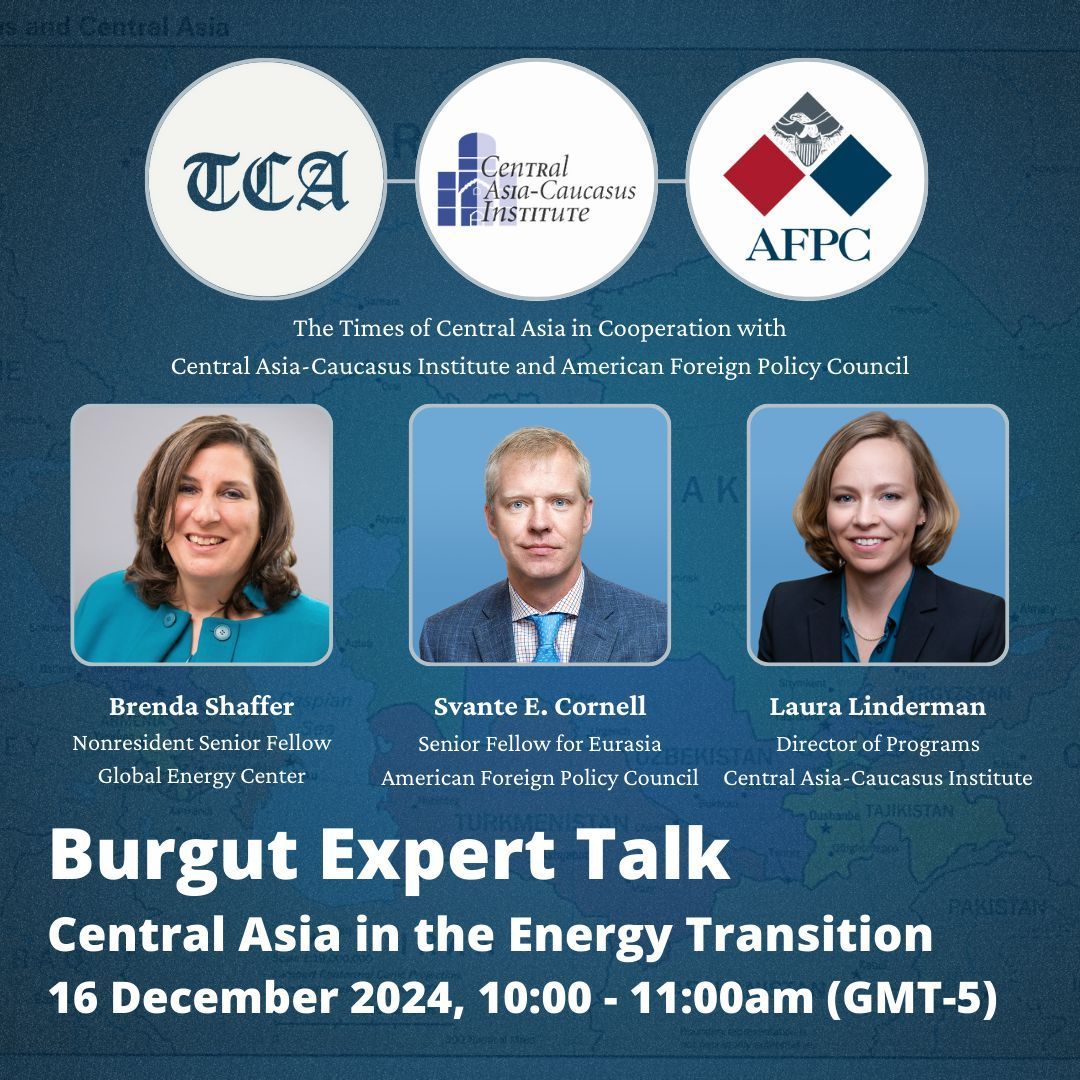
On December 16, 2024, The Times of Central Asia, in cooperation with the Central Asia-Caucasus Institute and the American Foreign Policy Council, hosted a Burgut Expert Talk titled, “Central Asia in the Energy Transition”. The event featured presentations by Dr. Svante Cornell and Dr. Brenda Shaffer, who outlined their takes on the topic. The discussion focused on Central Asia’s significant role in the global energy landscape, particularly in light of the push for renewable energy and Europe’s efforts to diversify its energy sources.
Challenging the notion of a true “energy transition,” Shaffer argued that despite substantial investment in renewable energy, fossil fuels remain dominant. Shaffer pointed out that traditional biomass burning continues to be a major energy source in developing countries, posing significant health risks. Highlighting the fact that renewables often rely on a baseload of fossil fuels, Shaffer noted that this makes complete reliance on renewables impractical, especially in regions with harsh winters, such as Central Asia.

Dr. Shaffer further emphasized that European policies, including the reluctance to finance fossil fuel projects and the instability of U.S. LNG exports, serve to hinder diversification efforts. Stressing the need for affordable and accessible energy solutions – particularly for developing countries – to address the issue of indoor pollution caused by traditional biomass burning, she argued that natural gas can serve as a bridge fuel, offering a cleaner alternative to traditional methods.

Dr. Cornell focused on the rising importance of Central Asia as a major uranium producer, supplying a crucial element for nuclear energy, which is gaining renewed interest as a low-carbon energy source. Cornell highlighted the dependence of the EU on uranium imports and the potential for Central Asia, particularly Kazakhstan, to play a pivotal role in supplying this demand.

Outlining the geopolitical dynamics surrounding uranium, Cornell noted the involvement of France, Russia, and China in Central Asia’s uranium sector, emphasizing the importance of Central Asian states maintaining a balance in their foreign relations and partnering with various countries to ensure their independence in the uranium market.

Drawing parallels to the oil and gas diplomacy of the 1990s – when Central Asian countries strategically engaged with multiple actors to safeguard their interests – Cornell advocated for the development of a robust domestic nuclear industry in Central Asia, enabling the region to move beyond raw material production and gain greater control over the value chain. Cornell also stressed the need for Western powers to actively engage in the region’s nuclear sector, supporting the development of infrastructure and expertise.

The discussion also addressed the internal energy needs of Central Asia, recognizing the competing demands of domestic consumption and export potential. Shaffer pointed out that Central Asia itself is a potential market for its gas resources, advocating for greater regional cooperation and the development of rational gas flows within the region. Shaffer also highlighted the importance of transportation infrastructure and the need for diversification of export routes for landlocked countries, such as those in Central Asia.

The experts addressed the concept of a “green energy corridor” from Central Asia to Europe, emphasizing the potential for virtual trading arrangements, where increased renewable energy production in Central Asia could free up natural gas for export. Cornell noted growing regional cooperation between Azerbaijan, Uzbekistan, and Kazakhstan, particularly in integrating their power grids, which could enhance the region’s energy resilience and foster greater independence.

In their concluding remarks, both experts highlighted the strategic importance of Central Asia in the evolving global energy landscape. Cornell pointed to the potential for reviving the long-discussed Trans-Caspian pipeline project, particularly in light of Russia’s reorientation towards Eastern markets. He also emphasized the strategic significance of the South Caucasus as a vital link between the Caspian Sea and Europe, advocating for greater Western engagement with Azerbaijan to facilitate energy transit.

Shaffer, meanwhile, stressed the critical role of Central Asia and the Caucasus as a buffer zone between major geopolitical blocs, underscoring the importance of maintaining stability and open trade relations with these countries, especially considering geopolitical uncertainties in neighboring regions. Shaffer concluded with a powerful message: “If you have no gas, you’re going to have dung,” highlighting the necessity of realistic and accessible energy solutions for a sustainable future.

The Burgut Expert Talk on “Central Asia in the Energy Transition” provided insights into the complex dynamics shaping the global energy landscape and the crucial role Central Asia plays in this evolving scenario. A full recording of the event can be viewed on YouTube, and further analysis is available on the Central Asia Caucuses Institute Substack.
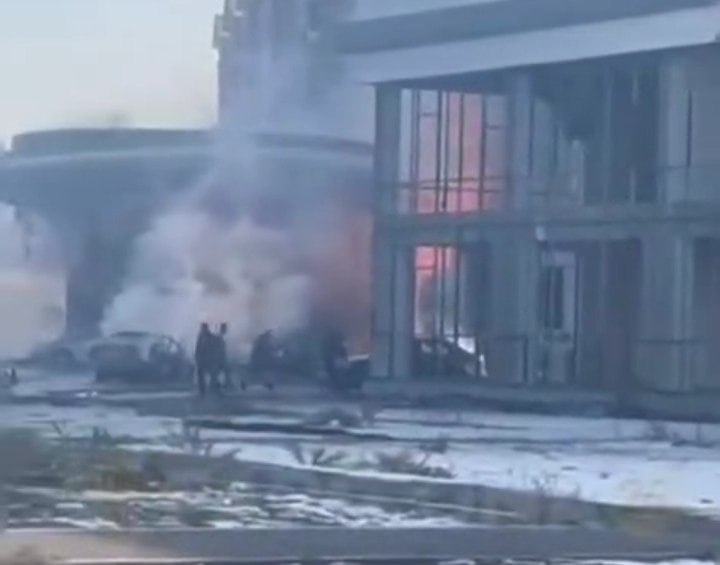
Gas Station Explosion in Uzbekistan Kills Four; Arrests Made

The death toll in an explosion and fire at a propane gas filling station in the Uzbek city of Ferghana has risen to four, and five people have been arrested as part of a criminal investigation into the incident, according to authorities.

The Internal Affairs Department of the Ferghana region also said on Telegram that the blast happened when a crack appeared during the filling of a gas container. Emergency responders previously attributed the explosion to safety failures at the site of the explosion on Tuesday afternoon.

One person died at the scene and three others later died of their injuries after being hospitalized, the internal affairs statement said. It said authorities are seeking to detain two other people in addition to the five already in custody.

Images posted on social media show sheets of flame and thick smoke billowing from the scene. The Qalampir.uz site posted photos of the fire. A photo report on the Kun.uz media site showed the Petroleum station that was gutted by fire and damaged cars.

A Kun.uz reporter who spoke to witnesses said there had been unease among people in the area about the presence of a liquefied gas station in the city’s Yangiyo‘l neighborhood, a populated area with residential buildings. Gasoline was initially sold at the station and propane was connected several months ago, according to the report.

“The cars were burning right on the roadway. There is a cafe and a kindergarten next to the gas station, and new houses are being built,” the media outlet quoted witness Khamidjon Madrakhimov as saying.

Children in the kindergarten were evacuated to nearby apartments before their parents arrived to take them away.

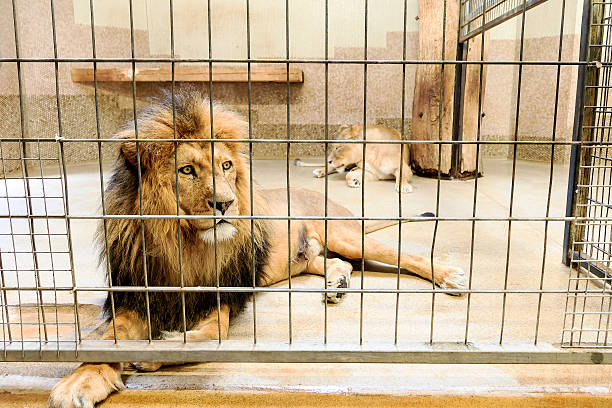
Lions Kill Guard at Tashkent Area Zoo

Three lions escaped from their enclosure at a zoo in the Tashkent area and killed a guard, according to Uzbek media reports. 

Staff at the private Lion Park zoo in Parkent district were able to get two of the lions back into the cage area, but one of the lions was shot and killed.

The incident happened early Tuesday, reported the Gazeta.uz media outlet. It attributed the information to Khayot Shamsutdinov, press secretary of the prosecutor general’s office in Uzbekistan.

The media organization said the lions were able to escape because a cage door had been left open. The man who was killed was 44 years old. An investigation is underway.

Rivers Without Boundaries Coalition Criticizes Rogun HPP Plans

Rivers Without Boundaries, an international environmental organization, has released a detailed report analyzing alternative strategies for completing the Rogun Hydroelectric Power Plant (HPP) in Tajikistan. This report has been submitted for review to the World Bank Board of Directors.

The report highlights the importance of exploring alternative energy development options in Tajikistan before committing to the $6.4 billion Rogun HPP project. The coalition advocates for solutions that minimize environmental and social risks while maximizing long-term benefits for the region.

Environmentalists caution that even if the World Bank approves the construction of the world’s tallest dam, standing at 335 meters, many of Tajikistan’s pressing challenges will remain unresolved. Persistent electricity shortages, for example, are projected to continue until at least 2036, despite the project’s completion. Additionally, the project poses significant threats to the UNESCO-listed Tigrovaya Balka Nature Reserve and the endangered shovelnose sturgeon in the Vakhsh River. Agricultural disruption is another major concern, as over seven million people across Tajikistan, Uzbekistan, Turkmenistan, and Afghanistan risk losing access to vital water resources for farming.

The coalition proposes an alternative approach that combines a smaller Rogun HPP with the development of solar power plants. By reducing the dam’s height by 70 meters, the plan could substantially lower economic, social, and environmental risks. This modified strategy offers several benefits, including reducing the number of displaced residents from 40,000 to roughly 13,000. Moreover, integrating solar energy into the energy mix could enable Tajikistan to meet its winter electricity demands by 2030–31 while enhancing resilience to climate change. Diversifying the energy sector would also mitigate long-term economic vulnerabilities.

Previously, Rivers Without Boundaries published a report titled “Rogun Hydroelectric Power Plant Project: Non-Compliance Report with World Bank Requirements,” which detailed how the Rogun HPP project violates the World Bank’s environmental and social standards in six critical areas: environmental assessment, biodiversity protection, resource efficiency, dam safety, public participation, and forced displacement.

The coalition calls on the World Bank and Tajik authorities to consider alternative solutions that align energy development with environmental sustainability and social responsibility, ensuring a balanced and equitable approach to the region’s energy needs.


Uzbekistan Named Most Desirable Emerging Destination for 2024

Uzbekistan emerged as the Most Desirable Emerging Destination for 2024. For the 23rd year, Wanderlust Travel magazine has invited readers to select their favorite destinations for its annual Reader Travel Awards. This year, 168,000 readers cast more than three million votes across 22 categories recognizing top destinations, tour operators, and tourism brands.

Renowned for its Silk Road heritage, Uzbekistan offers a unique blend of historical and natural attractions. The Wanderlust report highlighted the country’s ancient cities, including Samarkand and Bukhara, as “remarkable time capsules” with Islamic architecture and bustling bazaars. Samarkand’s Registan Square was described as “unmissable.” The report also praised Uzbekistan’s natural landscapes, such as the Kyzylkum Desert and the Aral Sea, which remain lesser-known but equally impressive highlights.

Uzbekistan’s tourism sector is rapidly expanding. Between January and October 2024, the country welcomed 6.5 million foreign visitors, a 17.2% increase compared to the same period in 2023. This growth equates to an additional 951,300 tourists.

In June, a group led by Professor Gil Stein from the University of Chicago toured Uzbekistan for two weeks, visiting cultural hubs such as Khiva, Bukhara, Samarkand, Tashkent, and the Fergana Valley. Professor Stein commended Uzbekistan’s efforts to preserve its rich cultural heritage, noting that the country attracts a diverse range of visitors, including Islamic pilgrims, Buddhist heritage enthusiasts, and cultural heritage tourists.

In 2023, Uzbekistan’s tourism industry generated $2.14 billion, contributing 2.35% of the nation’s GDP. The government is implementing measures to further bolster the sector. These include a $50 million credit line for local tourism businesses, tax exemptions for selected operators, specialized hotel management courses, and an online platform designed to assist tourists in planning their trips.

Afghan Migration Committee Urges Tajikistan to Halt Refugee Deportations

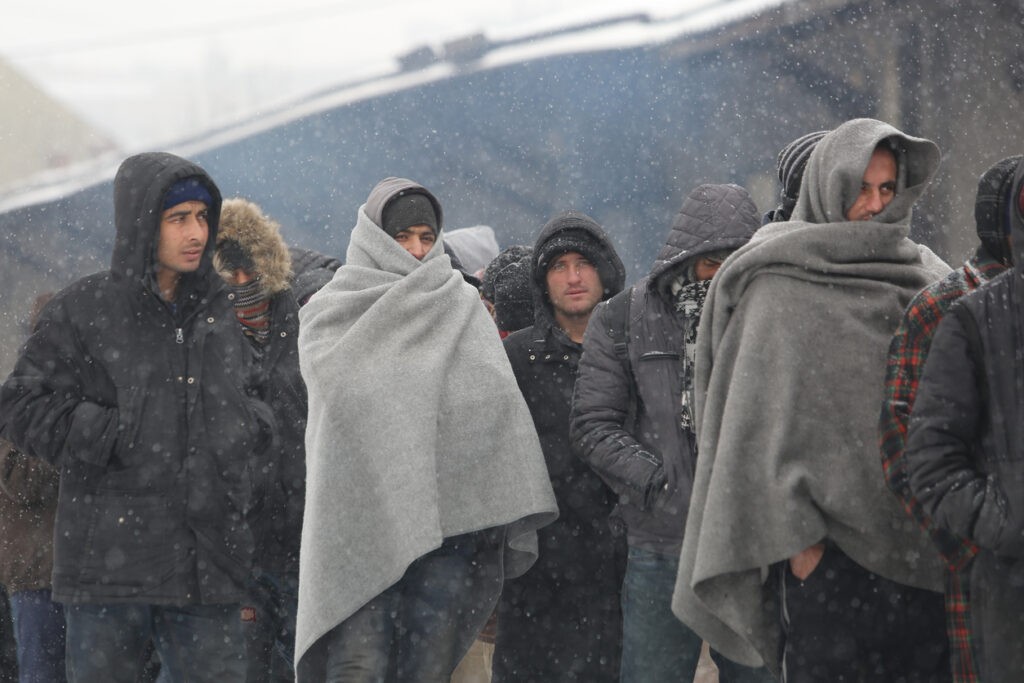
Mosawer Bahadori, head of Afghanistan’s Migration Committee (Aryana) in Tajikistan, has raised concern over the deportation of Afghan migrants from Tajikistan, urging the authorities to safeguard refugee rights and adhere to international obligations.

Concerns Over Deportations

In a recent statement, Bahadori expressed condolences to the Afghan families affected by the deportations and emphasized the committee’s commitment to supporting Afghan migrants. He noted that the deportation process, ongoing for over a week, has caused widespread concern among the refugee population.

Advocacy for Refugee Rights

The Afghan Migration Committee, which has operated in Tajikistan for more than 27 years, serves as an intermediary between Afghan refugees and local authorities. Functioning under the legislative framework of Tajikistan’s Ministry of Justice, the committee addresses migrant concerns and facilitates dialogue with state institutions.

Bahadori urged Tajikistan to honor its international obligations, particularly by acceding to United Nations conventions that prohibit deporting refugees to countries where they face threats to their lives. Many Afghan refugees in Tajikistan fled Taliban persecution and have been granted asylum or refugee status.

Proposals for Alternative Solutions

Bahadori proposed alternative approaches to deportation, including:

  • Negotiating with international organizations or third countries to facilitate the transfer of Afghan refugees.
  • Simplifying the relocation process to make resettlement more accessible.
  • Introducing fines or imprisonment as penalties for offenses, rather than deporting individuals to unsafe conditions.

The Afghan Migration Committee also assured Tajik authorities that Afghan refugees would continue to respect local laws and customs. The committee pledged to cooperate with Tajik security forces to address repeated illegal activities by individuals through lawful measures.

Call for Diplomatic Solutions

Bahadori concluded his statement by advocating diplomatic solutions to protect vulnerable Afghan migrants while maintaining strong relations between Afghanistan and Tajikistan. He emphasized the need for collaborative efforts to uphold human rights and ensure the safety of refugees.