• KGS/USD = 0.01144 0%
  • KZT/USD = 0.00193 -0%
  • TJS/USD = 0.10811 -0.28%
  • UZS/USD = 0.00008 0%
  • TMT/USD = 0.28490 0%
  • KGS/USD = 0.01144 0%
  • KZT/USD = 0.00193 -0%
  • TJS/USD = 0.10811 -0.28%
  • UZS/USD = 0.00008 0%
  • TMT/USD = 0.28490 0%
  • KGS/USD = 0.01144 0%
  • KZT/USD = 0.00193 -0%
  • TJS/USD = 0.10811 -0.28%
  • UZS/USD = 0.00008 0%
  • TMT/USD = 0.28490 0%
  • KGS/USD = 0.01144 0%
  • KZT/USD = 0.00193 -0%
  • TJS/USD = 0.10811 -0.28%
  • UZS/USD = 0.00008 0%
  • TMT/USD = 0.28490 0%
  • KGS/USD = 0.01144 0%
  • KZT/USD = 0.00193 -0%
  • TJS/USD = 0.10811 -0.28%
  • UZS/USD = 0.00008 0%
  • TMT/USD = 0.28490 0%
  • KGS/USD = 0.01144 0%
  • KZT/USD = 0.00193 -0%
  • TJS/USD = 0.10811 -0.28%
  • UZS/USD = 0.00008 0%
  • TMT/USD = 0.28490 0%
  • KGS/USD = 0.01144 0%
  • KZT/USD = 0.00193 -0%
  • TJS/USD = 0.10811 -0.28%
  • UZS/USD = 0.00008 0%
  • TMT/USD = 0.28490 0%
  • KGS/USD = 0.01144 0%
  • KZT/USD = 0.00193 -0%
  • TJS/USD = 0.10811 -0.28%
  • UZS/USD = 0.00008 0%
  • TMT/USD = 0.28490 0%
10 December 2025

Ashgabat Hosts Vibrant Days of Korean Culture, Showcasing Music, Art, and Tradition

On November 22 and 23, Ashgabat, the capital of Turkmenistan, became a hub of cultural exchange during the Days of Korean Culture, an event organized by the Embassy of the Republic of Korea.

The festivities kicked off on November 22 at the Arkach Shopping and Entertainment Center, where visitors were treated to a lively introduction to Korean culture. Colorful photo zones displayed scenic Korean landscapes, while interactive stations allowed attendees to craft souvenirs such as traditional-style trinkets and mirrors. Korean snack tastings and live music enhanced the festive atmosphere, making it a family-friendly event that drew many visitors of all ages.

The celebrations culminated on November 23 with a concert at the Makhtumkuli Music and Drama Theater of Turkmenistan. Korean artists, accompanied by the State Symphony Orchestra of Turkmenistan under the direction of Rasul Klychev, delivered a memorable performance. The program featured a blend of Korean lyrical compositions inspired by love and nature, alongside timeless pieces of world classical music.

A standout moment of the evening was the performance by acclaimed Korean singers, tenor Kwon Hwapyeong and mezzo-soprano Kwon Miji, which earned a standing ovation from the audience. Kwon Hwapyeong, a graduate of the Vienna University of Music and Korea National University of the Arts, is celebrated internationally for his exceptional artistry. Mezzo-soprano Kwon Miji, a distinguished alumna of Gyeonggi-do University with further studies abroad, has similarly garnered acclaim for her remarkable vocal range and stage presence. The concert was a fitting finale to Ashgabat’s fall cultural season, blending the traditions of Korean musical artistry with the creativity of Turkmen performers.
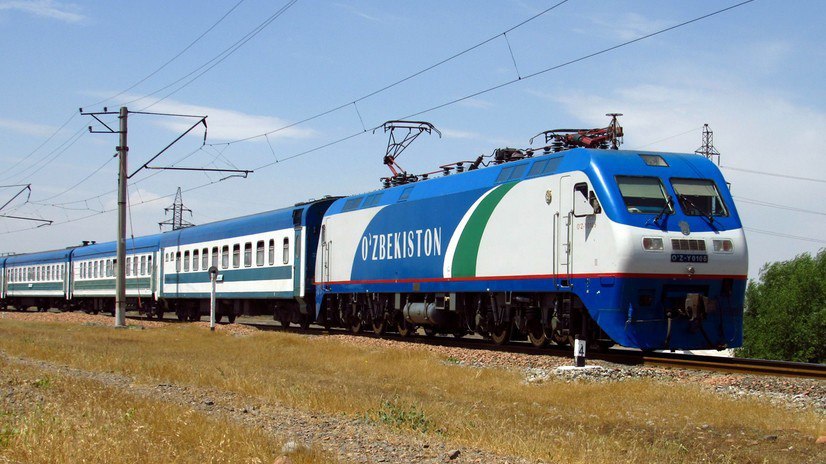

Uzbekistan Targets $200 Billion GDP by 2030 with Transport Reforms

On November 26, President Shavkat Mirziyoyev outlined transformative plans for Uzbekistan’s state-owned railway and aviation sectors, setting an ambitious goal to increase the country’s GDP to $200 billion by 2030.

Significant changes are already being implemented to enhance efficiency and convenience. In the railway sector, six independent enterprises have been created under “Uzbekistan Railways.” The company added 1,200 new freight cars, halving domestic freight transportation times. The digitalization of operations has streamlined processes, cutting the ordering stage for freight cars from seven days to three and reducing processing time from 72 hours to just 12 hours. Around Tashkent, train traffic has increased by 30%, and for the first time, the previously unprofitable enterprise posted a profit of 30 billion UZS ($2.3 million) this year.

In the aviation sector, Uzbekistan Airways has seen flights increase by 25%, with domestic flights surging 2.5 times. The airline now holds a 20% share of international transport in Central Asia, and annual passenger traffic is projected to exceed 6 million. “Uzbekistan Airports” has also expanded services for planes, cargo, and passengers. Greater private sector involvement in airport management has yielded notable results, with 44 airlines currently operating in Uzbekistan. Cargo transportation through airports is expected to grow by 22% this year.

“The economy and trade relations in our country are developing year after year. The population’s income and the tourism potential of the regions are also increasing. By 2030, we have set a goal to increase the volume of our gross domestic product to $200 billion. Therefore, we should pay special attention to the transport arteries,” Mirziyoyev said.

To support these developments, a new version of the Law “On Railway Transport” has been signed, replacing the 25-year-old legislation. The updated law aims to attract private companies and investments to further develop infrastructure and accelerate industry growth.

Kyrgyz National Bank Maintains Discount Rate at 9% Amid Stable Inflation and Economic Growth

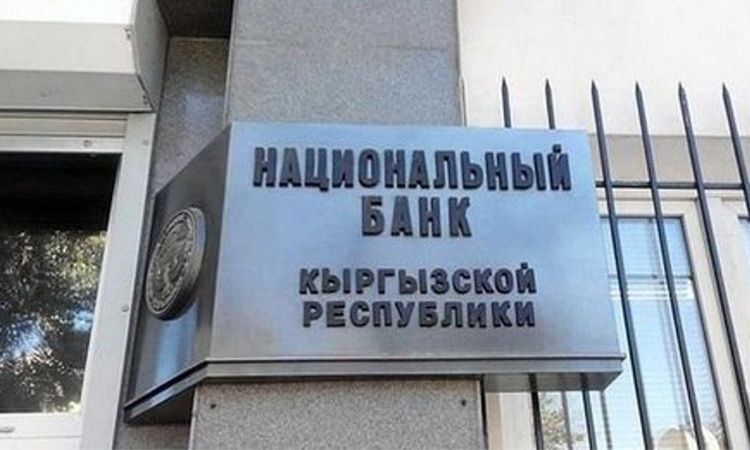
The National Bank of the Kyrgyz Republic has announced its decision to keep the discount rate steady at 9%, according to a statement published on its official website.

The Bank credited its effective monetary policy for maintaining stable inflation. As of November 2024, annual inflation dropped from 7.3% at the start of the year to 5.2%, aligning with the regulator’s targets. Inflationary pressures remained moderate, with slowed price growth in both food and non-food categories. Key drivers of price levels include strong domestic demand and the impact of tariff policy measures.

Kyrgyzstan’s economy continues to demonstrate robust growth, primarily driven by expansion in the construction and services sectors. Real GDP grew by 9.6% during the first ten months of 2024, fueled by increased domestic consumption supported by rising household incomes. Higher real wages and a surge in individual remittances have contributed significantly to this growth. Fixed asset investments, largely financed by domestic sources, have also risen.

The domestic foreign exchange market has shown resilience, with fluctuations in the national currency attributed to seasonal factors and balanced supply-demand dynamics. The National Bank has conducted $20.75 million in net foreign currency sales since the beginning of the year to prevent sharp exchange rate volatility.

The Bank has progressively adjusted its discount rate over the past two years. In November 2022, it was reduced from 14% to 13%, followed by further reductions in 2024: from 13% to 11% in April and then to the current 9% in May. The next review of the discount rate is scheduled for January 27, 2025.


Turkmenistan Authorities Set Up Fake Bazaars for U.S. Ambassador’s Visit

Ahead of U.S. Ambassador to Turkmenistan Elizabeth Rood’s visit to the Balkan region, local authorities undertook misleading measures to create a favorable impression of the area. According to Radio Azatlyk, markets in the city of Turkmenbashi were artificially overstocked with food products, and English teachers were deployed as market vendors.

On November 22, the U.S. Embassy in Ashgabat reported on Ambassador Rood’s visit to Balkan. During her visit, the ambassador met with local business representatives and U.S. companies operating in Turkmenistan, reaffirming the U.S. commitment to expanding investment and commercial ties to promote economic growth and shared prosperity.

In preparation for the visit, Turkmenbashi city authorities reportedly instructed English teachers to pose as vendors at local markets, including the Kenar market and other major trading hubs. These measures were designed to create the illusion of a thriving marketplace and well-being among residents. Local sources revealed that the product variety was artificially increased for the occasion, and teachers donned vendor attire to serve shoppers.

Such practices are common in Turkmenistan during high-profile visits. In addition to market modifications, Turkmenbashi authorities temporarily banned cars manufactured before 2015 from city roads to present an image of affluence. Observers noted that only new and expensive cars were visible, reinforcing the portrayal of prosperity.

While official sources did not confirm visits to local markets by U.S. representatives, local authorities took preventive measures to pre-empt potential criticism. Campaign-style meetings were held in school and cultural assembly halls, where officials from the hakimlik, Trade Union, and Women’s Union instructed residents not to discuss food shortages or economic issues with outsiders, to maintain order in queues for cooking oil, and to report anyone photographing lines.

Kazakhstan Increases Water Allocation to Restore the Aral Sea

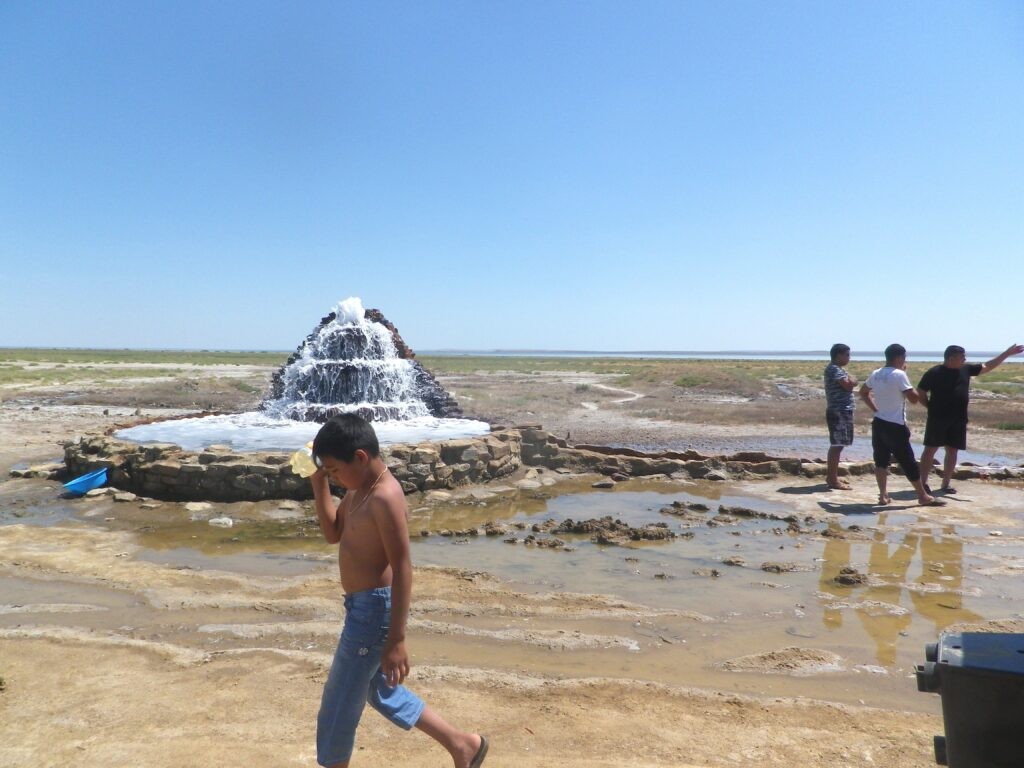
Kazakhstan plans to direct an additional 1.6 billion cubic meters of water to the Aral Sea by April 2025, announced Nurzhan Nurzhigitov, Minister of Water Resources and Irrigation. This initiative builds on efforts from October 2023 to April 2024, during which 1.3 billion cubic meters were allocated, bringing the total water volume in the Northern Aral Sea to 22 billion cubic meters as of early 2024.

Minister Nurzhigitov emphasized that adopting water-saving technologies is essential for restoring the region’s water balance. In 2024, farmers in the Kyzylorda region conserved 200 million cubic meters of water, enabling additional flow into the Northern Aral. These technologies also facilitated the allocation of 1 billion cubic meters to the Aral Sea during the 2024 irrigation season, a threefold increase compared to the previous year.

The preservation of the Aral Sea is a national priority, addressed through regional collaboration and strategic planning. At the 87th meeting of the Interstate Commission for Water Coordination of Central Asia (ICWC) in Turkmenistan, agreements were made to channel 11 billion cubic meters of water to the Shardara reservoir by April 1, 2025. This move aims to ensure sufficient irrigation for southern Kazakhstan’s 2025 growing season.


Kazakhstan Explores Agro-Drones to Revolutionize Agriculture

The potential of drones to transform agriculture in Kazakhstan was a key topic at a government meeting on November 26. Officials discussed the environmental and economic advantages of adopting agro-drones over traditional spraying equipment.

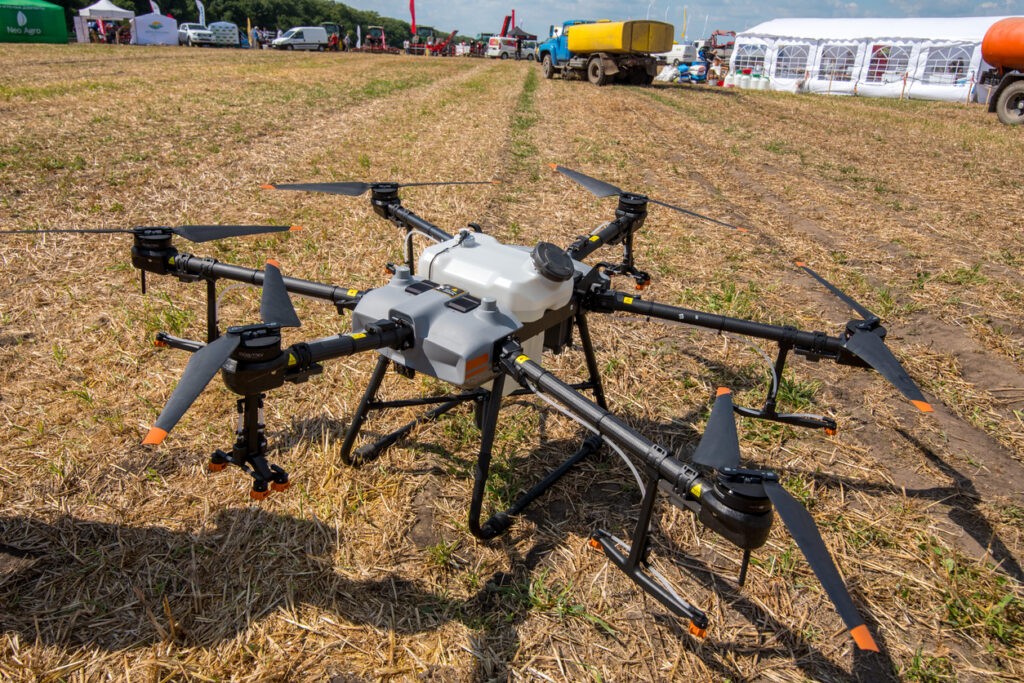
International examples demonstrate that agro-drones can significantly reduce water usage, lower CO2 emissions, and access hard-to-reach areas more effectively. Sanzhar Nurgazinov, representing a company that operates agro-drones, highlighted their efficiency: while wheeled sprayers require 150 liters of water per hectare—amounting to 750,000 liters for 5,000 hectares—a drone uses just 50,000 liters for the same area, reducing water consumption more than 15-fold. Additionally, drones prevent the 6% crop loss caused by the tracks of wheeled sprayers, ensuring higher harvest yields.

To advance drone adoption, Kazakhstan’s Ministry of Agriculture has partnered with the Chinese company Eavision to import 80 drones for pest and disease management. Furthermore, a joint venture, Sunkar Eavision International LLP, has been established to assemble drones locally in the Alatau Special Economic Zone near Almaty.

The Ministry has been tasked with creating a roadmap by February 2025 for integrating agro-drones into the country’s agricultural practices. This plan includes establishing service centers, training specialists, and developing financial support programs to help farmers acquire this cutting-edge technology.

By embracing agro-drones, Kazakhstan aims to modernize its agricultural sector, boosting efficiency and sustainability while addressing the challenges of water conservation and crop protection.