• KGS/USD = 0.01144 0%
  • KZT/USD = 0.00192 -0%
  • TJS/USD = 0.10849 0.37%
  • UZS/USD = 0.00008 0%
  • TMT/USD = 0.28490 0%
  • KGS/USD = 0.01144 0%
  • KZT/USD = 0.00192 -0%
  • TJS/USD = 0.10849 0.37%
  • UZS/USD = 0.00008 0%
  • TMT/USD = 0.28490 0%
  • KGS/USD = 0.01144 0%
  • KZT/USD = 0.00192 -0%
  • TJS/USD = 0.10849 0.37%
  • UZS/USD = 0.00008 0%
  • TMT/USD = 0.28490 0%
  • KGS/USD = 0.01144 0%
  • KZT/USD = 0.00192 -0%
  • TJS/USD = 0.10849 0.37%
  • UZS/USD = 0.00008 0%
  • TMT/USD = 0.28490 0%
  • KGS/USD = 0.01144 0%
  • KZT/USD = 0.00192 -0%
  • TJS/USD = 0.10849 0.37%
  • UZS/USD = 0.00008 0%
  • TMT/USD = 0.28490 0%
  • KGS/USD = 0.01144 0%
  • KZT/USD = 0.00192 -0%
  • TJS/USD = 0.10849 0.37%
  • UZS/USD = 0.00008 0%
  • TMT/USD = 0.28490 0%
  • KGS/USD = 0.01144 0%
  • KZT/USD = 0.00192 -0%
  • TJS/USD = 0.10849 0.37%
  • UZS/USD = 0.00008 0%
  • TMT/USD = 0.28490 0%
  • KGS/USD = 0.01144 0%
  • KZT/USD = 0.00192 -0%
  • TJS/USD = 0.10849 0.37%
  • UZS/USD = 0.00008 0%
  • TMT/USD = 0.28490 0%
11 December 2025

XVII Eurasia International Film Festival Kicks Off in Kazakhstan

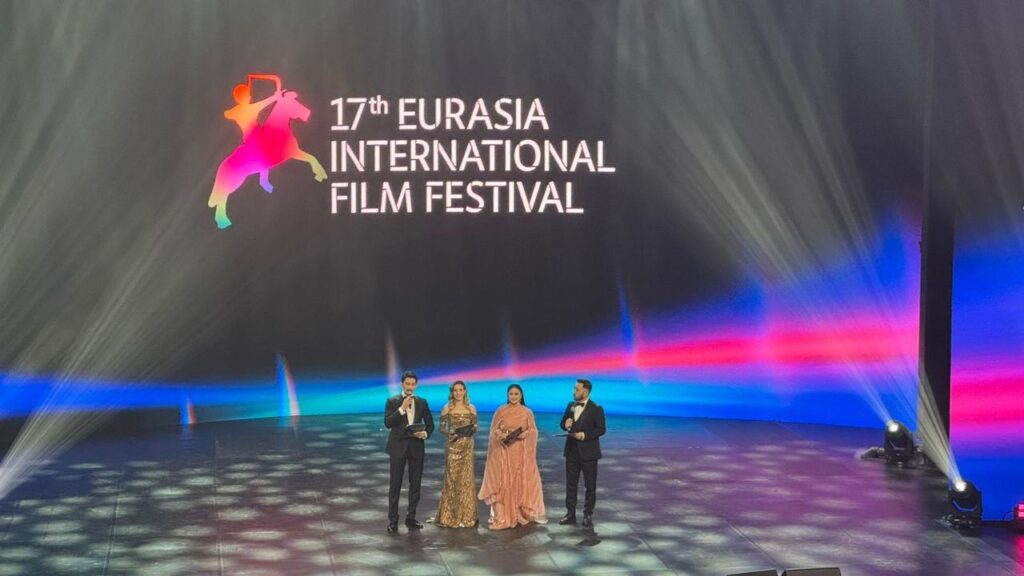
On November 24, Almaty hosted the opening ceremony of the XVII Eurasia International Film Festival, which will run until November 30. The event brings together representatives from more than 15 countries, highlighting its global significance.

As part of the competition, audiences will enjoy 12 films from around the world, including entries from Bangladesh, South Korea, Austria, and Qatar. Participants from Europe, Asia, and the Middle East will showcase their works, delving into universal themes through a regional lens.

Kazakhstan’s President, Kassym-Jomart Tokayev, addressed festival participants in a congratulatory letter.

“This year’s event coincides with two significant anniversaries: the 110th birthday of Shaken Aimanov, a pioneer of Kazakhstani cinema, and the 90th anniversary of the Kazakh film studio. This is symbolic, as cinematography unites society, fosters creativity, and strengthens intercultural ties,” the letter stated.

Tokayev emphasized the growing recognition of Kazakhstani cinema on the international stage.

“I am confident that the Eurasia Festival will provide a platform for outstanding projects that will resonate deeply with audiences and inspire reflection on important topics,” Tokayev concluded.

The Eurasia International Film Festival is Central Asia’s largest film forum and holds accreditation from the International Federation of Film Producers Associations (FIAPF). Established in 1998 with support from the Government of Kazakhstan, the festival was initially hosted in Almaty before moving to Astana in 2018. This year, the festival returns to Almaty, providing a rich program designed to serve as a cultural bridge between East and West. It also includes retrospectives of works by celebrated directors.

Kazakhstan and Taliban Afghanistan: An Overview of Relations

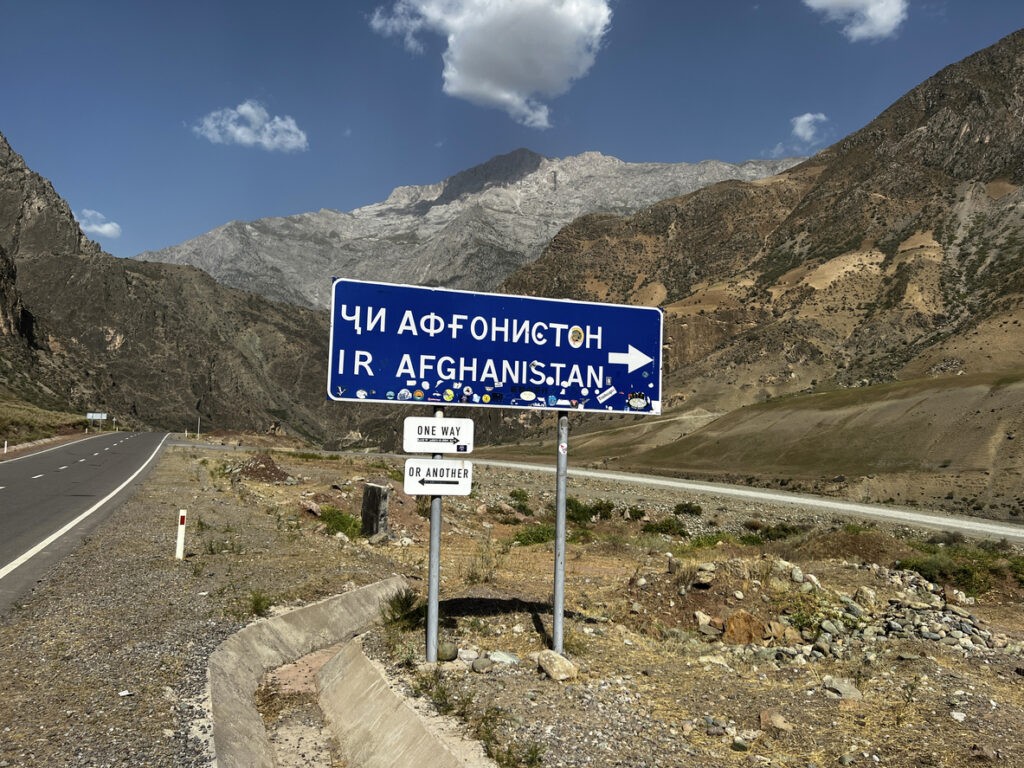
Diplomatic relations between Kazakhstan and Afghanistan began more than 30 years ago, on February 12, 1992. However, in April of that year, the republican regime in Kabul fell, and the country plunged into the abyss of civil war after becoming the Islamic State of Afghanistan. Such chaos had never been seen before. The first Taliban Emirate was established and then overthrown by the US-led coalition, after which the Islamic Republic of Afghanistan was proclaimed

Politics

Kazakhstan’s first diplomatic mission in Kabul was opened in September 2002, less than a year after America launched Operation Enduring Freedom. In 2003, it was transformed into an embassy. From then on, the relationship between the countries became operational.

The new starting point of the Kazakh-Afghan relationship was August 15, 2021, when the Taliban seized power in Kabul. Kazakhstan’s foreign policy was put to a test, but Astana demonstrated foresight and pragmatism.

The Kazakh embassy, unlike most other countries, was not evacuated, diplomats continued to work in the new conditions and began to establish the first contacts with the Taliban authorities.

From the very beginning, Kazakhstan took a clear and understandable position and began to promote it at various levels.

A month after the Taliban seized Kabul, Kazakhstan’s President Kassym-Jomart Tokayev drew attention to the situation in Afghanistan at the SCO meeting in Dushanbe (September 17). As he stated, “Kazakhstan sees future Afghanistan as a truly independent and united state living in peace with itself and its neighbors. At this crucial historical moment, the multinational people of Afghanistan should not be left alone in the face of unprecedented difficulties”.

A few days later, on September 22, during the UN General Assembly, the Kazakh president detailed the position of his country and was one of the first politicians to point out the current problem of “inclusiveness.” Tokayev reaffirmed that Kazakhstan supports the UN Security Council’s call for the formation through negotiations of a new government that would be inclusive and representative. In his words, “It is necessary to create a consensus-based system in which groups with different values or ethnic, religious and gender backgrounds can coexist in one country.”

For a better understanding and retrospective assessment of Astana’s actions on the “Afghan track,” it is worth citing other theses mentioned by the president in New York at a time when most of the world was still doubting the success of the Taliban campaign.

“Afghanistan must continue to fulfill its international obligations and ensure that its territory does not become a springboard for terrorists, drug trafficking, and human traffickers. Regardless of our political or personal convictions, we must not abandon the people of Afghanistan to their fate now. The acute humanitarian situation must be our top priority. UN agencies and other humanitarian organizations must have immediate, safe, and unimpeded humanitarian access.

Kazakhstan has provided for the temporary relocation of the UN Assistance Mission in Afghanistan (UNAMA) and other UN offices in Afghanistan. We are ready to provide a logistical platform for the delivery of humanitarian aid to Afghanistan and to make our own contribution.

Kazakhstan’s initiative to establish a UN Regional Hub in Almaty can contribute to this critical mission. We are ready to work closely with the UN, our neighbors, and other organizations.

Afghanistan’s future stability depends on its economic development. Afghanistan is not a threat but an opportunity. If the country is united and stable, it can contribute to the development of Central Asia.”

This position was not ad hoc – Kazakhstan continues to demonstrate its commitment to it; which is supported by other statements from Astana and its practical measures taken towards Afghanistan.

In general, Kazakhstan’s policy towards Afghanistan can be characterized as balanced, pragmatic, and based on modern realities. The basis of Kazakhstan’s “recipe” is the basic principle of non-interference in internal affairs, as well as a commitment to develop good relations with Afghanistan, regardless of the existing political regime there.

Other “ingredients” are:

– A regional paradigm in which Kazakhstan takes into account the interests of other countries in the region, primarily Tajikistan, Uzbekistan, and Turkmenistan – Afghanistan’s immediate neighbors. It also includes Astana’s desire to engage Kabul in a regional dialog on a wide range of issues and to give Afghanistan’s problems an intra-regional dimension.

– Commitment to resolving security issues through diplomatic and economic means in a civilized manner according to international law and UN provisions.

This “recipe” does not include Astana building direct political relations with the Islamic Emirate of Afghanistan (IEA) and realizing its ambitions of a “middle power”: Kazakhstan is acting in the context of international efforts on Afghanistan, neutral in its stance, but sees the country as a key element of security and stability of Central Asia.

The views of the other Central Asian republics are similar, and this has yielded results. By now, it can be confidently asserted that Central Asia no longer supports the “terrorist threat from the south” discourse that has been used to describe Afghanistan for the past decades.

Kazakhstan shows that solving security issues through diplomatic and economic means in a civilized manner in the format of international law and UN provisions, is an uncompromising option. At the same time, Astana is building its own political potential in the region and the world, and its position in modern Afghanistan compares favorably with the positions of other players on the Afghan track.

Kazakhstan was the first in the region to remove the Taliban from the list of banned organizations and accredited IEA diplomats, thus launching a common trend in Central Asia towards rapprochement with Afghanistan. In addition, the country allowed the Consulate General of Afghanistan in Almaty to become fully operational in 2024 and accredited an Afghan trade attaché.

Along with this, Astana returned its ambassador from Kabul and sent Chargé d’Affaires Gaziz Akbasov, a professional diplomat who previously worked in Afghanistan and Iran. In this case, the diplomatic downgrade should not be seen as a recession in relations. The former ambassador was accredited under the republican regime, and the new head of the Kazakh embassy symbolizes another Taliban page in the relations between the two countries. Astana’s pragmatism can also be traced in this – it does not make an obvious curtsy towards the Emirate against the background of international battles around the recognition of the Taliban but consistently follows its strategy, especially since it still has enough “political savings”.

Currently, only two countries have Taliban-accredited ambassadors – China sent an ambassador back in September 2023, and Tashkent took this important step in late October 2024. It would be unneighborly if Kazakhstan were ahead of Uzbekistan, whose security and economic interests are directly linked to the situation in Afghanistan.

Thus, against the background of the apparent stalling of UN initiatives and the absence of a coordinated international policy on Afghanistan, Kazakhstan has chosen the path of practical interaction with Kabul. It aims at the progressive development of trade and economic relations with Afghanistan, as well as its involvement in intra-regional ties in the future regardless of the political regime.

Economy

Meanwhile, Afghanistan’s economic potential and its investment attractiveness directly depend on the political pressure exerted on Kabul, primarily from the West. This is a serious obstacle, first of all, for Afghanistan’s neighborhood. So far, it is not an economic entity with which it is possible to work in global economic standards and formats.

But the beginning has been made, and remarkably, all the countries of the region, despite the presence of certain contradictions, have set a course for the development of a trade partnership with Afghanistan. They did not need to make any joint decisions for this; everything happened naturally.

Kazakhstan, having no common border with Afghanistan, has taken an important place in these relations and is among the ten main trade partners of Afghanistan.

Quantitative indicators of trade are not so great, but we should not forget that Afghanistan is one of the most depressed economies in the world, and the indicators of trade turnover a priori cannot be high.

Mutual trade between the countries last year amounted to $636.5 million, showing a decline of 35.5% compared to 2022. First of all, the export of Kazakhstani products decreased by 37.1%. According to the latest statistical data, trade turnover between Kazakhstan and Afghanistan for January-August 2024 amounted to $330.7 million, which is 22.1% lower than for the same period of the previous year ($424.5 million).

At the same time, the indicators of Afghan exports to Kazakhstan practically did not decrease: imports to Kazakhstan from Afghanistan in January-August 2024 decreased by 1.2% and amounted to $14.1 million. The main import goods are mineral and carbonated water, vegetable and fruit juices, natural steatite, talcum powder, grapes, сonsumer goods made from aluminum, and precious and semi-precious stones.

The Kazakh-Afghan business forum held in October this year in Almaty was a significant event. Despite predictions that the parties were limited in trade and economic relations, this forum showed the desire of the two countries to use all available opportunities to demonstrate the opposite. Let us dwell on several interesting points characterizing the state and prospects of bilateral trade relations.

Cooperation in the field of finance has been promoted. Afghan Ghazanfar Bank is expected to open its correspondent accounts in Kazakhstan’s Zaman Bank in the near future, which will open new business opportunities. Additionally, the parties do not exclude the possibility of using national currencies in mutual settlements. A trial transfer of $10,000 from Afghanistan has already been made. At the same time, Zaman Bank has begun researching ways to open their accounts in Afghan banks.

Moreover, the Afghan side has asked for technical assistance in creating financial markets. It is not clear yet what forms this cooperation will take, but Kazakhstan has indeed accumulated rich experience in this area. This is evidenced by the active interest shown by foreign partners. South Korean financial holding BNK Financial Group intends to open its bank in Kazakhstan. A Qatari investor bought out Bereke Bank. Abu Dhabi Commercial Bank is expanding its presence in the Kazakhstan market.

Another area where the parties managed to reach not only an understanding but also specific agreements is the transportation and logistics sector. For both Kazakhstan and Afghanistan, taking into account their geographical location, participation in various transportation corridors is a strategic task.

In this regard, the possibility of creating a quadrilateral hub, “Afghanistan-Iran-Kazakhstan-Turkmenistan,” was discussed at the talks. A practical start was made earlier at a similar forum in Kabul in April 2024, where Turkmenistan joined the negotiations. Then, in fact, a new transit route to Afghanistan through Central Asia was announced: China – Kazakhstan – Turkmenistan – Afghanistan. According to official information, the three countries agreed to jointly develop transit and transportation infrastructure in Afghanistan. For this purpose, favorable and competitive tariff conditions will be created, which will allow accelerated passage of container trains from China through Kazakhstan and Turkmenistan to Afghanistan and further to Pakistan, India, and Middle Eastern countries.

Calculations suggest that the delivery period of goods by the accelerated route from Chinese Xian to railway stations on the Turkmen-Afghan border will be reduced to 10-12 days. Kazakhstan and Turkmenistan signed a memorandum on their part providing for the participation of the Kazakh side in the construction of a new railroad in Afghanistan along the route “Turgundi – Herat,” with a length of 115 kilometers.

The results of the Almaty forum also demonstrated the interest of the Afghans in cooperation with Central Asian countries in other transport corridors, in particular in the direction of China-Kazakhstan-Uzbekistan-Afghanistan-Pakistan. On the eve of the forum, the Afghan delegation and businessmen visited the Khorgos Gate Way dry port on the Kazakhstan-China border, which could serve as a logistics hub for Afghan goods.

At the forum, the parties also realized the need to sign an intergovernmental agreement on international road transportation.
The bilateral relations are significantly characterized by the humanitarian assistance provided by Kazakhstan.

Since 2021, in accordance with the government’s decision, the Ministry of Health of Kazakhstan has provided about $3.5 million in humanitarian aid to Afghanistan. These are mainly antibiotics and antiviral drugs. Thirty Afghan citizens are studying at Kazakhstani medical universities on a grant basis, and another 30 are studying on a contractual basis.

Since the Taliban came to power, more than 150 wagons with humanitarian aid have arrived in Afghanistan, consisting mostly of food, clothes, and medicines.

In Afghanistan itself, Kazakhstan’s policy is perceived positively, and assessments are summarized as follows:
Kazakhstan is an important regional partner with sufficient political weight in the international community;
Kazakhstan has successful economic experience and potential for the realization of significant infrastructure projects on the territory of Afghanistan, especially in the spheres of agriculture, energy, and subsoil use.

Of course, with its minimal relations with the West, the Taliban are extremely interested in attracting business partners and external investments, developing trade relations, and building infrastructure. By doing so, the Taliban stabilizes its regime and creates conditions for slow economic growth.

However, Kazakhstan does not seem to be in a hurry to build a special format of bilateral relations with Afghanistan. At present, it is based on close trade and economic cooperation, which still has room for expansion.

Kazakhstan’s prospects of reaching a strategic level, which is, first of all, direct long-term investments in the Afghan economy, are related to the issues of international recognition. The current status quo is certainly not enough. In addition, the issues of internal security are of no small importance – the Taliban cannot yet guarantee it to the necessary extent.

But everything will take its course – what is important now is that Kazakhstan and other countries in the region are creating conditions for building an adequate financial and economic system in Afghanistan and integrating it into intra-regional ties in the long run.

Who Will Build Kazakhstan’s Nuclear Power Plant?

There are three generally discussed possibilities for construction of Kazakhstan’s newly approved nuclear power plant (NPP). One is that Russia is sole contractor. Another is that China is sole contractor. Each of these choices has its own rationale yet also geo-economic and geopolitical drawbacks for Kazakhstan. Third, Kazakhstan’s President Kassym-Jomart Tokayev has publicly stated that he favors an international consortium with participation by companies from China, France, Russia, and South Korea. This option, however, faces logistical challenges, particularly in dividing responsibilities among consortium members and determining the sourcing of critical components.

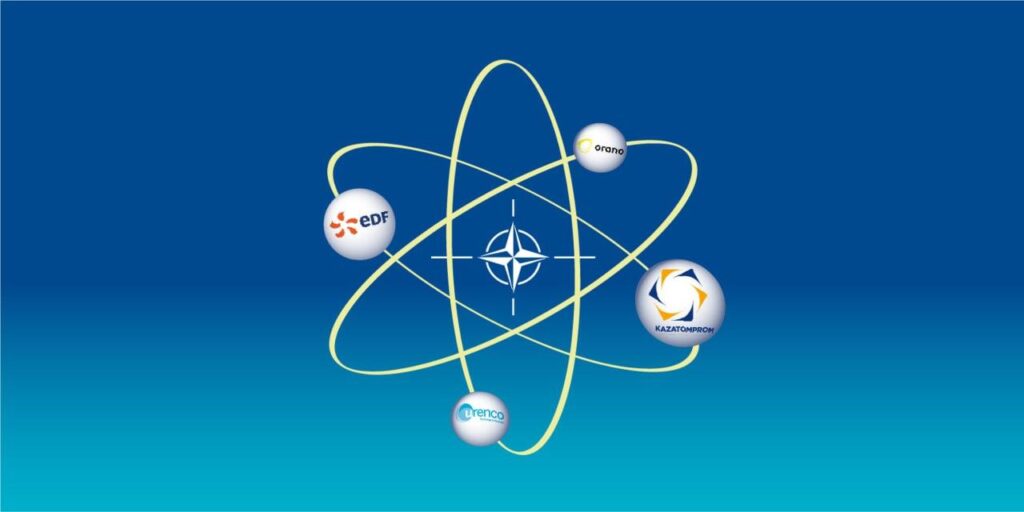
Tokayev has already discussed with France’s President Emmanuel Macron the possible participation of the French companies Orano and EDF in particular. Orano focuses on various aspects of the nuclear fuel cycle, including uranium mining, enrichment, and waste management. EDF specializes in design, construction, and operational management.

This opens the door to a fourth possibility. Orano, EDF and the British-German firm Urenco together can provide all the NPP construction and management services necessary to realize the project. But Kazatomprom, which focuses on mainly on mining and processing, has not been mentioned in any of these schemes.

Such an alternative approach, involving Western companies like Orano, EDF, and Urenco, could ensure comprehensive services with strong Western involvement, possibly including Kazatomprom, thus boosting local capacity and creating a “demonstration project” for broader natural resource collaboration within NATO frameworks. This kind of partnership could help Kazakhstan reduce its dependency on single external actors, thereby enhancing its strategic autonomy. Moreover, by involving Kazatomprom, the project could focus on knowledge transfer and capacity building, fostering local expertise and reducing external dependencies over time.

It is reasonable that an offer to take Kazatomprom into a Western consortium and to make capacity building in Kazakhstan, at Kazatomprom and elsewhere, an explicit goal of the project, would be welcome in Astana. Cooperation via NATO platforms could likewise offer Kazakhstan access not only to technical specialists from NATO countries but also to more joint training exercises and workshops, to complement an exchange of knowledge on best practices in nuclear safety and energy resilience.

And that would be only a “demonstration project” for the constructive expansion of the energy component of NATO’s Partnership for Peace (PfP) into broader natural-resource and rare-earth domains. Indeed, there is no reason even to wait for the NPP project. Central Asia, especially Kazakhstan, is a periodic table of the elements, especially rare-earth elements, and their exploration and development has been under way for some time.

Building upon the energy-security successes through NATO’s PfP, this proposal suggests expanding cooperation with Caspian region Partner countries into the mining sector, specifically for rare-earth elements critical to defense. Extending PfP to include these resources aligns with NATO’s and Partners’ core security goals, offering broader opportunities to secure the supply chain and enhance collective defense capabilities. This extension also presents a strategic avenue to mitigate risks associated with supply disruptions and geopolitical tensions.

Leveraging the extensive experience of partnership in energy security, NATO and its Partner countries could begin with joint feasibility studies on integrating mining supply chains within the PfP framework, focusing on Azerbaijan and Kazakhstan’s production and transport capacities for strategic minerals. This would start with technical workshops and readiness assessments for pilot projects, potentially leading to robust collaborations. These feasibility studies would consider both economic viability and the political landscape, aiming to create sustainable pathways for resource development.

For NATO countries, securing access to rare-earth resources is crucial for the production of advanced defense technologies, which underpin military readiness and technological superiority. Meanwhile, Partner countries could benefit significantly from improved management and security of their mining operations, enhancing both autonomy and economic development, while also reducing potential vulnerabilities that external actors might exploit.

The mining sector’s inclusion in PfP would also support regional stability by reducing dependence on single-source suppliers and mitigating geopolitical risks. Such diversification is vital in a region where overreliance on specific actors has historically increased susceptibility to coercion and economic instability. NATO’s support would not only help Partners develop their resources but also enhance their defense capabilities, ultimately securing vital supply chains that are integral to both military and economic resilience.

A principal initiative involves extending NATO’s Critical Energy Infrastructure Protection (CEIP) programs to mining infrastructure for rare-earth elements. The CEIP framework can facilitate NATO member states’ technical support for securing these infrastructures along the Middle Corridor, including the establishment of task forces dedicated to safeguarding critical infrastructure. These task forces would have a multifaceted role, from conducting risk assessments to creating response protocols that can be employed during times of increased geopolitical tension. Through collaboration, these efforts would bolster the physical security of mining sites and transport routes, ensuring that critical materials can be extracted and distributed without significant disruptions.

Three subsidiary initiatives could be pursued to strengthen this strategy: improving governance and transparency, aligning regulations, and encouraging investment. The first initiative would use NATO’s Building Integrity (BI) program to enhance transparency in mining contracts, minimizing risks of corruption and mismanagement, which can threaten both economic stability and security. Transparency efforts would ensure that exports of rare-earth elements for military applications are not compromised by inefficiencies or corrupt practices.

The second subsidiary initiative involves harmonizing regulations between NATO member states and Central Asian countries, fostering a cooperative resource management approach and ensuring smooth export processes for rare-earth elements. Regulatory harmonization would also help establish standardized procedures for safety, environmental concerns, and compliance, creating a predictable and conducive environment for long-term cooperation.

The third initiative would aim to encourage member states to invest in Central Asia’s extractive industries via public-private partnerships (PPPs), promoting joint ventures focused on technological advancements and sustainable mining techniques. Such partnerships could introduce cutting-edge extraction and refining technologies, improving yields and reducing environmental impacts, which are often key concerns for local populations and governments.

The partnership’s benefits are mutual: technological cooperation in mining would bolster regional economic growth while simultaneously meeting strategic security goals. NATO platforms could play a crucial role in promoting these efforts, ensuring secure supply chains by leveraging CEIP’s technical expertise. By enhancing regional mining operations through NATO’s existing mechanisms, these initiatives would provide a more diversified supply of critical minerals, benefiting all stakeholders.

Azerbaijan, with its well-established experience in balancing energy export routes and managing complex international relations, could facilitate regional partnerships in mining between Kazakhstan and other Central Asian nations. This aligns with Azerbaijan’s growing strategic role and would support broader diversification efforts, particularly through the development of infrastructure like the Port of Alat.

By building on existing relationships, Azerbaijan could act as a mediator and coordinator, helping align the interests of various Central Asian countries while ensuring that all parties benefit. Azerbaijan could also help mediate agreements, benefiting all parties involved and promoting regional stability.

However, a prompt start is crucial to seize these opportunities. China has recently joined the Middle Corridor and made significant inroads, such as purchasing half of Kazakhstan’s annual uranium ore production, indicating an acceleration in regional dynamics that could undermine NATO’s strategic interests. The Middle Corridor, which has increasingly become an axis of logistical and economic activity, stands at a crossroads between Western and Chinese interests.

The emerging bifurcation of the international system into an Anglosphere and a Sinosphere will likely deepen over the coming years, setting the framework for future international interactions. The decisions taken now will be pivotal in determining whether the region will prosper with a balance of power or become dominated by external pressures from more assertive actors. Engaging now, with a proactive and comprehensive strategy, will help set the groundwork for a resilient regional structure that benefits from diversified support, thereby resisting potential monopolistic influences.

Things are moving rapidly in Central Asia, and decisions made in the next few years will shape the trajectory of the region for decades to come. The structural bifurcation of the international system, marked by an intensifying divide between the Anglosphere and the Sinosphere, calls for prompt action. The development and control of critical infrastructure and resource supply chains in Central Asia will play a defining role in this emerging order, making the timing of NATO’s involvement crucial. By building these frameworks today, NATO and its Partners can ensure a stable, prosperous future that supports not only regional players but also the security and strategic needs of the broader international community.

Uzbekistan Shakes Up Top Security Positions

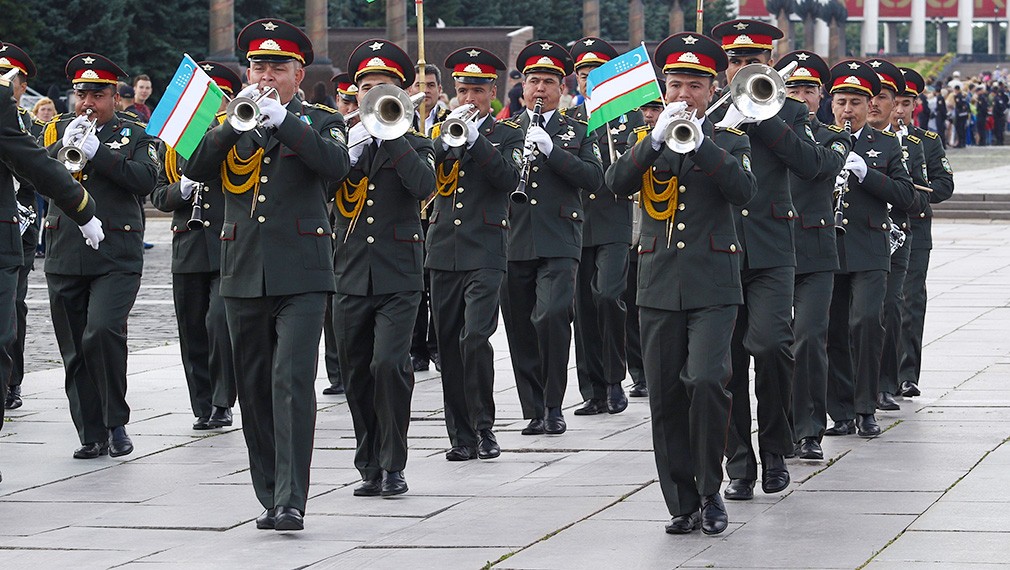
Uzbek President Shavkat Mirziyoyev has reshuffled several top posts in the government’s security establishment, a presidential aide said on Sunday.

Shukhrat Khalmukhamedov has been promoted to defense minister from his previous post as the ministry’s first deputy minister and chief of the general staff of the military, presidential press secretary Sherzod Asadov said on social media. Khalmukhamedov had held his previous job since 2021.

Khalmukhamedov replaced Bahodir Kurbanov, who was defense minister for five years and moved to chairman of the State Security Service, the national intelligence agency, according to the press secretary. Kurbanov, in turn, took over from Abdusalam Azizov, who was transferred to the Security Council secretariat under the president. Azizov previously held several high-level jobs, including defense minister, internal affairs minister and head of the Uzbekistan Football Association.

The government did not announce any reasons for the reshuffle. It came one month after a shooting attack on a vehicle in the Tashkent region that prompted reports by Uzbek media organizations and social media posts that a former high-profile figure in the government was traveling in the vehicle and was the target. There were no injuries in the attack.

The prosecutor general’s office has said several suspects were arrested, but has provided few other details about the case. Authorities warned that people who spread false information can be prosecuted because it can lead to panic and destabilize society.

In other security developments in the region, Kazakh President Kassym-Jomart Tokayev has told his government to upgrade protections at key military and civilian facilities because of escalating hostilities between Ukraine and Russia, which launched a full-scale invasion of Ukraine in early 2022.

Azerbaijan and Kazakhstan Stand Out at COP29

The 29th United Nations Climate Change Conference (COP29), held in Baku from November 11–22, 2024, has underscored the critical role of Azerbaijan and Kazakhstan in advancing Caspian Sea regional energy transitions. Both countries leveraged their positions along the Middle Corridor to present ambitious renewable and nuclear energy strategies.


Azerbaijan: Renewables and the Middle Corridor

Azerbaijan, the host and chair of COP29, has positioned itself as a renewable energy connector between Central Asia and Europe. Its energy strategy reflects a pragmatic approach to transitioning from hydrocarbons, which accounted for 88% of government revenues in 2023, to a diversified portfolio incorporating solar, wind, and hydropower.

Azerbaijan has prioritized key renewable energy projects to align with its goal of achieving a 30% renewable share in its electricity mix by 2030. Among these is the operational Garadagh Solar Power Plant, a 230-megawatt (MW) facility developed by the UAE’s Masdar, which generates 500 million kilowatt-hours (kWh) annually. Complementing this is the planned Alat Solar Project, a 400-MW solar installation expected to be operational by 2027. These projects aim to bolster domestic electricity supply and expand Azerbaijan’s capacity to export renewable energy.

The Caspian Offshore Wind Initiative, backed by the European Bank for Reconstruction and Development (EBRD), seeks to harness the Caspian Sea’s favorable wind conditions. A 1-gigawatt (GW) wind farm is under preliminary study, with construction anticipated to begin by 2026. This project could transform Azerbaijan into a renewable energy hub for the Middle Corridor, particularly as Europe reduces its dependency on Russian energy.


Kazakhstan: Nuclear Ambitions and Renewable Diversification

Kazakhstan’s energy strategy focuses on nuclear power and renewables, driven by the need to reduce coal dependency, which still accounts for two thirds of its electricity generation. The government’s approval of its first nuclear power plant, following a nationwide referendum in October 2024, is central to this strategy.

The planned nuclear reactor, located near Lake Balkhash, will generate 1.2-GW of electricity, replacing approximately 20% of coal-fired generation. This initiative complements Kazakhstan’s status as the world’s largest uranium producer, supplying over 40% of global demand and generating $3.6 billion in export revenues in 2023. Potential consortium members for the project include South Korea’s KEPCO, France’s Orano and EDF, China’s CNNC, and Russia’s Rosatom, although economic-sanctions issues complicate Russia’s involvement in the nuclear sector.

Kazakhstan is simultaneously scaling up renewable energy projects, with several key initiatives underway. The Zhanatas Wind Farm, operational since 2022, produces 100-MW of power, and the Shelek Solar Park, a 200-MW solar facility near Almaty, is expected to come online in late 2025. Together, these projects aim to increase renewables to 15% of Kazakhstan’s electricity mix by 2030, quintupling the level from 2023.


The Trans-Caspian Electricity Cable Project

At the COP29 conference, Azerbaijan and Kazakhstan, along with Uzbekistan, announced an ambitious trans-Caspian electricity cable project through an underwater transmission system. This infrastructure initiative, estimated to cost $2.5 billion, seeks to establish an electricity corridor linking Central Asia with European markets, representing a significant step in regional energy integration. The project would run 400 kilometers under the Caspian Sea and connect Azerbaijan’s Alat Free Economic Zone to Kazakhstan’s Aktau port.

Expected to be completed by 2028, with a plan to facilitate the transmission of up to 2-GW of electricity, the project will contribute to existing Middle Corridor infrastructure, which already supports trade and energy flows between Central Asia and Europe. The cable would link Azerbaijan’s electricity grid to Kazakhstan’s network, with Uzbekistan connecting through Kazakhstan’s infrastructure. For Azerbaijan, it would reinforce the country’s role as an energy hub between Central Asia and Europe; for Kazakhstan and Uzbekistan, it would be opportunity to monetize their growing electricity generation capacity, in line with their expanding renewable energy sectors.

The project faces unique engineering challenges due to the Caspian Sea’s marine environment. A submarine cable requires specialized high-voltage direct current (HVDC) technology to manage depths of several hundred meters. HVDC is preferred over alternating current (AC) due to its lower transmission losses over long distances, reducing the number of cables required. Multiple converter stations will transform AC power to DC for transmission, and back to AC for grid integration.

All three countries will need significant grid reinforcement, including new substations, AC transmission lines, and sophisticated control systems to manage power flow and ensure grid stability. Kazakhstan and Uzbekistan must strengthen their north-south transmission backbone to channel power to the Caspian connection point, while Azerbaijan will require robust interconnection infrastructure to manage power flows toward European markets.

This initiative forms part of broader efforts to enhance connectivity through the Middle Corridor (also called the Trans-Caspian International Transport Corridor, TITR). It aligns with European Union objectives to diversify energy sources and reduce dependence on Russian energy imports, making the project highly relevant in contemporary energy security discussions. By linking renewable energy generation across the Caspian, the project underscores Azerbaijan’s role as a bridge between resource-rich Central Asia and energy-demanding Europe. It also contributes to the broader Middle Corridor objectives, including reducing transit times for goods and energy, enhancing regional connectivity, and providing alternatives to China-dominated infrastructure.


Conclusion and Prospect

Both Kazakhstan and Azerbaijan face significant financial and geopolitical constraints in advancing their energy strategies. The Caspian electricity cable, for example, requires substantial investment from multilateral institutions, such as the European Investment Bank (EIB) and the Asian Infrastructure Investment Bank (AIIB). While Azerbaijan has allocated $1.2 billion for grid modernization, Kazakhstan’s nuclear program demands extensive international collaboration, which is complicated by sanctions and geopolitical rivalries.

Azerbaijan’s focus on renewables positions it as a critical bridge between Central Asia and Europe, while Kazakhstan’s nuclear and renewable investments reflect its leadership in addressing domestic and regional energy demands. The two countries are thus advancing distinct yet complementary energy strategies, underscored by the Caspian electricity cable and their integration into the Middle Corridor.

Repeal of Jackson-Vanik Amendment for Kazakhstan Discussed in Washington

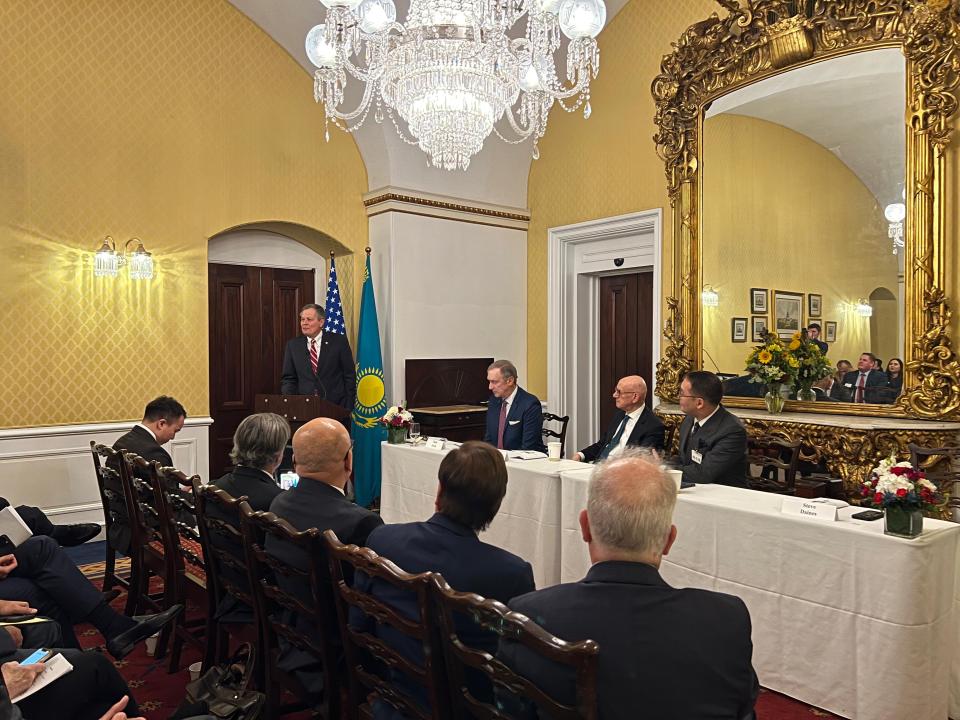
On November 19, the U.S. Congress hosted a discussion on repealing the Jackson-Vanik Amendment as it pertains to Kazakhstan. The event brought together members of Congress, officials from the U.S. State Department, Kazakhstan’s Ambassador to the United States, Yerzhan Ashikbaev, and representatives from business and expert communities.

A Cold War-era provision, the Jackson-Vanik Amendment to the 1974 Trade Act denied the U.S. normal trade relations with non-market economies — primarily countries in the former Soviet bloc — that restricted emigration for Jewish and other minority populations or violated human rights.

In his opening remarks, Ambassador Ashikbaev underscored the importance of repealing the amendment for Kazakhstan, highlighting the country’s transformation into a regional leader in attracting foreign investment and promoting stability in Central Asia.

“Over the past 30 years, Kazakhstan has emerged as the second-largest economy in the post-Soviet space, accounting for two-thirds of Central Asia’s GDP. The repeal of the Jackson-Vanik Amendment and the establishment of Permanent Normal Trade Relations with Kazakhstan is a strategic move that will strengthen ties between Kazakhstan and the U.S., providing stability and predictability for American investors,” the ambassador stated.

Congressman Tom Suozzi commended Kazakhstan for its efforts to promote religious freedom and the rule of law. He also emphasized that the U.S. recognizes Kazakhstan’s geopolitical challenges and the critical role of strengthening economic security in the region for mutual prosperity.

Senator Chris Murphy stressed the strategic importance of Central Asia in U.S. foreign policy. He argued that repealing the amendment would signal Washington’s serious commitment to the region. While the amendment’s sanctions were effective in the past, Murphy noted they are now irrelevant to Kazakhstan, which fully complies with international norms.

Senator Steve Daines, co-chair of the Senate Central Asia Caucus, reflected on his visit to Kazakhstan in March. He described the establishment of the caucus following his trip and assured participants of his ongoing efforts to achieve Permanent Normal Trade Relations between the U.S. and Kazakhstan.

Eric Rudenshiold, Senior Fellow at the Caspian Political Center and former National Security Council official, also emphasized the need for repeal. He noted that this step should have been taken earlier, given Kazakhstan’s significant political and economic progress over 33 years of independence. He described the repeal as both justified and timely.

Participants in the discussion concluded that, given Kazakhstan’s successful economic reforms and its adherence to market economy principles, the Jackson-Vanik Amendment is no longer relevant.