• KGS/USD = 0.01144 0%
  • KZT/USD = 0.00193 -0%
  • TJS/USD = 0.10811 -0.28%
  • UZS/USD = 0.00008 0%
  • TMT/USD = 0.28490 0%
  • KGS/USD = 0.01144 0%
  • KZT/USD = 0.00193 -0%
  • TJS/USD = 0.10811 -0.28%
  • UZS/USD = 0.00008 0%
  • TMT/USD = 0.28490 0%
  • KGS/USD = 0.01144 0%
  • KZT/USD = 0.00193 -0%
  • TJS/USD = 0.10811 -0.28%
  • UZS/USD = 0.00008 0%
  • TMT/USD = 0.28490 0%
  • KGS/USD = 0.01144 0%
  • KZT/USD = 0.00193 -0%
  • TJS/USD = 0.10811 -0.28%
  • UZS/USD = 0.00008 0%
  • TMT/USD = 0.28490 0%
  • KGS/USD = 0.01144 0%
  • KZT/USD = 0.00193 -0%
  • TJS/USD = 0.10811 -0.28%
  • UZS/USD = 0.00008 0%
  • TMT/USD = 0.28490 0%
  • KGS/USD = 0.01144 0%
  • KZT/USD = 0.00193 -0%
  • TJS/USD = 0.10811 -0.28%
  • UZS/USD = 0.00008 0%
  • TMT/USD = 0.28490 0%
  • KGS/USD = 0.01144 0%
  • KZT/USD = 0.00193 -0%
  • TJS/USD = 0.10811 -0.28%
  • UZS/USD = 0.00008 0%
  • TMT/USD = 0.28490 0%
  • KGS/USD = 0.01144 0%
  • KZT/USD = 0.00193 -0%
  • TJS/USD = 0.10811 -0.28%
  • UZS/USD = 0.00008 0%
  • TMT/USD = 0.28490 0%
10 December 2025

In Uzbekistan, Perpetrators of Domestic Violence Against Children Face Tougher Penalties

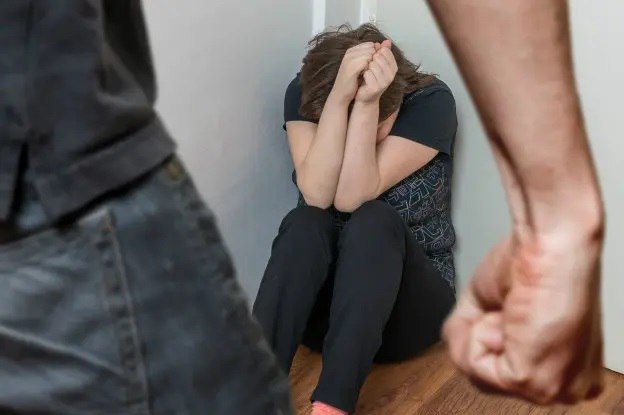
Uzbekistan has toughened liability for physical abuse of children within the family, actions which can now result in more stringent criminal penalties. President Shavkat Mirziyoyev signed relevant amendments to the legislation, which came into force after being officially published on the website of the national legislation base.

The amendments affect the Criminal Code and the Code of Administrative Responsibility, introducing stricter sanctions for domestic violence against children. Child abuse is punishable by fines ranging from $590 to $885, or imprisonment of two to three years. In cases of violence against more than one child, the punishment becomes more severe, with perpetrators facing three to five years in prison. The legislative changes were approved by Parliament in July 2024 and approved by the Senate in September.

These measures come as a reaction to increasing cases of child abuse in Uzbekistan. Recently, a woman in Bukhara beat her underage daughters, and a resident of the Shafirkon district was sentenced to three years in prison for abusing her child. Another high-profile case occurred in the Toylok district of Samarkand province, where a man was accused of beating his six-year-old stepson. These cases have attracted significant public attention, prompting the authorities to strengthen legislative measures to protect children from violence perpetrated within family units.

Turkmenistan and Iraq Sign Gas Deal for Seasonal Supply via Iran

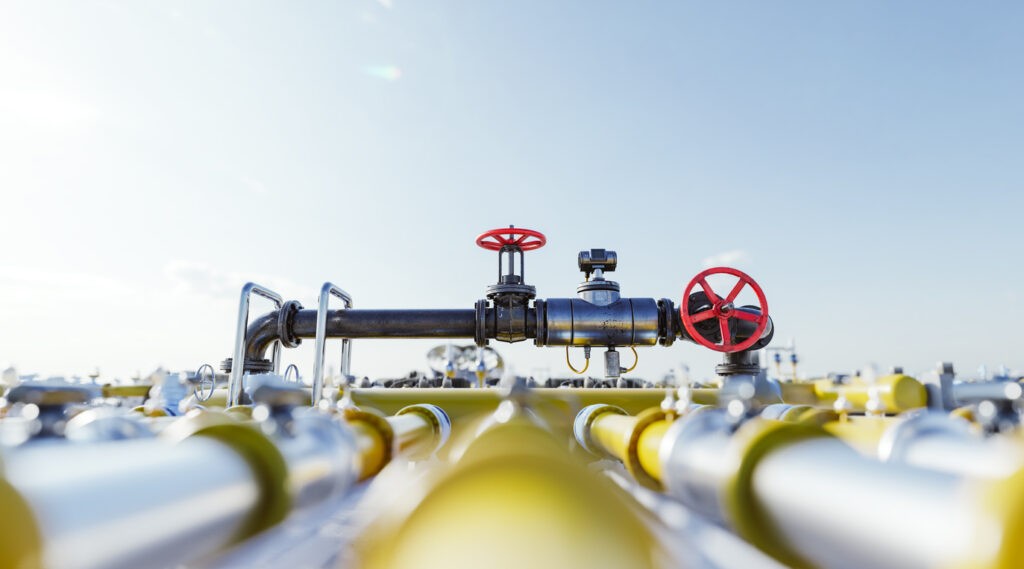
On October 19, representatives from Turkmenistan and Iraq signed a significant gas agreement in Baghdad. Under the deal, Iraq will import up to 20 million cubic meters of gas daily, with deliveries routed through Iran via a swap arrangement. The Iraqi government has expressed its intention to begin implementing the contract soon.

The contract shows that Turkmenistan delivers 10 million cubic meters of fuel to Iraq in winter and 20 million cubic meters in summer. Iraqi Electricity Minister Ali Fadel noted that the contract compensates for the same amount of gas in the event of supply problems. Iraq faces severe energy shortages and unstable supplies from Iran. Problems include its debt and difficulties making payments to Iran, which is under US sanctions. Supply from Turkmenistan is expected to moderate this dynamic. In parallel, Iraq plans to sign contracts with other suppliers and invest in its gas projects.

Turkmenistan is also China’s gas supplier and was the largest supplier to China in the first half of 2024, exporting gas worth $5.67 billion. During a recent visit to Iran, Gurbanguly Berdimuhamedov, the former president of Turkmenistan and current chairman of the People’s Council (Halk Maslahaty), announced plans to increase gas supplies to Iran to 40 billion cubic meters annually, further solidifying Turkmenistan’s role as a major energy provider in the region.

Russian Journalist Inessa Papernaya Found Dead in Tashkent Hotel

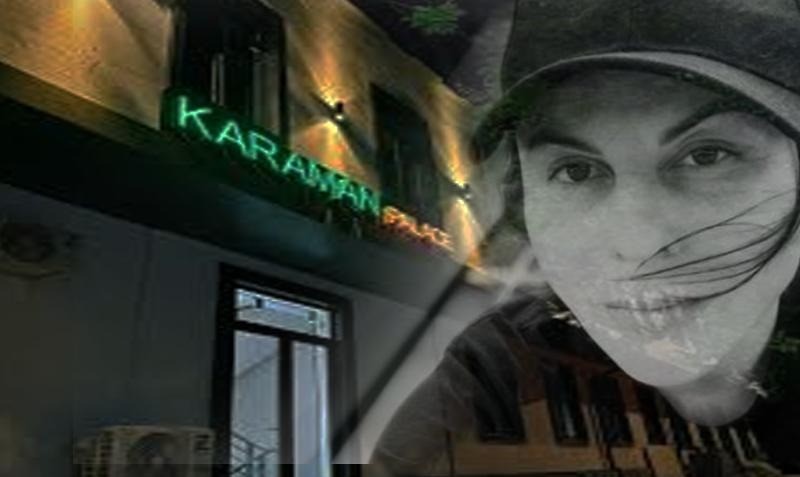
Russian journalist Inessa Papernaya, known for her work with lenta.ru and profile.ru, was tragically found dead in a hotel in Tashkent, Uzbekistan, on October 20. It has been reported that Papernaya was in Uzbekistan on vacation, and was staying at the Karaman Palace Hotel with a companion, Maxim Radchenko, with whom she was in a long-term relationship, and whom she had traveled with in order to meet his relatives.

According to reports, hotel staff knocked on the door of her room that evening while delivering a package. After receiving no response, they entered the room and discovered the bodies of Papernaya and Radchenko. An Uzbek citizen was subsequently found dead in the bathroom of another room in the hotel.

Preliminary reports attributed the cause of the deaths to poisoning of “unknown origin,” with early suggestions being propagated that gas seeped into the room through the ventilation system after the hotel’s pool was cleaned on October 19-20, leading to the tragic incident.

Following the discovery, authorities sealed off the Karaman Palace Hotel. The General Prosecutor’s Office of Uzbekistan has launched an investigation under Article 186 of the Uzbek Criminal Code, which covers the provision of unsafe services, and a forensic examination has been ordered to determine the precise cause of death.

Relatives of Radchenko have disputed what they have described as several different versions of the deaths which have been put forward. According to Radchenko’s sister, the family were initially told that “he had an epileptic seizure; she ran up to him, slipped, fell, hit herself and died. This is some kind of TV series: how do you fall? What nonsense… Then there was a version about drugs, since their bodies were in the bathroom, that meant they were drug addicts.”

In a further twist challenging the official narrative regarding gas seepage related to the pool being cleaned, Radchenko’s sister has categorically stated that “there is no pool there.” Meanwhile, no websites advertising rooms at the Karaman Palace make any mention of a pool, with some stating outright that this facility is not available.

Hayat Shamsutdinov, press secretary of the General Prosecutor’s Office of Uzbekistan, has confirmed that the bodies will be transported to Moscow for a joint cremation to be held on October 25.

Kazakhstan’s Strategic Stand: Navigating BRICS Amidst Geopolitical Tensions

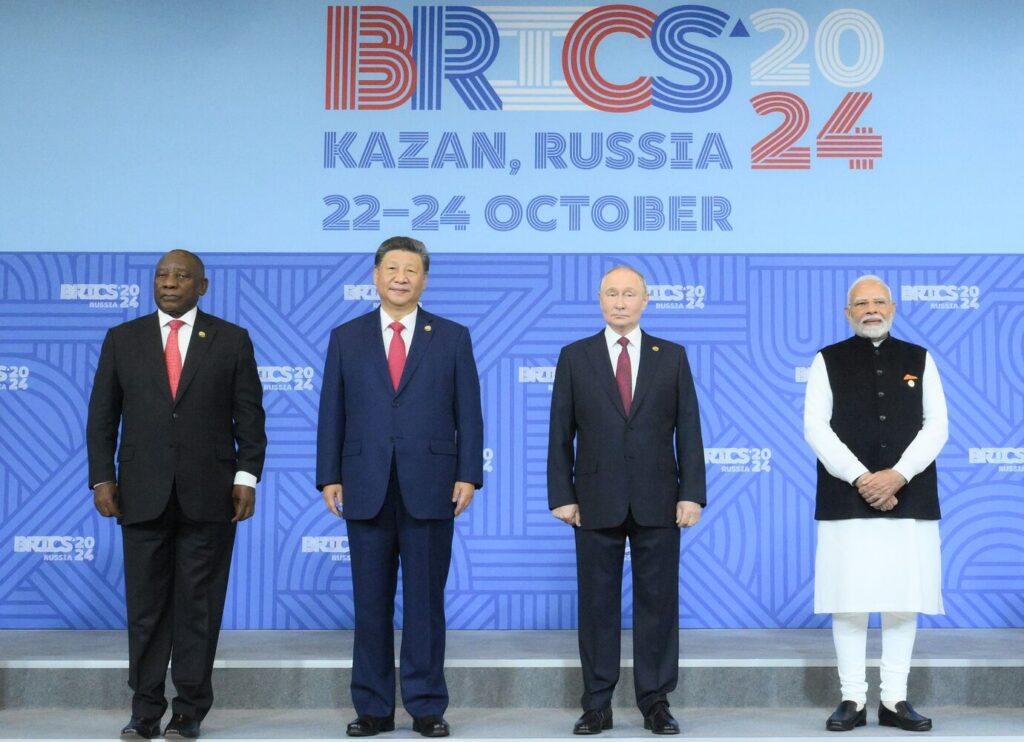
In recent days, BRICS – an intergovernmental organization comprising Brazil, Russia, India, China, South Africa, Iran, Egypt, Ethiopia, and the UAE – has become one of the most critical topics on the Eurasian region’s information agenda. Russian propaganda has presented the BRICS summit, which is taking place in Kazan, as a global event. However, the press secretary of Kazakhstan’s president, Kassym-Jomart Tokayev, has stated that the republic has no plans to apply for BRICS membership in the foreseeable future, which has caused an adverse reaction in the Russian media, and led to a seemingly retaliatory Russian ban on Kazakhstan’s agro-products.

The Kazakhstani side, represented by the expert community, has tried to explain that its reasoning is based not only on Astana’s national interest, but also on its obligations to its partners in Central Asia. Perhaps the most convincing argument is that the C5+1 mechanism is effective as a format for the region’s interactions with the outside world. Therefore, it is not worth breaking this mechanism. No Central Asian country besides Kazakhstan has been invited to join BRICS, but Astana cannot afford to damage the established alliance by creating the conditions for distrust from its neighbors; Central Asia has already gone through a period of distrust.

At the same time, rejecting the idea of joining BRICS, where India, Russia, Brazil and China are the founding members, does not unduly affect Kazakhstan’s interactions with these powers. Kazakhstan works with China and Russia within the framework of the SCO (Shanghai Cooperation Organisation) and EAEU (Eurasian Economic Union), and has signed multiple partnership and alliance agreements with Beijing and Moscow. In other words, the information hysteria that Kazakhstan will exit Russia’s sphere tomorrow and join the “Global West” (a term used in the Russian media) has no basis in reality.

At the same time, however, it is evident that most Central Asian countries are trying to distance themselves from Russia as much as possible, maintaining cooperation only along certain economic lines. Even banks in Kyrgyzstan, a republic maximally dependent on Moscow on several essential issues, have stopped working with Russian banks. The Kazakhstan Stock Exchange, meanwhile, recently announced the end of cooperation with the sanctioned Moscow Stock Exchange. Moreover, Rosselkhoznadzor’s ban on imports of a wide range of agro-industrial products from Kazakhstan, if not a response to the refusal to join the BRICS, clearly hints that behind the scenes, economic relations between Astana and Moscow are not all that smooth.

Another argument against joining BRICS was voiced not just within Kazakhstan, but also by Russian experts. Despite the organization’s purportedly representative nature, which includes countries with a combined population of 3.5 billion people (45% of the Earth’s population), the association has no structure. Russian analysts opposed to the Kremlin believe that BRICS is a club where one can come, sabre-rattle at the West, conclude bilateral agreements, and forget about everything until the next summit.

No coordinating center monitors the implementation of any agreements reached.

BRICS was conceived as an intercontinental organization, uniting similar economies in volume and GDP. Thus, it initially included Brazil, representing Latin America; Russia, representing Eurasia; and China, representing Asia, whilst South Africa, representing the continent of Africa, joined in 2010 at the invitation of China. Including another Eurasian country in the shape of Kazakhstan, could therefore upset the balance and strengthen the preponderance of the organization in favor of this continent.

Finally, in this geopolitical balancing act, Kazakhstan’s decision not to join BRICS must also be seen from another point of view, for were Kazakhstan to sign up, partners from the EU and the U.S. would have good reason to raise doubts regarding Kazakhstan’s long-stated positions of a multi-vector foreign policy, multi-lateralism, and all the rhetoric about the role of “middle powers.”

Russia’s unbridled propaganda, meanwhile, has also negatively influenced the perception of BRICS in the Central Asian region itself, where it is largely perceived as a bloc opposed to the “Global West.” Central Asian republics, which lost so much due to the Cold War and the subsequent collapse of the Soviet Union, do not want a repeat of this long stand-off between two worlds. Therefore, they will continue to balance the interests of major powers as much as possible without joining more blocs and alliances. That said, however, Kazakhstan will shortly face a tough geopolitical challenge in its choice of partners for the construction of its first nuclear power plant.

Tajikistan Has Baked the World’s Tallest National-Themed Cake

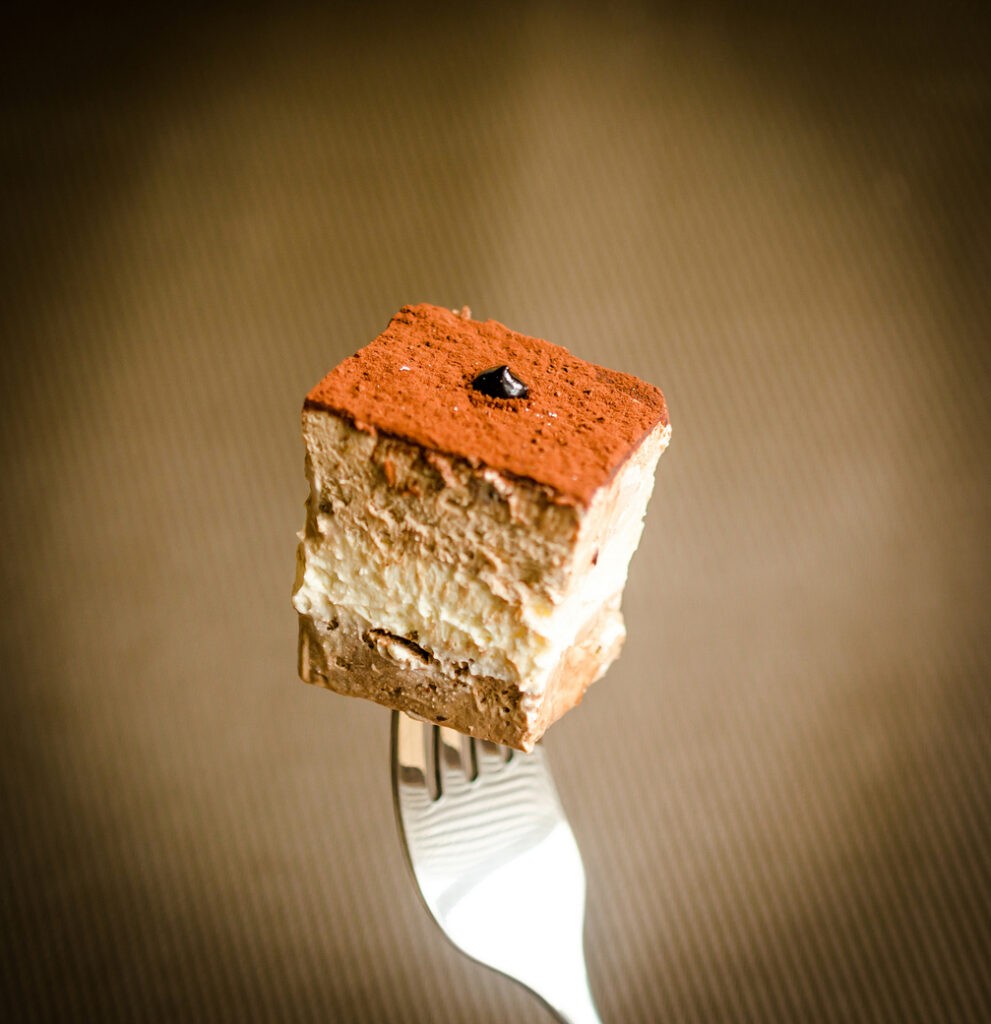
In Dushanbe, 15 pastry chefs and representatives of the World Federation of Restaurant Sports (WFRS) from Kyrgyzstan, Russia, and Tajikistan set a world record by making a cake weighing 200 kg and 2.10 meters high. This culinary masterpiece became the world’s tallest nationally-themed cake, which was confirmed by the Eurasian Rating Agency (ERA).

The cake was transported by truck to Abulkasim Ferdowsi Park and placed on a decorated table. A copy of the 45-centimeter-high Ismoil Somoni monument was placed on the cake, and the confectionery had a square base with a side of 1.1 m. The cake was decorated with gingerbread figures of Tajikistan’s landmarks, national ornaments, and more than 300 marshmallow elements stylized as watermelons, melons, grapes, and other fruits.

Pastry chef Natalie Vee said the cake is designed for 100-200 people. The team created it in four days, using 160 eggs, 25 kg of sugar, about 45 kg of sugar paste, several kilograms of flour, and about 30 liters of juice.

“We have set records in Russia, Africa, and Europe. This is the first record for Tajikistan, and I hope it will remain for a long time,” said Alexander Rabinovich, chairman of the ERA’s Service and Hospitality Committee and WFRS secretary general.

He explained that the cake preparation coincided with World Chef’s Day and the national holiday Mehrgon. On that day, Ferdowsi Park also became the center of Mehrgon celebrations, where a harvest and culinary fair was organized, offering vegetables, fruits, honey, and drinks from different regions of Tajikistan.

Two cake records stand out for their impressive scale and global attention. The tallest cake, created in Indonesia for a Christmas event in Jakarta in 2008, reached an astounding 33 meters. Equally remarkable is the record for the longest cake, stretching 5,300 meters, made in India in 2020. Both cakes captivated international audiences with their sheer size and uniqueness.

Uzbekistan Prepares for the Polls: Embracing a New Electoral System

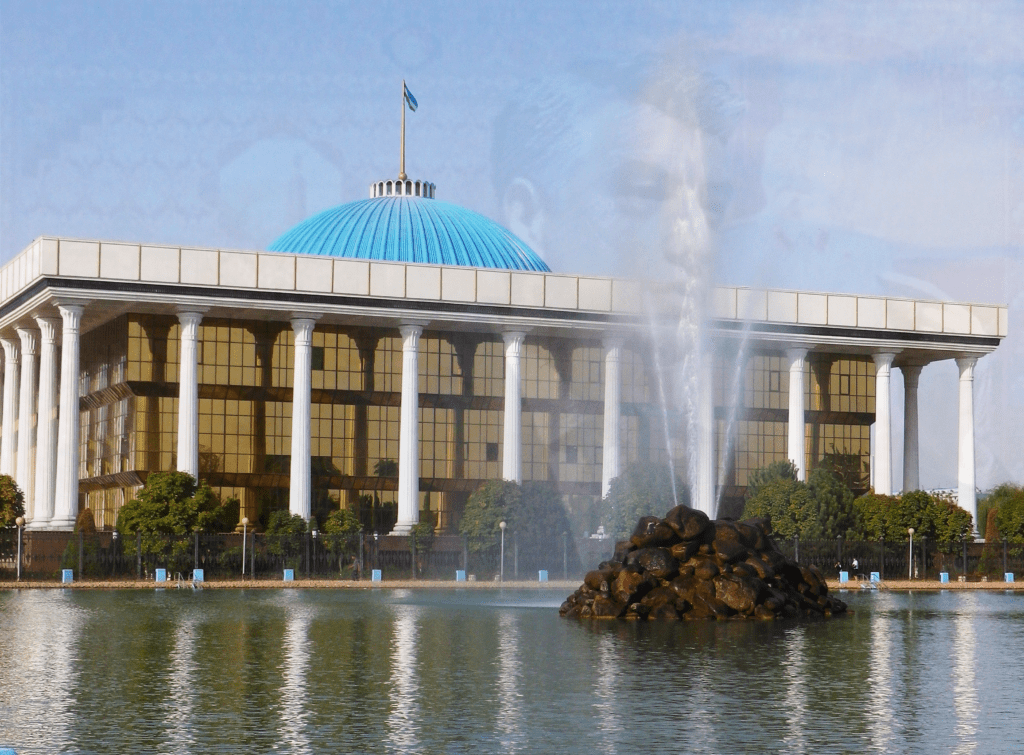
On October 27, citizens of Uzbekistan will cast their ballots under a new mixed electoral system for the 150-member Legislative Chamber of the Oliy Majlis (Lower House of Parliament) in elections billed as “My choice is my prospering Motherland.”

Half of the candidates will be elected from single-member districts using a first-past-the-post system, whilst the other half will come from nationwide proportional representation which requires parties to surpass a 7% electoral threshold. If fewer than one-third of eligible voters participate, the election will be deemed invalid, and should no party meet the threshold for proportional seats, those elections will be considered void. By mandate, at least 40% of the candidates must be women, up from 30% in the elections held in 2019.

Additionally, 56 members of the upper chamber, 65 deputies of the Jokargy Kenes of the Republic of Karakalpakstan, 12 regional and 208 district and city council seats are also being contested by approximately 30,000 candidates. At the invitation of the authorities in Uzbekistan, at the end of September, the OSCE’s Office for Democratic Institutions and Human Rights (ODIHR) dispatched a team of long-term observers.

On October 5, Uzbekistan held a groundbreaking pre-election TV debate for party leaders which was broadcast live on multiple TV channels and social media platforms in Uzbek, Russian, English, and Karakalpak. Reportedly modeled on the BBC’s Question Time, the debate’s audience featured voices from the nation’s youth, women, and ethnic minorities as part of a drive to engage with voters described by organizers as “innovate, creative [and] interactive.

Five parties – the Liberal-Democratic Party of Uzbekistan, Milli Tiklanish (National Revival) Democratic Party, the Ecological Party of Uzbekistan, the People’s Democratic Party of Uzbekistan (PDP), and the Adolat (Justice) Social-Democratic Party – have been registered for the upcoming elections. However, others have faced a backlash for attempting to register. According to The Diplomat, all of the entities running “have always been perceived as mere extensions of the state.”

Since the death of long-term despot, Islam Karimov, however, Uzbekistan’s “state apparatus [have] become more open,” as noted by an election observer in 2019, whilst the platforms of figures such as Alisher Qodirov have increasingly chimed with the public. Amidst reforms aimed at tackling endemic corruption, in recent years Uzbekistan has gained ground on Transparency International’s global corruption perception index, and recently partnered with the World Bank on “training, projects, and research to combat corruption.”