• KGS/USD = 0.01144 0%
  • KZT/USD = 0.00193 -0%
  • TJS/USD = 0.10811 -0.28%
  • UZS/USD = 0.00008 0%
  • TMT/USD = 0.28490 0%
  • KGS/USD = 0.01144 0%
  • KZT/USD = 0.00193 -0%
  • TJS/USD = 0.10811 -0.28%
  • UZS/USD = 0.00008 0%
  • TMT/USD = 0.28490 0%
  • KGS/USD = 0.01144 0%
  • KZT/USD = 0.00193 -0%
  • TJS/USD = 0.10811 -0.28%
  • UZS/USD = 0.00008 0%
  • TMT/USD = 0.28490 0%
  • KGS/USD = 0.01144 0%
  • KZT/USD = 0.00193 -0%
  • TJS/USD = 0.10811 -0.28%
  • UZS/USD = 0.00008 0%
  • TMT/USD = 0.28490 0%
  • KGS/USD = 0.01144 0%
  • KZT/USD = 0.00193 -0%
  • TJS/USD = 0.10811 -0.28%
  • UZS/USD = 0.00008 0%
  • TMT/USD = 0.28490 0%
  • KGS/USD = 0.01144 0%
  • KZT/USD = 0.00193 -0%
  • TJS/USD = 0.10811 -0.28%
  • UZS/USD = 0.00008 0%
  • TMT/USD = 0.28490 0%
  • KGS/USD = 0.01144 0%
  • KZT/USD = 0.00193 -0%
  • TJS/USD = 0.10811 -0.28%
  • UZS/USD = 0.00008 0%
  • TMT/USD = 0.28490 0%
  • KGS/USD = 0.01144 0%
  • KZT/USD = 0.00193 -0%
  • TJS/USD = 0.10811 -0.28%
  • UZS/USD = 0.00008 0%
  • TMT/USD = 0.28490 0%
10 December 2025

Eurasian Creative Guild Festival Bridges Cultural Divides

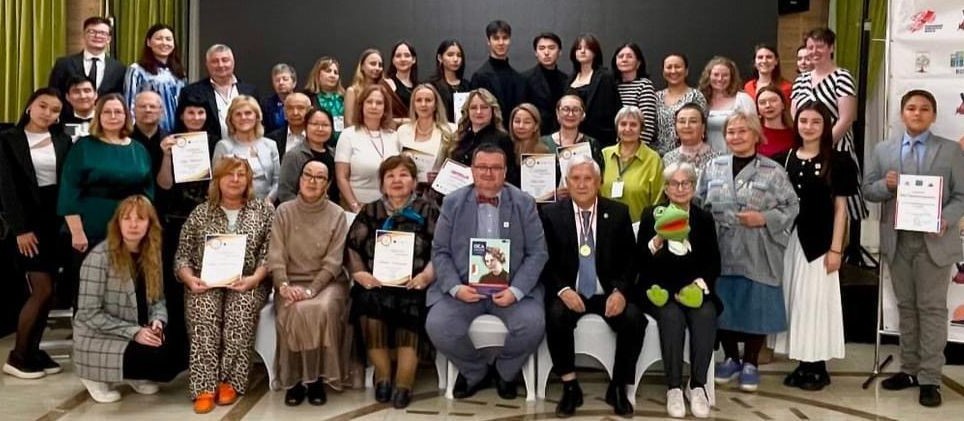
The 4th International Festival of Poetry and Visual Arts, “Voices of Friends: Poetry & Art 2024” took place from September 15 to 18 in the scenic Burabay National Park, Kazakhstan. The festival, organized by the Eurasian Creative Guild (London) and supported by various local entities, showcased a vibrant blend of poetry, visual arts, literature, and cinema. It included the 13th Open Eurasian Literary Festival and Book Forum, the third Burabay International Short Film Festival (BISFF), and the inaugural Future Cinema youth film festival. More than 50 creative individuals from 15 countries, including Kazakhstan, the UK, Belarus, Israel, the UAE, and the U.S., participated, bringing a rich tapestry of cultural expressions to the event.

The festival featured an array of activities, started with an introductory meeting and progressing through screenings, presentations, and master classes. Highlights included the introduction of youth films and the BISFF screenings, which received over 80 submissions, celebrating diverse stories through film. Noteworthy films, such as In Search of Healing Water: Chunja-Burabay-Dushanbe and Teacher on Stage were showcased. The festival also encompassed literary salons, art presentations, roundtable discussions on tourism, and a charity auction, providing attendees with a deep dive into the creative and cultural industries.

The festival concluded with award ceremonies celebrating achievements in film, poetry, and visual arts. Winners in various categories were recognized, such as Best Short Film awarded to As Easy As Closing Your Eyes from the United States, and announcements for future events were made. With over 500 guests, the event underscored its stated objective of celebrating the power of art to bridge cultures and enhance mutual understanding among diverse communities. The next Guild Festival will be held in Scotland later in the year.
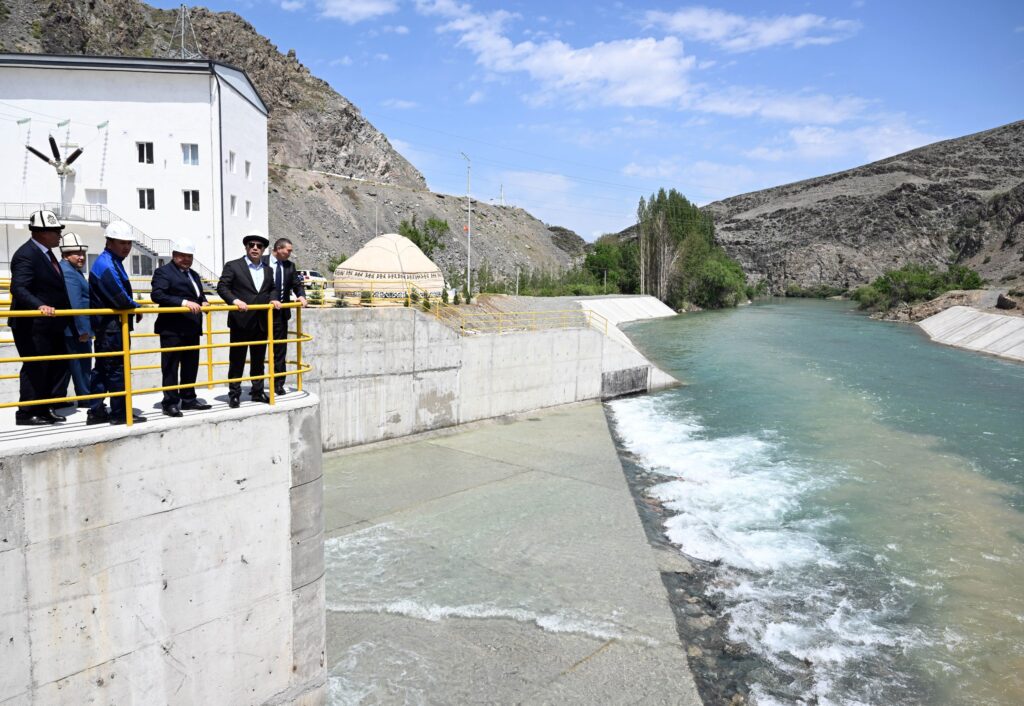

How Kyrgyz Authorities Are Fighting Energy Shortages

Despite the launch of the construction of the Kambarata-1 hydroelectric power plant, Kyrgyzstan needs more electricity. One solution could be to launch small hydropower plants.

Officials said building such plants on the country’s numerous rivers is not costly. According to the Kyrgyz Energy Ministry, commissioning such HPPs could take only 1.5-2 years.

There are currently 24 small hydropower plants in operation in the country, and there is potential for more than 80 more.

In an interview with The Times of Central Asia, Kyrgyz Deputy Energy Minister Nurlan Sadykov said that every citizen has the opportunity to build a small hydropower plant. Startup permits can be obtained quite easily.

“We have a Green Energy Fund, which is authorized to issue land for small-scale energy needs, including the construction of solar panels and wind farms. This body holds a competition where anyone can participate equally, whether a Kyrgyz citizen or a foreign investor. The main thing is to confirm your financial capabilities,” Sadykov said.

Sadykov said most investors borrow from local or international banks in one way or another. The authorities can guarantee the return of invested funds through electricity tariffs.

“A presidential decree has been issued. According to the document, the state is guaranteed to buy electricity. If the investor wants to receive money for generated electricity in foreign currency, the state can provide payments in US dollars,” the deputy minister emphasized.

Chinese and Russian companies are interested in building renewable energy sources in Kyrgyzstan. A campaign to raise funds from local businessmen is also underway.

It is worth noting that Kyrgyzstan is experiencing an increase in electricity consumption. The country produces about 14 billion kilowatt-hours annually, but consumption, especially in winter, can reach 17 billion kilowatt-hours. To compensate for the missing electricity, the authorities import it from Kazakhstan, Turkmenistan, and Uzbekistan.

Middle East Conflict Disrupts Flights with Central Asia

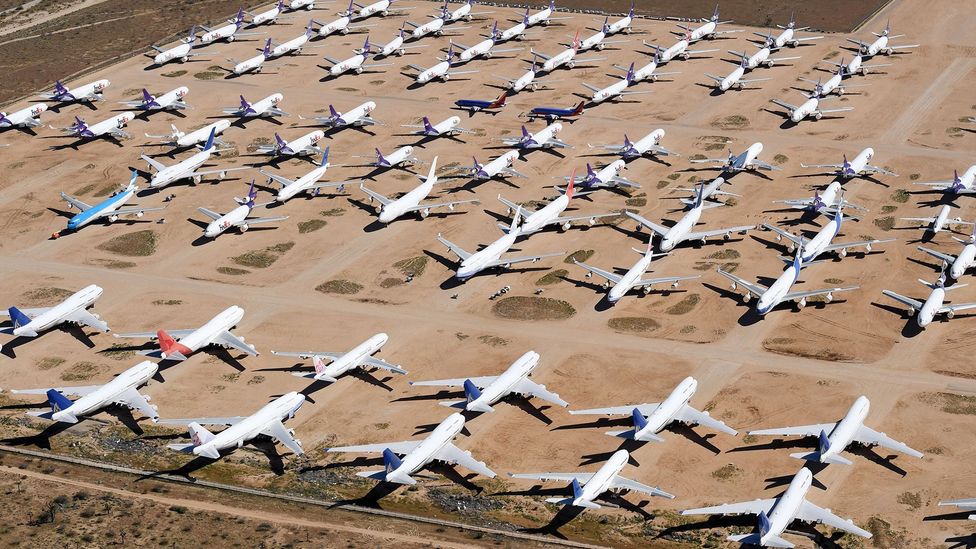
The growing conflict between Israel and Iran has disrupted international air travel in the Middle East, and Central Asia is grappling with cancellations and rerouted flights to and from the region.

Flynas, a low-cost Saudi airline, and Qeshm Air, an Iranian carrier, have temporarily canceled flights to Uzbekistan “due to the escalation of tensions in the Middle East and the closure of part of the airspace,” the state-run Uzbekistan Airports company said on Telegram on Wednesday.

The cancellations were a Flynas flight on the Jeddah-Tashkent-Jeddah route; another roundtrip Flynas flight from Jeddah to the Uzbek city of Namangan and back; and a Qeshm Air flight from Tehran to Tashkent and back to the Iranian capital, according to the Uzbek company. It advised travelers to check departure information with airline representatives.

Air Astana, Kazakhstan’s national carrier, said it had decided to bypass Iran’s airspace on its flights to Dubai after analyzing the situation in the Middle East and following guidance from the national aviation authorities.

“As a result, the flight routes from Astana and Almaty to Dubai will be altered, and flight time will be extended,” Air Astana said on Telegram. “Flights to Jeddah will remain unchanged but may be reconsidered if military activity in the region escalates. If necessary, the airline will implement additional changes to ensure flight safety.”

Aviation authorities of Kazakhstan’s Ministry of Transport have advised domestic airlines to avoid Iranian airspace, according to Kazinform, a state-run news agency.

The flight disruptions came after Iran launched hundreds of missiles at Israel on Tuesday, and Israel warned that it will respond forcefully to the attack. The confrontation threatens a broader conflict in the region as Israel is already conducting military operations against two Iran-backed groups, Hamas in Gaza and Hezbollah in Lebanon.

Kazakhstan’s Police Step Up Patrols Near Synagogues and Israeli Diplomatic Facilities

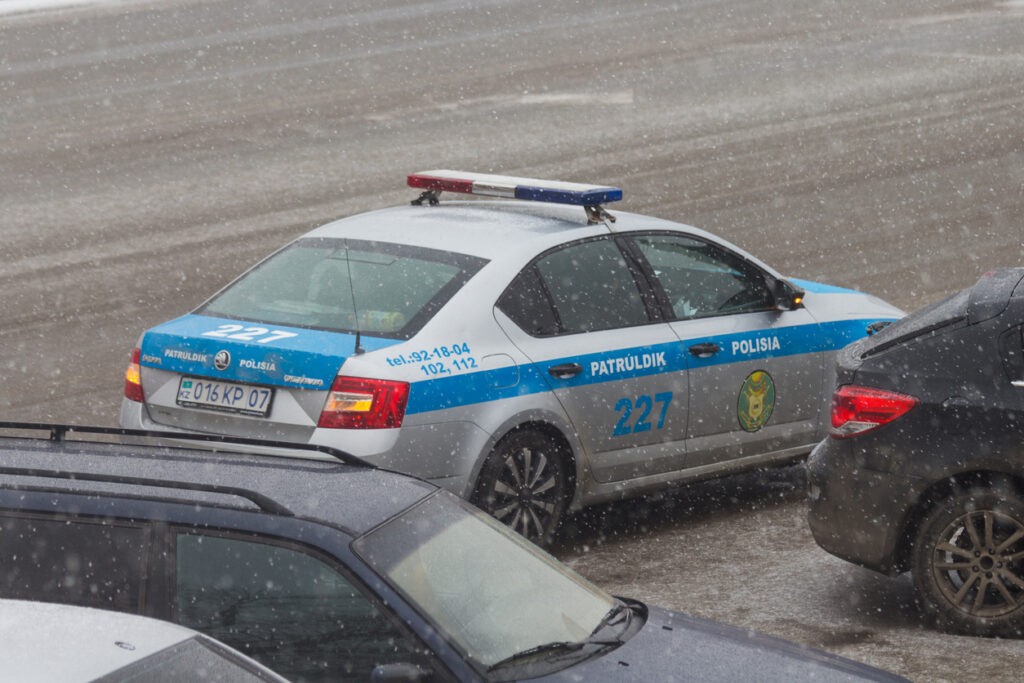
In Kazakhstan, police have intensified patrolling near synagogues and Israeli diplomatic facilities. This was reported on October 2 by the Ministry of Internal Affairs.

According to Shyngys Alekeshev, head of the ministry’s department of information policy, the embassy facilities are, as before, under constant police protection, ensuring their safety in the current situation.

“All religious sites have also long been under the control of the IAB; patrol routes are closer to these sites. Additionally, video monitoring of the adjacent territory is carried out through the DSC cameras,” he said.

On the night of October 1 to 2, Iran fired rockets at the territory of Israel in response to the Israeli ground operation in southern Lebanon and the death of Hezbollah leader Hassan Nasrallah. According to the Iranian side, this was only the first wave of the attack, targeting key Israeli military and strategic sites.

Earlier, it was reported that Iran was planning to use ballistic missiles in the attack, drawing a sharp reaction from the US. The White House has warned Iran of possible severe consequences if the aggression continues.

The Israeli operation in southern Lebanon, targeting Hezbollah facilities, resulted in significant casualties, with 95 people killed and another 172 wounded.

Kazakhstan’s Foreign Ministry has already condemned the airstrike on the residence of the head of the UAE’s diplomatic mission in Sudan and called for restraint by urging the parties to resolve conflicts through diplomatic methods.

Turkmenistan and American Language Schools Agree on Programs

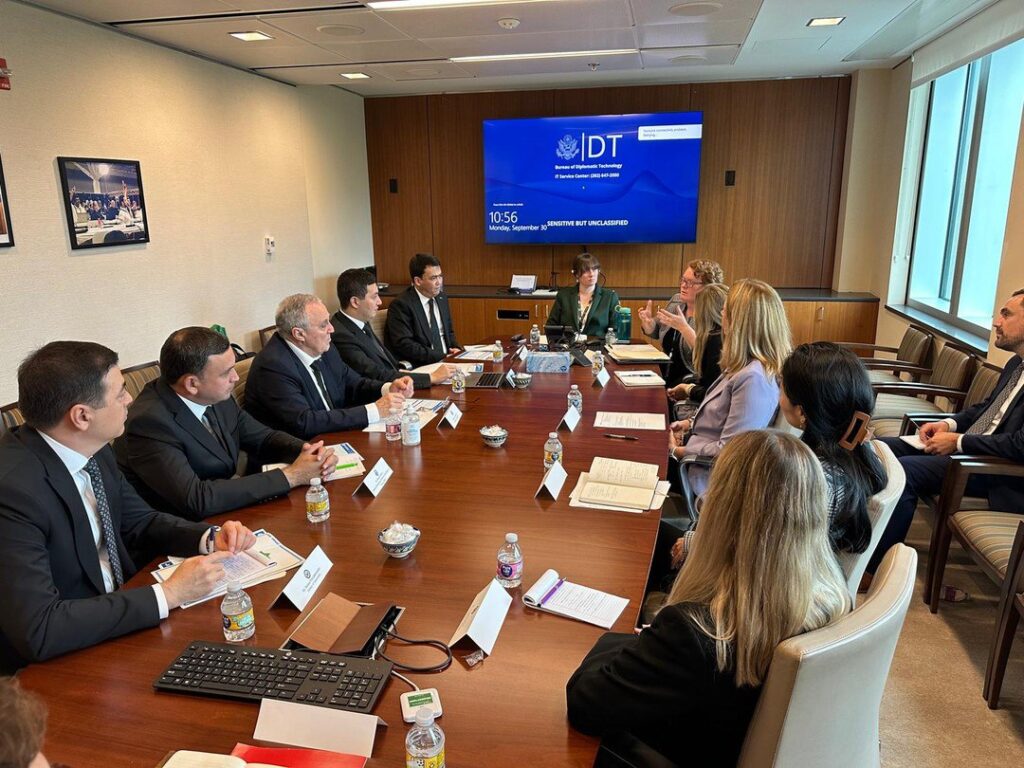
Turkmenistan is taking active steps to establish international cooperation as part of its strategy to modernize its education system. Representatives of the Turkmen Education Ministry met with the leadership of the AC Language School from the United States. The American side took the initiative to develop unique educational programs specially adapted to the needs of the Turkmen labor market. The proposal’s idiosyncrasy is the combination of international quality standards with the specifics of Turkmenistan’s economic development.

The proposed educational package includes programs in five strategic areas. International service standards and intercultural communication skills will be trained in the tourism sector. Courses in information technology, including advanced programming, 3D printing, and bioinformatics, will strengthen the technology sector.

Special attention will be given to management training through MBA-level programs and training in renewable energy and clean technologies. The agro-industrial complex has also been addressed: courses on modern agribusiness and innovative agricultural product processing methods are envisaged.

An important aspect of cooperation will be the introduction of an international certification system. This will allow program graduates to receive globally recognized documents, significantly increasing their competitiveness in the global labor market.

Representatives of the AC Language School noted the great potential of the educational market of Turkmenistan and readiness for long-term cooperation.

Scientists in Turkmenistan Develop Lactose Gel for Skin Rejuvenation

Turkmen biotechnologists from the Academy of Sciences of Turkmenistan have developed an innovative lactose gel designed to rejuvenate and correct age-related skin changes. The State Service for Intellectual Property has officially recognized this technology and issued the relevant patent.

The gel, based on milk whey, is used in dermatology and cosmetology. Its key task is to improve skin condition by restoring water and protein balance. Low-frequency ultra phonophoresis allows deep penetration of amino acid molecules, which contributes to cell recovery, improves cell nutrition and moisturizing, and stimulates the regeneration process.

The basis of development is milk whey, which contains about 50% of the components important for maintaining skin health, such as proteins, lactose, vitamins, and minerals. These components are actively used in various industries, including cosmetics, due to their high biological value and unique physical and chemical properties.

The head of the Academy’s biotechnology department, Altyn Rakhmanova, emphasized that using whey in bionanotechnology is not only an effective way to create useful products but also an environmentally friendly approach. It is based on waste-free production, which minimizes the negative impact on the environment while increasing the value of the resulting products.

Thus, this development demonstrates an innovative approach in the cosmetics industry, maximizing the benefits of natural resources and creating compelling products for the skin, providing comprehensive rejuvenation and restoration.

Other developments in Turkmen science have been reported in recent weeks. Scientists have also developed a therapeutic ointment made of a widespread tree species in the country – maklura. The drug reduces inflammatory processes and helps to tighten wounds. In addition, scientists in Turkmenistan have developed a cream based on oil from silkworm cocoons, which is used in cosmetology. Before that, Turkmen scientists presented crackers made of camel thorn extract.