• KGS/USD = 0.01144 0%
  • KZT/USD = 0.00216 0%
  • TJS/USD = 0.10456 0%
  • UZS/USD = 0.00008 0%
  • TMT/USD = 0.28490 0%
  • KGS/USD = 0.01144 0%
  • KZT/USD = 0.00216 0%
  • TJS/USD = 0.10456 0%
  • UZS/USD = 0.00008 0%
  • TMT/USD = 0.28490 0%
  • KGS/USD = 0.01144 0%
  • KZT/USD = 0.00216 0%
  • TJS/USD = 0.10456 0%
  • UZS/USD = 0.00008 0%
  • TMT/USD = 0.28490 0%
  • KGS/USD = 0.01144 0%
  • KZT/USD = 0.00216 0%
  • TJS/USD = 0.10456 0%
  • UZS/USD = 0.00008 0%
  • TMT/USD = 0.28490 0%
  • KGS/USD = 0.01144 0%
  • KZT/USD = 0.00216 0%
  • TJS/USD = 0.10456 0%
  • UZS/USD = 0.00008 0%
  • TMT/USD = 0.28490 0%
  • KGS/USD = 0.01144 0%
  • KZT/USD = 0.00216 0%
  • TJS/USD = 0.10456 0%
  • UZS/USD = 0.00008 0%
  • TMT/USD = 0.28490 0%
  • KGS/USD = 0.01144 0%
  • KZT/USD = 0.00216 0%
  • TJS/USD = 0.10456 0%
  • UZS/USD = 0.00008 0%
  • TMT/USD = 0.28490 0%
  • KGS/USD = 0.01144 0%
  • KZT/USD = 0.00216 0%
  • TJS/USD = 0.10456 0%
  • UZS/USD = 0.00008 0%
  • TMT/USD = 0.28490 0%

Explosions, Panic, Darkness: Kyrgyz Passenger Describes Azerbaijan Airlines Crash

“We are making an emergency landing. Hold on tight, the impact will be strong. After landing, exit the plane quickly.”

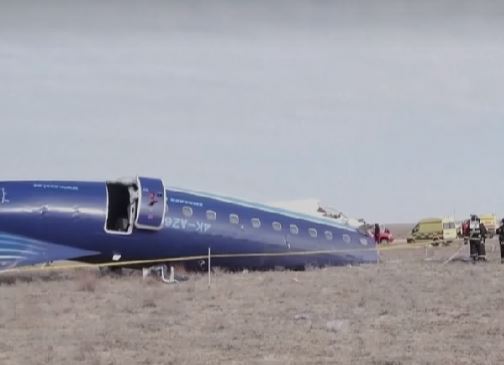
Rinat Asanov, a passenger from Kyrgyzstan and one of 29 people who survived the Azerbaijan Airlines plane crash in Kazakhstan on December 25, recalled the announcement by a flight attendant shortly before the violent impact that killed 38 others on the aircraft.

Asanov, who suffered a severe head injury, fractures and bruises, was recently discharged from a hospital in Bishkek and was interviewed by AKIpress, a news agency based in the Kyrgyz capital.

Azerbaijan alleges the Embraer 190 plane diverted from a planned landing in Grozny, Chechnya to Aktau, Kazakhstan after being accidentally hit by Russian ground fire, and Kazakh authorities have said preliminary results of an investigation are expected this month. Most of the 67 people on board, including five crewmembers, were from Azerbaijan, and the second-largest group was from Russia. Six Kazakh citizens died. All three Kyrgyz nationals on the plane survived.

Asanov, who was in a coma for three days in a Kazakh hospital before being transferred to intensive care in Kyrgyzstan, described a “good mood” as the flight got underway that morning. He promptly fell asleep on the plane.

“Suddenly, a loud sound was heard, similar to an explosion,” he told AKIpress. “I woke up in panic and everyone was crying.”

Seconds later, another explosion.

“I was confused and didn’t understand what was happening. The flight attendants tried to calm down us saying: “Don’t panic, everything will be fine, we will land safely.”´

Then came the warning about the emergency landing.

“It’s difficult to imagine how one should feel at such moments,” Asanov said in the interview, which was published on Tuesday.

“First I believed that we could land with no consequences. It was very scary, I felt my vision darken. Later I realized I had lost consciousness. I was sitting in the middle of the cabin, near the wing. As I was later told, passengers in this area and in the tail section of the plane were less injured. However, many in the front part of the plane were severely affected.”

Other passengers have given similar accounts of events leading to the crash, and small holes in part of the fuselage appear to support the theory that the plane was sprayed with shrapnel. Edil Baisalov, Kyrgyzstan’s deputy Cabinet chairman, visited the Kyrgyz survivors while they were being treated at the National Hospital in Bishkek. He said the country is “incredibly lucky” that they survived and he thanked Kazakhstan for rescue and treatment efforts, according to 24.kg, a Kyrgyz news agency. The two other Kyrgyz survivors were less severely injured than Asanov and were discharged from hospital care before him.

Asanov, an IT student at the International University of Kyrgyzstan, previously worked for two years as a surveyor on construction sites in Russia. He is in his 20s. Since the accident, he has found strength in his religious faith and a feeling that he has a second chance at life, according to AKIpress.

“Now I am gradually recovering, but rehabilitation is still ahead,” he said.

Kazakhstan Expands Invataxi Services with Taxi Aggregator Partnership

Kazakhstan is expanding its efforts to provide accessible transportation for people with disabilities through the Invataxi project, which offers specially adapted minivans for travelers with mobility challenges. In a significant step forward, the Ministry of Labor and Social Protection of the Population has partnered with a taxi aggregator to enhance and streamline the service, making it more accessible and efficient.

As part of a pilot project launched in 2024, people with disabilities in Astana and Almaty used Invataxi services via the Yandex Go mobile application more than 207,000 times. This marks a dramatic increase compared to 2023 when the service was used 53,900 times. The pilot project introduced the use of passenger cars alongside the adapted minivans, significantly broadening the availability of transportation options.

Previously, users had to book Invataxi rides by phone at least a day in advance. Now, thanks to Yandex’s integration, users can request rides instantly via the mobile app, making the process faster and more convenient. A critical aspect of the pilot was that Yandex waived any commission on payments for these rides, ensuring affordability for passengers.

The Yandex Go application includes a special feature that allows passengers with disabilities to notify drivers of any specific requests for the trip. Additionally, drivers have been trained to assist passengers with disabilities in entering and exiting the vehicle, further enhancing the service’s accessibility.

The pilot project initially operated in Astana and Almaty but will now be expanded to other regions across the country in 2025, as part of the government’s plan to replicate its success nationwide.

In parallel with the Invataxi project, Kazakhstan is also investing in other accessible transportation initiatives, including the expansion of its fleet of Invacarriages specially adapted train carriages designed to accommodate people with disabilities. These efforts underscore the country’s commitment to improving mobility and inclusivity for all its citizens.

New U.S. Anti-Russian Sanctions Could Spell Trouble for Central Asian Economies

On January 10, 2025, the U.S. Treasury Department announced a new package of sanctions targeting Russia’s energy sector. The measures, which affect a wide range of organizations and individuals, are set to take effect on February 27. While ostensibly aimed at undermining Russia’s economic interests amid the ongoing conflict in Ukraine, the sanctions are likely to have significant repercussions for Central Asian countries given their close economic ties with Russian energy giants.

The sanctions package, viewed by some analysts as a final move by the outgoing Biden administration, could become a potent tool for the incoming administration to exert influence over Russian interests in Central Asia.

Sanctions on Gazpromneft Subsidiaries

The new sanctions include restrictions on Gazpromneft’s subsidiaries operating in Central Asia. Affected entities include Gazpromneft Tajikistan, Gazpromneft Kazakhstan, Gazpromneft Asia (Kyrgyzstan), and Munai Myrza (Kyrgyzstan).

According to the U.S. Treasury Department, Gazpromneft and its regional subsidiaries are considered critical sources of revenue that support Russia’s military efforts in Ukraine. In response, Gazpromneft characterized the sanctions as “unfounded, illegitimate and contrary to the principles of free competition.”

The impact of these sanctions, however, could prove severe for the economies of Central Asia, where Gazpromneft plays a key role in the energy sector. Gazpromneft Asia, for example, is a major supplier of petroleum products in Kyrgyzstan, making it a critical player in the domestic market. Sanctions on the company could disrupt fuel supplies and drive up energy prices in the country.

Gazpromneft Kazakhstan LLP, based in Almaty, operates a network of Gazpromneft-branded gas stations in Kazakhstan. While disruptions to fuel supplies in this network might not critically affect Kazakhstan’s economy – the largest in Central Asia – the sanctions carry broader implications.

Threats to Joint Projects

Beyond direct sanctions on companies, several executives of Russian oil firms actively operating in Kazakhstan have been added to the U.S. sanctions list. Key figures include Vadim Vorobyev, President of Lukoil PJSC and a member of Kazakhstan’s Foreign Investors Council. Lukoil is a strategic partner of KazMunaiGas (KMG) in production and exploration projects; Nail Maganov, CEO of Tatneft, which collaborates with KMG on projects such as Karaton Podsolovaya, Butadiene, and the Saran Tire Plant; Alexander Dyukov, the Chairman of Gazpromneft, and Sergei Kudryashov, CEO of Zarubezhneft, which has signed letters of intent for joint projects with KMG.

These sanctions could complicate existing partnerships and delay key projects, undermining Kazakhstan’s energy sector and its broader economic growth.

Sanctions on Rosatom and Nuclear Energy

Another significant element of the sanctions package is the inclusion of Rosatom executives on the U.S. sanctions list. This development poses challenges to Kazakhstan’s plans to establish an international consortium – including representatives from France, South Korea, China, and Russia – to build a nuclear power plant.

With Rosatom facing restrictions, the consortium is now likely to exclude Russia, potentially straining relations between Astana and Moscow. A global leader in nuclear energy, Rosatom was expected to play a central role in the project. Kazakhstan may now explore alternative arrangements, balancing its energy ambitions with the risk of alienating a key partner.

Exceptions and Strategic Implications

Interestingly, the U.S. sanctions package includes an exemption that allows American companies to provide oilfield services for the Caspian Pipeline Consortium (CPC) and Tengizchevroil LLP until June 28, 2025. Chevron, the largest private shareholder in both projects, has significant stakes in Kazakhstan’s Tengiz oil field, which accounts for approximately 20% of the company’s global reserves.

The CPC pipeline, which transports oil from Tengiz to Russia’s Novorossiysk port on the Black Sea, is similarly crucial for Chevron’s operations. The exemption ensures continuity for these projects, at least temporarily.

Observers, including the Kazakh oil and gas industry journalist Oleg Chervinsky, have speculated about how the incoming U.S. administration under Donald Trump will approach these exemptions after June 28. Writing on the Telegram channel “Oil and Gas of Kazakhstan: Facts and Comments,” Chervinsky suggests that the outgoing Biden administration’s sanctions may limit Trump’s ability to implement new strategies. Conversely, the sanctions could also provide the new administration with powerful leverage to pressure Central Asian states to distance themselves from Russia’s economic and energy sphere.

Complex Dynamics

The latest round of U.S. sanctions against Russia underscores the complex geopolitical dynamics in Central Asia. By targeting Russian energy firms and executives, the measures not only escalate the economic pressure on Moscow but also expose Central Asian countries to potential economic disruptions. As these nations navigate the fallout, they will need to carefully balance their ties with Russia, their energy needs, and their relationships with Western powers.

Cat Houses Installed at Tashkent Airport

Tashkent International Airport has introduced a heartwarming initiative by installing cat houses in the green space between the departure hall and the main terminal. Designed by students from the Tashkent University of Architecture and Civil Engineering, the structures provide a safe and comfortable habitat for the airport’s feline residents.

According to the press service of Uzbekistan Airports, cats have long been part of the airport’s ecosystem. “Cats are natural inhabitants of the urban environment and play a vital ecological role. Apart from their aesthetic charm, they are skilled hunters, helping control populations of mice and rats,” the service said. The idea to construct cat houses had been under consideration for years but was delayed due to ongoing construction at the airport. With the involvement of the Mushukkent project and university students, the houses were finally completed and installed in locations safe for both the animals and airport operations.

Materials used in building the cat houses are durable, resistant to decay, non-combustible, and environmentally friendly. The houses are equipped with heating systems for winter and ventilation for summer, ensuring the cats’ comfort year-round.

Image: Uzbekistan Airports Telegram

“For Uzbekistan Airports, this is more than just an ecological project – it’s a social initiative that reflects the company’s commitment to animal welfare. It symbolizes Uzbekistan’s hospitality, beginning right at the airport, and highlights the city’s humane values,” the company added.

The Mushukkent project, launched in 2019, is supported by various government agencies, the National Guard of Uzbekistan, and non-governmental organizations. Its goals include fostering kindness towards animals, establishing shelters, controlling the stray cat population, and increasing penalties for animal cruelty.

This initiative is not unique to Uzbekistan. Two years ago, animal rights activists in Almaty, Kazakhstan, installed wooden shelters for street cats. These huts, raised above the ground, feature a roof, ladder, and feeder, providing a safe and comfortable place for up to nine cats to sleep, eat, and stay protected from the elements.

Kyrgyzstan Simplifies Entry Rules for Foreign Citizens

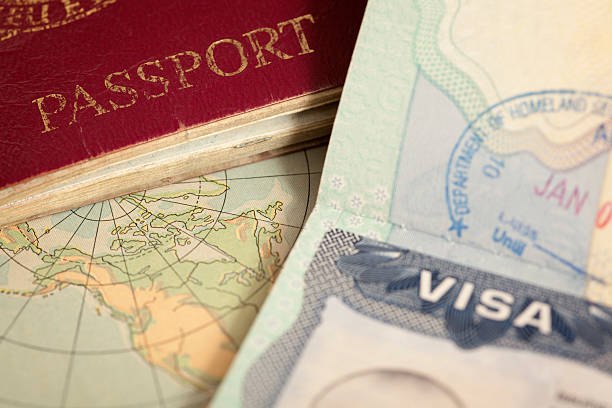
Kyrgyzstan has introduced significant changes to its visa policy, eliminating several visa categories, including business, tourist, and mountain tourism visas, as part of efforts to improve its investment climate and boost tourism. These visas will now be replaced with a streamlined system centered around a new “Sapar visa”, which can be issued within 24 hours of application.

According to the Ministry of Foreign Affairs, the Sapar visa will be available to foreign citizens traveling to Kyrgyzstan for business, tourism, or private purposes, such as visiting friends or undergoing medical examinations. The visa allows stays of up to 90 days and offers both single-entry and multiple-entry options. The changes will take effect on January 22, 2025, with applications submitted through the government’s Electronic Visa portal.

The e-visa portal, launched five years ago, was developed to simplify the visa application process, particularly for tourists and investors. The system is user-friendly, requiring only an internet connection, a credit or debit card for payment, and scanned copies of necessary documents.

By modernizing its visa policies and making the process faster and more accessible, Kyrgyzstan hopes to attract more foreign investors and tourists, bolstering economic growth. The government’s approach reflects a commitment to removing bureaucratic hurdles and positioning the country as an attractive destination for both business and leisure travel.

Kazakhstan Increases Water Levels in North Aral Sea by 42%

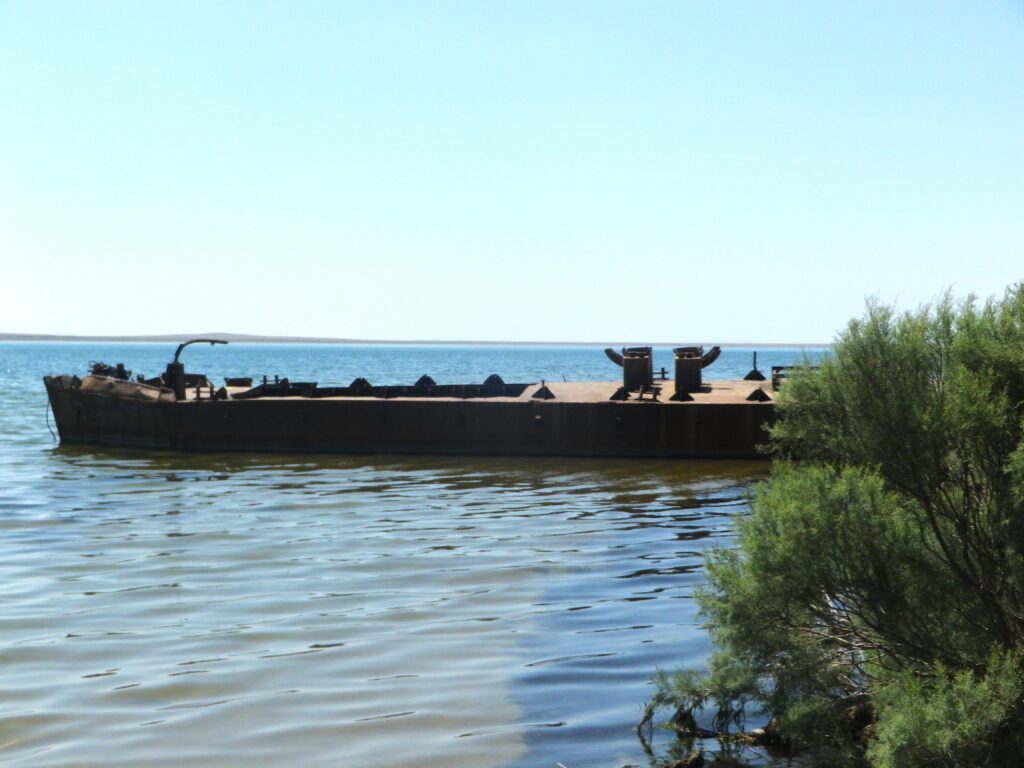
Kazakhstan’s efforts to restore the North Aral Sea have yielded significant results, with the water volume increasing by 42% to 27 billion cubic meters. The salinity of the sea has decreased nearly fourfold, and annual fish catches have risen to 8,000 tons. These achievements were highlighted by Minister of Water Resources and Irrigation Nurzhan Nurzhigitov during a meeting with residents of the Aral district in the Kyzylorda region on January 13.

The North Aral Sea restoration project, initiated in response to the catastrophic shrinkage of the Aral Sea, focuses on the portion of the sea fed by the Syr Darya River. The North Aral Sea separated from the South Aral Sea in 1987-1988 due to declining water levels caused by extensive water diversion for agriculture.

During the meeting, Nurzhigitov discussed plans for the second phase of the project, which aims to:

  • Further increase water levels in the North Aral Sea;
  • Improve water accumulation and management;
  • Expand fisheries and promote ecotourism;
  • Enhance the region’s overall ecological health.

In 2024, Kazakhstan directed approximately 2.6 billion cubic meters of water into the Aral Sea, a dramatic increase compared to 816 million cubic meters in 2022.

Nurzhigitov attributed the project’s success to the efficient distribution of water from the transboundary Syr Darya River, achieved through close cooperation with upstream countries. “These figures are the result of systematic work over the past two years. We [Kazakhstan] have reached a mutual understanding with neighboring countries on the conservation and fair distribution of water resources in transboundary rivers,” Nurzhigitov said.

The minister emphasized that the project’s ultimate goal is to improve the region’s ecology, boost fisheries and tourism, and enhance the quality of life for local communities.

The restoration of the North Aral Sea has become a symbol of Kazakhstan’s commitment to addressing ecological challenges while fostering sustainable development. By prioritizing cooperation with regional partners and implementing systematic water management strategies, the initiative offers hope for reversing decades of environmental degradation and improving economic opportunities for communities in the region.