• KGS/USD = 0.01144 0%
  • KZT/USD = 0.00214 0%
  • TJS/USD = 0.10508 0.48%
  • UZS/USD = 0.00008 0%
  • TMT/USD = 0.28490 -0.28%
  • KGS/USD = 0.01144 0%
  • KZT/USD = 0.00214 0%
  • TJS/USD = 0.10508 0.48%
  • UZS/USD = 0.00008 0%
  • TMT/USD = 0.28490 -0.28%
  • KGS/USD = 0.01144 0%
  • KZT/USD = 0.00214 0%
  • TJS/USD = 0.10508 0.48%
  • UZS/USD = 0.00008 0%
  • TMT/USD = 0.28490 -0.28%
  • KGS/USD = 0.01144 0%
  • KZT/USD = 0.00214 0%
  • TJS/USD = 0.10508 0.48%
  • UZS/USD = 0.00008 0%
  • TMT/USD = 0.28490 -0.28%
  • KGS/USD = 0.01144 0%
  • KZT/USD = 0.00214 0%
  • TJS/USD = 0.10508 0.48%
  • UZS/USD = 0.00008 0%
  • TMT/USD = 0.28490 -0.28%
  • KGS/USD = 0.01144 0%
  • KZT/USD = 0.00214 0%
  • TJS/USD = 0.10508 0.48%
  • UZS/USD = 0.00008 0%
  • TMT/USD = 0.28490 -0.28%
  • KGS/USD = 0.01144 0%
  • KZT/USD = 0.00214 0%
  • TJS/USD = 0.10508 0.48%
  • UZS/USD = 0.00008 0%
  • TMT/USD = 0.28490 -0.28%
  • KGS/USD = 0.01144 0%
  • KZT/USD = 0.00214 0%
  • TJS/USD = 0.10508 0.48%
  • UZS/USD = 0.00008 0%
  • TMT/USD = 0.28490 -0.28%

Two Uzbek Universities Enter the QS World Rankings

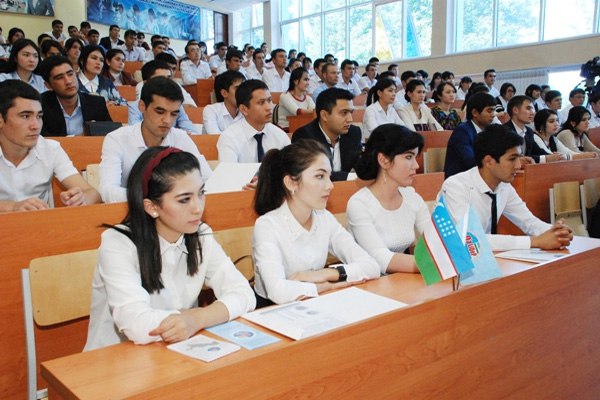
The higher education analytics firm Quacquarelli Symonds has published its latest annual table of the world’s best universities — the QS World University Rankings 2025.

For the first time in the ratings’ history, two Uzbek universities — the Tashkent Institute of Irrigation and Agricultural Mechanization Engineers (TIIAME) National Research University (547th place) and the Mirzo Ulugbek National University of Uzbekistan (781st place) — were included in the ranking.

Under the QS “academic reputation” indicator, TIIAME National Research University is among the top 300 universities in the world.

The National University of Uzbekistan has produced renowned scientists who have made significant contributions to the advancement of global science. The Times of Central Asia has previously written about Botir Kobilov, who received a doctoral degree from Harvard Business School. Damir Musayev, another Uzbek, defended his doctoral thesis in genetics at Yale University in the United States and received his Doctor of Science degree.

Erdogan: Turkmenistan Gas Exports to Turkey “Only a Matter of Time”

Turkey’s president Recep Tayyip Erdogan has said that it is “only a matter of time” before gas from Turkmenistan is exported to Turkey and Europe through the expanded Trans-Anatolian Gas Pipeline (TANAP) project.

“Our long-standing cooperation, crowned with infrastructure investments such as Baku-Tbilisi-Ceyhan, Baku-Tbilisi-Erzurum pipelines, and TANAP, has not only benefited Turkey and Azerbaijan but has also made significant contributions to the energy security of the region and Europe,” Erdogan said at the International Caspian Oil and Gas Exhibition in Azerbaijan’s capital of Baku.

Two gas routes from Turkmenistan to Azerbaijan are being reported. The Turkish Daily Sabah reports that this plan involves transporting gas by sea on gas carrying ships. Upstream, citing experts, reports that SOCAR will start negotiations with Turkmenistan on the resumption of gas supply through Iran under the exchange scheme.

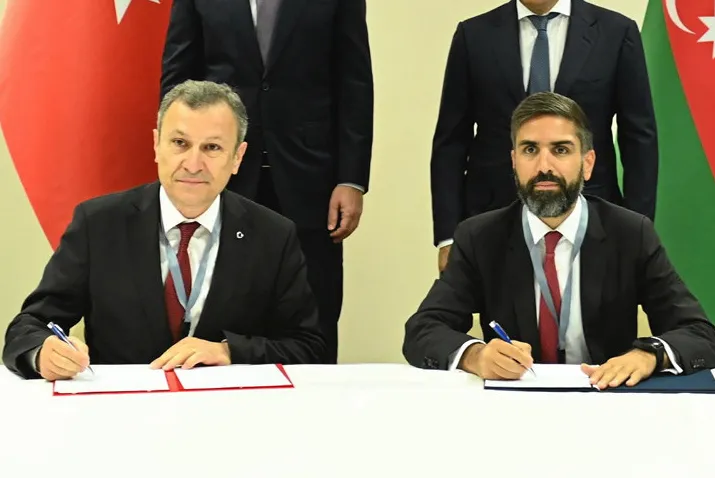
On June 4th, Turkey’s Botas Petroleum Pipeline and Azerbaijan’s SOCAR also signed agreements to promote an intergovernmental deal calling for cooperation on natural gas issues reached in May.

In one of the five signed contracts, Botash and SOCAR must jointly organize the natural gas supply from Turkmenistan to Azerbaijan and then through Turkey to other countries.

Endangered Wild Horses Return to Kazakhstan’s Golden Steppe

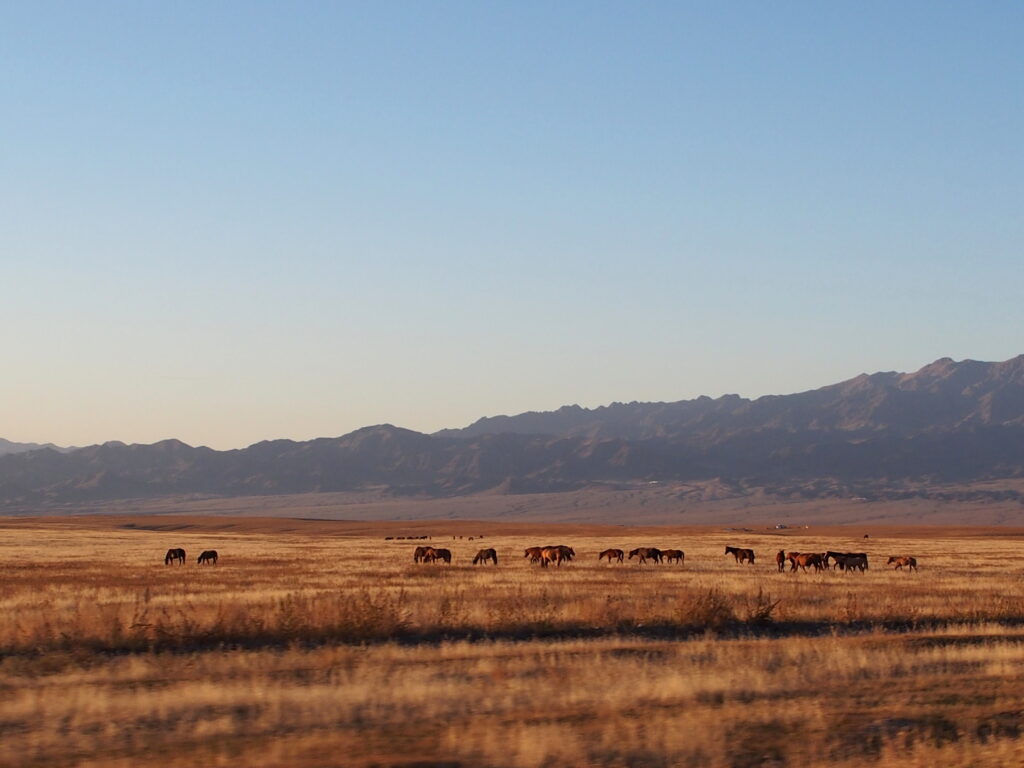
Three wild horses have been transported from the Prague Zoo to the vast grasslands of Kazakhstan, restoring the endangered species to one of its natural habitats after an absence of a century. 

A Czech military plane helped to deliver the Przewalski’s horses to the “Golden Steppe,” or Altyn Dala, in central Kazakhstan, where they will stay for a while in enclosures to get used to conditions in their new environment. The Czech Ministry of Foreign Affairs said it co-funded repairs to the enclosures after damage caused by recent flooding in the Central Asian country.  

“Congratulations to all those involved in these huge efforts to return these wild horses to the steppes of Kazakhstan,” said the Altyn Dala Conservation Initiative, a multinational partnership that is working to restore the Kazakh steppe ecosystem. It said on Tuesday that another group of the wild horses, which are named after the Russian geographer who identified the species in 1881, are on their way from Tierpark Berlin, a German zoo.

Przewalski’s horse is “the last genetically wild horse on Earth” and its Russian namesake first came across the species in Mongolia, according to the multinational conservation group. The species vanished from the wild in the 1960s. But several European zoos kept some of the horses, saving the species from extinction, and reintroductions into the wild began in the 1990s, first in China and then in Mongolia. 

The Prague Zoo is leading the relocation project in Kazakhstan, which aims to introduce a total of eight Przewalski’s horses to the steppe in the first year and several dozen horses over the next five years. Some of the wild horses will also come from Hungary’s Hortobagy National Park, which has the largest group of Przewalski’s horses outside Mongolia, as well as Nuremberg Zoo in Germany. 

The reintroduction center for the horses is located in the Torgai steppe, which lies within a network of linked nature reserves that total 40,000 square kilometers, according to the Frankfurt Zoological Society, a partner in the Altyn Dala Conservation Initiative. The initiative, in turn, is led by the Association for the Conservation of Biodiversity of Kazakhstan.

The conservation initiative has overseen a surge in the number of saiga antelope to more than 1.9 million, a 10-fold increase since a devastating disease outbreak in 2015. 

“Unlike the Saiga, the Przewalski’s horse prefers a much broader selection of grasses, and in turn distributes the seeds of additional plant species across their shared steppe environment, playing a complimentary role.  In addition to this, their dung piles provide nutrients to other plants and decomposers, such as insects,” the initiative said. 

A key part of the project is raising awareness about the wild horses among local communities. Conservationists are planning work with children and schools, providing educational materials and coloring books that outline the differences between wild and domestic horses. 

Turkmenistan Hosts European Exhibition on Energy-Saving

An ambitious and multi-faceted  traveling exhibition “Transition to Renewable Energy Sources—Energy of the Future” has just opened at the Technology Center of the Academy of Sciences of Turkmenistan.

As reported by “Turkmenistan: Golden Age”, the exhibition, curated by  the Embassy of the Federal Republic of Germany and the German Society for International Cooperation (GIZ), presents the various means and  measures developed by European countries to save energy.

Divided into five sections, the exhibition provides a hands-on exploration of energy efficiency practices through interactive touch panels and  by immersing themselves in virtual reality, visitors can envisage the world in the future.

The exhibition highlights the multilevel aspects, challenges, and potential of the global energy transition from society, politics, economics, and science perspectives, and during its tour, aims to encourage widespread dialogue and an exchange of knowledge and views on decarbonization and global energy transition.

Regarding the tour,  project manager Yasmine Deren, stated, “This exhibition started three years ago and has already visited Europe, Asia, the Gulf States and in Central Asia, Tajikistan and Uzbekistan. We are happy that the exhibition is now being shown in Ashgabat,  Turkmenistan and afterwards, Kyrgyzstan and Kazakhstan.”

The exhibition will be displayed Monday – Saturday in Ashgabat until 25 June and thereafter, in Turkmenistan’s city of Mary.

Green Light for Hydrocarbon Development in Kazakhstan’s Caspian Sea Sector

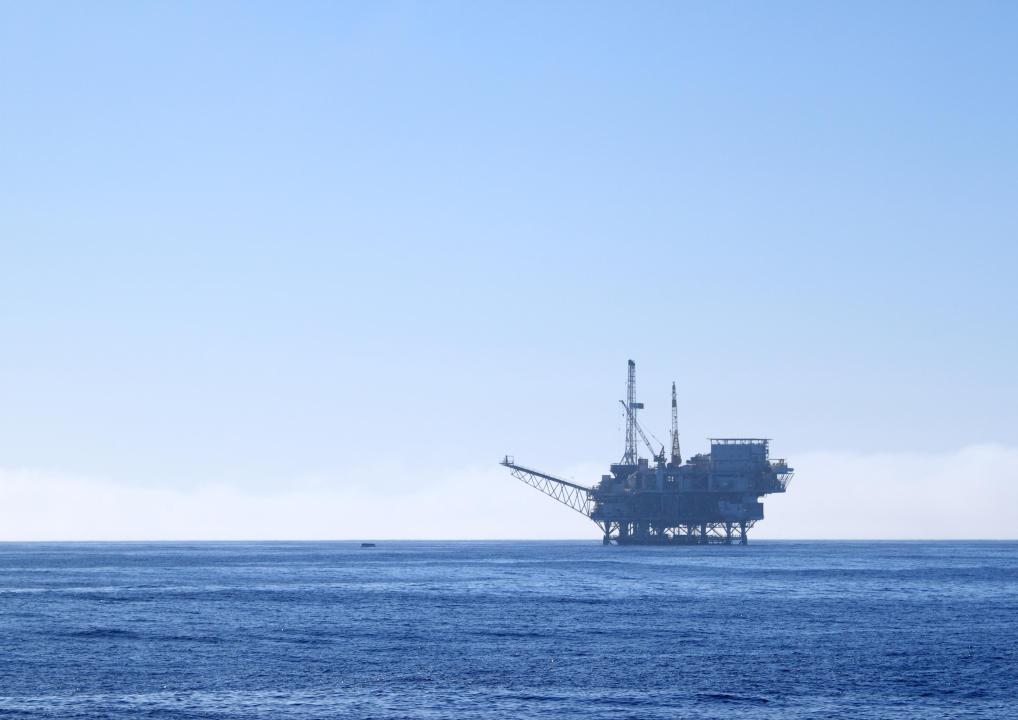
In a statement issued on 4 June, Kazakhstan’s Ministry of Energy announced that work on an oil and gas project to develop the Kalamkas-Sea and Khazar fields is now ready to begin.

The Kalamkas-Sea and Khazar Fields Joint Development Project will be implemented by Kalamkas-Khazar Operating, a specially created venture comprising Kazakhstan’s national oil and gas company KazMunayGas (50%) and Russian oil company Lukoil (50%).

Construction of the steel offshore platforms will begin in 2026 at Kazakh shipyards to ensure the earliest possible start of production at the Kalamkas-Sea field.

The project aims to attract over $6 billion in direct investment and during its development phase, create up to 2,000 jobs. Once in operation, a further 300 posts will be added.

The Kalamkas-Sea field, 50km long and 6km wide, sits in the central part of the north-eastern sector of the Caspian Sea, 64 km offshore at a depth of 6-7 meters. The Khazar field is located 30 km southwest of Kalamkas-Sea and 65 km northwest of the Buzachi Peninsula.

The Kalamkas-Sea and Khazar fields are the only fields in the Kazakhstan sector of the Caspian Sea with confirmed reserves.


Farms in Tajikistan Being Abandoned Due to Lack of Money

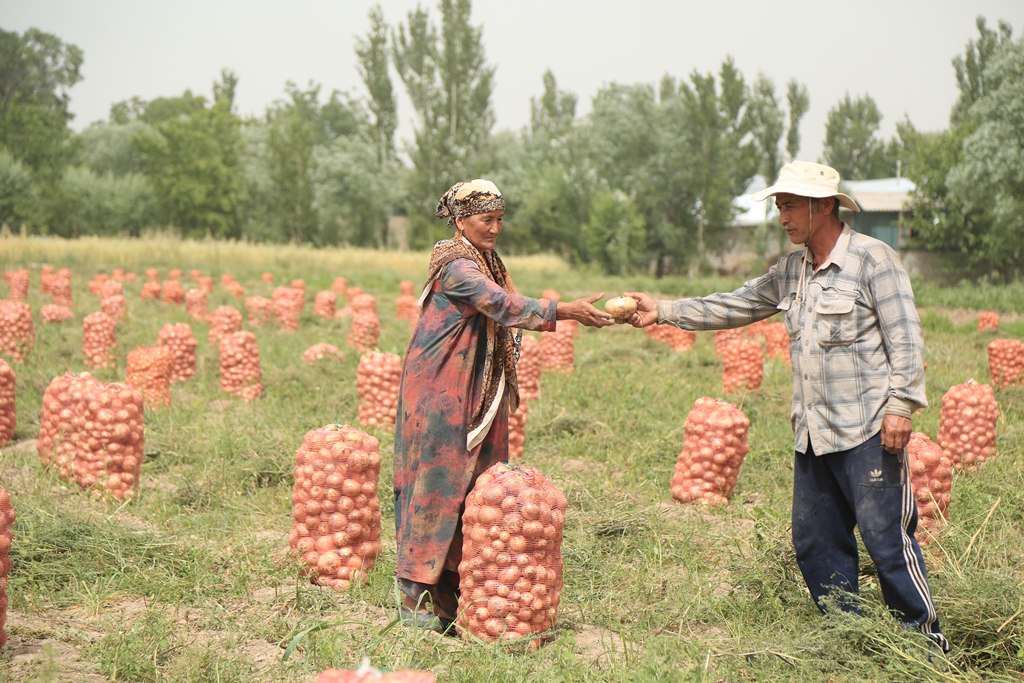
Farmers in Tajikistan are being forced to abandon their farms, explaining that there is no way to earn a living from them.

One farmer in the Sino Dekhkan farm in the Vosei district said he was forced to stop operating because of financial problems.

“I used to take a loan from Amonatbank to run my business. But they don’t give loans anymore. They say you are already old; you will die, and who will pay you back? The land has been standing for two years. It’s a cotton field. I haven’t found a single somoni for sowing,” the man said.

Another problem, farmers say, is the shortage of irrigation water, and the situation only worsens yearly.

“I have not been on my land for three years. Because there is no water in the canal. The Nazar State Farm, in Kukhnashahr, takes all the water, and we don’t have a drop left,” complained a resident of Kamolobod village in Kulyab.

Farmers in Sughd region, adjacent to Dushanbe, face the same problem. Some farmers complain that the authorities force them to plant crops to their detriment. As a result, they say, they not only do not make a profit but also remain at a disadvantage.

Economist Foziljon Fatkhulloyev said the agriculture industry will only develop once farmers are given more benefits and preferences. “They give benefits, for example, for six months, but do not consider that farmers’ profits do not cover their expenses. If they provide more benefits, the prices of agricultural products on the market would be reduced by 5-10 percent. They should at least give agrarians tax breaks,” he suggested.

About 70% of Tajikistan’s population lives in rural areas, and developing the agricultural sector will help solve many of its residents’ socio-economic problems. Agriculture and labor migration are a source of income for many families.

Data is needed on how many farms were forced to close last year, and how many farmers still need to yield products. Representatives of Tajikistan’s Ministry of Agriculture do not comment on the situation. At press conferences, the ministry’s leadership reports on the development of agriculture and the success of farms.