• KGS/USD = 0.01144 0%
  • KZT/USD = 0.00211 0%
  • TJS/USD = 0.10460 0%
  • UZS/USD = 0.00008 0%
  • TMT/USD = 0.28571 0.28%
  • KGS/USD = 0.01144 0%
  • KZT/USD = 0.00211 0%
  • TJS/USD = 0.10460 0%
  • UZS/USD = 0.00008 0%
  • TMT/USD = 0.28571 0.28%
  • KGS/USD = 0.01144 0%
  • KZT/USD = 0.00211 0%
  • TJS/USD = 0.10460 0%
  • UZS/USD = 0.00008 0%
  • TMT/USD = 0.28571 0.28%
  • KGS/USD = 0.01144 0%
  • KZT/USD = 0.00211 0%
  • TJS/USD = 0.10460 0%
  • UZS/USD = 0.00008 0%
  • TMT/USD = 0.28571 0.28%
  • KGS/USD = 0.01144 0%
  • KZT/USD = 0.00211 0%
  • TJS/USD = 0.10460 0%
  • UZS/USD = 0.00008 0%
  • TMT/USD = 0.28571 0.28%
  • KGS/USD = 0.01144 0%
  • KZT/USD = 0.00211 0%
  • TJS/USD = 0.10460 0%
  • UZS/USD = 0.00008 0%
  • TMT/USD = 0.28571 0.28%
  • KGS/USD = 0.01144 0%
  • KZT/USD = 0.00211 0%
  • TJS/USD = 0.10460 0%
  • UZS/USD = 0.00008 0%
  • TMT/USD = 0.28571 0.28%
  • KGS/USD = 0.01144 0%
  • KZT/USD = 0.00211 0%
  • TJS/USD = 0.10460 0%
  • UZS/USD = 0.00008 0%
  • TMT/USD = 0.28571 0.28%

Uzbekistan Airways Boeing 767 Makes Emergency Landing in Krasnoyarsk

An Uzbekistan Airways Boeing 767 made an emergency landing at Russia’s Krasnoyarsk airport on January 21 while en route from Tashkent to Vladivostok, according to a statement published by Krasnoyarsk airport on its Telegram channel.

The aircraft, a Boeing 767-300, was carrying 101 passengers, five flight crew members, and 16 cabin crew at the time of the incident. Airport authorities confirmed the plane landed safely. Passengers subsequently underwent border and customs procedures and were relocated to the airport’s general terminal area.

The aircraft was temporarily taken out of service pending a technical inspection. Uzbekistan Airways was expected to dispatch a reserve aircraft to complete the journey to Vladivostok.

Later that day, airport officials reported that the stranded passengers were transferred to local hotels and provided with meals. As of 17:45 local time, the reserve aircraft was expected to arrive early on January 22, with a scheduled departure shortly thereafter. A follow-up update confirmed that the replacement aircraft departed Krasnoyarsk at 7:11 a.m. on January 22.

Uzbekistan Airways has not yet disclosed the technical issue that led to the emergency landing.

This incident follows another serious aviation event earlier this month involving aircraft from Russia’s Pobeda Airlines and Uzbekistan Airways. On January 10, in the Shymkent regional airspace over southern Kazakhstan, Pobeda flight PBD997 from Moscow to Samarkand and Uzbekistan Airways flight UZB9609 from Termez to Moscow came into potential conflict. The incident was classified as serious under Kazakhstan’s aviation safety regulations and prompted a formal investigation, Kazinform reported.

Uzbekistan Among Countries Affected by Lactalis Infant Formula Recall

French dairy conglomerate Lactalis has announced a voluntary recall of several batches of its Picot infant milk formula, citing concerns over potential contamination with a toxin. The recall affects products distributed in France and more than a dozen other countries, including Uzbekistan, according to Al Jazeera, which cited a company statement.

Lactalis reported that six batches of Picot infant formula, sold in pharmacies and major retail chains, are being withdrawn following the detection of cereulide in one ingredient supplied by an external provider. Cereulide is a heat-stable toxin that can cause gastrointestinal symptoms such as vomiting and diarrhea.

In its statement, the company acknowledged that the recall may alarm parents of young children but emphasized that the move is a precautionary measure. The recall is voluntary and specific to the contaminated ingredient, not the entire Picot product range.

Outside France, the recall impacts consumers in Australia, Chile, China, Colombia, the Democratic Republic of Congo, Ecuador, Spain, Madagascar, Mexico, Uzbekistan, Peru, Georgia, Greece, Kuwait, the Czech Republic, and Taiwan. A company spokesperson told AFP that only “a few batches” are involved in each country.

Lactalis confirmed that no adverse health incidents linked to the affected formula have been reported to French authorities, and no illnesses have been officially attributed to the recalled products to date.

This follows a similar recall earlier in the year by Nestlé, which voluntarily withdrew certain baby food products due to concerns over cereulide contamination. That recall, initiated in January, was also described as precautionary.

Lactalis stated it is working closely with distributors and public health authorities to ensure the prompt removal of the affected products from shelves and to inform consumers of recall procedures.

Kyrgyzstan’s Fishing Industry Goes Digital

Kyrgyzstan is launching a large-scale digital transformation of its fishing industry. The Ministry of Agriculture has announced the rollout of several new electronic services, including online fishing permits, a unified digital registry of fishing waters, and a fish traceability system.

According to the ministry, the Department of Fisheries is implementing a suite of digital platforms aimed at enhancing transparency and convenience for entrepreneurs in the aquaculture sector.

A new electronic fishing permit system is already in place for recreational anglers. Permits can be purchased through the Ministry of Agriculture’s official website, with payments processed via QR code. To streamline the process, the ministry has released a step-by-step video tutorial on social media, intended to simplify access and reduce informal transactions.

In parallel, an automated information system has been launched, including a unified electronic register of fishery water bodies and registered fishery entities.

“An automated information system has been developed, a unified electronic register of fishery water bodies and fishery entities, which is now operational. With it, entrepreneurs can access state services from the Department of the Fishing Industry in electronic format,” the ministry’s press service stated.

A key component of the digitalization effort is the development of a fish and fish product traceability system. This initiative is designed to ensure compliance with veterinary and sanitary standards and to boost the export potential of products labeled “Made in Kyrgyzstan.”

By the end of 2025, Kyrgyzstan’s commercial fish production reached approximately 19,500 tons. The Chui region led the country in output, producing 12,800 tons.

Turkmenistan Secures CIS Backing Ahead of 2026 Chairmanship

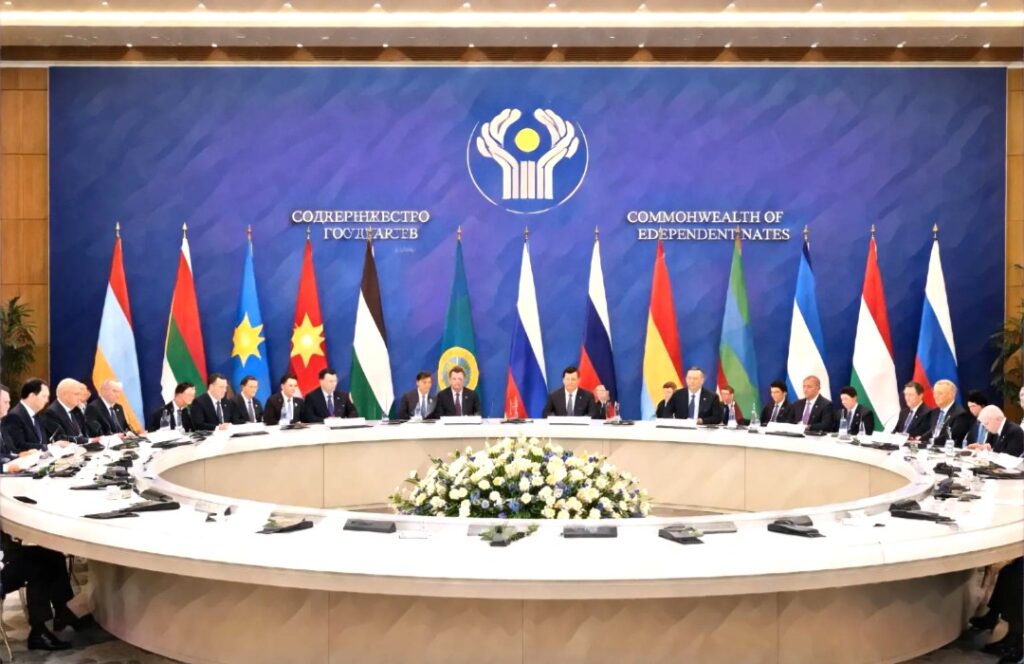
The Commonwealth of Independent States has pledged its full support for Turkmenistan’s chairmanship of the CIS in 2026, signaling a rare moment of consensus around Ashgabat’s role within the post-Soviet bloc.

According to a statement from the CIS Executive Committee, member states agreed to assist Turkmenistan in implementing its chairmanship program, including organizational, analytical, and coordination support. The commitment was discussed during consultations involving CIS officials and representatives of member governments, with a focus on continuity and practical cooperation within the organization.

Turkmenistan, which maintains a policy of permanent neutrality and typically limits its participation in multilateral institutions, is expected to use the chairmanship to emphasize economic cooperation, transport connectivity, and humanitarian initiatives. While Ashgabat has historically kept a low profile within the CIS, its upcoming leadership role offers an opportunity to shape the bloc’s agenda at a time when its relevance is increasingly being questioned.

Formed after the collapse of the Soviet Union in 1991, the CIS continues to function as a platform for dialogue and technical cooperation, despite waning political influence and increasing overlap with newer regional formats. For Central Asian states, CIS mechanisms still intersect with trade coordination, labor migration frameworks, and regulatory alignment, even as governments pursue more diversified foreign policy strategies.

Turkmenistan’s chairmanship will coincide with broader regional shifts, as Central Asian countries balance engagement with legacy post-Soviet institutions against emerging diplomatic and economic initiatives. Observers note that Ashgabat is likely to adopt a cautious and pragmatic approach, avoiding overt political positioning while focusing on areas consistent with its neutrality doctrine.

Further details of Turkmenistan’s chairmanship priorities are expected to be announced in the coming months, as the CIS Executive Committee and Turkmen authorities finalize the agenda and calendar of events.

Kazakh Military Advances Domestic Drone Production

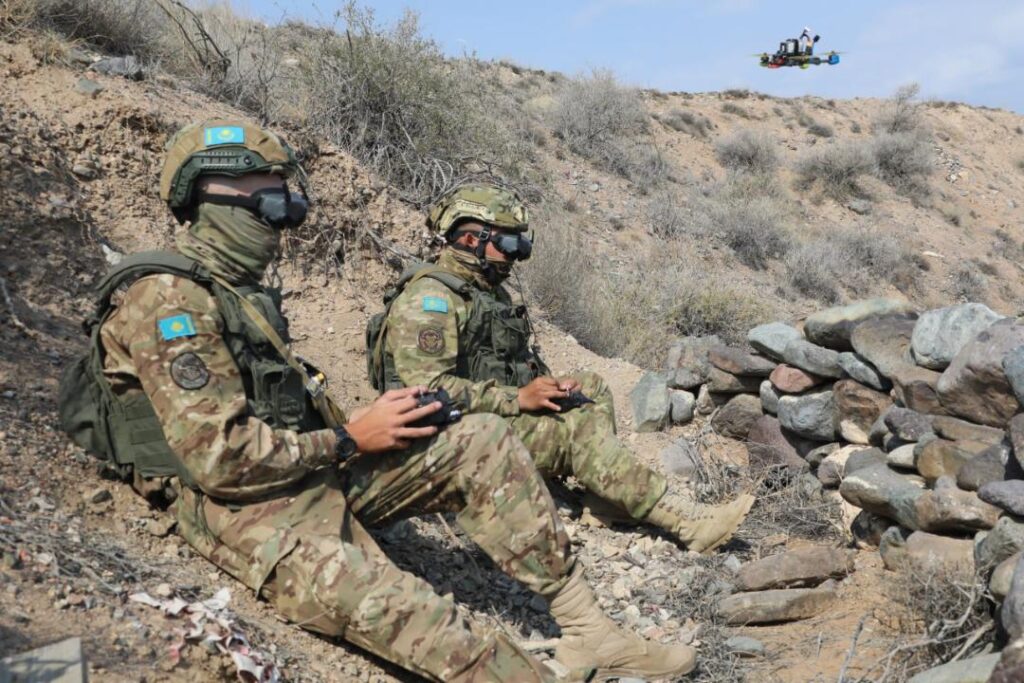
Kazakhstan’s Airborne Assault Forces (AAF) are establishing an independent production base for unmanned aerial systems (UAS), signaling a strategic shift toward greater self-reliance in military technology. According to the Ministry of Defense, approximately 100 drones have already been assembled and deployed across various branches of the armed forces.

Unmanned units were formally established within the AAF two years ago. Since then, military personnel have gained hands-on experience in drone operations and developed in-house capabilities for maintenance, repair, and assembly. This has significantly reduced dependence on foreign supplies and accelerated the integration of unmanned systems into the military structure.

A dedicated workshop for the production and servicing of drones began operations in December 2025. Within two months, the facility had launched a full production cycle from hardware assembly and software configuration to testing and delivery.

“The 100th drone was recently assembled here,” the Ministry of Defense reported in a statement.

The facility is staffed by contract personnel who have completed specialized technical training. All drones undergo mandatory testing before being dispatched to military units.

Military experts note that the development of domestic UAV production is driven by the evolving nature of warfare. Recent armed conflicts have underscored the growing role of drones in reconnaissance, fire correction, target designation, and unit coordination.

In 2026, systematic training of UAV operators will begin at the AAF’s training center. Instruction will be led by specialists with operational experience across various UAV platforms.

Kazakhstan’s UAV units have already seen active deployment during the Desant-2025 military exercises, held from September 2-12, 2025, at the Koktal training ground in the Zhetysu region. More than 3,000 AAF personnel participated in the drills.

The military’s drone development effort mirrors a broader trend in Kazakhstan, where drones are increasingly used in civilian sectors. As previously reported by The Times of Central Asia, a pilot project for drone-based delivery services is set to launch in Almaty in 2026.

Elsewhere, researchers in East Kazakhstan are employing drones and artificial intelligence to monitor soil and crop conditions, while engineers in Karaganda have unveiled prototypes of safety-enhancing UAVs for public use.

The Battle to Keep Kazakhstan Reading

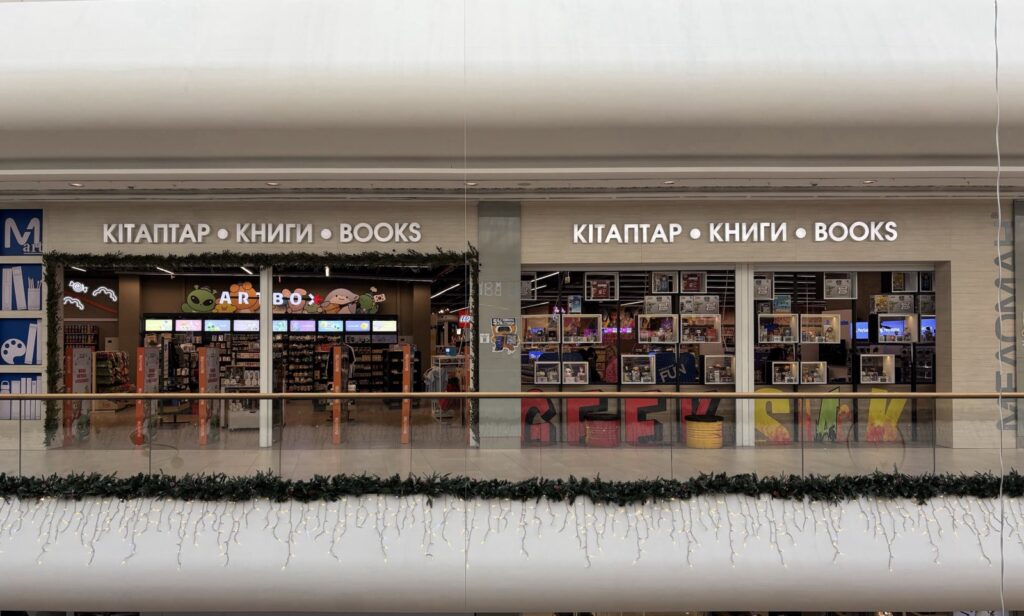
Mika’s Books and Pencils was a hole-in-the-wall bookstore in Almaty, but in December 2025, it was forced to vacate its former premises in the center of the city.

“The rent was simply too high,” the store’s owner, Elmira Kireyeva, told The Times of Central Asia.

Mika’s is not Kazakhstan’s only struggling bookseller. Kireyeva describes the situation for bookstores across the country as “extremely difficult,” even for the large chains.

Physical bookstores are firstly threatened by the growth of e-commerce. In 2024, Kazakhstanis purchased over 2.3 million books on Wildberries, a Russian site similar to Amazon. This represented a 52% increase from 2023.

But the economic situation is also having an effect.

“Taxes have increased, including VAT on books. At the same time, people’s incomes are shrinking, so books are becoming a luxury,” Kireyeva said, noting that books are often printed abroad, which has seen them become a victim of the falling purchasing power of the national currency, the tenge.

More worryingly for booksellers is that people are reading less than they once did. This is part of a global phenomenon, particularly among the young. A large share of undergraduate students in the United States claim to have never read a book. British historian Sir Niall Ferguson has recently argued that this decline is evident across the West, while the number of Russians who read at least once a week fell from 49% to 28% between 1994 and 2019.

Many believe technology is to blame.

“In the age of social media, human attention faces unprecedented competition,” Shyngys Muqan, founder of Mazmundama, a Kazakh-language publisher, told TCA. “Platforms built around short-form video are especially effective because they exploit a basic neurological tendency: the pursuit of dopamine with minimal cognitive effort. Compared to reading, scrolling requires little concentration, imagination, or sustained mental work, yet it delivers immediate emotional reward.”

Kireyeva agrees that screens have certainly had an effect. “It’s not just phones; it’s also information overload. People can’t read long texts anymore – social media has trained us to read only short fragments,” she said.
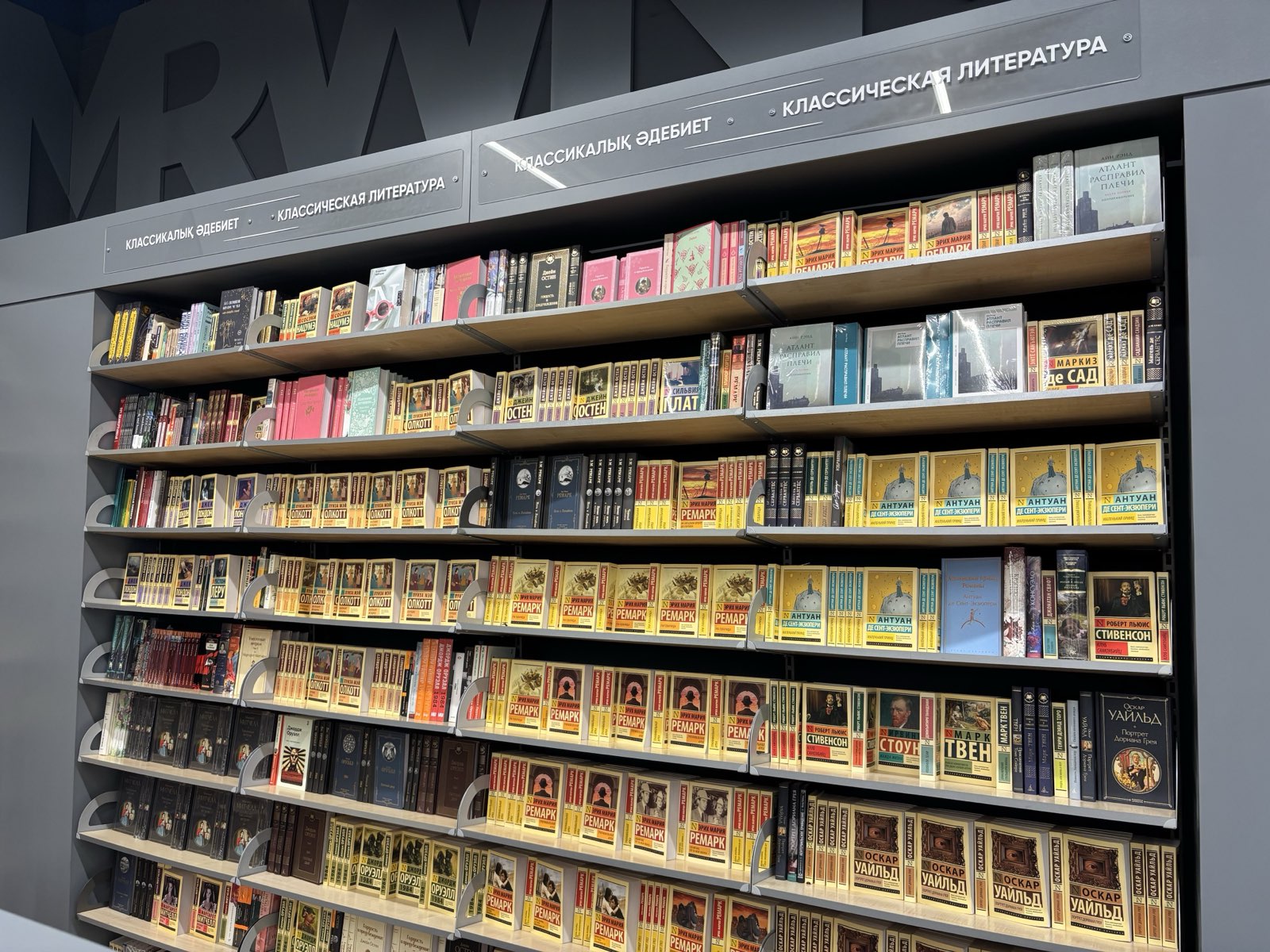
The classic literature section in Meloman, one of Kazakhstan’s largest book chains; image: Joe Luc Barnes

Kazakhstan has been affected worse than most. According to CEOWorld’s Book Reading Index 2024, Kazakhstanis read less than almost every country in the world. Of the 102 countries surveyed, Kazakhstan ranked 95th, with the average Kazakhstani reading just 2.77 books a year. This was behind every other Central Asian country surveyed (Kyrgyzstan – 3.96; Turkmenistan – 3.18; Tajikistan – 4.01), and far behind Russia (11).

The results led one local newspaper to quip that, at this rate, it would take the average Kazakhstani 2.5 years to read the entire Harry Potter series.

There are various structural factors which make Kazakhstan a particularly barren zone for readers. The first is geography – people in rural areas are very poorly served, and library collections are small. While Almaty residents spend an average of 2,300 tenge ($4.50) per family per quarter on books, an average family in Mangystau spends just a quarter of that, and Shymkent barely 10%.

Then there is the language issue.

“In Soviet times, literacy and education in general were emphasized as a priority,” said Kireyeva, noting a strong focus on Russian classics. “Now, Kazakhstan is gradually moving away from the Russian language and culture for various reasons, including what Russia is currently doing to Ukraine. There is a sense of rejection.”

However, the gap left by this growing rejection of Russian culture has not been filled by Kazakh language texts.

Muqan tells of how he grew up in a Kazakh-speaking village and studied at Kazakh speaking school, only to arrive at university to find that all of his study materials were in Russian.

“Russian functioned as a bridge between Kazakh and other foreign languages. Without strong Russian, it was genuinely difficult to access global knowledge,” he said. It was this that inspired him to found Mazmundama.

Research at the Eurasian National University in Astana in 2023 found that the higher one goes up the educational ladder, the more Russian predominates. While 64% of students read books in Russian and 33% in Kazakh, the figure reading in Kazakh drops to just 15% amongst doctoral students.

In the classic literature section of Meloman, one of Kazakhstan’s largest book chains, the vast majority of the books are in Russian. Even in the Kazakh section, many of the novels are translations of Russian classics.

This is largely down to a lack of resources, says Muqan. Accurate translation remains painstakingly slow and expensive.

“On average, a translator may produce 4–6 finished pages per day, and often fewer for complex philosophical, economic, or scientific texts,” he said. “If you combine translation, editing, and proofreading, a single serious book can easily represent 800 to 1,200 hours of human labor.”
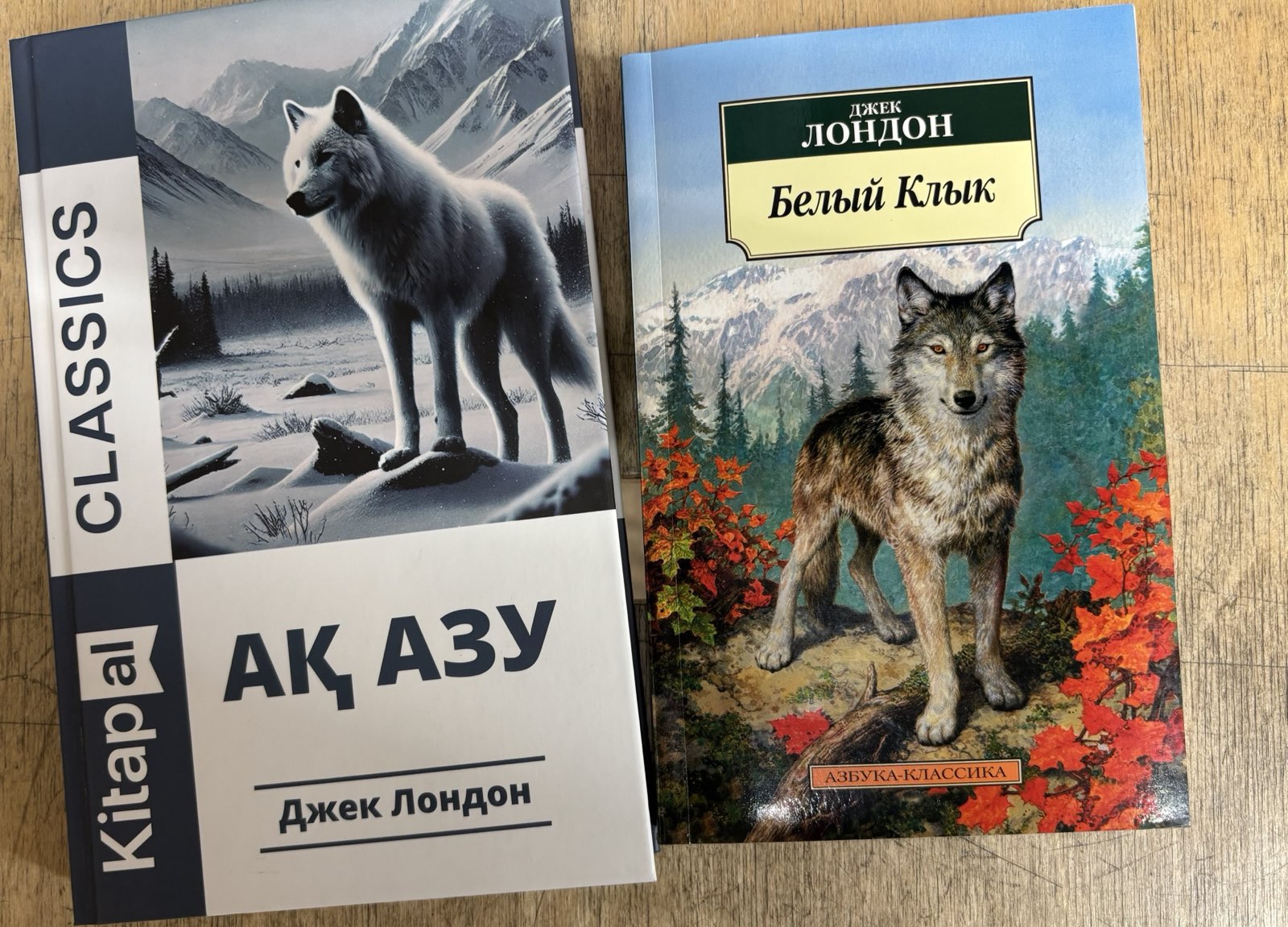
A Kazakh and Russian version of Jack London’s White Fang. The latter is 30% cheaper; image: Joe Luc Barnes

The shift away from reading longer texts has side effects that are becoming increasingly pronounced in schools.

“Only a third of students read the books included in the curriculum in any given grade,” Zhandos Duisebay, a teacher at an Almaty High School, told TCA. “As a teacher, I can clearly see the difference between those who read and those who don’t.”

He notes that those who read absorb knowledge better and faster due to their ability to concentrate. “They are also more goal-oriented, can articulate their thoughts better, and use less profanity,” he added.

Other studies warn about the political effects. A detailed survey in May 2023 noted the profound role that sites such as Facebook, YouTube, and Instagram play in the dissemination of news across Central Asia. On all of these platforms, news is often curated by individual vloggers. Research points to information disseminated in video format being more emotional and less likely to be fact-checked, leading to a less well-informed and potentially angrier public.

“There’s definitely a danger of radicalization,” noted Kireyeva. While Muqan believes there is a growing realization of the benefits of reading in combating this.

“Long-form reading is not only a way to consume information or enjoy aesthetic pleasure, but also a form of mental training,” he said.

The government has slowly begun to support such initiatives. In 2024, Kazakhstan declared its first National Book Day – April 23 – as well as an initiative called Reading Nation, which aims to foster a culture of reading in the country.

The situation is improving. At the turn of the century, only around 1% of books were in Kazakh; now that figure is closer to 10% and rising.

Muqan sees a growing appetite in the 25-45 age cohort who have begun purchasing books for self-education or professional development. Meanwhile, parents are increasingly buying Mazmumdama’s books for their children.

“Many of them grew up reading in other languages and are now deliberately rebuilding a Kazakh-language reading habit,” he said.

Kireyeva notes that it is still early days. “There isn’t yet a critical mass,” she said, “for people to read in their own language, and for there to be a sufficient amount of high-quality literature.”

Another positive trend is the proliferation of books in the major cities, particularly since the pandemic.

“Maybe it’s fatigue from technology, from constant gadgets,” Kireyeva said.  Her own book club, Joyce Club, focuses on the slow reading of classic texts, and she relishes the different interpretations that a book club can bring. “The art of discussion is something we’re not very good at. We tend to fight immediately instead of listening,” she said.

Kazakhstan’s national statistics bureau, when contacted for this article, also noted that library use across the country has sharply risen, with over 37 million visits to libraries across the country between January and October 2025. They noted a “notable increase” in Kazakh classics and philosophy.

But these are small steps. Duisebay is not impressed by the apparent growth in library users. He notes that the majority are young people between 17 and 25 who go there because they have to complete projects. “We have a greater number of students now, so naturally we’ve seen more people going to libraries,” he said.

He believes that any growth in readership is mainly concentrated in large cities. “Unfortunately, in smaller towns, the older generation lacks interest in any kind of personal growth, which negatively impacts their children,” he said.

Kireyeva agrees – “I wish I could say everyone will read. But realistically, there will be two groups: a small reading group and a larger group focused on survival,” she told TCA.

For Muqan, the importance of reading cannot be overstated. He sees reading as the “basis of lifelong learning, which modern societies cannot function without. When authors write, human knowledge and culture continue to expand,” he said. “Without it, meaningful development – whether scientific, cultural, or civic – becomes impossible.”