• KGS/USD = 0.01144 0%
  • KZT/USD = 0.00210 0%
  • TJS/USD = 0.10438 0%
  • UZS/USD = 0.00008 0%
  • TMT/USD = 0.28490 0%
  • KGS/USD = 0.01144 0%
  • KZT/USD = 0.00210 0%
  • TJS/USD = 0.10438 0%
  • UZS/USD = 0.00008 0%
  • TMT/USD = 0.28490 0%
  • KGS/USD = 0.01144 0%
  • KZT/USD = 0.00210 0%
  • TJS/USD = 0.10438 0%
  • UZS/USD = 0.00008 0%
  • TMT/USD = 0.28490 0%
  • KGS/USD = 0.01144 0%
  • KZT/USD = 0.00210 0%
  • TJS/USD = 0.10438 0%
  • UZS/USD = 0.00008 0%
  • TMT/USD = 0.28490 0%
  • KGS/USD = 0.01144 0%
  • KZT/USD = 0.00210 0%
  • TJS/USD = 0.10438 0%
  • UZS/USD = 0.00008 0%
  • TMT/USD = 0.28490 0%
  • KGS/USD = 0.01144 0%
  • KZT/USD = 0.00210 0%
  • TJS/USD = 0.10438 0%
  • UZS/USD = 0.00008 0%
  • TMT/USD = 0.28490 0%
  • KGS/USD = 0.01144 0%
  • KZT/USD = 0.00210 0%
  • TJS/USD = 0.10438 0%
  • UZS/USD = 0.00008 0%
  • TMT/USD = 0.28490 0%
  • KGS/USD = 0.01144 0%
  • KZT/USD = 0.00210 0%
  • TJS/USD = 0.10438 0%
  • UZS/USD = 0.00008 0%
  • TMT/USD = 0.28490 0%

Kazakhstan Expands Aquaculture Support to Boost Fish Production

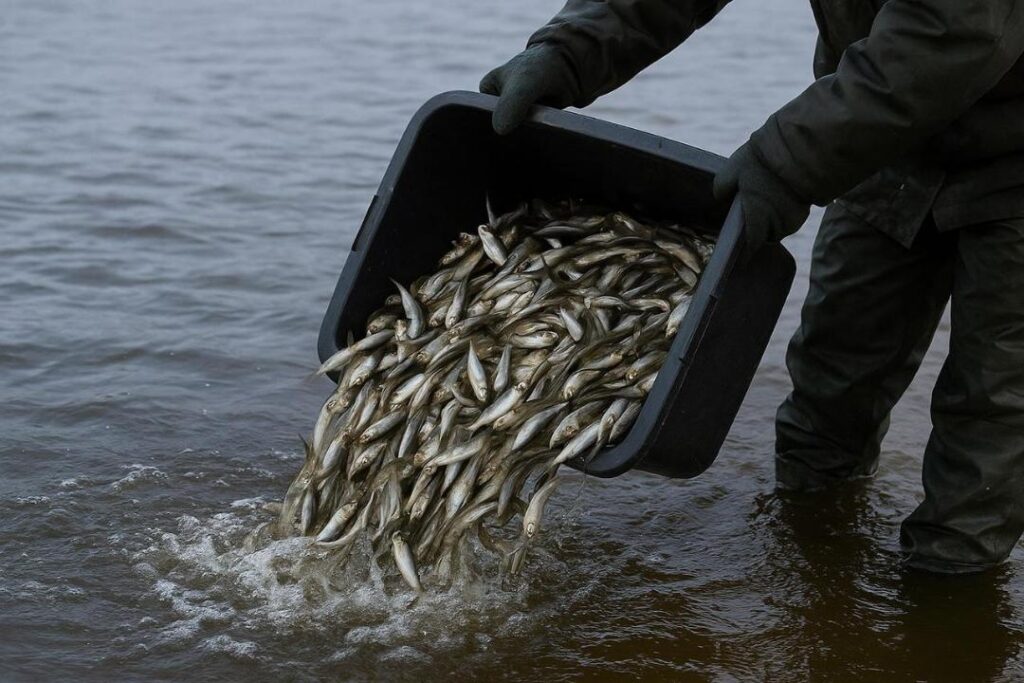
Kazakhstan has introduced new state support measures for its aquaculture sector in an effort to reduce production costs, attract investment, and enhance the industry’s long-term sustainability.

Between January and November 2025, aquaculture accounted for 20,900 tons of the country’s total 76,800 tons of fish production, a 22% increase compared to the same period in 2024. The remaining 38,500 tons came from natural water bodies.

According to the Ministry of Agriculture, the new support framework focuses on three main areas:

  1. Partial reimbursement of investment costs in aquaculture projects
  2. Subsidies aimed at improving productivity, product quality, and the development of fish breeding farms
  3. Subsidies for water supply costs

One of the key changes to the investment subsidy program is a new condition requiring recipients to maintain aquaculture operations for at least five years after receiving state support. This measure is designed to ensure the long-term impact of subsidies and prevent misuse or short-term exploitation of funds.

Under the new rules, the government will reimburse 25% of investment costs for:

  • Establishing or expanding feed production facilities with a capacity of at least one ton per hour
  • Developing pond farms with annual production volumes above 25 tons
  • Building farms using pool systems and closed-loop water supply infrastructure

Additional support will be available for pond aquaculture projects with annual production above 50 tons, the purchase of fish farming equipment for operations on water bodies of at least 50 hectares, the creation or expansion of fish processing facilities with daily output of at least one ton, and for reproduction farms producing fish juveniles.

Subsidies will also cover 30% of feed costs and 50% of fry acquisition costs.

Water supply subsidies range from 60% to 85%, with priority given to aquaculture farms located in water-scarce regions.

These updated subsidy mechanisms are expected to drive further growth in fish production, improve product quality, and strengthen Kazakhstan’s competitiveness in both domestic and international fish markets.

Kyrgyzstan’s Rail Freight Turnover Emerges from Years of Stagnation

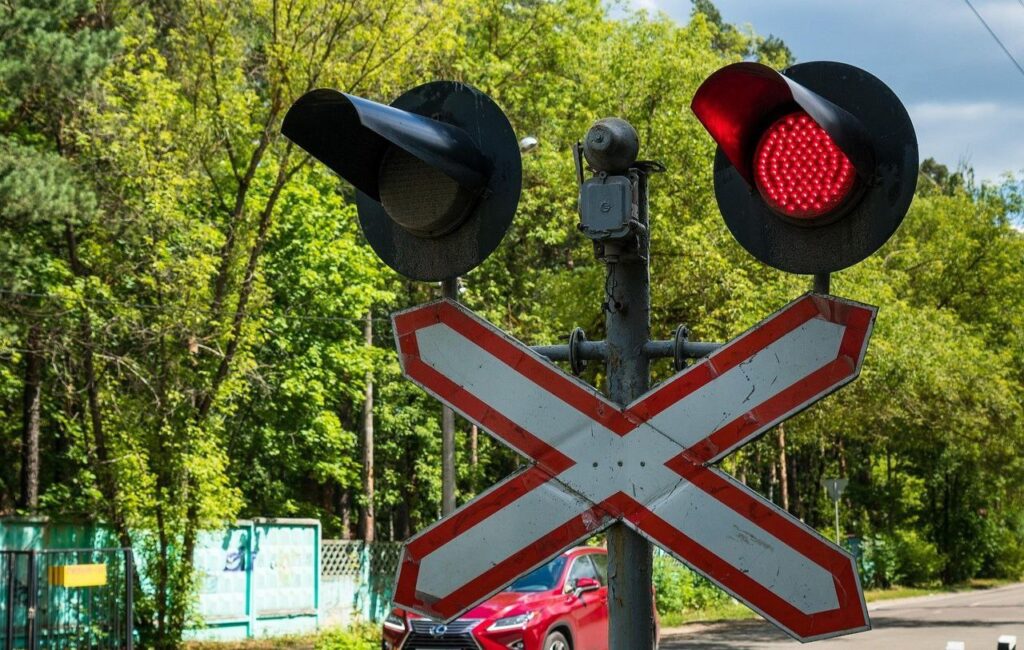
Kyrgyzstan’s rail transport sector is showing sustained growth after years of stagnation. By the end of 2025, the state-owned railway operator Kyrgyz Temir Zholu reported transporting 10 million tons of cargo, the highest volume in the company’s history.

Just a few years ago, the country’s annual rail freight volume hovered around 7 million tons. The turning point came in 2022, and by 2024, the figure had already reached 9.2 million tons. Surpassing the 10 million ton milestone in 2025 has further solidified the sector’s recovery.

Kyrgyz Temir Zholu acknowledged that prior to 2022, the national railway industry was largely unprofitable and in urgent need of systemic modernization. Early reforms focused not on major infrastructure projects but on managerial and institutional restructuring.

“The main focus was on digitalizing processes, minimizing human error, preventing corruption, reducing costs, revising regulatory frameworks, and modernizing repair facilities and railway infrastructure,” the company stated.

International partnerships have also played a key role in revitalizing the sector. Under its development strategy, Kyrgyzstan opened additional multimodal transport corridors between China and Europe, significantly enhancing the country’s transit potential.

Despite its growth, Kyrgyzstan’s railway network remains one of the most compact in the region. It spans just 425 kilometers and includes 28 operational stations, divided into two geographically isolated segments: north and south.

The northern section, 323.4 kilometers long, connects Rybachye station (in Balykchy) with Turksib in Kazakhstan and serves as a vital corridor for freight headed to Russia and other members of the Eurasian Economic Union. The southern section, 101 kilometers in length, links Kyrgyzstan with Uzbekistan’s rail network.

“Both sections serve strategically important roles by ensuring Kyrgyzstan’s integration with regional transport systems and facilitating international trade,” Kyrgyz Temir Zholu noted.

The growth in freight turnover has been accompanied by an ongoing digital transformation. A key milestone was the development and implementation of the Unified Transport Process Model software system, which consolidates every stage of freight transport, from planning to execution, into a single digital platform.

Further momentum is expected from the construction of the China-Kyrgyzstan-Uzbekistan railway, which is already underway. Authorities view the project as a long-term catalyst for boosting Kyrgyzstan’s transit capacity and strengthening its role in Eurasian logistics chains.

Security Risks Around Kazakhstan’s Oil Exports Ripple Through European Markets

Europe’s oil market is becoming increasingly exposed to disruption as security risks rise along export routes used by Kazakhstan, which the European Union has long viewed as a reliable alternative to Russian supply. The risks extend far beyond Ukraine itself.

“Russia continues escalating its attacks and targeting civilians and civilian infrastructures,” an EU spokesperson told The Times of Central Asia. “Russia’s brutal and unacceptable attacks have left people without hot water, heating and electricity in the current weather conditions. Russia’s war of aggression has also severely impacted Black Sea maritime security, including through its use of shadow fleet vessels to circumvent international sanctions, and the persistent attacks on civilian and port infrastructure in Ukraine. On the other hand, Ukraine has accepted an unconditional ceasefire in March 2025. It shows that Russia does not want peace. The EU and the entire international community need to put pressure on Russia to stop its war.

“Kazakhstan plays a crucial role for Europe’s energy security and has been for years a reliable partner in diversifying energy sources and ensuring a stable supply for European markets. More than 12% of all the oil imported by the EU comes from Kazakhstan, contributing to the diversification of energy sources and reducing dependency on a limited number of suppliers. The continuous and safe functioning of the supply chain is hence key also for Europe.

“Maritime safety and security in the Black Sea is a fundamental component of the new EU strategic approach to the region, adopted in May 2025. The Black Sea is a critical connector between Europe, the Southern Caucasus, Central Asia and the Eastern Mediterranean. Ensuring maritime security and safety in this region is vital not only for the littoral States but also for broader European interests and for many partner countries, as it supports trade flows, sustainable supply chains and enhanced connectivity.”

Kazakhstan produced roughly 1.8 million barrels per day in 2024 and exported the bulk of that volume. More than 80% of its crude exports move through the Caspian Pipeline Consortium, or CPC, which links oil fields in western Kazakhstan to Russia’s Black Sea port of Novorossiysk. From there, tankers ship the oil mainly to European refiners. Under normal conditions, the pipeline carries roughly 1.3 million barrels per day, making it one of the most important single supply routes for non-Russian crude entering Europe.

Recent events have shown how sensitive European markets are to any disruption along that corridor. On January 14, Bloomberg reported that oil prices in Europe strengthened after shipments of CPC Blend fell short of expectations. Traders cited reduced availability of the light, low-sulfur crude, which is favored by European refiners, forcing buyers to seek alternative grades at higher prices. Despite the recent tightening, traders say the market has so far absorbed disruptions without severe shortages, reflecting high inventories and flexible refinery operations, though that buffer could narrow if attacks persist.

That supply pressure followed a series of security incidents in the Black Sea, where commercial shipping and port infrastructure have faced growing risks since Russia’s invasion of Ukraine. Although Kazakhstan is not a party to the conflict, its exports depend on transit through waters and facilities that have become increasingly vulnerable.

On January 13, drone attacks struck oil tankers near the approaches to Novorossiysk as vessels waited to load Kazakh crude. The incidents prompted heightened security measures and contributed to temporary loading constraints at the CPC terminal. While no casualties were reported, the attacks raised concerns about further disruptions.

Following the attacks, war-risk insurance premiums for tankers operating near Black Sea export terminals have risen sharply, according to shipping and insurance industry data. Higher premiums and tighter underwriting standards have increased freight costs for CPC Blend cargoes and made some shipowners more reluctant to call at Novorossiysk, adding another layer of uncertainty even when physical infrastructure remains operational.

The incidents have also raised questions among European policymakers about whether Ukrainian strikes near Black Sea export infrastructure risk undermining broader energy and diplomatic interests.

Echoing these concerns, on January 14, Kazakh lawmaker Aydos Sarym also warned that attacks affecting CPC-linked infrastructure risk harming Kazakhstan’s economy and the interests of its partners. “Such actions create serious risks not only for Kazakhstan, but for countries that depend on these energy supplies,” Sarym said. “I think the U.S. and our other partners should work together to pressure Ukraine to choose its goals.”

While Kyiv has not publicly claimed responsibility for the recent attacks affecting the Novorossiysk area, analysts note that Ukraine views pressure on Russian export hubs as a way to weaken Moscow’s ability to finance the war. At the same time, disruptions to the CPC carry political weight because the pipeline moves non-Russian crude that remains exempt from EU sanctions. This overlap has complicated the picture for EU governments, which continue to support Ukraine militarily while seeking to avoid supply shocks and higher prices at home.

These risks also have massive consequences for Kazakhstan’s production. Earlier, in December 2025, industry and government data showed that output fell by around 6% after a late-November strike limited exports through the Yuzhnaya Ozereevka loading point, forcing producers to slow or cut production at major fields, including Tengiz, the country’s largest oilfield. At the same time, exports of CPC Blend crude dropped to their lowest levels in over a year as the terminal operated with limited capacity due to damage and maintenance work, illustrating how quickly pipeline and shipping constraints can translate into lower production when transport routes are impaired.

For the European Union, the issue goes beyond short-term market volatility. Since 2022, the bloc has worked to reduce dependence on Russian oil while avoiding global supply shocks, with Kazakh crude playing a significant role in that strategy. According to Eurostat Comext, in 2024, the largest suppliers of crude oil to the European Union included the United States, Norway, and Kazakhstan, with the latter accounting for more than 12% of the bloc’s imports.

EU officials have repeatedly stated that Kazakh oil transiting Russia is not subject to EU sanctions, provided it is clearly certified as non-Russian, a policy which reflects both legal considerations and a broader effort to maintain access to alternative supplies without undermining sanctions aimed at Moscow.

Kazakhstan’s Ministry of Foreign Affairs said the country should not be associated with the conflict in Ukraine, stressing its role as a stable energy supplier to Europe: “We emphasize that the Republic of Kazakhstan is not a party to any armed conflict, makes a significant contribution to strengthening global and European energy security, and ensures uninterrupted energy supplies in full compliance with established international standards.”

Western corporate interests are closely tied to the security of the CPC route. Major U.S. and European energy companies hold stakes in Kazakhstan’s largest oil fields, including Tengiz and Karachaganak. Chevron and ExxonMobil are key partners in Tengiz, while Eni, Shell, and TotalEnergies have long-standing investments across the sector. Production from these fields depends on uninterrupted access to export infrastructure linked to Novorossiysk.

The vulnerability of the CPC route stems not only from geography but from ownership and control. The pipeline and its Black Sea terminal are operated by a consortium that includes Russian state-linked entities alongside Western energy companies, complicating efforts to insulate Kazakh exports from wider security risks surrounding Russian-controlled infrastructure. Russia also has an interest in keeping CPC flows running, since the pipeline generates transit revenues and helps sustain activity at the Novorossiysk port, even as the broader security environment around the Black Sea remains unstable.

Disruptions therefore affect not only Kazakhstan’s state revenues, but also European energy supply and the operations of Western firms. They also tighten oil markets at a time when spare global capacity remains limited, amplifying price sensitivity.

The European Union has limited direct leverage over security conditions in the Black Sea. Any military involvement would raise legal and political challenges, given the ongoing war and the presence of multiple naval actors in the region. Instead, EU efforts have focused on diplomatic engagement on freedom of navigation, coordination with insurers to prevent sudden withdrawal of coverage for non-sanctioned cargoes, and technical work to strengthen tracking and certification of oil shipments. EU officials have previously warned that sustained disruption to Black Sea energy routes could undermine efforts to stabilize fuel prices and inflation across the bloc, particularly in southern member states.

For its part, Kazakhstan has been seeking to reduce reliance on a single export corridor. It has increased shipments of crude oil via the Baku-Tbilisi-Ceyhan pipeline as part of efforts to diversify export routes, with state operator KazTransOil reporting increased volumes through the Caspian Sea and BTC direction following disruptions to the CPC system.

Even so, expanding alternative routes would require significant investment, coordination with neighboring states, and years of construction, limiting Kazakhstan’s ability to reduce exposure in the near term.

“These attacks add urgency to the case for expanding Trans-Caspian infrastructure,” Laura Linderman, director of programs, Central Asia-Caucasus Institute, American Foreign Policy Council, told The Times of Central Asia. “Kazakhstan has been working to diversify its export routes but remains heavily dependent on a corridor that runs through Russian territory and waters, a vulnerability Astana has long highlighted. Officials and analysts in Kazakhstan increasingly argue that Western partners have been insufficiently responsive to these concerns, even as Europe relies on Kazakh crude, making continued dependence on Russian transit a growing strategic contradiction.”

For now, Europe remains heavily exposed to the security of Kazakhstan’s Black Sea exports. As long as the conflict in Ukraine continues and maritime risks persist, even suppliers viewed as politically separate from the war face growing uncertainty. Recent market movements show how quickly disruptions affecting Kazakh oil can feed through to European prices and energy security, underscoring the strategic importance of safeguarding export routes that sit outside the war but remain exposed to it.

The European Union was contacted for comment, but had not responded at the time of publication.

Uzbekistan Seeks Talks With U.S. on Seasonal Work Program

Uzbekistan will seek talks with the United States on allowing its citizens to work as seasonal laborers, President Shavkat Mirziyoyev announced at a recent foreign policy meeting.

According to the president’s press secretary, Mirziyoyev noted that the U.S. government had simplified procedures last year for obtaining special visas for agricultural workers. He directed Uzbekistan’s ambassador in Washington to initiate talks aimed at securing Uzbekistan’s inclusion on the U.S. list of countries whose citizens can be recruited for seasonal employment.

The initiative aims to expand access to legal, well-paid jobs for Uzbek citizens working abroad. The president said regional governors will now be required to build direct ties with developed countries and regions that actively recruit foreign labor.

Mirziyoyev also tasked ambassadors with assuming a more active role in identifying high-income employment opportunities overseas. They are to assist in preparing citizens for these roles through vocational training and language instruction. He stressed the importance of signing bilateral labor migration agreements with countries including Japan, Sweden, Norway, Bulgaria, Austria, Croatia, Slovenia, Serbia, Greece, and Oman.

The president again expressed concern over the number of Uzbek citizens residing abroad illegally. He cited last year’s migration amnesty in Russia, which benefited more than 150,000 Uzbek nationals, and instructed officials to intensify negotiations with other countries to help citizens secure legal employment. At the same time, he underscored the responsibility of migrants to comply with local laws.

Supporting Uzbek labor migrants in countries with rising migration flows, particularly in Europe, will become a key responsibility for consular staff. Mirziyoyev also called for simpler registration procedures and fewer bureaucratic hurdles.

The Times of Central Asia previously reported that the U.S. State Department plans to suspend the issuance of immigrant visas for citizens of Uzbekistan and 74 other countries starting January 21, adding urgency to Tashkent’s pursuit of alternative legal migration pathways.

Russia Says TV Host’s Remarks on Central Asia Do Not Reflect State Policy

Russia’s Foreign Ministry moved on January 16 to distance the Kremlin from comments by television host Vladimir Solovyov after his remarks about potential military action in Central Asia provoked backlash across the region. Foreign Ministry spokesperson Maria Zakharova stated that comments by television presenters do not represent the official position of the Russian government and that Russia’s foreign policy is articulated only through authorized state channels, with relations with Central Asian countries described as based on partnership and respect for sovereignty.

The clarification followed criticism in Uzbekistan, Kyrgyzstan, and Kazakhstan after Solovyov suggested that Moscow could extend its “special military operation” framework beyond Ukraine and into Central Asia. In Kyrgyzstan, public calls emerged to restrict Solovyov’s entry into the country, while officials indicated that the government would respond differently if similar claims were made by Russian state officials rather than a media figure. In Kazakhstan, political commentators warned that rhetoric questioning sovereignty risked damaging relations with Russia, even in the absence of a formal diplomatic protest.

Solovyov made the remarks during a January 10 broadcast of his program “Solovyov Live.” During the segment, he described Central Asia as part of Russia’s sphere of influence and argued that international law should not constrain Moscow’s actions in territories it considers strategically important. He drew parallels with Russia’s military campaign in Ukraine and implied that states within Russia’s perceived geopolitical space could be treated differently from countries outside it.

The language resonated strongly in Uzbekistan, where academics, analysts, and commentators criticized the implication that sovereignty could be conditional. Public discussion focused on the suggestion that Central Asian states might face pressure based on historical ties rather than be treated as independent actors. Critics described the framing as inconsistent with the principles of statehood established after the collapse of the Soviet Union in 1991.

An Uzbek academic later issued a rebuttal rejecting the idea that Central Asia could be treated as a single external “zone” governed by different rules. The response emphasized that regional states have distinct political systems, alliances, and security priorities, and that none had delegated authority over those choices to outside powers.

The episode highlighted the influence of Russian political talk shows during wartime. Figures like Solovyov command large domestic audiences and operate in an environment where commentary often overlaps with geopolitical messaging. In Central Asia, such remarks attract close scrutiny regardless of whether they carry formal policy status, particularly when they echo language used by Russian officials in other conflicts.

Economic and social ties heighten that sensitivity. Millions of Central Asian citizens work in Russia, and remittances remain a significant factor in several regional economies. Russia also plays a role in regional security arrangements and energy transit routes. Statements implying that sovereignty could be overridden therefore carry weight far beyond television studios.

No Central Asian government has announced formal diplomatic measures in response to Solovyov’s remarks, and Moscow’s intervention appears to have contained the immediate fallout. The episode nonetheless shows how rhetoric shaped by the war in Ukraine readily carries over into Russia’s relations with its neighbors, where questions of influence and autonomy remain sensitive more than three decades after the Soviet Union’s collapse.

Mapping the Inner Landscape: An Interview with Oyjon Khayrullaeva

In recent years, a new generation of Uzbek artists has begun to reshape how culture, history, and identity are visually narrated. Among them is Oyjon Khayrullaeva, whose practice moves fluidly between photography, digital collage, and large-scale public installations.

Born after independence and largely self-trained outside formal art institutions, Khayrullaeva works with inherited visual languages such as Islamic ornament and traditional textiles, reassembling them into contemporary forms that speak to the present moment.

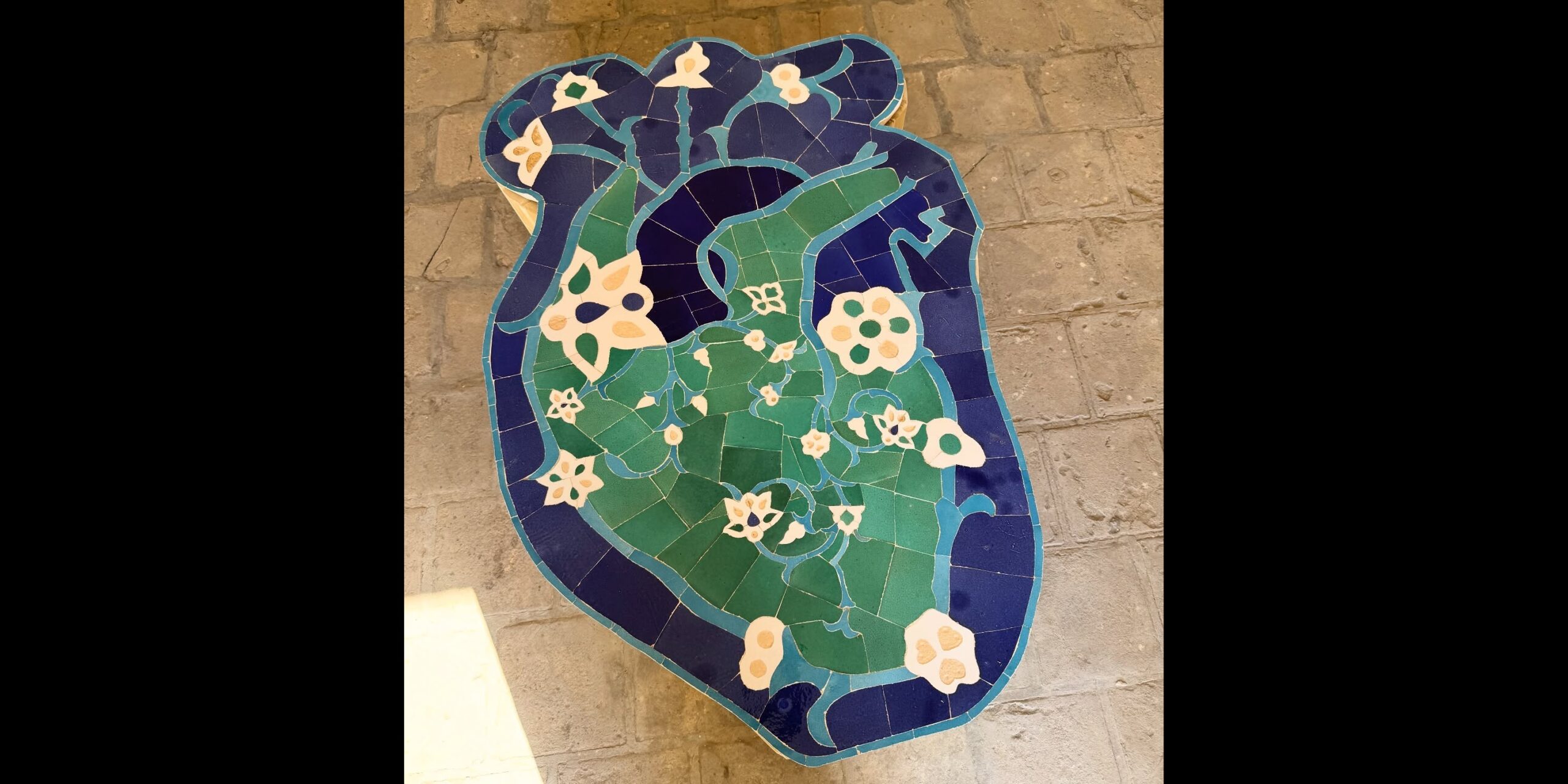
Her recent project for the Bukhara Biennial, called “Eight Lives, marks a turning point in this exploration. Installed in the public and historical spaces of the ancient city, the work consists of monumental mosaic organs that connect physical vulnerability with emotional states and collective memory. Through the human body, Khayrullaeva maps experiences of anxiety, healing, spirituality, and social pressure, transforming ornament into anatomy and architecture into inner landscape.
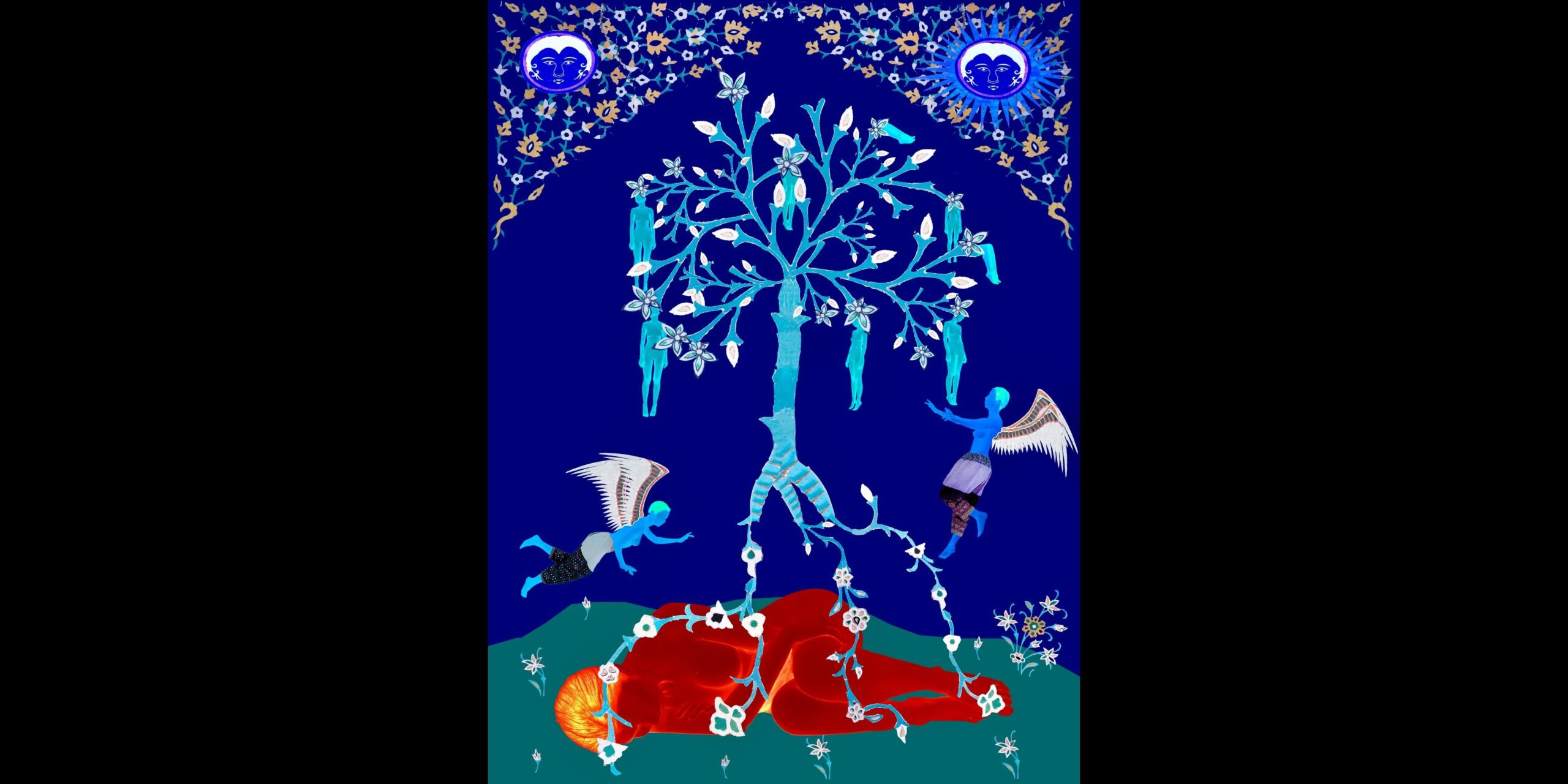
The Times of Central Asia spoke with the artist to trace how Eight Lives emerged, how collaboration with mosaic masters shaped its final form, and how audiences in Uzbekistan are responding to seeing contemporary art in public spaces.

TCA: Can you tell me about your beginnings as an artist? Did you always want to become one?

Khayrullaeva: From early childhood, my parents noticed that there was something a bit unusual about me. My father has always called me – and still does – an “alien,” because I’m probably the only person in my family who chose a creative path. No one else in my family has been involved in art, at least not for the past seven generations.

I was always a creative child, but I never imagined that I would become an artist. As a child, I tried many things; I went to music school, studied piano, and attended various creative clubs. Still, the idea of pursuing art professionally never crossed my mind.

Becoming an artist was, in many ways, an unexpected turn in my life. For a very long time, honestly, until around the age of 24, I had no clear idea of what I wanted to do or what my profession would be. I was never certain about it.

So yes, life is an interesting thing. You never really know where it’s going to lead you.
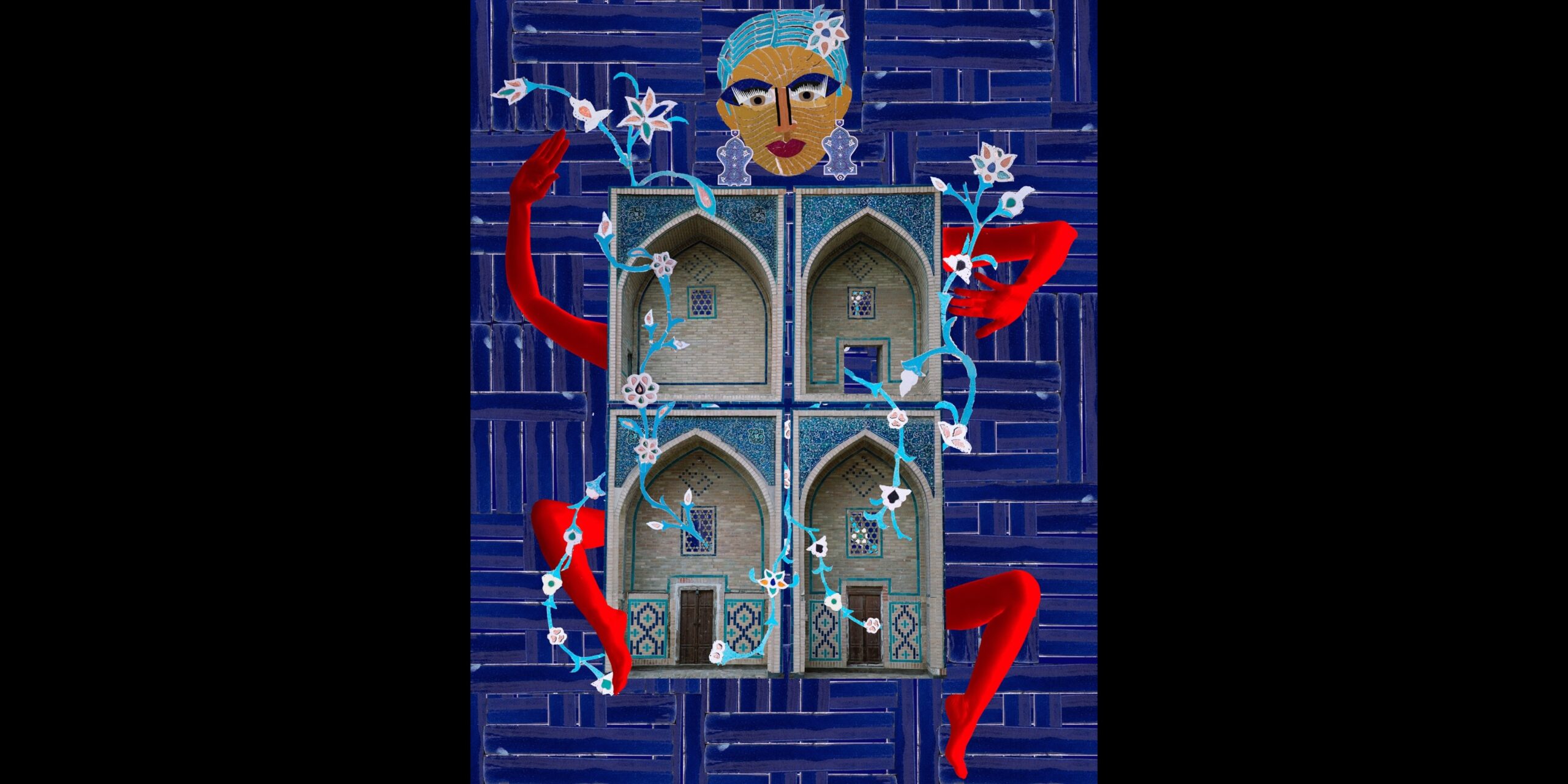
TCA: Your artistic journey began with photography before evolving into digital collage. How did your early work in photography shape the way you now approach layering, texture, and composition in your digital pieces?

Khayrullaeva: When I was around 17 or 18, I became interested in photography. At that time, I didn’t have a camera, so I was shooting with my phone. For my birthday, I was given some money, and I decided to use it to buy a camera. My father added a bit more, and I bought my very first one.

It was an incredible feeling taking photos, holding the camera, and shooting. Mobile photography and working with a camera are completely different experiences, and that difference brought me so much joy. I remember the pure pleasure of photographing everything around me. Naturally, I started with my friends.

Very quickly, I realized that I was drawn to portrait photography and staged images. I was interested in creating surreal scenes, something slightly unreal. I still keep my very first photographs taken with that camera. I intentionally printed them and put them in frames to remind myself why I chose this path in the first place.

There are moments when you want to quit everything; that happens to everyone, it’s normal. Those photographs are there to remind me that this path was never about achievements or results, but about enjoyment. I understand that without creativity, my life would lose its meaning. I live through creativity, and I simply cannot imagine myself without it.
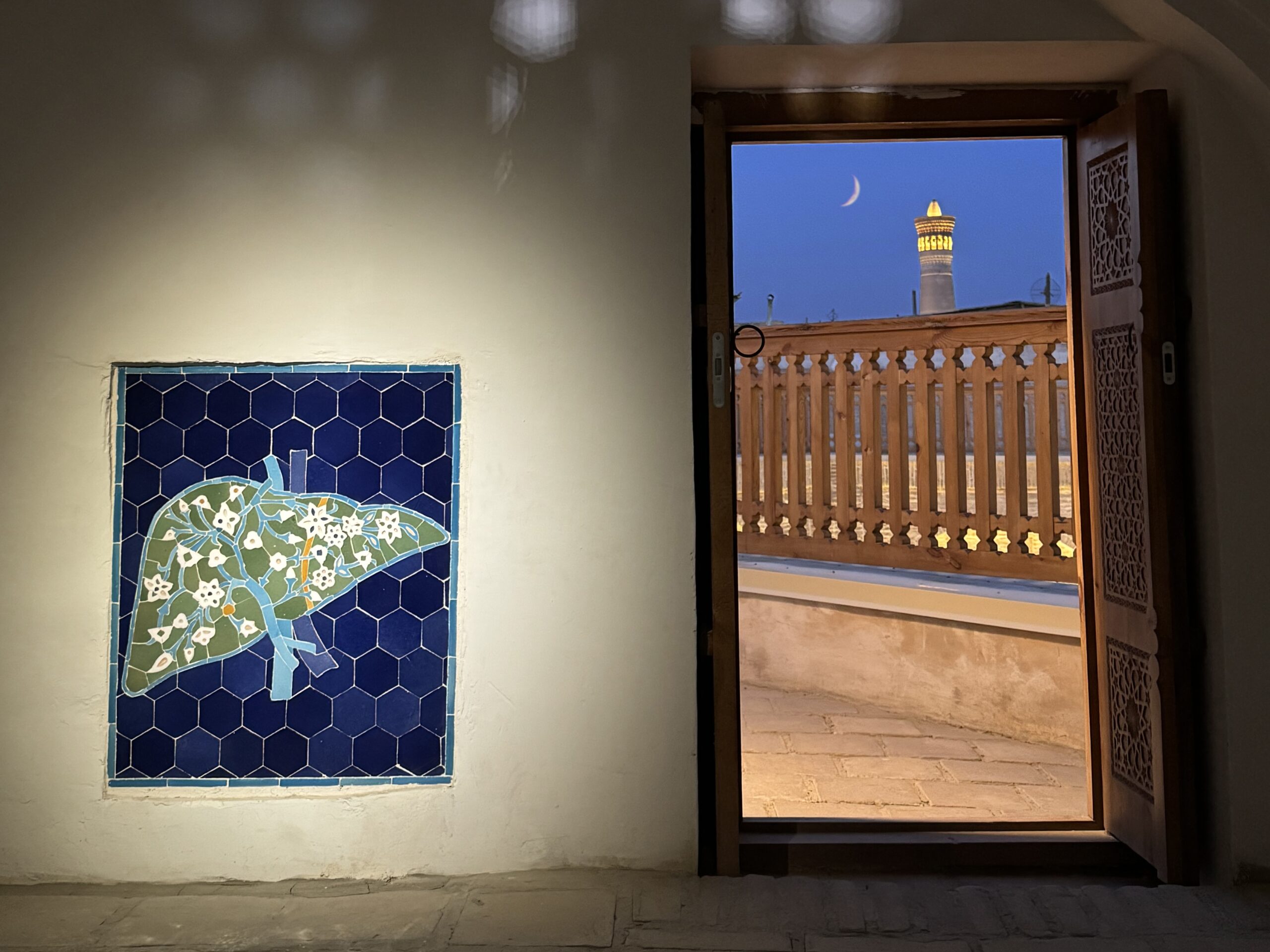
When I decided that I wanted to dedicate my life to photography, I received a harsh comment from my father. He didn’t believe that creativity could be a profession. I clearly remember him saying that art could only ever be a hobby, not a career. Because of that, I had to choose a different path and enrolled in a university in Europe, studying tourism and hospitality.

That was the beginning of a very dark chapter in my life, a descent that eventually led to new discoveries in my creative practice. Studying something that wasn’t aligned with my inner world pushed me into a severe depression, one that I struggled with for almost three years.

Eventually, I returned to Tashkent. Despite my father’s disapproval, I went back to photography. I started by taking courses, learning the technical foundations of the medium, while the intuitive side had always been there. Soon after, my practice shifted sharply toward collage.

I don’t regret going to Europe or going through depression. It opened something new within me, as if a third eye had awakened. That experience became the source from which my later work began to flow.

Now, on the contrary, my father says that he is very proud of me and very happy for me, and now he truly believes in it. I always tell myself: everything that happens, happens for a reason, and ultimately, for the better.

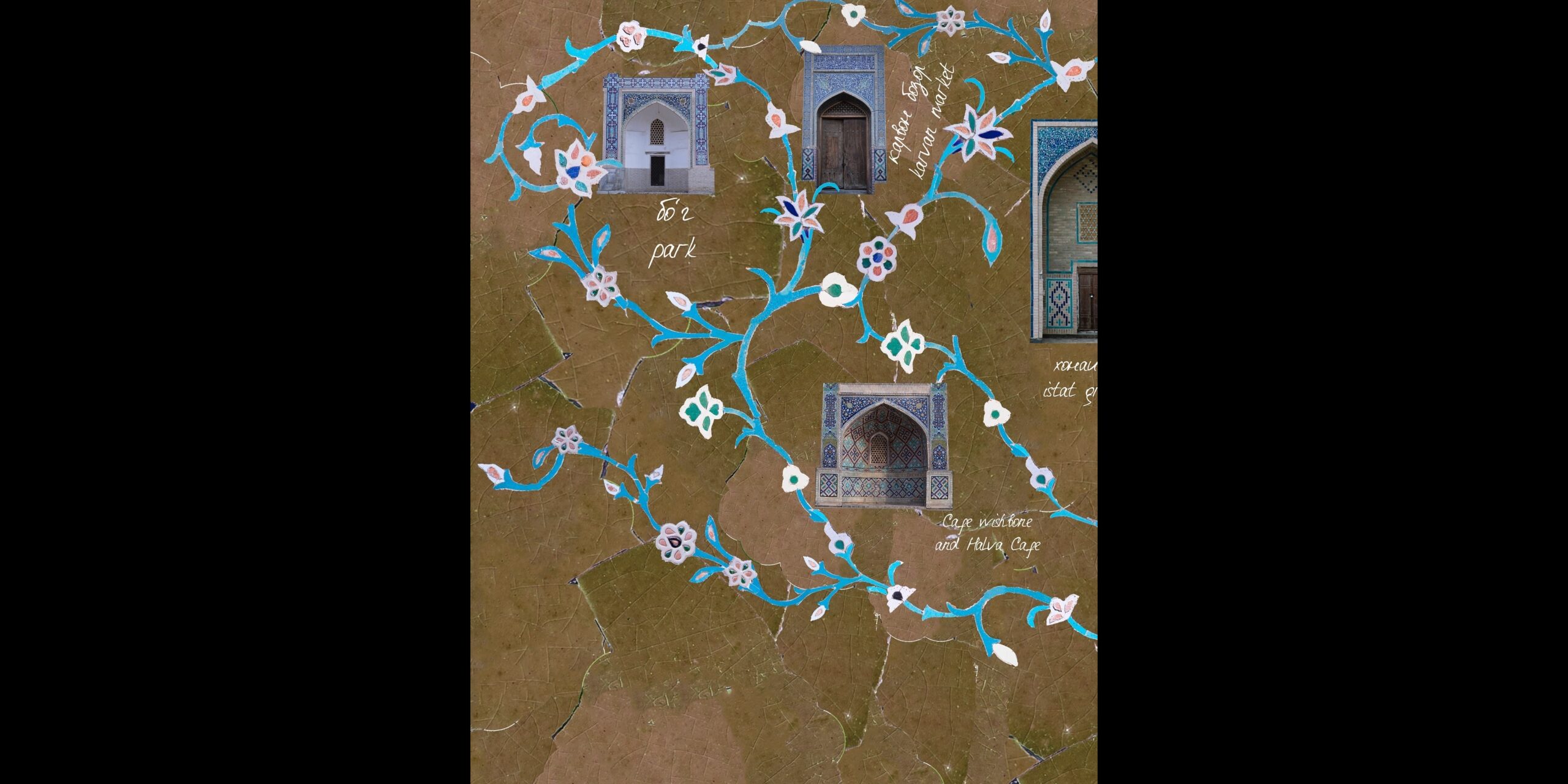
TCA: Your collages often incorporate elements such as Suzani embroidery and historical mosaics. How do you decide which cultural motifs to bring together, and what guides your process of blending tradition with contemporary expression?

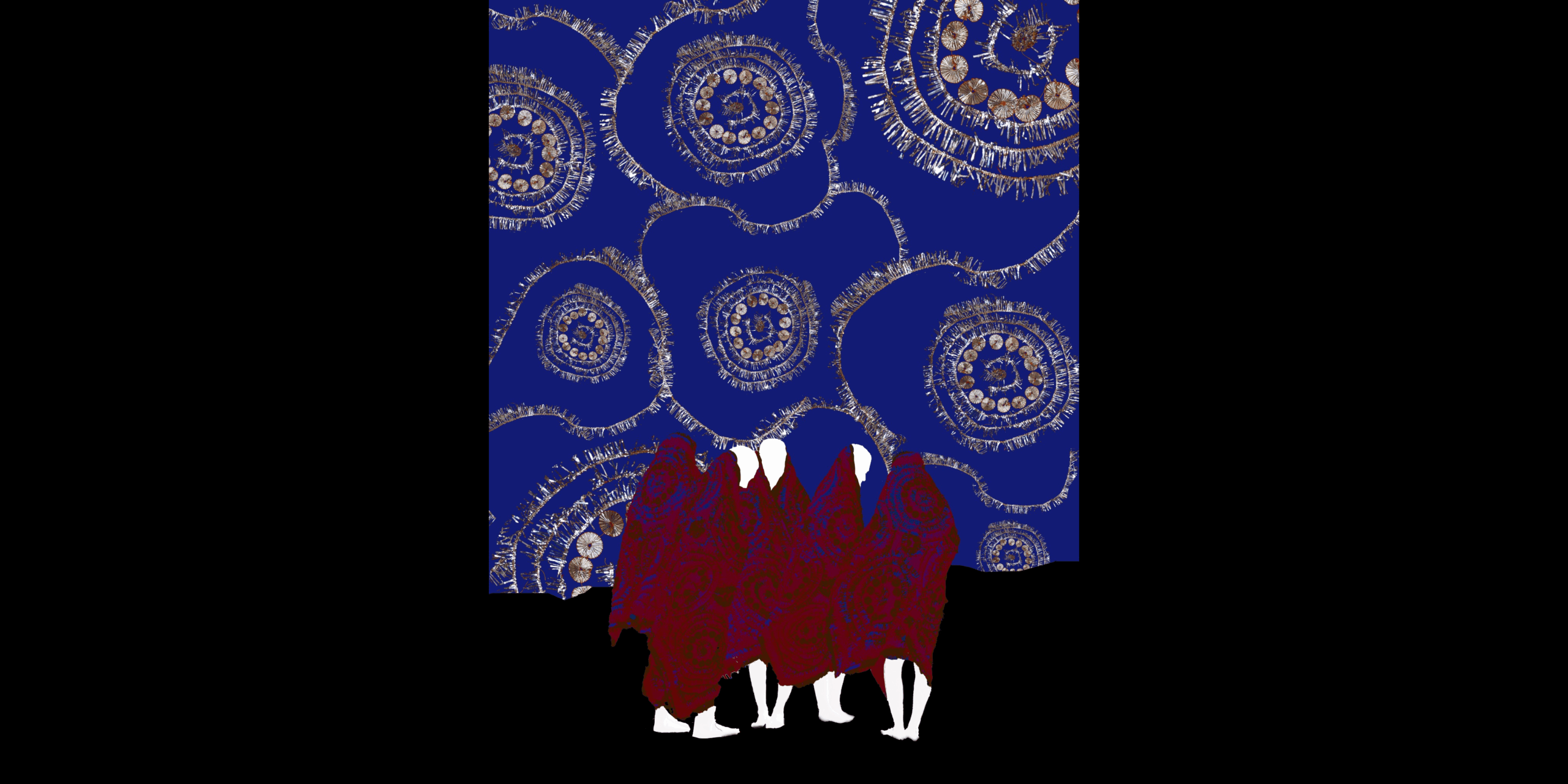
Khayrullaeva: The process always happens in different ways. Sometimes, certain elements inspire me to create a specific work. For example, I have one of my mother’s Suzani embroideries, her wedding Suzani, which is embroidered with golden tinsel. It’s quite unusual, though it was popular in the 1980s and 1990s. That piece inspired several of my works.

Other times, an idea simply appears first, and then I look through all my photographs, mosaics, and Suzani pieces. If something fits, I use it. Or sometimes I already know exactly which photographs I want to use for a particular idea. I’ve worked with these photographs and mosaics for so long that I’ve almost memorized all of them. This makes it easy for me to organize the process in my head and work calmly. I still rely a lot on intuition.

More broadly, I’ve always been interested in combining something old with something contemporary. At the beginning of my journey, when I was reviewing all these photographs and mosaics, I thought, Why not create something new from them? I wanted to give traditional mosaics a new life, reinterpret them, and use them in contemporary contexts.
TCA: How do you envision digital tools transforming the landscape for artists in Uzbekistan?

Khayrullaeva: In the past, traditional fine art education played a very dominant role, but today its influence is gradually weakening. I see a huge number of young artists actively working with digital tools and technologies, and every year there are more and more of them, especially among the younger generation. This makes me genuinely happy, because art should never remain static.

Digital tools offer artists greater freedom and access to knowledge, to audiences, and to an international context. They allow traditional forms to be reinterpreted rather than rejected, encouraging hybrid practices that move beyond local systems and expectations. I believe it is precisely in this space between heritage and the digital present that a new artistic future for Uzbekistan is currently taking shape.
TCA: I was curious to know about Меҳргон | Mehregan | Harvesting. Can you tell me how you conceived that piece?

Khayrullaeva: I think it’s probably connected to a deep sense of frustration and injustice towards artists. Unfortunately, there’s still a lack of recognition for artists here; their work is often undervalued, and many exhibitions or projects are either unpaid or very poorly paid. I had this anger inside me, and I wanted to channel it into this piece.

In this work, as you can see, I juxtaposed cotton, the process of harvesting it, which involved exploitation in Soviet times, with the exploitation of artists today. To me, these situations are similar – work that requires effort and time often doesn’t receive proper acknowledgment or compensation. I wanted to highlight this parallel.

TCA: Your work tackles themes like identity, patriarchy, and uyat, shame. Is it somehow still taboo to speak about these themes in Uzbekistan?

Khayrullaeva: No, and it hasn’t been like that for a long time. There is growing awareness among the population, especially among women. It’s as if they are awakening, which is uplifting and inspiring. Things are changing, for example, a recent law addressing violence against women was developed by activists from the media project “Ne Molchi. UZ,” my good acquaintances.

Although taboos are gradually loosening, social pressure and stereotypes still exist, especially in more conservative regions. But art plays an important role here; it allows these topics to be discussed through images and stories, creating space for dialogue and reflection. Personally, I find it very encouraging to see women and young people beginning to speak openly about difficult issues; it inspires and motivates me to continue my work.
TCA: A very strong video piece you presented in Bukhara is “Grandmother’s stories.” How did you create that?

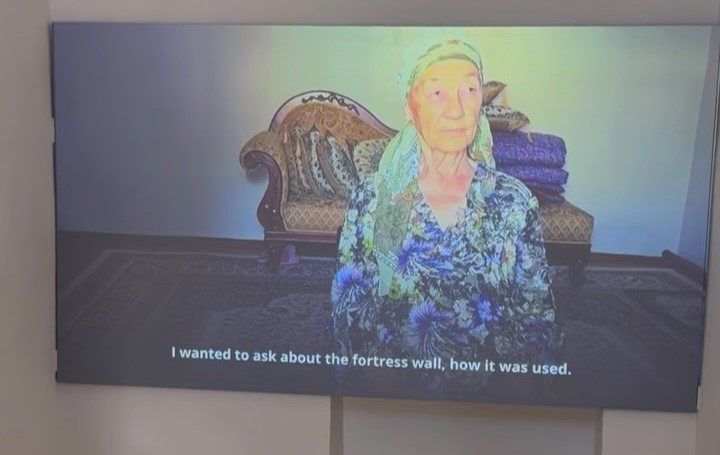
Khayrullaeva: This is an archival video of my grandmother. I started filming it about two years ago. One day, I realized that she was the only grandmother I had left, and I wouldn’t be able to remember all the stories she told me. So, I began recording them on video to preserve them and later pass them on to my nieces, nephews, brothers, or sisters who might be interested in learning more.

My grandmother is the only one who knows these stories, and unfortunately, no one paid much attention to them before I started asking. It was very important to me, and I believe it’s important for my family as well.

Later, the curator Diana Campbell, hearing the stories connected to medicinal herbs, suggested including them in the biennale. I then filmed additional footage showing what these herbs were, what rituals were performed, and the objects used, so viewers could better understand.

The final video is about 30 minutes long. Of course, these are just small excerpts; I had filmed much more, but those are personal family stories that I did not include in the biennale context.
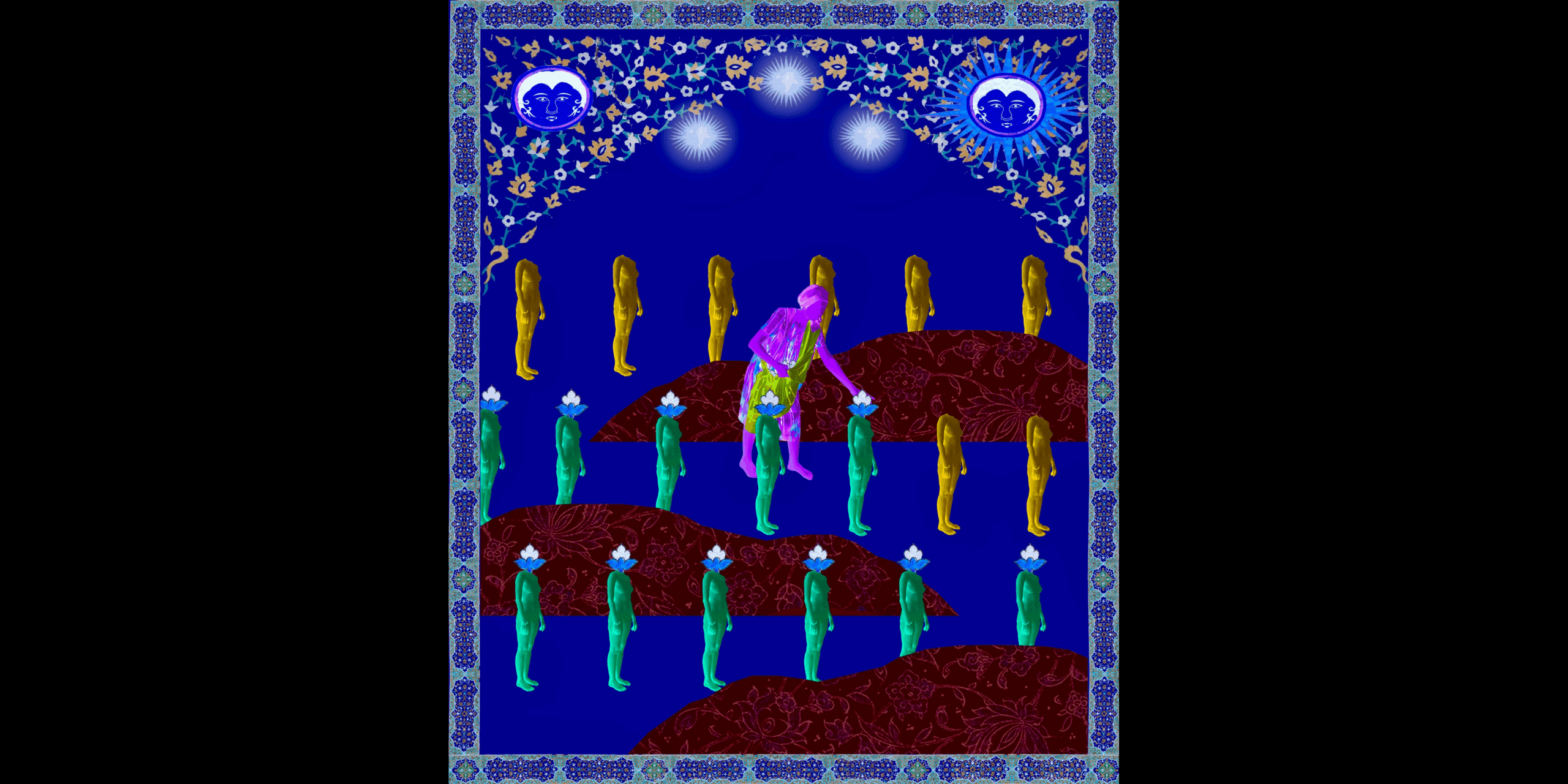
TCA: Your work, Eight Lives, grew from a deeply personal exploration of bodily pain into a public installation. Can you tell me how you worked on that piece?

Khayrullaeva: The idea came to me in 2023 in Samarkand, at the Shah-i-Zinda necropolis. The mausoleums are completely covered in mosaics, and they are incredibly beautiful. At that time, I was in a process of healing and searching for forms of self-expression. It was then that I discovered collage and primarily began working with Islamic architecture.

At Shah-i-Zinda, I noticed mosaics with floral ornaments called islimi. Several mausoleums were almost entirely covered with these elements. I studied them closely and realized that they reminded me of veins and vessels in the human body.

Some time later, my anxiety intensified as a side effect of depression. It manifested in my body, in my heart, stomach, intestines, and nervous system. One day, I experienced severe tachycardia and had trouble breathing. I felt sharply how complex the human body is.

That was when I had the idea to use these floral elements to construct a heart. Then I created lungs dedicated to my mother. Later, I made all seven organs.

TCA: Sufi concepts appear in your work. Is Sufism part of your background?

Khayrullaeva: Sufism came to me after my depression, during my healing process. I had many existential questions, and Sufism gave me answers. I feel very connected to this philosophy. It has a therapeutic effect on me.

TCA: Collaborating with mosaic masters must have been fascinating. What did you discover?

Khayrullaeva: There were technical challenges, such as color matching. Some digital details were too small to translate into mosaic, so I had to adapt them. But overall, it was a very successful experience.
TCA: Are you working on something new?

Khayrullaeva: Yes, but I’m not ready to share. I’m continuing my series on the human body.